“Like the major oil and gas companies, leading car companies took a calculated risk that they—and the world—could delay action to address the drivers of climate change. We are all paying for that
A quiz for you today. You may notice that there is a trap for blonde-haired global leaders of the very stable genius variety.
Please identify the items in the images. Answers are at the end.
2.
3.
4.
5.
Thanks to wikimedia for all the images.
The answers are:
Giraffe
Elephant
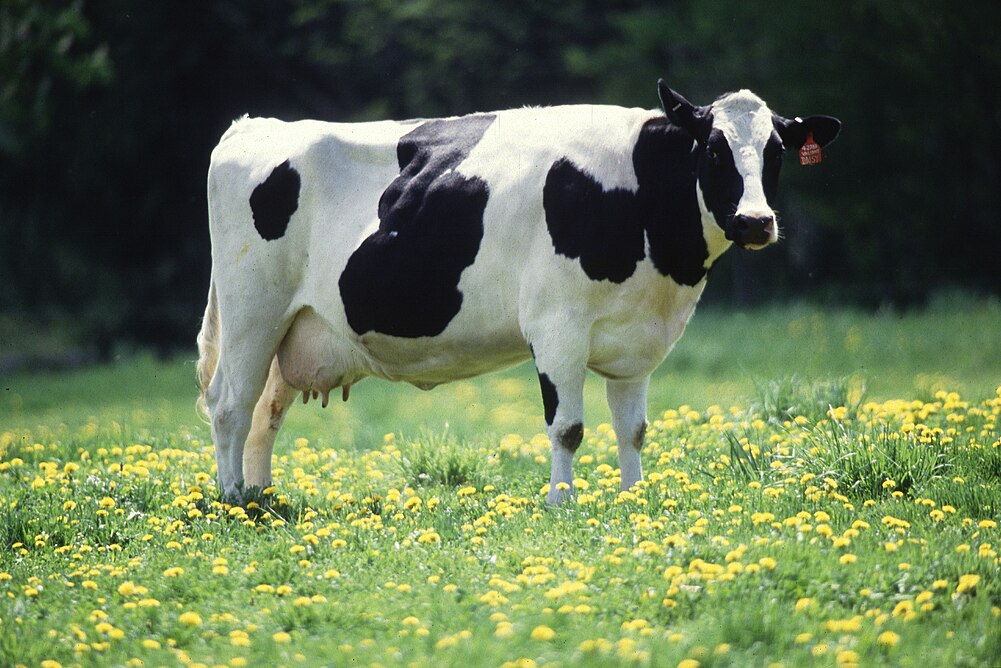
Cow
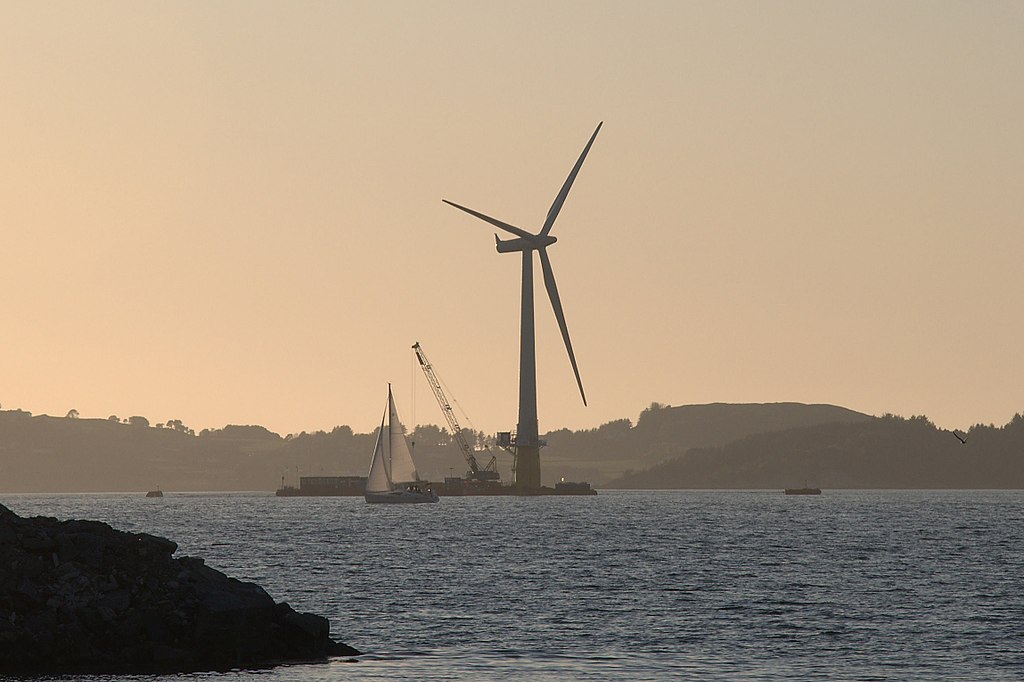
Windmill
Not a windmill. A wind generator or wind turbine are also acceptable answers.
Ace it? Did you notice the trap for blonde-haired World leaders of the very stable genius variety? That’s right both current US Resident Donald Trump and current UK Prime Mister Boris ‘rice pudding’ Johnson mistake wind generators or turbines for windmills.
Boris was using the phrase windmills in his speech to the Conservative Party conference yesterday. By misusing the phrase windmills he is associating himself with the World’s most prominent climate crisis denier and climate destroyer, Donald Trump. Is the message that his speech should be regarded as donkey doo?
Here are some extra images which are not part of the quiz.
A floating wind turbine. Windmills generally don’t float Boris.
Skin on rice pudding.
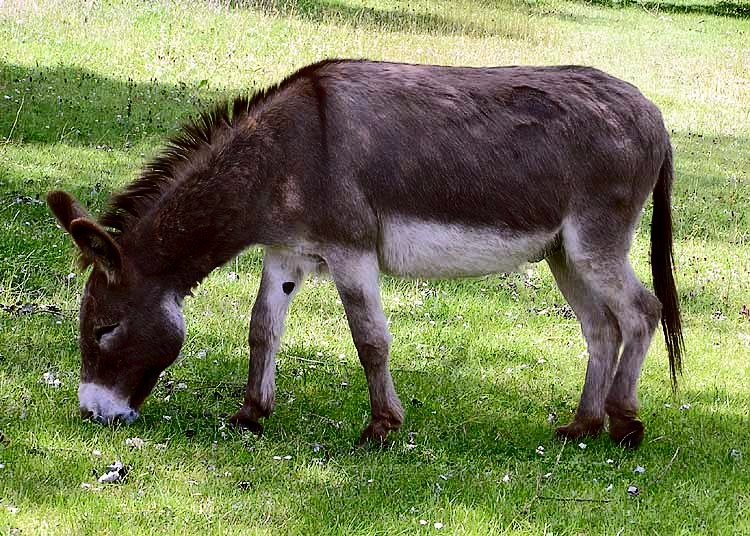
A donkey. This one is for my friends at Led by Boriss.
“At a time of rapid biodiversity loss, we are failing to access the treasure chest of incredible diversity on offer and missing a huge opportunity for our generation.”
A new report on plants and fungi features images of the Pitcairn Island’s yellow fatu (Abutilon pitcairnense), left, and the Cayman sage (Salvia caymanensis), right. (Photos: RBG Kew)
Humanity’s destruction of nature has made an estimated two in five plant species worldwide at risk of extinction, according to an assessment published Wednesday by the Royal Botanic Gardens, Kew, in the United Kingdom.
“The data emerging from this year’s report paint a picture of a world that has turned its back on the potential of plants and fungi to address fundamental global issues such as food security and climate change.” —Alexandre Antonelli, RBG Kew
The fourth annual report, entitled State of the World’s Plants and Fungi(pdf), draws on the expertise of 210 researchers from 42 countries for what professor Alexandre Antonelli, director of science at RBG Kew, calls an “unparalleled collaborative effort” that aims to put the planet and all its inhabitants on a more sustainable path.
“Open your fridge, peek into your medicine cupboard, examine your living room, feel your clothes. For thousands of years, we have searched nature to satisfy our hunger, cure our diseases, build our houses, and make our lives more comfortable,” Antonelli writes in the report’s introduction.
“But our early exploration of useful traits in species relied on rudimentary tools, and Indigenous knowledge was lost as local traditions were downplayed and globalization emerged,” he adds. “As a result, humanity is still a long way from utilizing the full potential of biodiversity, in particular plants and fungi, which play critical roles in ecosystems. Now, more than ever before, we need to explore the solutions they could provide to the global challenges we face.”
The report comes on the heels of a United Nations assessment that the international community has failed to fulfill any of the biodiversity targets that were set a decade ago as well as the latest edition of World Wide Fund for Nature’s flagship publication, which warned that “nature—our life-support system—is declining at a staggering rate.” Specifically, WWF found “an average 68% decrease in population sizes of mammals, birds, amphibians, reptiles, and fish between 1970 and 2016.”
Throughout the report’s 12 chapters, researchers address the importance of seeking out species before they disappear and calculating extinction risk; ways that plants and fungi can be used in terms of food, energy, healthcare, and more; how biological resources can be used more wisely; and the conditions in the U.K. and its territories.
“Natural ecosystems provide useful services for humanity, such as regulating climate, preventing floods, and filtering water. As the building blocks of ecosystems, plants and fungi have the potential to help us address current environmental challenges, such as climate change,” the report notes. “However, these natural benefits could be compromised by biodiversity loss, caused by humans clearing or degrading natural vegetation and over-harvesting wild species, as well as by shifting weather patterns.”
Given the importance of plants and fungi, “we need to have a rough idea of the conservation status of every species,” Eimear Nic Lughadha, conservation scientist at RBG Kew and lead author of the extinction chapter, explained in a statement. Lughadha highlighted advancements with artificial intelligence, adding, “the techniques are good enough to say, ‘this area has a lot of species that haven’t been assessed but are almost certainly threatened.'”
In 2019 alone, 1,942 plants and 1,886 fungi were scientifically named for the first time, according to the report—which adds that “current threats to global biodiversity, from climate change, logging, and land-use change, make the task of cataloguing species a race against time.”
Only six species of medicinal fungi have been assessed for conservation status, “one of which, Fomitopsis officinalis, a wood-inhabiting parasitic fungus, has already been pushed to the brink of extinction,” the report says. Out of 25,791 known medicinal plants, 5,411 have been assessed and 723—or 13%—are threatened.
Professor Monique Simmonds, deputy director of science at RBG Kew and lead author of the commercialization chapter, told the Guardian that humanity should look to nature for treating coronaviruses and other diseases with pandemic potential. As she put it: “I am absolutely sure going forward that some of the leads for the next generation of drugs in this area will come from plants and fungi.”
The report also notes that even though there are at least 7,039 plants that hold potential as foods, “just 15 crop plants contribute to 90% of humanity’s energy intake, and more than four billion people rely on just rice, maize, and wheat.” As an RBG Kew statement explained, “Relying on a handful of crops to feed the global population has contributed to malnutrition and left us vulnerable to climate change.”
Stefano Padulosi, co-author of the food chapter, said that “the thousands of underutilized and neglected plant species are the lifeline to millions of people on Earth tormented by unprecedented climate change, pervasive food and nutrition insecurity, and economic disempowerment.”
“Harnessing this basket of untapped resources for making food and production systems more diverse and resilient to change should be our moral duty to current and future generations,” declared Padulosi, former senior scientist at the Alliance of Biodiversity International and the International Center for Tropical Agriculture.
Antonelli agreed, saying broadly that “the data emerging from this year’s report paint a picture of a world that has turned its back on the potential of plants and fungi to address fundamental global issues such as food security and climate change. Societies have been too dependent on too few species for too long.”
“At a time of rapid biodiversity loss, we are failing to access the treasure chest of incredible diversity on offer and missing a huge opportunity for our generation,” he added. “As we start the most critical decade our planet has ever faced, we hope this report will give the public, businesses, and policymakers the facts they need to demand nature-based solutions that can address the triple threats of climate change, biodiversity loss, and food security.”
Our work is licensed under a Creative Commons Attribution-Share Alike 3.0 License. Feel free to republish and share widely.
This is the world we live in. This is the world we cover.
Because of people like you, another world is possible. There are many battles to be won, but we will battle them together—all of us. Common Dreams is not your normal news site. We don’t survive on clicks. We don’t want advertising dollars. We want the world to be a better place. But we can’t do it alone. It doesn’t work that way. We need you. If you can help today—because every gift of every size matters—please do. Without Your Support We Simply Don’t Exist.
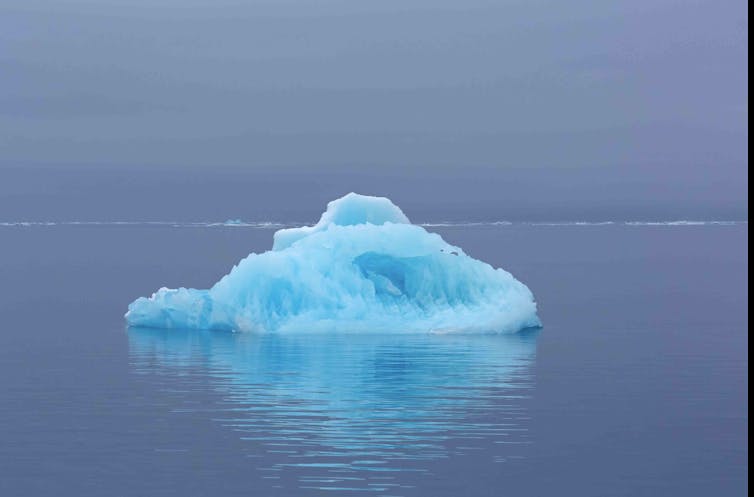
Every year, sea ice cover in the Arctic Ocean shrinks to a low point in mid-September. This year it measures just 1.44 million square miles (3.74 million square kilometers) – the second-lowest value in the 42 years since satellites began taking measurements. The ice today covers only 50% of the area it covered 40 years ago in late summer.
This year’s minimum ice extent is the lowest in the 42-year-old satellite record except for 2012, reinforcing a long-term downward trend in Arctic ice cover. Each of the past four decades averages successively less summer sea ice. NSIDC
As geoscientists who study the evolution of Earth’s climate and how it creates conditions for life, we see evolving conditions in the Arctic as an indicator of how climate change could transform the planet. If global greenhouse gas emissions continue to rise, they could return the Earth to Pliocene conditions, with higher sea levels, shifted weather patterns and altered conditions in both the natural world and human societies.
The Pliocene Arctic
We are part of a team of scientists who analyzed sediment cores from Lake El’gygytgyn in northeast Russia in 2013 to understand the Arctic’s climate under higher atmospheric carbon dioxide levels. Fossil pollen preserved in these cores shows that the Pliocene Arctic was very different from its current state.
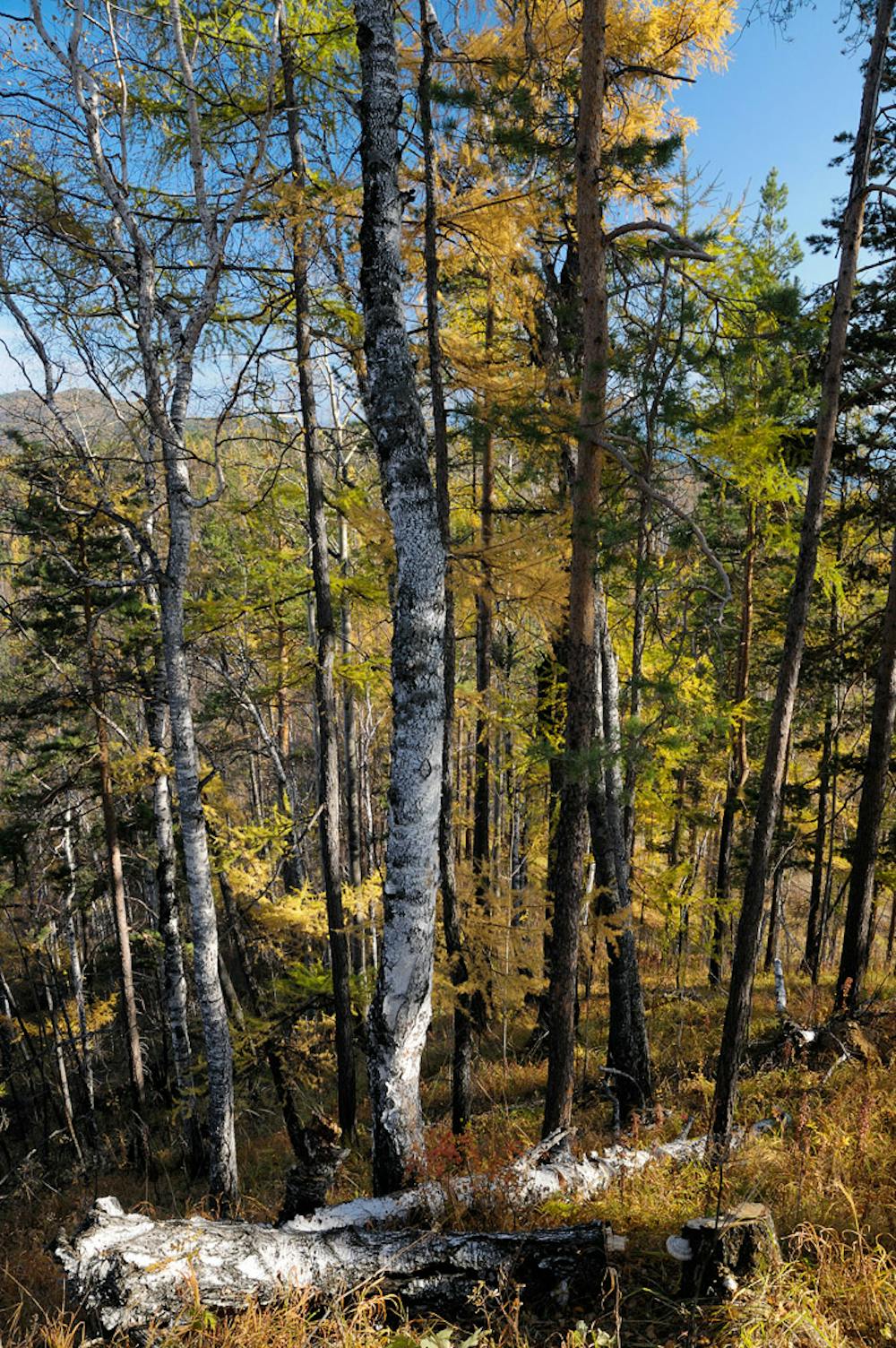
Today the Arctic is a treeless plain with only sparse tundra vegetation, such as grasses, sedges and a few flowering plants. In contrast, the Russian sediment cores contained pollen from trees such as larch, spruce, fir and hemlock. This shows that boreal forests, which today end hundreds of miles farther south and west in Russia and at the Arctic Circle in Alaska, once reached all the way to the Arctic Ocean across much of Arctic Russia and North America.
Because the Arctic was much warmer in the Pliocene, the Greenland Ice Sheet did not exist. Small glaciers along Greenland’s mountainous eastern coast were among the few places with year-round ice in the Arctic. The Pliocene Earth had ice only at one end – in Antarctica – and that ice was less extensive and more susceptible to melting.
Boreal forest near Lake Baikal in Russia. Three million years ago these forests extended hundreds of miles farther north than they reach today. Christophe Meneboeuf/Wikipedia, CC BY-SA
Because the oceans were warmer and there were no large ice sheets in the Northern Hemisphere, sea levels were 30 to 50 feet (9 to 15 meters) higher around the globe than they are today. Coastlines were far inland from their current locations. The areas that are now California’s Central Valley, the Florida Peninsula and the Gulf Coast all were underwater. So was the land where major coastal cities like New York, Miami, Los Angeles, Houston and Seattle stand.
Warmer winters across what is now the western U.S. reduced snowpack, which these days supplies much of the region’s water. Today’s Midwest and Great Plains were so much warmer and dryer that it would have been impossible to grow corn or wheat there.
Why was there so much CO2 in the Pliocene?
How did CO2 concentrations during the Pliocene reach levels similar to today’s? Humans would not appear on Earth for at least another million years, and our use of fossil fuels is even more recent. The answer is that some natural processes that have occurred on Earth throughout its history release CO2 to the atmosphere, while others consume it. The main system that keeps these dynamics in balance and controls Earth’s climate is a natural global thermostat, regulated by rocks that chemically react with CO2 and pull it out of the atmosphere.
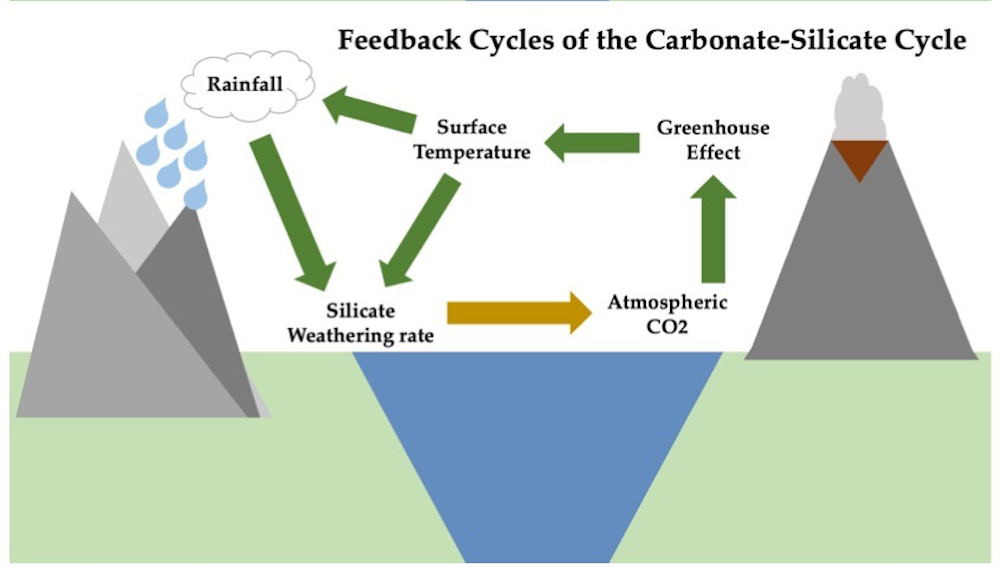
The Greenhouse Effect leads to increases in surface temperatures and, in some places, rainfall. Together these accelerate silicate rock weathering. Faster weathering in turn removes more CO2 from the atmosphere (yellow arrow). The strength of the Greenhouse Effect relies on atmospheric CO2 levels. Gretashum/Wikipedia
In soils, certain rocks continually break down into new materials in reactions that consume CO2. These reactions tend to speed up when temperatures and rainfall are higher – exactly the climate conditions that occur when atmospheric greenhouse gas concentrations rise.
But this thermostat has a built-in control. When CO2 and temperatures increase and rock weathering accelerates, it pulls more CO2 from the atmosphere. If CO2 begins to fall, temperatures cool and rock weathering slows globally, pulling out less CO2.
Rock weathering reactions also can work faster where soil contains lots of newly exposed mineral surfaces. Examples include areas with high erosion or periods when Earth’s tectonic processes pushed land upward, creating major mountain chains with steep slopes.
The rock weathering thermostat operates at a geologically slow pace. For example, at the end of the Age of Dinosaurs about 65 million years ago, scientists estimate that atmospheric CO2 levels were between 2,000 and 4,000 parts per million. It took over 50 million years to reduce them naturally to around 400 parts per million in the Pliocene.
Because natural changes in CO2 levels happened very slowly, cyclic shifts in Earth’s climate system were also very slow. Ecosystems had millions of years to adapt, adjust and slowly respond to changing climates. https://www.youtube.com/embed/2hNgEVFMJnQ?wmode=transparent&start=0 Summer heat waves are altering northern Siberia, thawing permafrost and creating conditions for large-scale wildfires.
A Pliocene-like future?
Today human activities are overwhelming the natural processes that pull CO2 out of the atmosphere. At the dawn of the Industrial Era in 1750, atmospheric CO2 stood at about 280 parts per million. It has taken humans only 200 years to completely reverse the trajectory begun 50 million years ago and return the planet to CO2 levels not experienced for millions of years.
Most of that shift has happened since World War II. Yearly increases of 2-3 parts per million now are common. And in response, the Earth is warming at a fast pace. Since roughly 1880 the planet has warmed by 1 degree Celsius (2 degrees Fahrenheit) – many times faster than any warming episode in the past 65 million years of Earth’s history.
In the Arctic, losses of reflective snow and ice cover have amplified this warming to +5 C (9 F). As a result, summertime Arctic sea ice coverage is trending lower and lower. Scientists project that the Arctic will be completely ice-free in summer within the next two decades.
This isn’t the only evidence of drastic Arctic warming. Scientists have recorded extreme summer melt rates across the Greenland Ice Sheet. In early August, Canada’s last remaining ice shelf, in the territory of Nunavut, collapsed into the sea. Parts of Arctic Siberia and Svalbard, a group of Norwegian islands in the Arctic Ocean, reached record-shattering high temperatures this summer.
Coastal cities, agricultural breadbasket regions and water supplies for many communities all will be radically different if this planet returns to a Pliocene CO2 world. This future is not inevitable – but avoiding it will require big steps now to decrease fossil fuel use and turn down Earth’s thermostat.








.jpg)