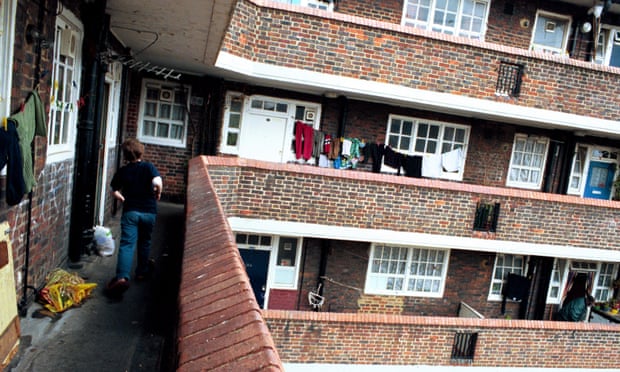
The poorest fifth of households paid 4.8% of their income on council tax or domestic rates in 2020-21, up from 2.9% in 2002-03. Photograph: Martin Godwin/The Guardian
Resolution Foundation report says failure to reform has ‘slowly recreated the issues that undid the poll tax’
Britain’s poorest households are paying an increasing share of their income on council tax, according to new analysis that likened it to the poll tax that contributed to the downfall of Margaret Thatcher.
The poorest fifth of households paid 4.8% of their income on council tax in England, Wales and Scotland and on domestic rates in Northern Ireland in the 2020-21 financial year, up from 2.9% in 2002-3, according to research by the Resolution Foundation.
Council taxes are one of the few levies on wealth in the UK, with different systems applied in each of the four countries.
However, they are seen by economists as deeply flawed, not least because the tax in England and Scotland is levied based on the value of properties in 1991, despite huge changes in the spread of wealth over the past three decades. Wales has updated its system to use 2003 valuations, while Scotland raised the rates on higher-banded properties in 2017. Northern Ireland still has a system of domestic rates, which predates council tax.
Highlighting the “regressive” nature of the tax, meaning poorer households pay more of their income towards it than richer ones, the Resolution Foundation said the failure to reform council tax had made it progressively worse.
PRESSURE piled on Labour to scrap the government’s cruel “sibling penalty” today as campaigners warned it’s set to push the majority of large families below the poverty line by the end of this parliament.
The two-child benefit limit, introduced in 2017, stops parents from claiming universal credit or child tax credit for more than two children.
But figures from the Department for Work and Pensions show 1.6 million children are now affected by the policy, rising by 100,000 in a year.
The Resolution Foundation warned the policy will push most large families below the breadline by the end of the parliament and said abolishing it would lift 490,000 children out of poverty.
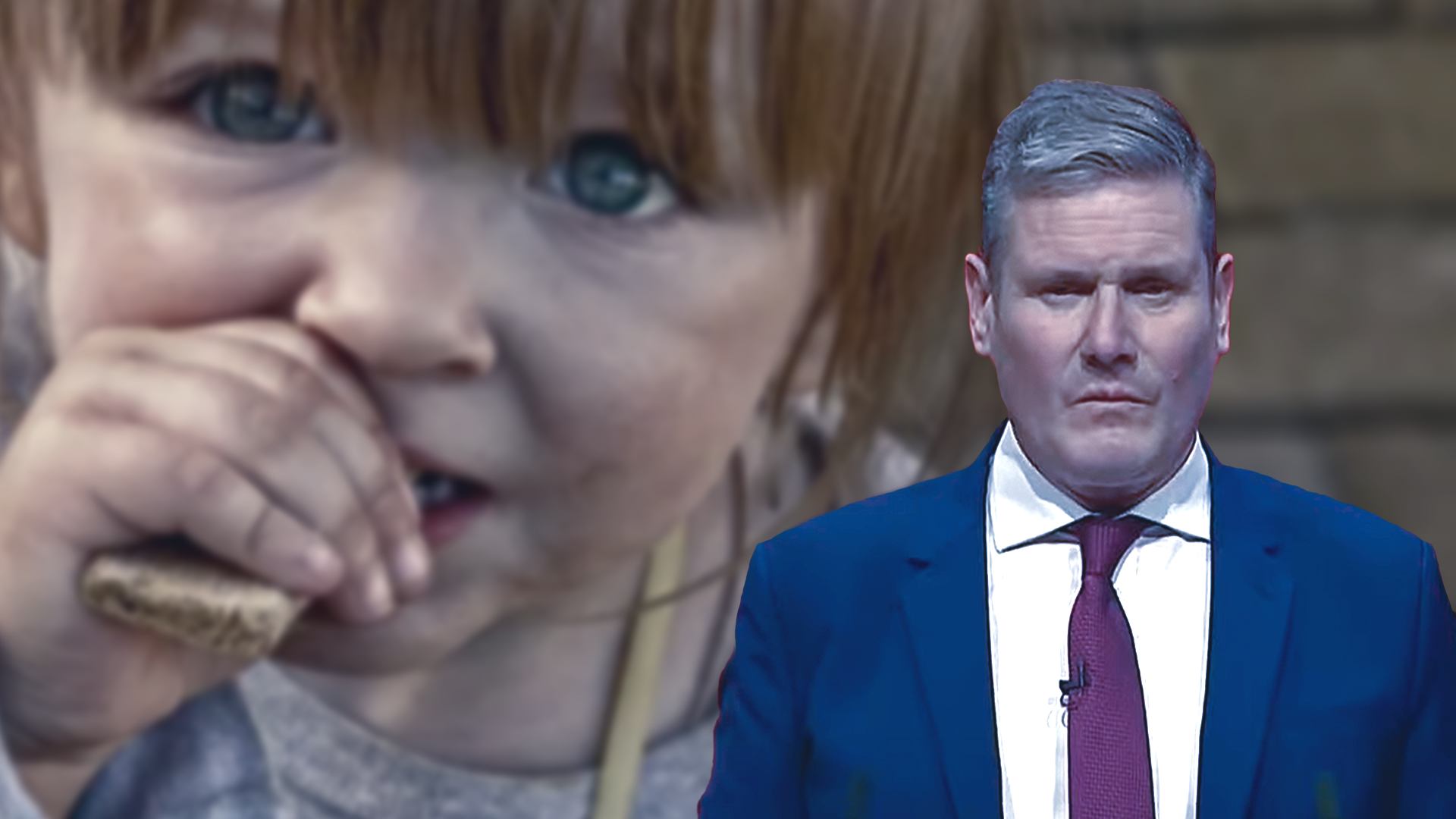
Sir Keir Starmer pledged to reduce child poverty at Labour’s manifesto launch, but failed to commit to scrapping the cap.
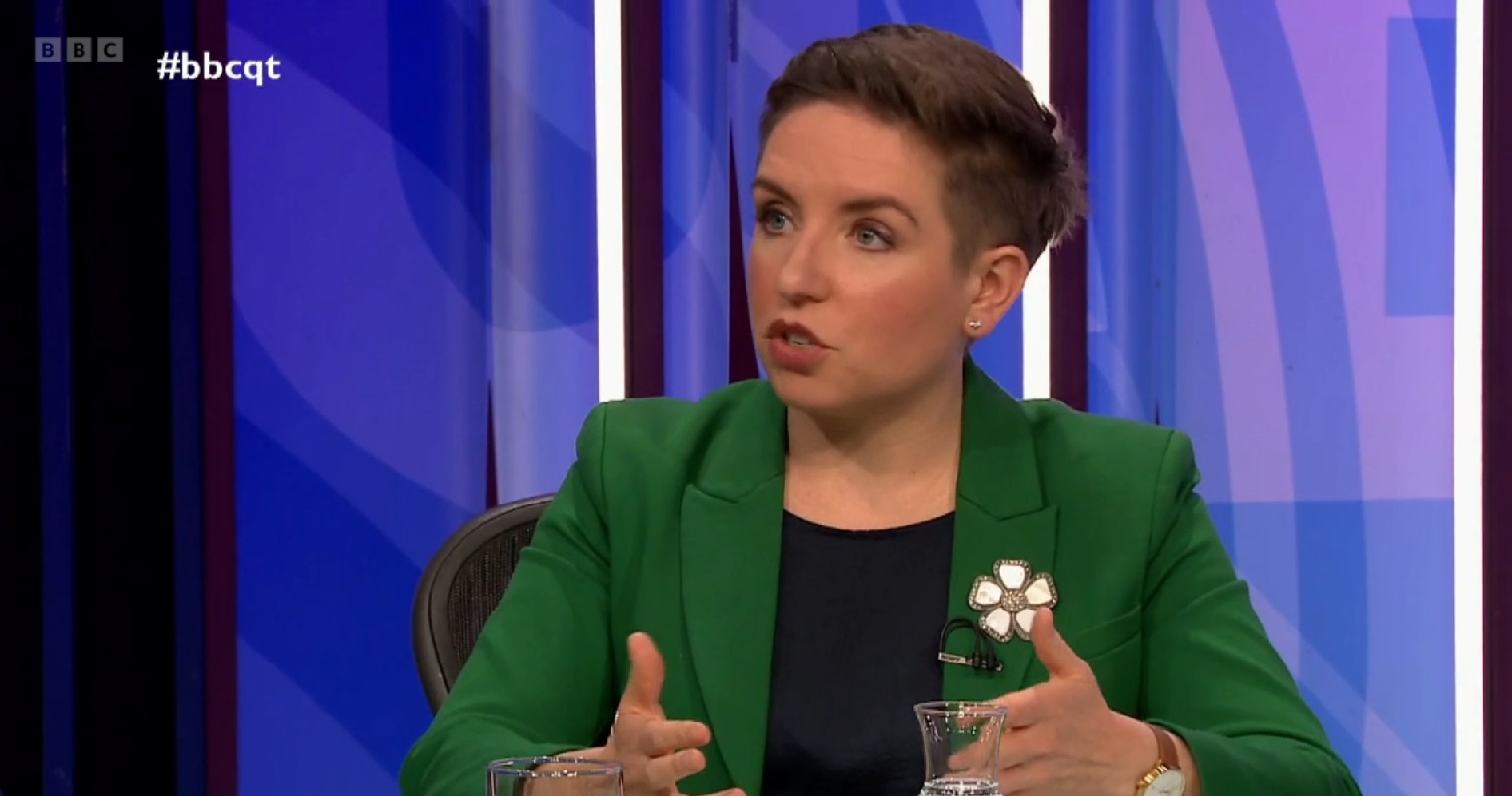
Image of the Green Party’s Carla Denyer on BBC Question Time.
“People can see through these pre-election tax bribes that will have to be paid for by cuts to our NHS and other vital public services,” says Green Party co-leader Carla Denyer.
Denyer said:
“People are crying out for investment in social care, in our NHS and in dentistry. We needed a ‘care full’ Budget but have ended up with a careless, reckless Budget.
“Chancellor Jeremy Hunt is attempting to bribe the electorate through tax cuts, which can only mean more pain for public services that are already on their knees.
“People won’t be richer, healthier or happier because of this Budget. People know a con when they see one.
“Councils are going bust up and down the country, NHS waits are getting longer, dentists can’t be found, while anyone travelling by train or bus, or visiting our town centres feels the lack of investment all around them.
“These headline tax cuts will do nothing to reverse the decade-long, real-terms wage freeze most workers have faced under successive Conservative governments.
“There is wealth in the UK, but it is distributed unfairly. Our economy is failing because our wealth, rather than circulating and benefiting everybody, is held in the stagnant assets of the super-rich.
“So, we needed a Budget that released the money available from a wealth tax to invest in the green jobs of the future, to cut NHS queues and restore nature and the places we live and work.
“That would have provided the vital public investment our country is crying out for.
“Now we have Labour huffing and puffing but offering no real alternative to being locked into a Conservative-forged cuts straitjacket.
“Thankfully, a General Election is coming where people can vote Green for the real change that will lead to a fairer, healthier and more caring country.”