
A petition signed by more than 1.6 million people urging the government to enforce a total ban on bee-killing neonicotinoid pesticides has been handed in to the Department of Environment, Farming and Rural Affairs (Defra) by environmental campaigners [1].
The petition, which was coordinated by Greenpeace UK, has amassed a staggering 1,645,000 signatures from the British public and was delivered directly to Defra for the environment minister, Emma Hardy. It was delivered in the form of a bee hotel by campaigners dressed in ‘worker’ bee outfits carrying placards reading, ‘Pesticides Buzz Off’, ‘Protect Our Bees’ and ‘Bee Safe’. They were joined by Siân Berry, Green Party MP for Brighton Pavilion, who is a supporter of the campaign.
Separately, 15 leading climate and nature charities – including Pesticide Action Network, RSPB, Wildlife Trusts and Greenpeace – have written to the environment minister, calling for an end to the emergency authorisation of neonicotinoids on sugar beet crops [2].
In the letter they state: “By not allowing another emergency use of neonicotinoids, there will be more incentive for British Sugar and the government to fund research into alternatives, and to adopt nature-friendly farming approaches including Integrated Pest Management (IPM).”
Greenpeace UK’s campaigner, Anthony Lewis, said: “Using neonicotinoids to ‘protect’ crops is like setting fire to your house to protect it from burglars. Yes, it will destroy pests, but it will also kill bees and other vital pollinators we depend on for the food we’re trying to grow. It’s absurd.
“Bee populations have been decimated over recent years, with the use of neonicotinoids one of the drivers of this decline. As leading environmental charities and experts on nature protection, along with 1.6 million members of the public, we implore the government to implement a full and final ban on the use of all bee-killing pesticides once and for all.”
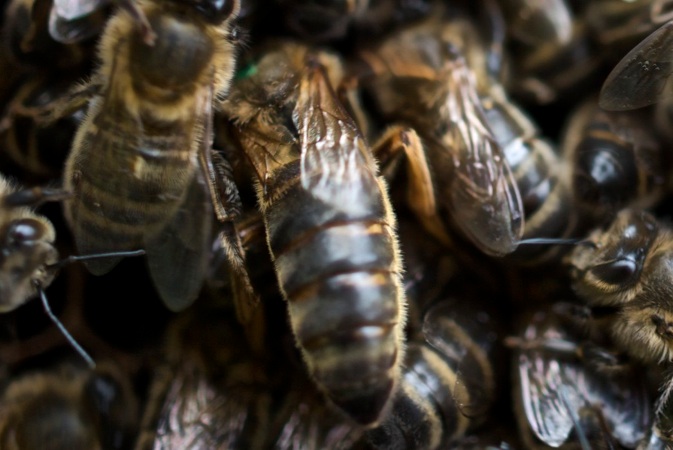
Bees are essential for our survival – pollinating much of our food and playing a critical role in sustaining ecosystems around the world. However, wild bee populations have fallen by a third, with the use of pesticides on farms a key contributor to their rapid decline.
The use of neonicotinoids, which are particularly lethal to bees and other vital pollinators, was outlawed across Europe in 2018. However, despite the ban, the previous UK government approved the ‘emergency’ authorisation of these deadly chemicals for four years in a row, against the scientific advice of the government’s own Expert Committee on Pesticides.
During its election campaign, the Labour Party made a commitment to end these exemptions for bee-killing pesticides and the government announced last month that it was drawing up plans to outlaw the use of some neonicotinoids. However, whatever the proposals being brought forward in future, another ‘emergency’ derogation could be allowed. A decision on whether to grant this emergency authorisation again this year is expected imminently.
