People around the world have contended with unprecedented weather events and their fatal effects caused by the climate catastrophe
After the world’s hottest summer since records began in 1850, the death toll from extreme weather in 2026 is already in the high tens of thousands. That is a conservative estimate and is certain to rise much higher.
As Cop31 continues and scientists warn that climate breakdown may be accelerating, the Guardian looks back at a year of droughts, fires and floods as a reminder that, unless the world takes urgent action to cut emissions, this disastrous year will be one of the best of the rest of our lives.
…
March
Fourth-hottest March on record
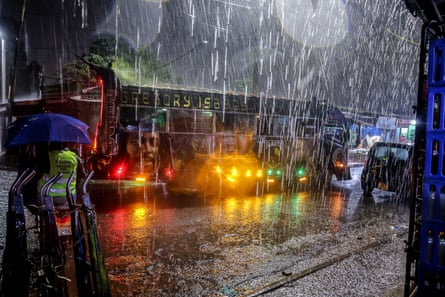
Devastating floods across much of the world
In Ethiopia, at least 131 people are killed in floods and mudslides that bury entire villages. Eighty die in Kenya and 18 in Tanzania. The Arabian peninsula is battered by fierce winds and heavy downpours that flood the streets of the desert kingdom. Hailstones the size of tennis balls fall in Oman and lightning storms leave cities in the UAE inundated with water. Many areas report record rainfall. At least 30 die in Afghanistan as heavy rains trigger landslides. Hong Kong is soaked in twice the usual monthly precipitation. Flood waters in southern Russia submerge homes and leave more than 300,000 without electricity. Huge tracts of farmland are left underwater in Argentina and Chile.
World’s energy imbalance accelerates rapidly
The World Meteorological Organization reveals an alarming buildup of energy in Earth’s system. More than 90% is stored in the oceans, where warming has more than doubled over the past two decades compared with the average over the previous 45 years. This makes weather more extreme and threatens health and food supplies. António Guterres, the UN secretary general, says: “The global climate is in a state of emergency. Planet Earth is being pushed beyond its limits. Every key climate indicator is flashing red.” Guterres urges the world to cut fossil fuel emissions as rapidly as possible to minimise future risks. However, CO2 in the atmosphere continues to rise.
…
See the original article at https://www.theguardian.com/world/2026/nov/14/fires-heat-floods-extreme-weather-2026