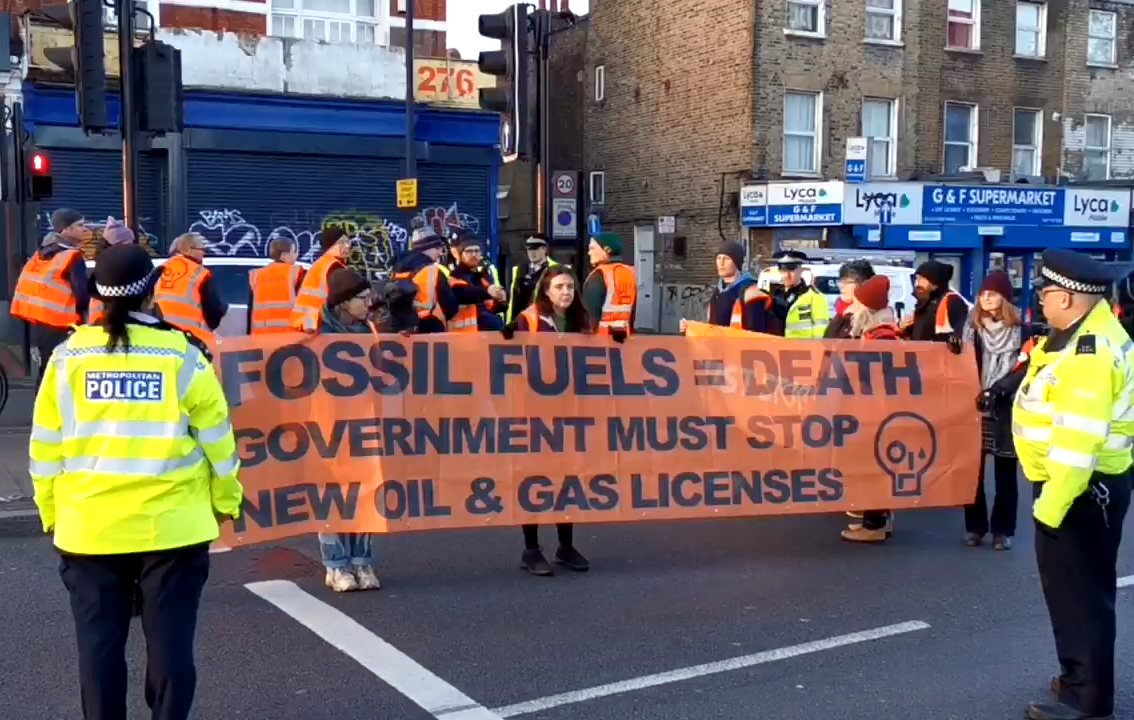
Just stop oil founders Indigo Rumbelow and Roger Hallam were arrested in separate raids this morning after police forced entry to their homes, searched belongings and confiscated papers.
Just Stop Oil protesting in London 6 December 2022.
Just Stop Oil said:
“We will not be intimidated by our criminal government. Not content with cheering on war crimes in Gaza, by maxing out our oil and gas reserves they are complicit in the greatest crime in human history. New oil and gas will result in unimaginable suffering and destroy the lives and livelihoods of billions of people. No one has ever voted for this, there has never been a democratic mandate to destroy the habitable world.
“Just Stop Oil supporters are deeply committed to stopping all new oil and gas. If our government refuses to do what is right to protect humanity, then people will step up to do what needs to be done.
“The painful truth right now is that our politicians and corporations have no intention of acting in accordance with the fundamental interests of either our young people or the country as a whole. Whether those in charge realise that they are committing the crime of genocide, is not the question. For this is how it will be seen by the next generation and all future generations. Our friends in police custody and languishing in prison understand this very well as do we.”
Comment by dizzy: Roger Hallam appears to get arrested and imprisoned regularly.
Video is from November 2022. Just Stop Oil are no longer blocking the M25 motorway.
16.40 update: Just Stop Oil are claiming that Indigo Rumbelow and Roger Hallam were arrested as a result of short speeches they gave at a festival this summer. Here are those speeches.
19.40 Uncertain why he was arrested over that speech, he didn’t seem to say anything outrageous. For example, he didn’t encourage people to engage in violence. Is it that the UK government is so intolerant? Are there some really nasty laws now prohibiting debate?
Indigo Rumbelow’s speech …
19.50 Indigo talks really well. Recommended.
19/10/23 I’ve seen a video of Roger Hallam getting arrested where charges of conspiracy were discussed – so it would seem that they were not arrested for giving these speeches.
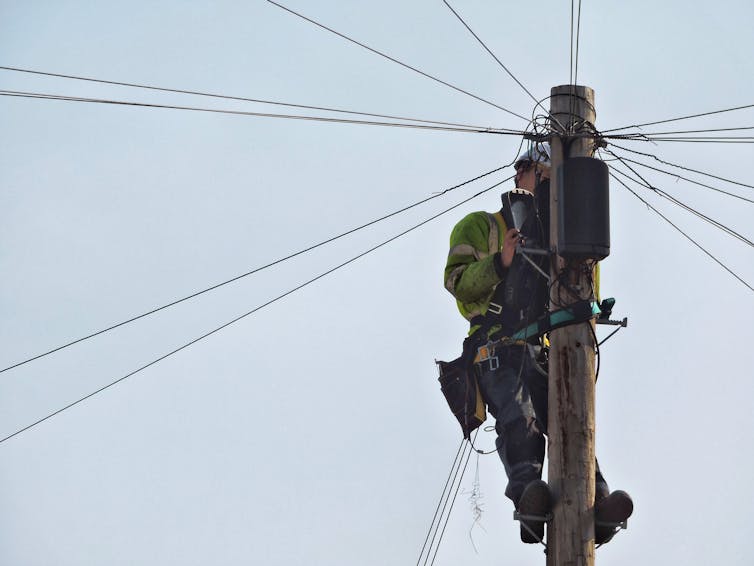
Domestic energy prices more than doubled during 2022 compared with the year before. This meant that the number of UK households in fuel poverty who could not afford to heat their homes to a safe level rose from 4.5 million to 7.3 million.
The UK government attempted to alleviate the impact of rocketing bills with a package of support measures. This included capping the unit cost of electricity and gas, a £400 rebate to all households using mains gas for heating and £200 for those using alternative fuels, and a further £650 “cost of living payment” to claimants of means-tested benefits.
Many of these schemes ended in spring 2023. And with wholesale gas costs and the government’s energy price cap having come down somewhat, you could be forgiven for thinking that the worst of the energy crisis has passed.
But that’s not the case for many billpayers – in fact, this winter is likely to be worse than the last for many households.
The energy price cap, introduced in 2019 by market regulator Ofgem, limits how much people pay for each unit of gas and electricity. The latest price cap, set on October 1 2023, means that a typical household will pay £1,834 a year for energy – less than £2,000 for the first time in 18 months.
This might sound like good news, but it’s still a substantial increase on the pre-crisis cap. In August 2021, the most a typical household could expect to pay in a year for energy was £1,277.
Although the unit prices of electricity and gas have fallen, there has been a steep increase in standing charges. These are a levy on all energy bills which cover the costs associated with supplying energy to homes.
Standing charges have gone up from around £186 a year pre-crisis to just over £300 now – effectively adding £110 to bills.
Standing charges pay for the upkeep of the UK’s energy supply network. KingTa/Shutterstock
Standing charges are regressive because they are the same for everyone, regardless of how much energy you consume. Poorer households often use much less energy than wealthier ones, so standing charges make up a larger proportion of their energy costs.
The £400 energy bill rebate paid to all households last winter has now ended. Meanwhile, cost of living payments to claimants of means-tested benefits have increased from £650 to £900 a year. This will be helpful to those who qualify, but one third of households eligible for means-tested welfare payments do not claim them due to stigma, lack of awareness or bad experiences with the assessment process, and so will receive no assistance.
Many households who do receive these cost of living payments will spend it on other expenses, such as food, rather than heating their home. This reflects the fact that energy is often seen by struggling households as something that can be rationed.
If you’re in a household that does not qualify for the cost of living payment then the savings of around £150 that resulted from the lowering of the cap will soon be more than cancelled out by the lack of a rebate.
Cold homes can kill
Despite the financial support offered last winter, average levels of energy debt for people contacting Citizens Advice in England and Wales have risen sharply over the last year, from around £1,400 per household on average in March 2022 to £1,711 in July 2023. One-third of UK energy customers are now in arrears.
So although energy bills have fallen slightly, many households are less resilient to financial shocks than they were in early 2022. Volatile energy prices are predicted to last until the end of the decade.
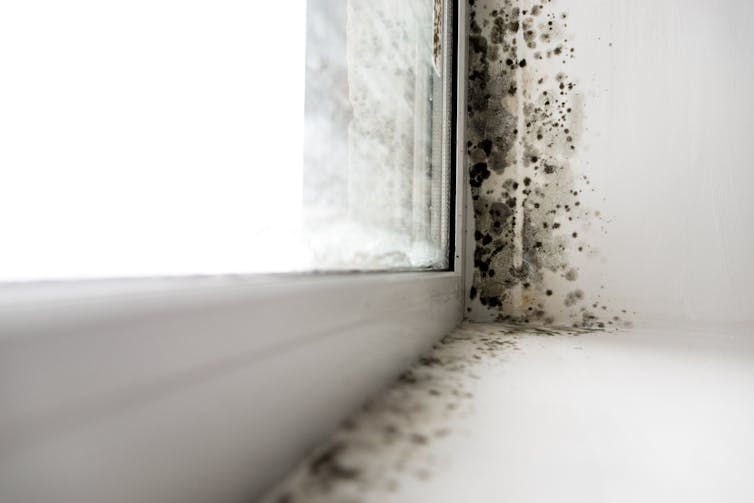
Research last winter found that households in fuel poverty were underheating their homes, causing damp and mould that can create serious health problems and exacerbating anguish and stress. The health risks of a cold home increase with repeated exposure.
As temperatures begin to fall again, a range of measures are urgently needed to prevent a crisis worse than that of last winter.
What can be done to help?
Since energy prices are expected to remain high for years, long-term solutions are vital. There must be increased investment in efforts to insulate the UK’s leaky housing stock. But with winter just weeks away, what can the government do right now?
To start, it could offer greater energy bill rebates. Given the scale of the fuel poverty problem, eligibility for these rebates must be wide enough for anyone on a below average income to receive help.
Alternatively, the government could make the rebates universal again, and potentially recoup the costs by increasing taxes on the most wealthy or energy company profits. At the very least, unclaimed energy bill support from last winter should be used to support those likely to struggle in the coming winter, rather than being returned to the treasury.
Cut funding for government-backed advice services could also be restored. And there are reforms to the retail energy market that could be implemented fairly quickly, such as bringing standing charges in line with levels of usage.
More fundamentally, there are a number of proposals that would be fairer than the current system and could be implemented together for maximum impact. These include a “green power pool”, which would ensure that the cheap power generated by renewables such as wind and solar benefits those most in need first and foremost, social tariffs (discounted energy bills for low-income households), or a national energy guarantee that would secure access to enough free energy to meet everyone’s basic needs.
The government’s forthcoming autumn statement must not sidestep these issues if people in fuel poverty are to stay safe and warm this winter.
Don’t have time to read about climate change as much as you’d like?
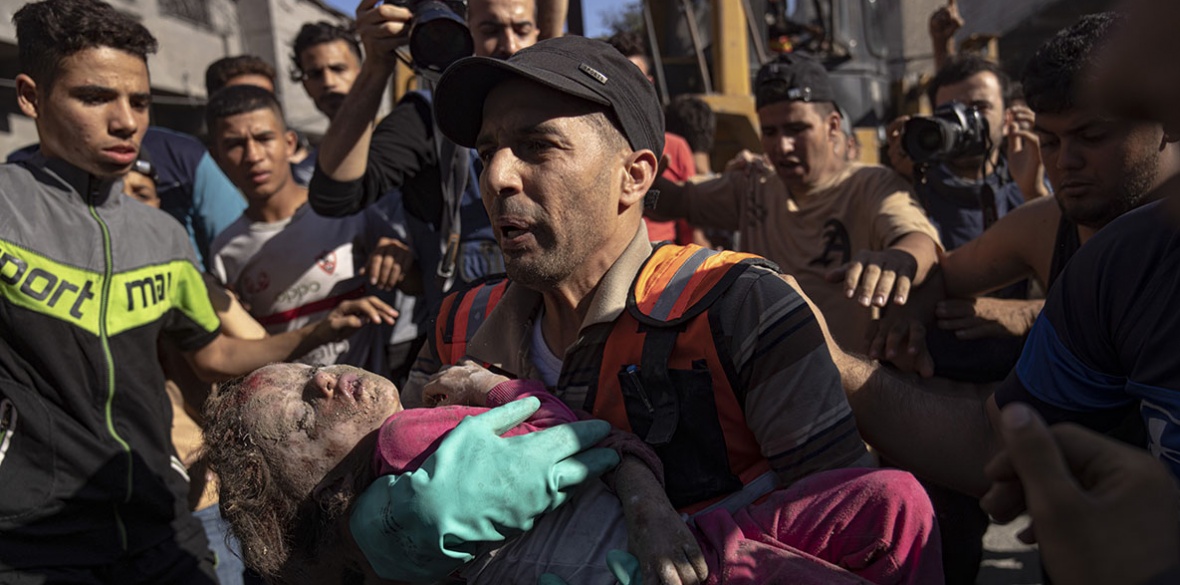
Palestinians evacuate a child after an Israeli air strike on Khan Younis, Gaza Strip, October 17, 2023
SOCIALISTS had limited expectations of New Labour when it won in 1997. But they did not anticipate Tony Blair’s bloody record in foreign policy, expressed above all in the word which will haunt him to his grave — Iraq.
International affairs were scarcely on the political radar in the years before the Blair landslide.
Labour supporters today have no such excuse. It is now clear that any government led by Sir Keir Starmer will be in the vanguard of international aggression and will be marked by the same indifference to international law and insouciance regarding war crimes as characterised the Blair administration.
Starmer himself has put the question beyond doubt with his comments regarding the conflict between Israel and the Palestinians.
He signalled his firm approval of the Israeli decision to cut off supplies of water, food and power to the besieged millions living in the Gaza Strip. He was indifferent to the fact that such collective punishment drives a coach and horses through international law.
…
Labour leader Keir Starmer (centre) with then US secretary of state Mike Pompeo (R) and then US ambassador to Britain, Woody Johnson, in London, 21 July 2020. (Photo: US State Department)
Campaigners slam Western governments for continuing to arm Israel as Palestinians in Gaza search desperately for food, water and shelter amid the bombs
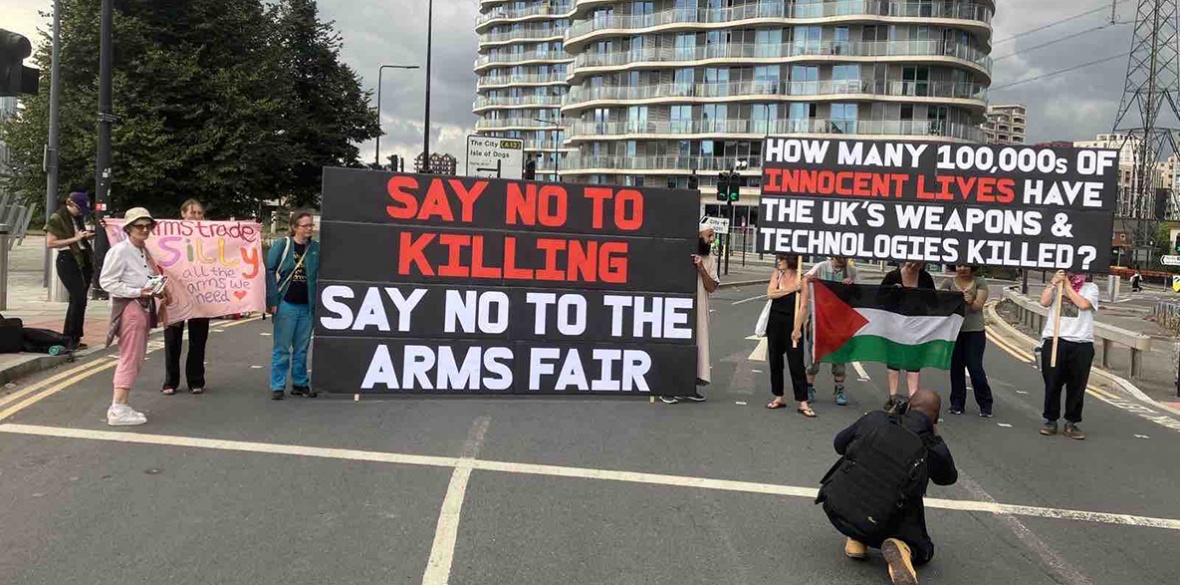
Campaigners block the road in East London outside the DSEI arms fair Photo: @CAATuk / Twitter
ACTIVISTS have slammed the scheduled visit of United States President Joe Biden to Israel on Wednesday as the relentless bombardment of Gaza leaves Palestinians searching desperately for food, water and shelter.
The visit was announced just as Iran issued a stern warning to the Israelis that it may intervene in the conflict.
Israel bombed areas of southern Gaza where it had previously told Palestinians to flee, killing dozens of people on Tuesday.
…
British companies provide 15 per cent of the components for the F-35 stealth combat aircraft that Israel is currently using in the bombardment of Gaza, in contracts worth £336 million, Campaign Against Arms Trade (CAAT) said.
The group is demanding the government revoke all licences for arms exports and is backing calls from Palestine trade unions for workers to refuse to build or export weapons to Israel.
CAAT’s Emily Apple said: “There should be no hierarchy when it comes to the killing of civilians.
“However, in continuing to arm Israel, this government is showing that it does not value Palestinian lives.
“Through its arms sales, and particularly through the supply of components for the F-35s, the UK is complicit in war crimes in Gaza.
CLIMATE activist Greta Thunberg was arrested along with 20 other protesters outside a central London hotel today in an action to disrupt the Energy Intelligence Forum.
The InterContinental London hotel near Hyde Park was hosting the heads of major oil and gas companies at the event.
Fossil Free London, which organised the protest, hit out at the companies for deliberately slowing the global energy transition to renewables in order to make more profits.
The group highlighted how this year’s United Nations climate conference president is also the chief executive of an oil company.
Dozens of protesters blocked Hamilton Place at both ends with banners and pink umbrellas with eyes painted on, chanting: “Oily money out” and “Cancel the conference.”
Greenpeace activists abseiled down from the roof of the hotel to unfurl a banner reading: “Make big oil pay.”