Category: Climate Crisis

  • Climate destruction

    Spread the love

    This post is subject to change.
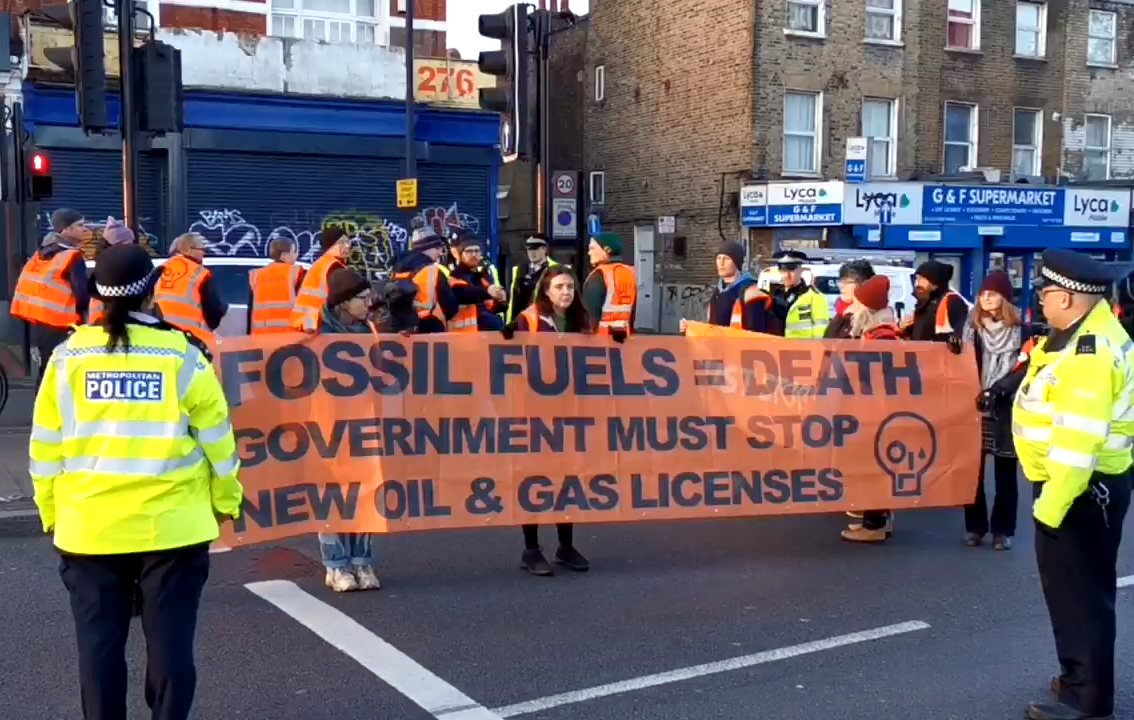
    Just Stop Oil protesting in London 6 December 2022.
    Just Stop Oil protesting in London 6 December 2022.

    Many people will tell you that we have already reached the 1.5C ‘limit’ or target of increased temperature over the pre-industrial era. This is not strictly true because the target is an average. It will be passed imminently probably within a year or two but currently we are passing it on about 30% of days. Weather records are getting surpassed daily and monthly – the climate is in freefall.

    Capitalists caused the climate crisis and are unwilling to tackle it. Instead of tackling it they are ramping up fossil fuel dependecy that will accelerate climate destruction. In UK, the Blue Labour Party’s policy is indistinguishable from the Conservative climate destroyers. We have to reject the Neo-Liberal Capitalists responsible for climate destruction and Keir Starmer is every bit engaging in anilingus with the fossil fuel industry as Prime Minister Rishi Sunak.

    Image of InBedWithBigOil by Not Here To Be Liked + Hex Prints from Just Stop Oil's You May Find Yourself... art auction. Featuring Rishi Sunak, Fossil Fuels and Rupert Murdoch.
    Image of InBedWithBigOil by Not Here To Be Liked + Hex Prints from Just Stop Oil’s You May Find Yourself… art auction. Featuring Rishi Sunak, Fossil Fuels and Rupert Murdoch.

    I expect these Neo-Liberal Capitalist shits to be deposed, the problem is how quickly, how much damage will they do before then? People will come to realise that their knee-jerk reaction of hostility to Just Stop Oil is mistaken and that they are instead their saviours. How angry are they going to be then? Individual acts targeting superyachts, private planes and excessively expensive cars are happening now. What’s going to be happening in 5 or 6 years time? It is the rich that are responsible for destroying our planet and I expect them to be held to account when many people start realising that their own and their childrens’ lives are fekked.

    28 Oct 23:

    Another reason that we need a new politics, that we have to ensure that neither Conservative or Starmer’s Labour are in power is that supporters of war crimes in Gaza should be prevented from being in positions of authority. They should properly be prosecuted for their complicity.

    30 Oct 23:

    https://news.mit.edu/2023/explained-climate-benchmark-rising-temperatures-0827

    How close are we to 1.5 C?

    In 2022, the average global temperature was about 1.15 degrees Celsius above preindustrial levels. According to the World Meteorological Organization (WMO), the cyclical weather phenomenon La Niña recently contributed to temporarily cooling and dampening the effects of human-induced climate change. La Niña lasted for three years and ended around March of 2023.

    In May, the WMO issued a report that projected a significant likelihood (66 percent) that the world would exceed the 1.5 degrees Celsius threshold in the next four years. This breach would likely be driven by human-induced climate change, combined with a warming El Niño — a cyclical weather phenomenon that temporarily heats up ocean regions and pushes global temperatures higher.

    This summer, an El Niño is currently underway, and the event typically raises global temperatures in the year after it sets in, which in this case would be in 2024. The WMO predicts that, for each of the next four years, the global average temperature is likely to swing between 1.1 and 1.8 degrees Celsius above preindustrial levels.

    Though there is a good chance the world will get hotter than the 1.5-degree limit as the result of El Niño, the breach would be temporary, and for now, would not have failed the Paris Agreement, which aims to keep global temperatures below the 1.5-degree limit over the long term (averaged over several decades rather than a single year).

    Pre-COP28 discussions have started with Cop28 President-designate and United Arab Emirates Minister of Industry and Advanced Technology Dr Sultan Al Jaber calling for further keeping to the 1.5-degree-C target. (e.g. see https://www.thenationalnews.com/climate/cop28/2023/10/30/dr-sultan-al-jaber-calls-for-world-to-unite-as-pre-cop28-talks-begin/)

    The problem is that US and UK amoung others have shat on disregarded that target by progressing with further coal, gas and oil extraction. President Biden is continuing new oil and gas exploration, UK’s Rishi Sunak has permitted the huge Rosebank Oil field near Shetland and continues to hugely expand oil and gas exploitation and exploration.
  • Children at ‘existential risk’ from climate crisis, UK’s top paediatrician says

    Spread the love

    https://www.theguardian.com/society/2023/oct/21/children-at-existential-risk-from-climate-crisis-uks-top-paediatrician-says

    The climate crisis poses an “existential risk” to the health and wellbeing of all children and action to tackle it is needed immediately, Britain’s most senior paediatrician has said.

    In a major intervention, Dr Camilla Kingdon, the president of the Royal College of Paediatrics and Child Health (RCPCH), said every adolescent was at grave risk from the physical and mental effects of the climate crisis. Healthcare professionals were already seeing its impact first-hand, she added.

    …

    Kingdon attacked what she described as the rolling back of net zero policies by Rishi Sunak and said the country’s most vulnerable children would be left bearing the greatest burden as a result.

    Rising temperatures around the world as a result of the climate crisis are having a devastating effect on foetuses, babies and children, multiple studies have found.

    Scientists have determined the climate emergency is causing – among other adverse outcomes – an increased risk of premature birth and hospitalisation of young children as well as weight gain in babies. Research shows pollution can stunt children’s lung growth, cause asthma and affect blood pressure, cognitive abilities and mental health.

    “Climate change is no longer tomorrow’s problem, it’s today’s,” Kingdon said. “Healthcare professionals across the UK are already seeing its impact first-hand.”

    …

    https://www.theguardian.com/society/2023/oct/21/children-at-existential-risk-from-climate-crisis-uks-top-paediatrician-says

  • 95 UK Universities That Have Pledged to Divest from Oil and Gas Use Banks Funding Climate Crisis

    Spread the love

    Original article by Max Colbert republished from DeSmog

    Students have accused the institutions of ‘hypocritical and performative’ green commitments.

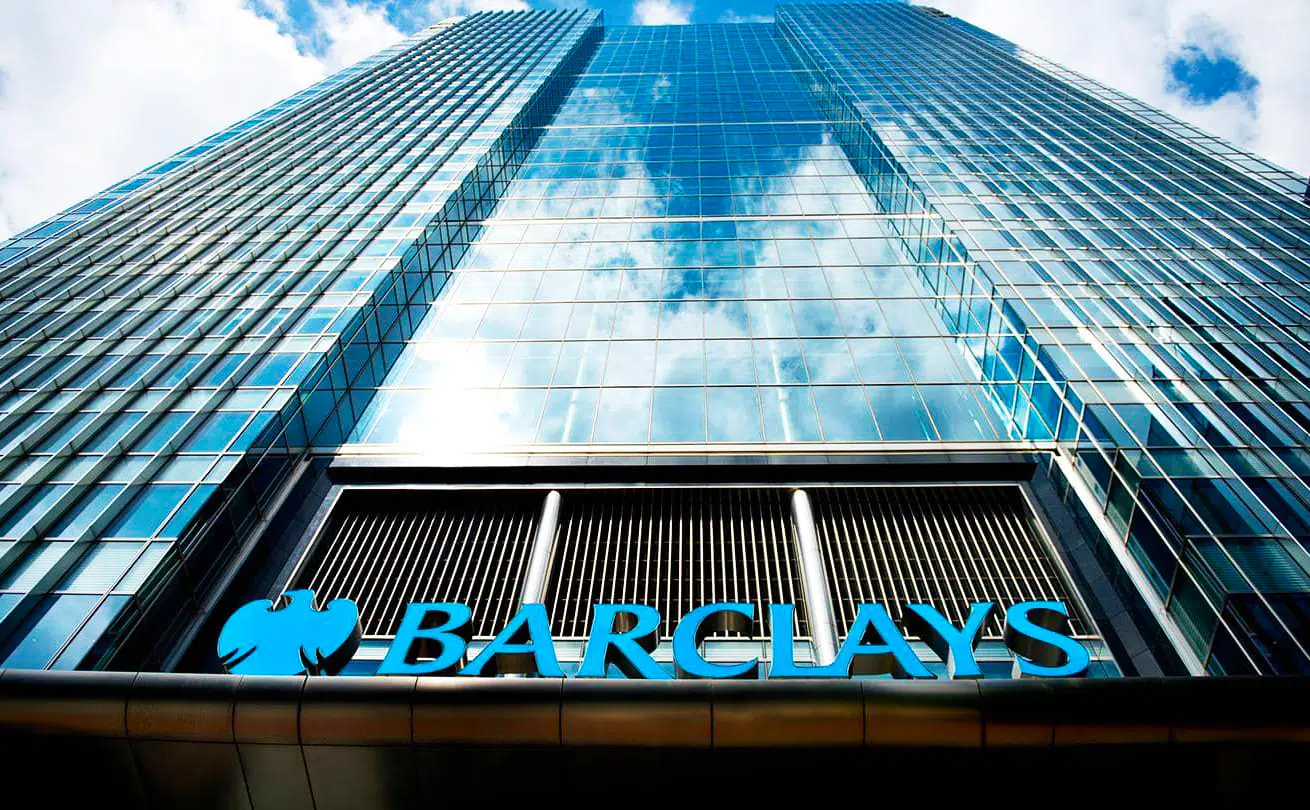
    The Barclays UK headquarters. Credit: Gary Group Editor / Wikimedia Commons, CC-BY- SA-4.0

    Almost 100 universities that have pledged to shed ties to the fossil fuel industry still bank with financial institutions that have collectively provided $419 billion (£345 billion) to polluting interests between 2016 and 2022. 

    The new research, conducted by campaign group Make My Money Matter and obtained using Freedom of Information requests, shows that 95 universities still hold a bank account with one of five leading global fossil fuel funders: Barclays, HSBC, Santander, NatWest, and Lloyds.

    These banks have supplied billions in financing to Shell and BP, which this year scaled back their climate targets, as well as to other oil and gas firms such as ExxonMobil and TotalEnergies. Barclays was the bank of choice, used by nearly three quarters (73 percent) of the universities.

    Barclays was the largest European financier of fossil fuels between the signing of the Paris Agreement in 2016, which set a goal of limiting global warming to 1.5C, and 2022. The British bank propped up the oil and industry with $190.5 billion (£157 billion) in funding during this time, according to the annual Banking on Climate Chaos report from the climate campaign group Rainforest Action Network (RAN).

    This story comes after DeSmog revealed earlier this month that UK universities have accepted £40.4 million in funding from fossil fuel companies since 2022. Students across Europe have protested at schools and universities since returning for the new academic year. In the UK, activists from Just Stop Oil have renewed their campaigning on campuses, targeting University College London, Birmingham, Sussex, Falmouth, and Exeter.

    Over 100 universities across the UK, representing 65 percent of the higher education sector, have pledged to divest from the fossil fuel industry since 2014. Over 50 are yet to make any public commitments. 

    Make My Money Matter says that it will be writing to universities and calling on them to ensure that their divestment commitments are not being undone by their banking choices. 

    “Divesting from fossil fuels while banking with Barclays is hypocritical and performative,” said Jo Campling, welfare and sustainability officer at Sheffield University Students’ Union. “Universities claim they are striving for a better future by educating their students yet they continue to provide legitimacy to the financial institutions ignoring universities’ own scientists and driving us ever closer to irreversible climate breakdown.”

    ‘More Needs to be Done’

    The universities that have held accounts with Barclays include Bristol, one of the “greenest universities in the UK”, University College London (UCL), the UK’s largest higher education institution by student population, and the University of Glasgow, the first UK university to commit to fossil fuel divestment.

    Researchers analysed the period between April 2021 and April 2023. The threshold for a ‘banking relationship’ includes a current or deposit account held within the period, but excludes other services such as loans, credit facilities, or currency exchanges.

    In 2022, Barclays was a major backer of unconventional oil projects, such as Arctic extraction and extraction from tar sands. The latter emits up to three times more global warming pollution than producing the same quantity of crude oil.

    As of late 2022, following pressure from investors, Barclays has agreed to scale down its financing of oil sands operations. However, the new research shows both Barclays and HSBC remained among the top 10 (seven and eight respectively) global financiers of new fossil fuel expansion projects.

    Barclays is facing heavy criticism for its ongoing role in facilitating climate breakdown, and its annual general meeting in May was disrupted by climate activists from Extinction Rebellion.

    A spokesperson for Barclays told DeSmog: “Aligned to our ambition to be a net zero bank by 2050, we believe we can make the greatest difference by working with our clients as they transition to a low-carbon business model, reducing their carbon-intensive activity whilst scaling low-carbon technologies, infrastructure and capacity. 

    “We have set 2030 targets to reduce the emissions we finance in five high-emitting sectors, including the energy sector, where we have achieved a 32 percent reduction since 2020. In addition, to scale the needed technologies and infrastructure, we have provided £99 billion of green finance since 2018, and have a target to facilitate $1 trillion in sustainable and transition financing between 2023 and 2030.”

    Peter Vermeulen, chief financial officer at the University of Bristol told DeSmog that the university takes its “climate commitments seriously” and engages with major suppliers, including banks, “to see where positive improvements and changes can be made”.

    Vermeulen added that, “I, like many others, am disappointed in Barclays’s climate performance, and that they only put a serious climate plan in place in 2020. In my previous role I actively engaged with Barclays on their lack of progress in this area and witnessed improvement. More needs to be done and for that reason, since joining the University of Bristol this summer, I will step that up even further, with university, staff, and student representatives involved in this.”

    Rainforest Action Network has calculated that the world’s biggest banks poured $673 billion (£554 million) into fossil fuels in 2022, while DeSmog revealed in May that four in five bank directors at the six largest banks in the U.S. have ties to polluting companies and organisations, including major fossil fuel firms.

    Commenting on the findings of the Make My Money Matter report, Nat Gorodnitski from Students Organising for Sustainability said: “If we want to stop the worst effects of climate change, we need to end fossil fuel funding. Banks are the biggest funders by a long way and rely heavily on the higher education sector for recruitment, reputation, and business, while their fossil fuel financing contradicts academic research, university policies, and students’ needs. 

    “This gives students and universities the unique power to pressure banks to end their fossil fuel financing in a meaningful way, and call for a shift to funding sustainable energy.”

    A spokesperson for HSBC said: “Supporting the transition to net zero and engaging with clients to help them diversify and decarbonise is critically important to us. We are committed to aligning our financed emissions to net zero by 2050.”

    A University of Glasgow spokesperson that the university “is committed to doing our part to tackle the climate emergency. In 2014, we pledged to divest our holdings in companies involved in the oil and gas sectors over a 10 year period, and have already achieved this. We have also set an ambitious target to achieve net zero greenhouse gas emissions by 2030. Our socially responsible investment policy is regularly reviewed.”

    Original article by Max Colbert republished from DeSmog

  • Greenpeace loses legal challenge to UK’s new North Sea oil and gas licences

    Spread the love
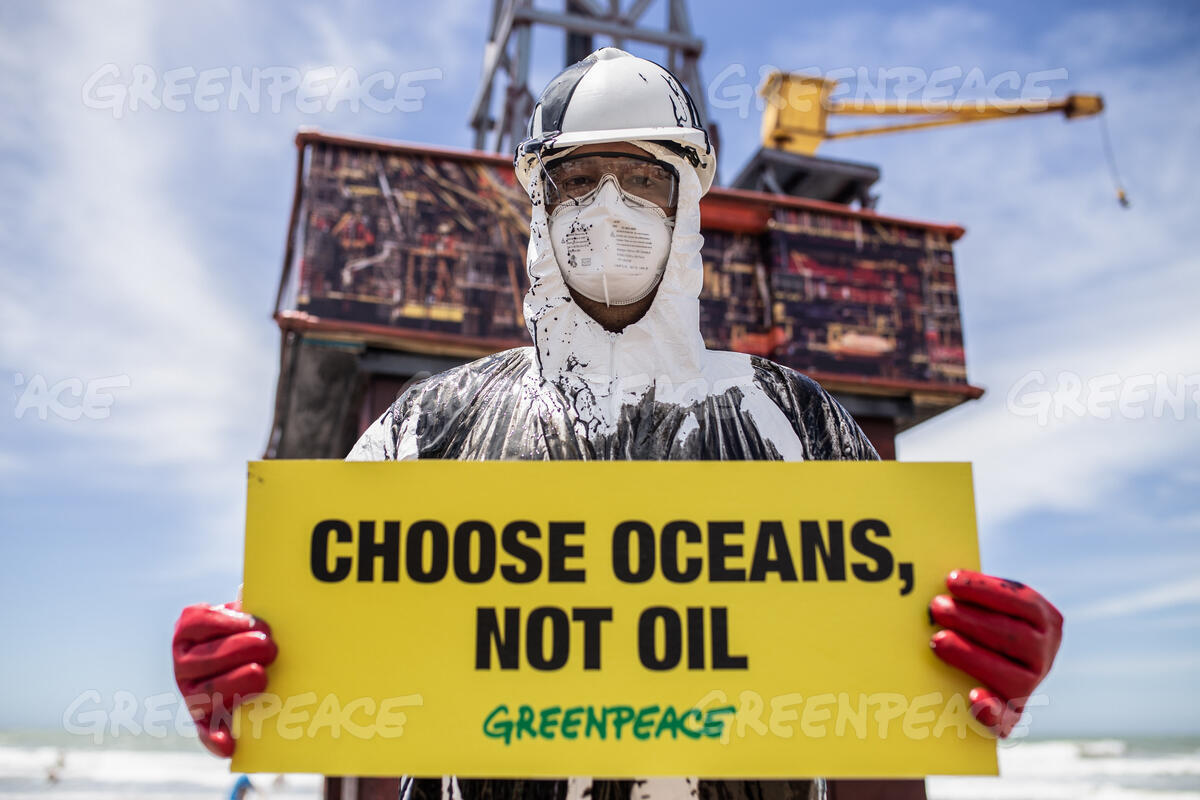
    Greenpeace image, sign reads CHOOSE OCEANS, NOT OIL
    Greenpeace image, sign reads CHOOSE OCEANS, NOT OIL

    https://www.reuters.com/world/uk/greenpeace-loses-legal-challenge-uks-new-north-sea-oil-gas-licenses-2023-10-19/

    LONDON, Oct 19 (Reuters) – Britain’s decision to authorise new licences for oil and gas exploration in the North Sea was lawful, London’s High Court ruled on Thursday, dismissing a legal challenge by Greenpeace.

    The environmental campaign group had argued Britain’s failure to assess the greenhouse gases produced by consuming oil and gas – so-called end-use or downstream emissions – rendered its offshore energy plan unlawful.

    But lawyers representing Britain’s Department for Energy Security and Net Zero said at a hearing in July that ministers were not required to assess end-use emissions, though they nonetheless considered them.

    Judge David Holgate rejected Greenpeace’s case on Thursday, saying in a written ruling that the decision not to assess end-use emissions was not irrational.

    …

    Greenpeace said it planned to appeal the ruling.

    …

  • More than 200 scientists from 19 countries want to tell us the Southern Ocean is in trouble

    Spread the love
    Pat James, Australian Antarctic Division

    Andrew J Constable, University of Tasmania and Jess Melbourne-Thomas, CSIRO

    While the Southern Ocean around Antarctica has been warming for decades, the annual extent of winter sea ice seemed relatively stable – compared to the Arctic. In some areas Antarctic sea ice was even increasing.

    That was until 2016, when everything changed. The annual extent of winter sea ice stopped increasing. Now we have had two years of record lows.

    In 2018 the international scientific community agreed to produce the first marine ecosystem assessment for the Southern Ocean. We modelled the assessment process on a working group of the Intergovernmental Panel on Climate Change (IPCC). So the resulting “summary for policymakers” being released today is like an IPCC report for the Southern Ocean.

    This report can now be used to guide decision-making for the protection and conservation of this vital region and the diversity of life it contains.

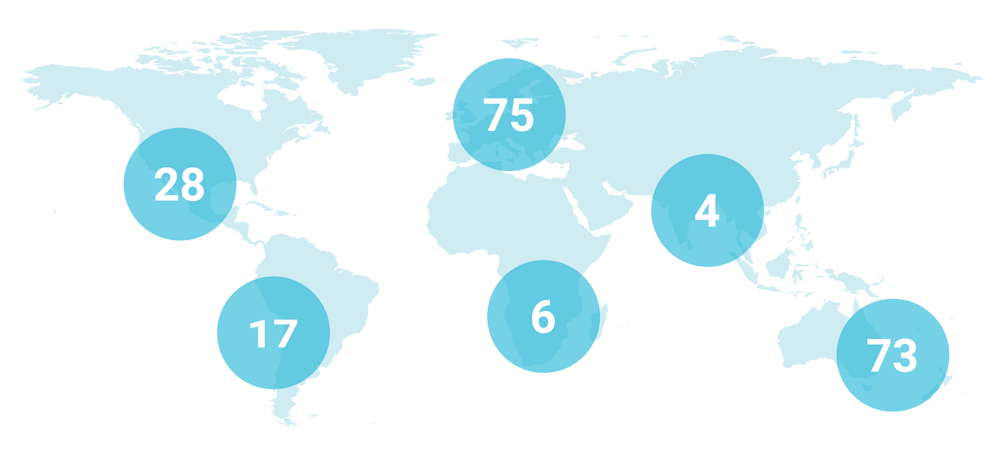
    Map showing the number of authors from different regions, illustrating the international nature of the assessment process.
    Global participation (numbers of authors from different regions) in the assessment.
    Constable, A.J. et al (2023) Marine Ecosystem Assessment for the Southern Ocean., CC BY-NC

    Why should we care about sea ice?

    Sea ice is to life in the Southern Ocean as soil is to a forest. It is the foundation for Antarctic marine ecosystems.

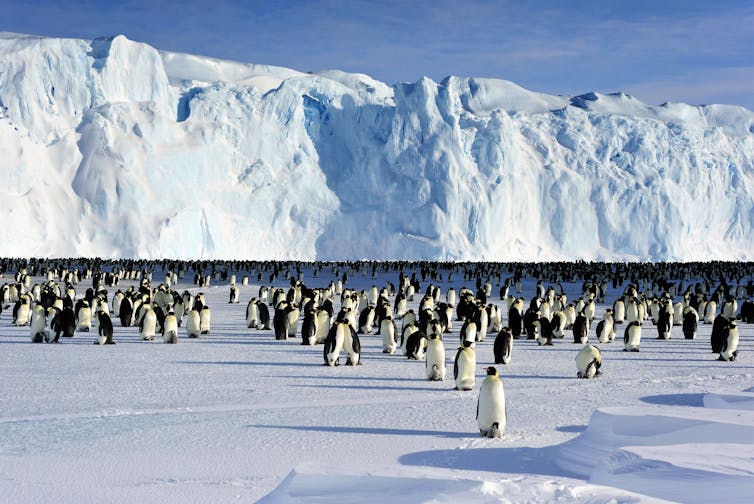
    Less sea ice is a danger to all wildlife – from krill to emperor penguins and whales.

    The sea ice zone provides essential food and safe-keeping to young Antarctic krill and small fish, and seeds the expansive growth of phytoplankton in spring, nourishing the entire food web. It is a platform upon which penguins breed, seals rest, and around which whales feed.

    The international bodies that manage Antarctica and the Southern Ocean under the Antarctic Treaty System urgently need better information on marine ecosystems. Our report helps fill this gap by systematically identifying options for managers to maximise the resilience of Southern Ocean ecosystems in a changing world.

    An open and collaborative process

    We sought input from a wide range of people across the entire Southern Ocean science community.

    We sought to answer questions about the state of the whole Southern Ocean system – with an eye on the past, present and future.

    Our team comprised 205 authors from 19 countries. They authored 24 peer-reviewed papers. We then distilled the findings from these papers into our summmary for policymakers.

    We deliberately modelled the multi-disciplinary assessment process on a working group of the IPCC to distill the science into an easy-to-read and concise narrative for politicians and the general public alike. It provides a community assessment of levels of certainty around what we know.

    We hope this “sea change” summary sets a new benchmark for translating marine research into policy responses.

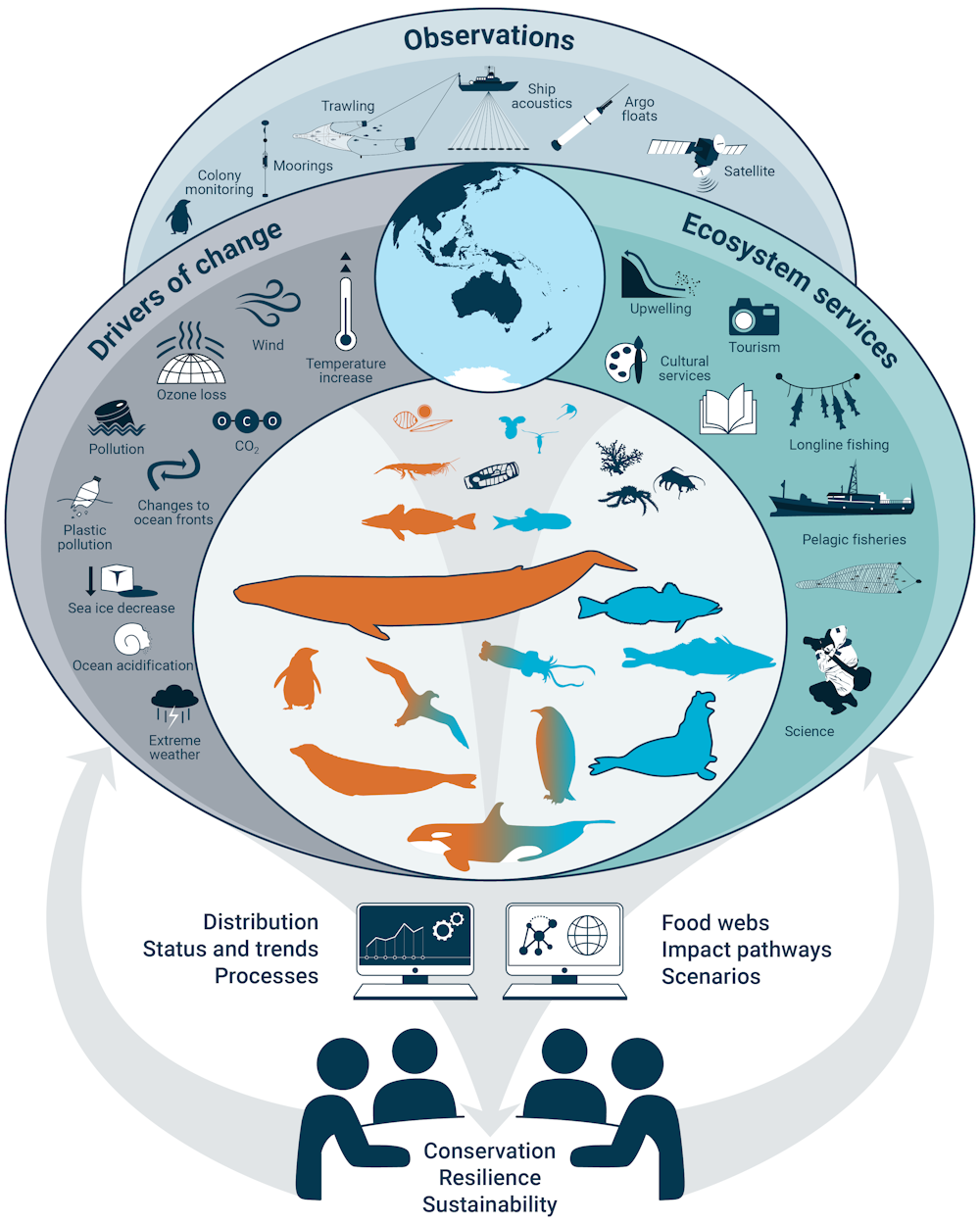
    A graphic illustrating how the system-level assessment of marine ecosystems came together, showing a group of people at a table with concentric circles in the background including observations, drivers of change and ecosystem services
    Our system-level assessment addressed the multiple drivers of ecosystem change in the Southern Ocean.
    Constable, A.J. et al (2023) Marine Ecosystem Assessment for the Southern Ocean., CC BY-NC

    So what’s in the report?

    Southern Ocean habitats, from the ice at the surface to the bottom of the deep sea, are changing. The warming of the ocean, decline in sea ice, melting of glaciers, collapse of ice shelves, changes in acidity, and direct human activities such as fishing, are all impacting different parts of the ocean and their inhabitants.

    These organisms, from microscopic plants to whales, face a changing and challenging future. Important foundation species such as Antarctic krill are likely to decline with consequences for the whole ecosystem.

    The assessment stresses climate change is the most significant driver of species and ecosystem change in the Southern Ocean and coastal Antarctica. It calls for urgent action to curb global heating and ocean acidification.

    It reveals an urgent need for international investment in sustained, year-round and ocean-wide scientific assessment and observations of the health of the ocean.

    We also need to develop better integrated models of how individual changes in species along with human impacts will translate to system-level change in the different food webs, communities and species.

    What’s next?

    Our report will be tabled at this week’s international meeting of the Commission for the Conservation of Antarctic Marine Living Resources in Hobart.

    The commission is the international body responsible for the conservation of marine ecosystems in the Southern Ocean, with membership of 26 nations and the European Union.

    It is but one of the bodies our new report can assist. Currently assessments of change in habitats, species and food webs in the Southern Ocean are compiled separately for at least ten different international organisations or processes.

    The Southern Ocean is a crucial life-support system, not just for Antarctica but for the entire planet. So many other bodies will need the information we produced for decision-making in this critical decade for action on climate, including the IPCC itself.

    Beyond the science, the assessment team has delivered important lessons about how coordinated, collaborative and consultative approaches can deliver ecosystem information into policymaking. Our first assessment has taken five years, but this is just the beginning. Now we’re up and running, we can continue to support evidence-based conservation of Southern Ocean ecosystems into the future. The Conversation

    Andrew J Constable, Adviser, Antarctica and Marine Systems, Science & Policy, University of Tasmania and Jess Melbourne-Thomas, Transdisciplinary Researcher & Knowledge Broker, CSIRO

    This article is republished from The Conversation under a Creative Commons license. Read the original article.