UNIONS will be taking legal action against the government’s strike-buster agency worker regulations after the High Court granted permission for the challenge today. [yesterday]
The judicial review of anti-worker rules has been brought by 11 trade unions, co-ordinated by the TUC, to protect the right to strike.
Reports suggest that the government is considering new ways to undermine industrial action amid a surge in strikes across the country.
The 11 unions — Aslef, BFAWU, FDA, GMB, NEU, NUJ, POA, PCS, RMT, Unite and Usdaw — have taken up the case against the government’s new regulations, which allow agency workers to fill in for striking workers.
The unions argue that the regulations are unlawful as ministers failed to consult unions as required by the Employment Agencies Act and as they violate fundamental trade union rights protected by Article 11 of the European Convention on Human Rights.
…
Category: Cost of Living crisis
High Court gives unions green light to challenge government’s anti-strike regulations
30 million in UK ‘priced out of decent standard of living by 2024’

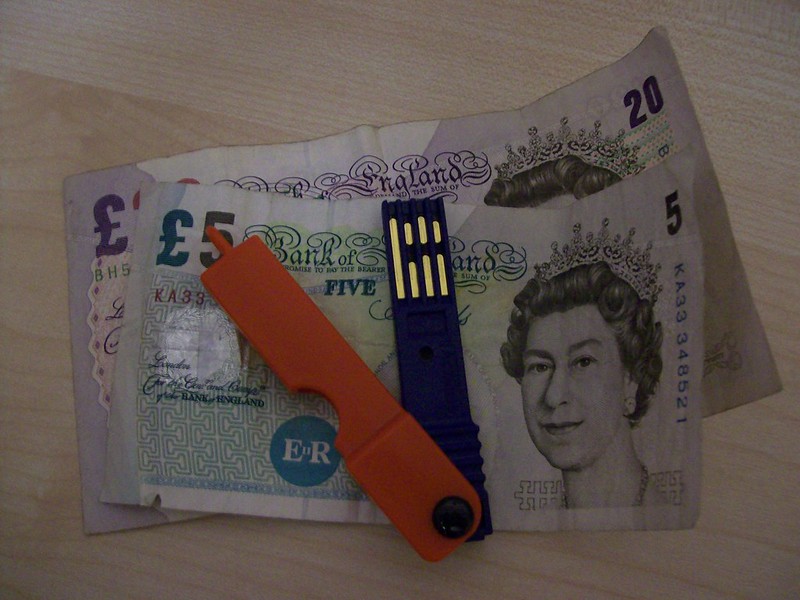
Image of cash and pre-payment meter key Thirty million people in the UK will be unable to afford what the public considers to be a decent standard of living by the time the current parliament ends in 2024, according to a study.
The New Economics Foundation, a left-leaning thinktank, said rising prices, below-inflation increases in earnings and projected increases in unemployment would result in 43% of households lacking the resources to put food on the table, buy new clothes or treat themselves and their families – a 12 percentage point rise compared with 2019.
The NEF said its calculation that by 2024 almost 90% of single parents and 50% of workers with children would fall below a minimum income standard showed the need for a radical overhaul of the welfare system.
…
Jeremy Corbyn clearly illustrates why nurses’ pay demand is affordable

Jeremy Corbyn MP, former leader of the Labour Party …
The prime minister Rishi Sunak has argued the RCN’s inflation-busting pay claim is “unaffordable”.
However, the former leader of the Labour Party Jeremy Corbyn has summed up why this is palpably untrue. He tweeted, “The cost of meeting nurses’ demand for an inflation-busting pay rise: £1.6 billion. The cost of Rishi Sunak’s bank tax giveaways: £7.3 billion. If we can afford handouts for the rich, we can afford to meet the basic needs of those who keep this country afloat.”
While the government is content to give tax breaks and handouts to the mega-rich, they’re leaving the people who keep the NHS running to chose between heating and eating.
Millions of pensioners face ‘winter from hell’ as temperatures drop below freezing
…
Age UK says research has revealed that more than 10 million older people have already cut back on heating in their homes for fear of soaring bills.
Energy prices in the UK last month became the highest in the world.
Caroline Abrahams, Age UK’s charity director, said: “We know that rising energy prices will put nearly a third of older households in fuel poverty this winter, meaning older people in approaching three million homes will be worrying about how to keep warm as temperatures plummet this week.
…
Pre-payment meters are forcing people to live in cold and damp homes, research reveals
Image of cash and pre-payment meter key PRE-PAYMENT meters are forcing people to live in cold and damp homes, more than half of whom have poor health or disabilities, research by campaigners revealed today.
Some 64 per cent of customers on pre-payment meters are vulnerable, even before the predicted cold snap kicks in and increases energy bills, with 51 per cent having health conditions or disabilities, according to the figures collected by YouGov for the Warm This Winter campaign.
More than 10 per cent of customers on those meters have effectively self-disconnected by massively reducing their energy use.
More than 30 per cent of such customers now live in cold damp homes, more than the national average of 19 per cent.
Among the people on pre-payment meters and classified as vulnerable, 14 per cent are disconnecting and 36 per cent now living in a cold, damp home.
Publication of the research coincides with recent reports revealing that energy firms have secured almost 500,000 court warrants to instal pre-payment meters in the homes of customers in debt since the end of the coronavirus lockdown.
…