The Labour leader was appearing on Times Radio on Thursday when he quizzed on briefings from senior figures within his own party that he was planning to fill the House of Lords with “dozens” of new peers – despite previous pledges to abolish the chamber altogether.
Anti-boycott law would have forced public bodies to do business with racist South Africa in the 1980s – and will force them to do business with apartheid, racist Israel now
Parliamentary friends of apartheid visit the illegal wall
The government has published its ‘anti-boycott bill’, which aims to prevent public bodies from choosing not to use products or services from countries with appalling human rights records – and in particular, to neuter the pro-Palestinian ‘Boycott, Divestment and Sanctions’ (BDS) campaign against the use of products, services and companies involved in illegal Israeli expansion onto Palestinian territory.
BDS has long been targeted by official and ‘cut-out’ organisations of the Israeli government, which has rightly been condemned by human rights organisations such as Amnesty International and, in Israel, B’Tselem, for its apartheid policies that the latest hard-right regime is entrenching even further – and the apartheid regime is avidly supported by the Tories (and ‘without qualification’ by the so-called ‘opposition leader’ Keir Starmer.
So there is no expectation of any significant parliamentary opposition to the bill and it is left to human and civil rights campaigners and organisations to mount resistance, such as Liberty, which has today published a statement on the anti-democratic bill, co-signed by unions, human rights groups and others, noting that such a policy would have forced public bodies to do business with apartheid South Africa and scuppered the campaign that eventually helped bring down that regime:
As a group of civil society organisations made up of trade unions, charities, NGOs, faith, climate justice, human rights, cultural, campaigning, and solidarity organisations, we advocate for the right of public bodies to decide not to purchase or procure from, or invest in companies involved in human rights abuse, abuse of workers’ rights, destruction of our planet, or any other harmful or illegal acts. We therefore oppose the government’s proposed law to stop public bodies from taking such actions.
The government has indicated that a main intention of any legislation is to ensure that public bodies follow UK foreign policy in their purchasing, procurement, and investment decisions, particularly relating to Israel and Palestine. We are concerned that this would prevent public bodies from deciding not to invest in or procure from companies complicit in the violation of the rights of the Palestinian people. We affirm that it is the right of public bodies to do so, and in fact a responsibility to break ties with companies contributing to abuses of rights and violations of international law in occupied Palestine and anywhere else where such acts occur.
From bus boycotts against racial segregation to divestment from fossil fuel companies to arms embargoes against apartheid, boycott, divestment, and sanctions campaigns have been applied throughout history to put economic, cultural, or political pressure on a regime, institution, or company to force it to change abusive, discriminatory, or illegal policies. If passed, this law will stifle a wide range of campaigns concerned with the arms trade, climate justice, human rights, international law, and international solidarity with oppressed peoples struggling for justice. The proposed law presents a threat to freedom of expression, and the ability of public bodies and democratic institutions to spend, invest and trade ethically in line with international law and human rights.
We call on the UK government to immediately halt this bill, on opposition parties to oppose it and on civil society to mobilise in support of the right to boycott in the cause of justice.
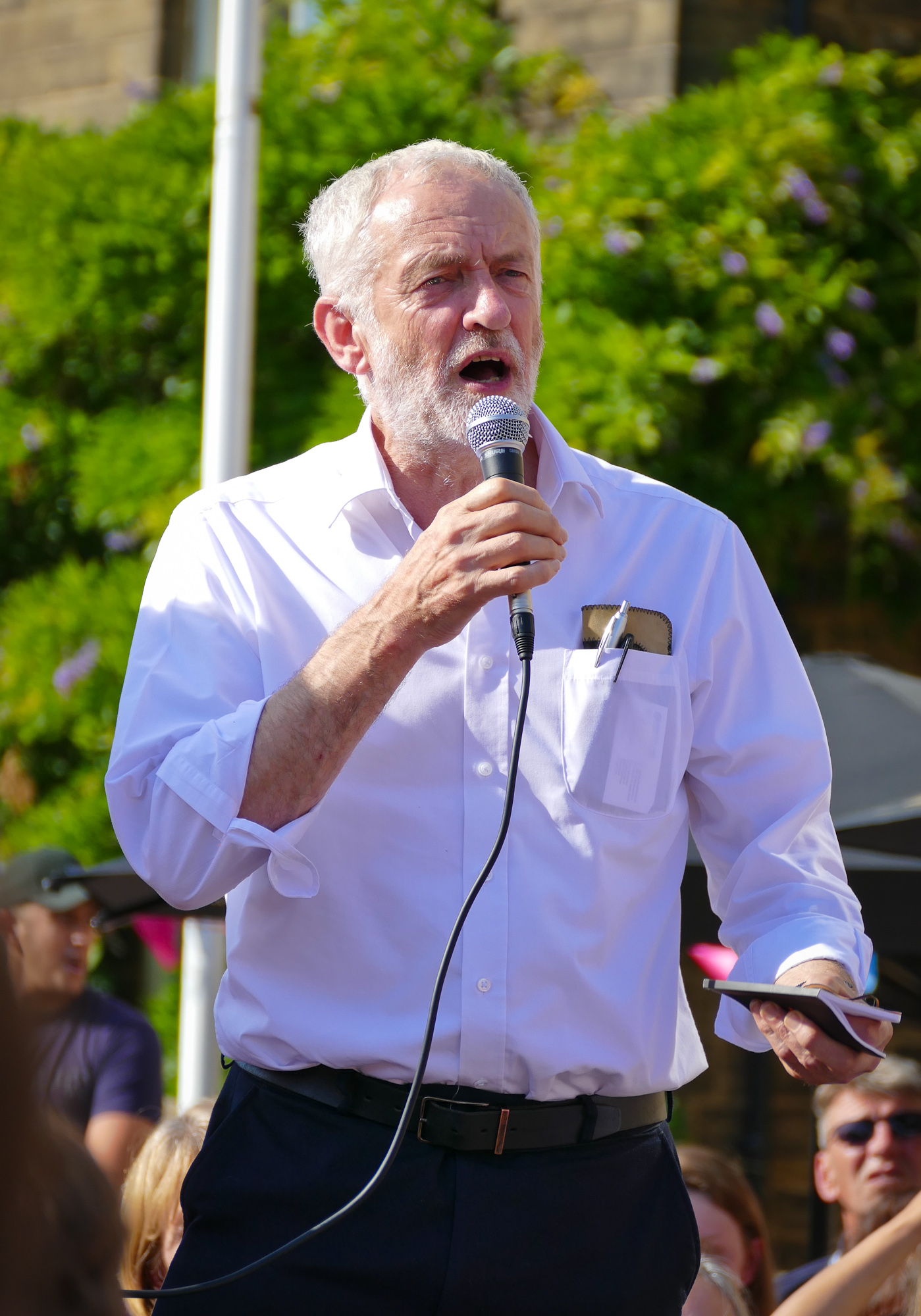
Former Labour leader Jeremy Corbyn has also spoken out to underline the importance of BDS in opposing apartheid and pledge his support in fighting the latest anti-democracy bill:
Boycott, divestment and sanctions helped end apartheid in South Africa.
They will be essential to ending the apartheid regime in Israel, too.
I will firmly oppose the government’s anti-BDS bill — a disgraceful attack on our freedom to fight for human rights, justice and peace.
The evening has also seen the Glastonbury festival cancel its planned showing of the excellent film exposing the sabotage of Corbyn’s Labour and the smear campaign against him – many are presuming that his principled stand and the cowardly Glastonbury decision are not unconnected.
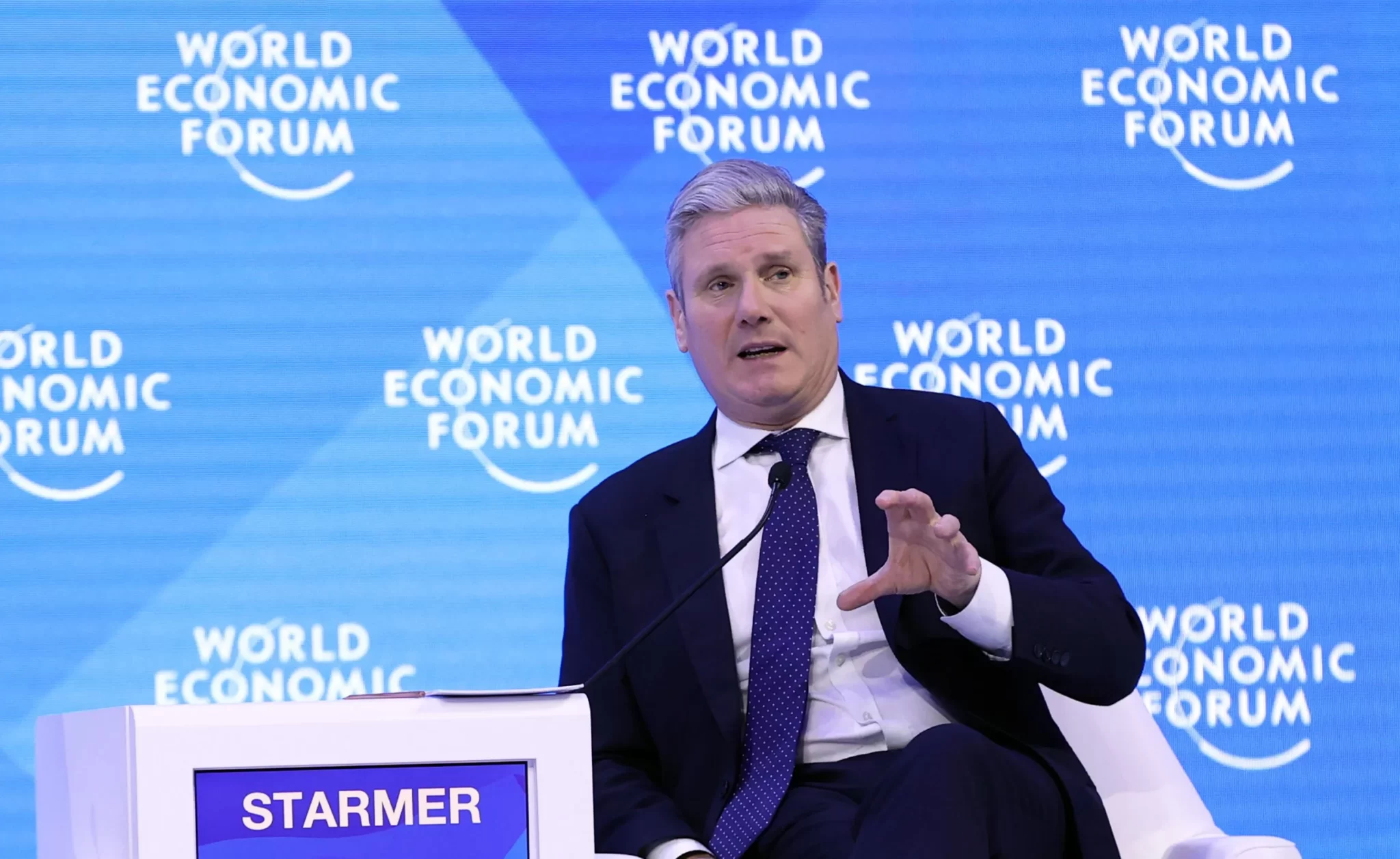
EVERYONE who works in or depends on the NHS should be deeply concerned at Keir Starmer’s vision for the service.
Like so many cheerleaders for public-sector “reform” — which has invariably meant fragmentation and privatisation over the last 40 years — he accuses those calling for higher investment of avoiding the big issues. Yet that is what he is doing.
Starmer dodges questions on NHS pay, despite ongoing disputes involving doctors, nurses, paramedics, porters and domestics.
These disputes have prompted the biggest strikes in NHS history this year — but Labour is “not focused” on pay rises, he says.
That’s not good enough from the leader of a party founded to represent organised labour. Especially since we know from his previous comments that they regard inflation-proofed pay demands as “unaffordable.”
…
Starmer says the NHS cannot cope with more years of Tory government, and he is right. But on a prospectus like this — no promises on investment, no promises on pay, blind faith in “technology” and continued exploitation by the private sector — its agony would continue on his watch, too.
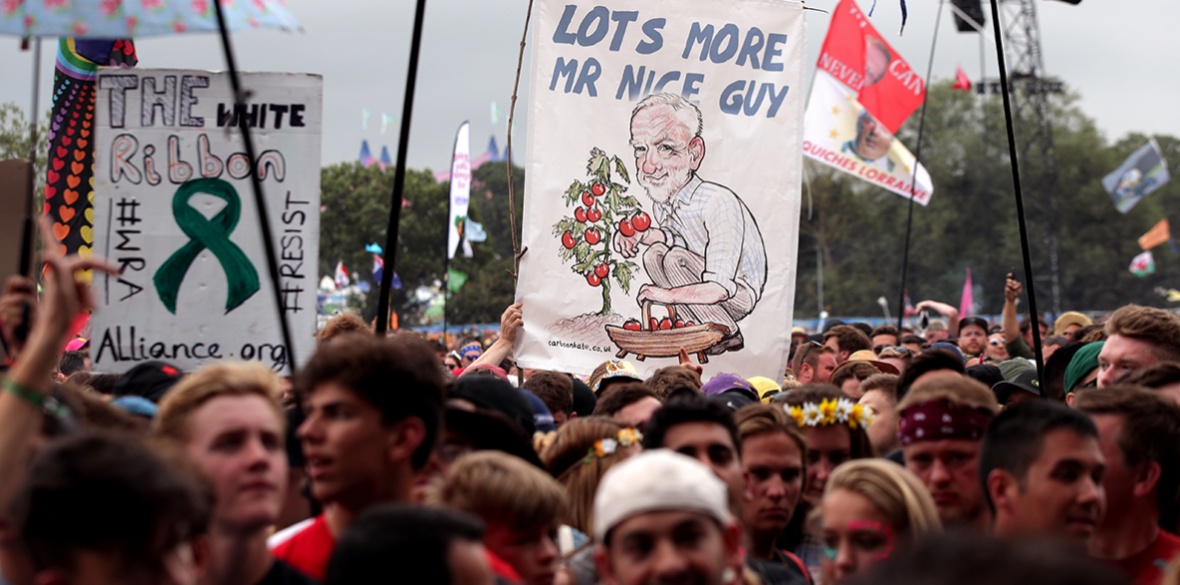
The crowd hold up banners at the Pyramid stage as they wait for Jeremy Corbyn to appear on stage at Glastonbury Festival, at Worthy Farm in Somerset, June 2017
LABOUR’S answer to a petition to restore the whip to Jeremy Corbyn reaching 70,000 signatures will echo that to his constituency party’s near-unanimous vote this week to give it the right to select its own parliamentary candidate — that it carries “no weight at all.”
The leadership’s indifference to the views of the entire local party membership at least underlines one thing — the completely anti-democratic character of Keir Starmer’s party.
There is no attempt to engage with, refute or even explain to curious journalists why Starmer’s excommunicated predecessor gets such a resounding vote of confidence from those who know him best. Simply a reassertion that their opinions don’t matter.
Labour’s leadership has repeatedly demonstrated this view. Starmer’s adoption and later betrayal of 10 now infamous pledges to win the leadership shows that he is both aware of members’ opinions and determined to suppress them.
It is precisely because the Labour machine already knows how members feel that it has used such dirty tricks to get its way — from Starmer’s refusal to restore the whip to Corbyn after his party membership was confirmed by the national executive in 2020, through trawling social media records to find years-old “offences” to expel people for, to the rigging of selection processes and suspension of entire constituency parties.
MP wins backing of local Labour Party in Islington North ahead of the next general election
Jeremy Corbyn MP, former leader of the Labour Party
JEREMY Corbyn has told the local Labour Party in Islington North that he wants to “carry on” with his job as the area’s MP.
With the party blocking him from standing again, members of the constituency Labour Party almost unanimously passed a motion calling for them to have the democratic right to select their own candidate for the next general election.
Ninety-eight per cent voted in favour of the motion, with 60 voting in support and one member abstaining. No one spoke against the motion.
Mr Corbyn himself attended the meeting, which he is allowed to despite having the party’s parliamentary whip removed by leader Sir Keir Starmer. The party’s National Executive Committee in March approved its own motion, brought by Mr Starmer, barring Mr Corbyn from standing for Labour again.
Mr Corbyn, however, thanked members for their support and told them: “I love my job and I want to carry on doing it.”