Original article by Will Dinan republished from The Conversation under a Creative Commons Attribution-No Derivatives licence.
A public interest ban on big oil and gas companies engaging with and influencing politicians could be in the pipeline as the European Parliament is hosting a hearing on fossil fuel lobbying on February 14.
Something similar is already in place for the tobacco industry in order to safeguard public health. The European Parliament is set to examine what lessons can be learned to protect the environment from the harms associated with continued use of fossil fuels.
The context here is important. Restrictions on tobacco lobbyists, known as the Framework Convention on Tobacco Control (FCTC), came into force in 2005 and are legally binding in 182 countries. Among other relevant restrictions, Article 5.3 of the convention states that: “Parties shall act to protect [their public health] policies from commercial and other vested interests of the tobacco industry.”
The restrictions were promoted by the World Health Organization to protect public health, in the wake of class action lawsuits in the US demonstrating clearly that the tobacco industry had misled governments and regulators, and covered up the scientific evidence pointing to tobacco harms.
The parallels with Big Oil are increasingly obvious. Litigation in the US has shown that some of the major oil companies actively engaged in deception, denial and increasingly now delay tactics. But delaying policies to address the climate emergency pose a huge societal risk. This is what is at stake in Brussels.
The oil industry insists on its right to democratic participation. But the European Parliament hearing will consider whether the industry has acted in bad faith, and whether it is time to develop new laws and guidelines to manage the risks and harms associated with fossil fuels.
Dominating discussions
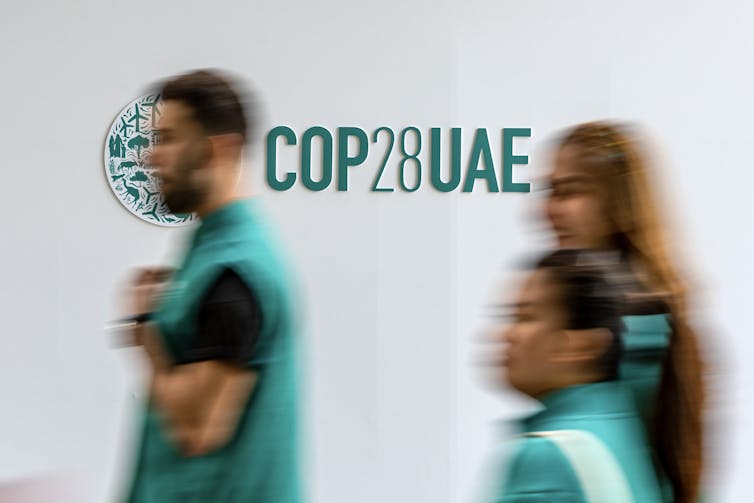
There is increased awareness that current climate policies are not addressing the scale of the climate crisis. Fossil fuel interests dominated recent COP meetings, promoting a number of industry-friendly narratives such as an emphasis on reducing emissions rather than fossil fuel production itself, and a commitment to tackling only “unabated” fossil fuel use. This is code for continuing to burn fossil fuels, but to try to abate some of the emissions using as yet unproven carbon capture technologies.
Many leading climate scientists are growing increasingly concerned about the continued influence of oil and gas lobbyists. The industry still enjoys privileged access to the highest reaches of decision making in Europe. The EU’s delegation to the recent COP28 included over 130 oil and gas industry lobbyists.
For the past few years some of the leading environmental groups in Brussels have been boycotting events where oil and gas lobbyists are participating, to try to disrupt what they term the capture of energy policy by fossil fuel interests through sponsorships, partnerships and official collaborations. Lobbying disclosures on the EU’s Transparency Register show that fossil fuel interests are among the biggest spenders and most active lobbyists in Brussels.
The industry has unfettered access to senior officials and politicians, and has the deepest of pockets to pay for lobbyists, event sponsorships and employ experts to participate in technical and regulatory meetings in Brussels that inform EU policy. It is therefore little wonder that environmentalists and some Members of the European Parliament want to rethink the relationship between the fossil fuel industry and politics.
Those working for oil and gas interests in Brussels are unlikely to welcome parallels being drawn between their sector and the tobacco industry. They insist that all interests have the right to legitimately participate in policy making (and in so doing they are defending their privileged position), and that the technical expertise of oil and gas companies is needed in the energy transition.
Recently, the industry has used concerns about energy supply since the conflict in Ukraine to propose renewed gas exploration within Europe. This is part of a new policy agenda that prioritises Europe’s “strategic autonomy” on energy issues, and in the view of oil and gas lobbyists necessitates increased reliance on fossil fuels – and existing infrastructure – in the short to medium term.
Another parallel with the tobacco industry is perhaps instructive here. The tobacco industry has been accused of promoting vaping as a health tool (since it claims vaping is an effective smoking cessation technology). But vaping has had the impact of hooking a huge number of young people into a new habit and creating another generation of tobacco industry customers.
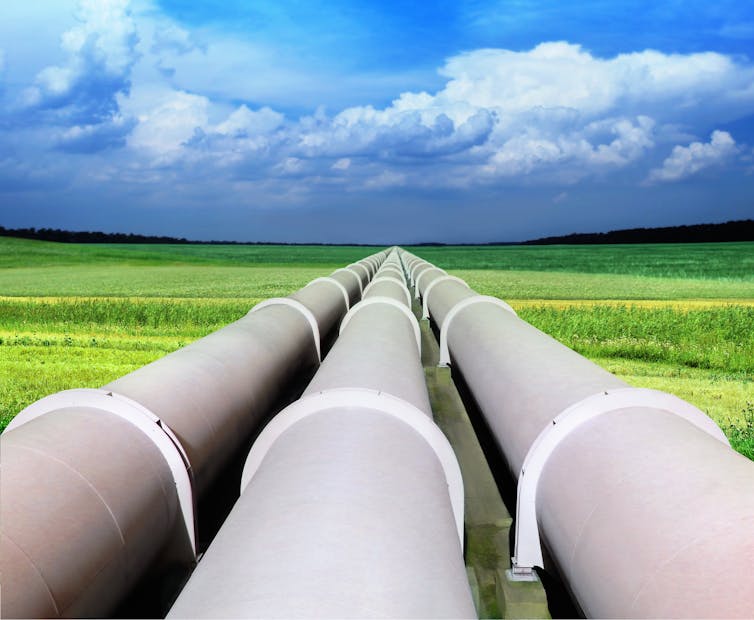
Similarly, the fossil fuels industry has been heavily promoting the idea of gas as a transition fuel, and lobbying for the continued investment in gas exploration and exploitation, which will mean continued use of pipelines and industry infrastructure for many years to come.
With industry lobbyists working to “lock in” fossil fuels, and environmentalists considering how to “lock out” fossil fuels from policy making, the hearing in the European Parliament should be instructive. What happens with lobbying will give a sense of how Europe will grapple with the challenges of the transition to low carbon energy.
Original article by Will Dinan republished from The Conversation under a Creative Commons Attribution-No Derivatives licence.
You might also like
From the Paris agreement to COP28, how oil and gas giants try to influence the global climate agenda
Electrifying offshore platforms targets a tiny fraction of the oil industry’s emissions

Big Tobacco is funding the anti-smoking lobby – but leaked documents reveal the real reason why