Campaigners call for east coast rail franchise to stay in public hands

Spread the love

http://www.theguardian.com/uk-news/2013/oct/08/rail-east-coast-public

Rail unions and MPs say state-owned operator’s success means government should rethink return of franchise to private sector
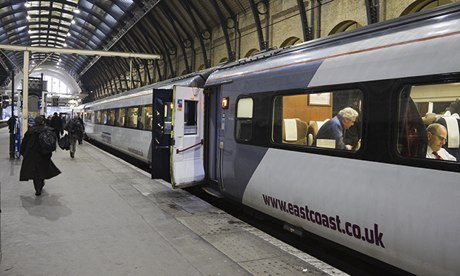
Image of an East Coast trainCampaigners have renewed calls to keep the east coast mainline rail franchise in public hands after the state-owned operator revealed it returned £208.7m to the taxpayer last year, a rise of 6.6%.

Directly Operated Railways, the Department for Transport-owned company behind East Coast, said revenue had risen 4.2% and record levels of customer satisfaction had been reached in the year 2012-13 – although that has since fallen after a series of delays on the line.

Karen Boswell, the managing director of East Coast, said: “We’ve been able to show increased growth year on year and I expect next year to be even stronger.”

She ascribed the positive results to leadership, investment and increased employee engagement.

Mick Whelan, the general secretary of the train drivers’ union Aslef, said: “These latest figures show why we need to keep the east coast in the public sector. It’s a key tool against which we can measure the success or failure of the privatised train operating companies.

“Each year these companies are pushing up prices for passengers and moving hundreds of millions of pounds in dividends to shareholders, often offshore, money which could and should be used to hold down fares and provide vital investment in Britain’s railway network.”

Related: East Coast rail service costs taxpayers less than private lines, report reveals
Continue ReadingCampaigners call for east coast rail franchise to stay in public hands

Royal Mail shares demand outstrips supply

Spread the love

http://www.theguardian.com/uk-news/2013/oct/08/royal-mail-shares-demand-outstrips-supply

Huge interest among members of the public will hit institutional investors, but hundreds of staff refuse allocation of free shares

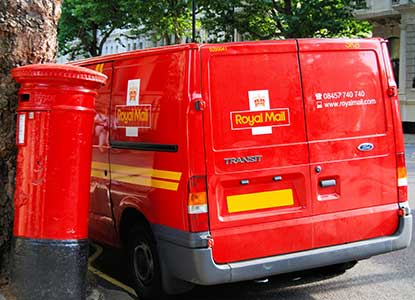
Image of post office van next to postbox

Dozens of banks, hedge funds and other institutional investors will be prevented from buying any Royal Mail shares as demand for stakes in the privatisation hugely outstrips supply.

Institutional investors are thought to have ordered more than 10 times the number of shares available, meaning only those that offered to pay the maximum £3.30-a-share will be able to buy any stock – and even then they will not collect anywhere near the amount they requested.

A £3.30 share price values Royal Mail at £3.3bn and will see the government collect £2bn from the 60% of the business being sold. A further 10% is being given to Royal Mail’s 150,000 employees – each will collect shares worth about £2,200.

The original government price range for the shares – set on the advice of investment banks UBS and Goldman Sachs, which collected millions in advisory fees – had been between £2.60-£3.30. If the government had priced the shares at £4 it would have collected an extra £400m for taxpayers.

The amount of shares available to banks will be decreased to ensure the government meets the majority of orders from the public. The 10% of the shares reserved for employees are being distributed for free but it was revealed that 368 staff had refused to take up their allocation.

Continue ReadingRoyal Mail shares demand outstrips supply

Andrew Lansley’s lobbying Bill is still a ‘dog’s breakfast’

Spread the love

http://www.independent.co.uk/news/uk/politics/andrew-lansleys-lobbying-bill-is-still-a-dogs-breakfast-8861358.html

Charities caught up in confusing legislation intended to regulate lobbyists and lobbying

Andrew Lansley’s last-minute efforts to revamp the heavily criticised lobbying Bill has meant the Government has spent the last month in “a headless chicken run” on flawed legislation that will have a “chilling effect” on the efforts of charities and campaigning organisations, according to an electoral lawyer and a rights activist.

Mr Lansley, the controversial former health secretary who is now Leader of the Commons, is again under fire after the Government last week published a series of amendments designed to improve the Bill, described in August by the head of the Commons constitutional reform select committee, Graham Allen, as a “dog’s breakfast”.

The Commons will revisit Mr Lansley’s awkwardly-named “Transparency of Lobbying, Non-party Campaigning and Trade Union Administration Bill” on Tuesday. However, the claimed “improvements” made after Mr Allen’s committee questioned the House leader last month appear to have made the legislation even worse.

<original content snipped>

27/11/13 Having received a takedown notice from the Independent newspaper for a different posting, I have reviewed this article which links to an article at the Independent’s website in order to attempt to ensure conformance with copyright laws.

I consider this posting to comply with copyright laws since
a. Only a small portion of the original article has been quoted satisfying the fair use criteria, and / or
b. This posting satisfies the requirements of a derivative work.

Please be assured that this blog is a non-commercial blog (weblog) which does not feature advertising and has not ever produced any income.

dizzy

Continue ReadingAndrew Lansley’s lobbying Bill is still a ‘dog’s breakfast’

The Royal Mail sale is grotesquely illogical

Spread the love

Guardian source

Image of post office van next to postbox

“There’s no way we will sell Royal Mail ‘on the cheap,'” promised the government in its “myth-busters” factsheet. Yet this is precisely what it is doing; the valuation is believed by many experts to be on the embarrassingly low side. Experts from Panmure Gordon say that its lower value estimate of £2.6bn could be undervalued by up to £1.9bn pounds, or over 40%. Labour points out that the valuation does not seem to include up to £1bn of property assets – such as the Mount Pleasant or Nine Elms sites in London. Add to this that Royal Mail has an accumulated backlog of tax credits of about £2.8bn, which means that it is expected not to pay any tax for between five and 10 years. And here is the kicker – not only is this government selling the service significantly under any sensible valuation, it is retaining its biggest liability – pensions. Why wouldn’t there be frenzy for its undervalued, no-strings-attached shares?

“But anyone can buy shares,” point out the sale’s proponents. Indeed, provided that “anyone” has between £750 and £10,000 to spare and access to a broker or enough savvy to buy privately. Even then, one would be paying for a tiny amount of shares in something that we all jointly own already and end up not really owning it. The government itself forecasts that seven out of 10 shares will be bought “by big institutions in the City and overseas”. The apotheosis of the cockamamie logic surrounding the sale, is the idea that some of the City institutions set to make a killing may own our pensions. This, apparently, makes everything alright. The state is selling a valuable, profit-making asset, substantially below market value, in the vague hope that some of the corporate entities who buy it may happen to hold your pension.

“Look,” explained James Max on Sky News, “let’s get it off the balance sheet and reduce national debt,” echoing the sentiments of those in support. This is where the rationale of this fire sale really crumbles. Royal Mail is profitable. During the last financial year it showed an operating profit of over £400m. According to the government’s own literature, “the company is on the road to sustained profitability”. It is in a position to make a positive contribution to state coffers. Selling it does not decrease the budget deficit, it increases it.

Continue ReadingThe Royal Mail sale is grotesquely illogical

I’ve been wondering … and the problem is that

Spread the love

I’ve been wondering what it takes to start an investigation by the police into a crime. I would expect that it would just be reasonableness that a crime has been committed. I wouldn’t expect much interest in trivial crimes like shoplifting or minor criminal damage but I would expect more interest in more serious issues like murder, incitement to murder, terrorism, etc.

and the problem is that it’s not normal criminals that are doing this. Instead it’s governments, police chiefs and international criminals protected by privy council above-governmental dictat according to some above-law divine protocol.

Don’t look at this the protocol says … this is above justice …

Instead the privy council dictat says everyone invited to G8 2005 are above UK laws. They can’t even be arrested or questioned. They are above the law. These Neo-Con cnuts can do what they like without any legal recourse …

They can’t even be arrested or questioned

They can commit murder or mass-murder without even being arrested or questioned

If these b’stards did the 7 July 2005 bombings they could not be arrested or even questioned because of a privy council dictat made by Tony Blair

next post

Later edit: I’m very pleased that at least some journalists are better informed now. I’m not really sure that that makes any difference since I’ve been warned of journalists being carp.

I wonder if journalists were so carp that they weren’t even aware of this coded bs

Isn’t it there every day on the sun?

Continue ReadingI’ve been wondering … and the problem is that