Category: nationalise

  • EXPANDED and UPDATED: Zack Polanski’s ‘reality check’ to the Prime Minister: act now on extreme heat emergency

    Spread the love

    At a press conference today, Zack Polanski delivered a ‘reality check’ to the Prime Minister as he sounded the alarm on the emergency of extreme heat and outlined three immediate actions he would take to tackle the crisis.

    After highlighting the multiple threats we face – to our safety, our food and water supply, and our way of life – Zack called for action to keep people cool and safe, taxes on oil and gas giants to fund our fire services, and public ownership of water to end the failed experiment of privatisation.

    Zack was joined on stage by an ex-soldier and engineer, a doctor, and a firefighter, who described the consequences of extreme weather they had seen in their work – as well as broadcaster and environmental campaigner Chris Packham who warned of the present and future risks of the climate crisis.

    “Trees reduced to charcoal”

    Zack started his press conference with a vivid description of the consequences of the extreme heat that has hit the UK this year.

    The day before he had witnessed the aftermath of the devastation caused by a wildfire in Oxfordshire.

    “Trees reduced to charcoal. Cars turned to burnt out wrecks. The smell of smoke still lingering in the air, on the site of what was once a thriving local business – now reduced to ash.

    “Wildfires. Literal scorched earth. And that looming sense that this is only the beginning.

    “These days feel exceptional, but what we’re living through right now are likely some of the least extreme summer temperatures we’ll experience in our lifetimes.”

    This is what climate failure looks like. Nature, homes and livelihoods are being destroyed. The Government must act now.

    — The Green Party of England & Wales (@greenparty.org.uk) 2026-08-05T11:01:03.072Z

    This is an alarm that needed sounding.

    The week before, while a wildfire the size of two hundred football pitches was raging across Suffolk, Zack had called on the Prime Minister to urgently call a COBRA meeting to address the crisis.

    Six days later, and with another heat alert having just ended, where is the Government response? There has been no COBRA meeting, no emergency briefing, no new plan.

    And so Zack stepped up to challenge the Prime Minister to act.

    “We are facing the biggest threat to this country since the Second World War”

    His challenge to the PM started with a stark reality check: “We are facing the biggest threat to this country since the Second World War.”

    “Extreme weather is now the new normal – and without action, the impact on the people of this country will be unimaginably grave.”

    And Zack broke down exactly what that impact will be.

    First, the threat to our safety.

    The dangers of extreme heat to our health are very real – especially for older people and those with pre-existing conditions – forcing people to stay indoors for days on end, to try to wait out the heat.

    Zack Polanski delivers ‘reality check’ to Burnham over ‘biggest crisis since WWII’ after summer of extreme heat

    — The Green Party of England & Wales (@greenparty.org.uk) 2026-08-05T11:30:36.274Z

    But the heat takes its toll.

    As Zack explained, “Almost three thousand people have died from the effects of extreme heat this summer.”

    Those “whose bodies were under such intense strain in trying to stay cool that their hearts or kidneys could no longer cope.”

    And then there are the fires – forcing hundreds to evacuate their homes, “while many thousands more wait anxiously with flames on the horizon and smoke in their lungs.”

    And Zack pointed to Europe as a warning of how bad things can get.

    “Hundreds of thousands evacuated. Half a million acres burnt.

    “The sheer scale of the devastation is hard to comprehend. But we need to look it in the face – because this is only a taster of what’s to come if we don’t act now.”

    Decimated crops, leaking pipes, and no new reservoirs since 1992

    After the danger to our physical safety, the second threat Zack identified concerned the basis of any society: our food and water supply.

    Half of England is currently experiencing serious drought, and eight of our water reservoirs are at risk of running dry.

    “The threat is so severe”, Zack said, “that the UK’s national risk register warns that if we had three years of exceptionally dry weather like this, we could face water rationing.”

    And what of the private water companies?

    The private water companies that haven’t built a single new reservoir since 1992.

    Well, they are losing nearly three billion litres of water a day from leaky pipes – or as Zack put it “five times more than a nationwide hosepipe ban would save”.

    Our farmers and growers, meanwhile, are on the frontlines of climate breakdown – facing in turn the extreme rainfall and flooding of recent winters, and the extreme heat and drought of our summers.

    Zack noted that despite farmers working through the nights to avoid the heat, food production has been hit by this chaotic combo of flooding and drought, and food prices are set to rise as a result.

    “A threat to our way of life”

    The third threat Zack named was far-reaching: the threat to our way of life.

    “Parents unable to take their children to the playground because the slides are so hot it could burn their skin off. Temperatures so high they keep us inside for days for the sake of our health. Cities feeling like ghost towns. Parks turned into deserts.”

    As climate change progresses – bringing more frequent, more damaging extreme weather – the way each of us lives our life will be more severely impacted.

    Zack Polanski holds a press conference to deliver an urgent message to Prime Minister Andy Burnham
    Zack Polanski holds a press conference to deliver an urgent message to Prime Minister Andy Burnham. (Photo: Aldo Ciarrocchi)

    And we don’t have to look far to see what may face us in the years ahead.

    Zack pointed to the “apocalyptic” scenes of “Wildfires. Droughts. Deadly floods.” coming out of Europe, noting that the continent “is heating at twice the rate of the rest of the world.”

    It is there for all of us to see.

    And yet the response from the Government, and most of the media, has been to look the other way.

    In Zack’s words: “It’s an astonishing dereliction of duty from those whose first responsibility is to keep us safe.”

    Zack’s demands for action: cool spaces, water in public hands, and taxing oil and gas giants to fund fire services

    The need for action is urgent.

    And Zack set out immediate steps the Prime Minister could take “to protect people right now and keep us safe from what we know is coming down the track.”

    “We need to keep people safe from extreme temperatures. That means a free, accessible cool space in every local area. And financial support for households to heatproof their home.”

    Secondly, Zack called for a robust wildfire prevention strategy – and a fire service with the resources it needs to tackle blazes when they come.

    “This should be funded,” Zack said, “by taxing the fossil fuel giants who are profiting from fuelling these infernos.”

    And thirdly Zack called for public ownership of our water.

    “To secure our water supply, prevent droughts and protect our food system we need to bring water back into public hands.”

    “Every penny households pay for their water needs to go back into strengthening our infrastructure, building new reservoirs, and protecting us from the droughts of the future.”

    Extreme weather is now the new normal.The Prime Minister must act like this is the emergency it is.

    — The Green Party of England & Wales (@greenparty.org.uk) 2026-08-05T10:15:07.597Z

    Zack’s message to the PM: “There can be no new drilling for oil and gas”

    Before handing the microphone over to the assembled experts, Zack finished with a powerful message direct to the Prime Minister.

    “If we are to secure a liveable future for our children and grandchildren, there can be no new drilling for oil and gas. On this, the science is crystal clear.

    “As politicians, we have a moral responsibility to do what’s right for the people we serve, even when it’s not politically convenient.

    “And I know that whatever our differences, we both care deeply about the people of this country – and the future of our world.

    “So when the time comes, I hope you will have the courage to be truthful, be brave – and hold firm to your party’s commitment to no new oil and gas drilling in the north sea – including both Rosebank and Jackdaw.

    “Some will say we can’t afford to make these changes. These last few weeks are showing we can’t afford not to.”

    “A dereliction of duty”: four expert voices on extreme heat

    Zack was followed by four speakers with unique expertise on the extreme heat emergency.

    First up was Carl Benfield, a former soldier and engineer, who since leaving the military has turned his engineering expertise to the challenges posed by climate breakdown.

    His view? “Climate change is the single greatest threat to human security that we face.”

    And his conclusion on successive governments’ failure to prioritise this threat was damning: “A government’s first duty is to keep its citizens safe. Ignoring extreme heat and raging fires isn’t just complacency, it’s a dereliction of duty.”

    He was clear about what’s required: “We need an immediate COBRA-level response. We need climate change reinstated at the top of our defence and security agenda. And we need the bold leadership of Zack Polanski for our nation.”

    "Ignoring extreme heat and raging fires isn't just complacency. It's a dereliction of duty."Experts warn the climate crisis is already costing lives and urgent action from the Government is needed.

    — The Green Party of England & Wales (@greenparty.org.uk) 2026-08-05T13:01:10.841Z

    Next to speak was London firefighter James Rodgers.

    His powerful testimony of a worker on the frontlines of extreme heat highlighted the immediacy of the crisis, and how rapidly the conditions in which firefighters work are changing due to extreme heat.

    “When people talk about climate change, they often talk about the year 2050. I’m a firefighter and I want to talk about now.”

    “Because for firefighters, climate change isn’t a prediction. It’s a shift we are already working.

    “Climate change is the fire call to multiple back gardens alight, children’s clothing burning on the washing line.

    “Climate change is the acrid smell as you affect entry into a flat because someone has succumbed to heat stroke and hasn’t been checked on in weeks. Climate change is the sound of people in floods of tears when they are stuck in a lift 20 floors up in 30 degree heat.

    “Climate change is the taste of dust in your dry mouth, watching a fire sweep uncontrollably across a park you used to play football in as a child in your summer holidays. Climate change is this becoming a day to day reality. ”

    Dr Veena Aggarwal speaks at the press conference on the emergency of extreme heat
    Dr Veena Aggarwal speaks at the press conference on the emergency of extreme heat. (Photo: Aldo Ciarrocchi)

    Next was Dr Veena Aggarwal, a GP in Bristol and the Climate and Sustainability Co-Lead and Clinical Adviser at the Royal College of GPs.

    She emphasised the growing danger to health, and – as with the fire services – the extreme pressure placed on health services by the heat:

    “As a GP, I’ve been seeing firsthand the health impact of the recent heat waves.

    “Ambulances are so stretched we couldn’t get an ambulance for a patient with sepsis or another one with very low oxygen levels, because the ambulance service was so completely overwhelmed.

    “The London Ambulance Service saw its busiest ever day during the heatwave in June, on 26th June. That’s even busier than the days at the height of the Covid pandemic emergency.

    “We’re seeing people having more asthma attacks; having flares up of their chronic lung disease so extreme they need to be in hospital; more people having heart attacks, strokes; or having falls and collapsing due to the heat, especially those who are frail and more vulnerable.”

    Dr Aggarwal also highlighted the impact of the heat on staff and patients in NHS buildings, the human cost of the heat waves, and the need for immediate action.

    “An extra almost 3000 deaths occurred within just one week in June during the heatwaves. That’s almost double what was recorded in that season in 2025. In Europe those deaths are 14,000 in that same period.

    “We need to act now. The climate crisis is a health crisis.”

    Chris Packham speaks at the press conference on the emergency of extreme heat
    Chris Packham speaks at the press conference on the emergency of extreme heat. (Photo: Aldo Ciarrocchi)

    The final speaker was broadcaster and nature campaigner Chris Packham.

    Chris was excoriating in his appraisal of the Government and media’s response to the climate crisis.

    Citing the same death figures as Dr Aggarwal, he said “If these deaths had been the result of terrorism or a pandemic, the Government would have cancelled its summer holiday.

    “There would have been COBRA meetings, and there would have been public information campaigns the likes of which we saw during Covid, designed to protect us in this time of crisis.”

    “And yet what do we get?

    “We get rumours of possibly more drilling for oil and gas, and we get articles in the Telegraph suggesting we ought to adapt to a Mediterranean climate…

    “If that isn’t reckless and irresponsible, I don’t know what is.”

    Long video of the Press Conference.

  • As Premiums Soar and Millions Lose Coverage, Over Half of Americans Say End Private Health Insurance

    Spread the love

    Article by Jessica Corbett republished form Common Dreams under Creative Commons (CC BY-NC-ND 3.0).

    Colorado residents fill out cards and share their stories for content to send to congressional representatives regarding healthcare cuts and the Affordable Care Act during an event called “Don’t Let the Ghouls Gut Our Healthcare!” on November 1, 2025 in Northglenn. (Photo by Tom Cooper/Getty Images for Economic Security Project)

    “As working families continue to get squeezed left and right by GOP-driven healthcare cost hikes and bureaucratic red tape, millions more Americans will lose the care they rely on to stay alive and healthy.”

    On the heels of data revealing that millions of people have lost health insurance coverage during US President Donald Trump’s second term amid a series of GOP attacks on access to care, polling published Monday shows that a majority of Americans support eliminating private insurers.

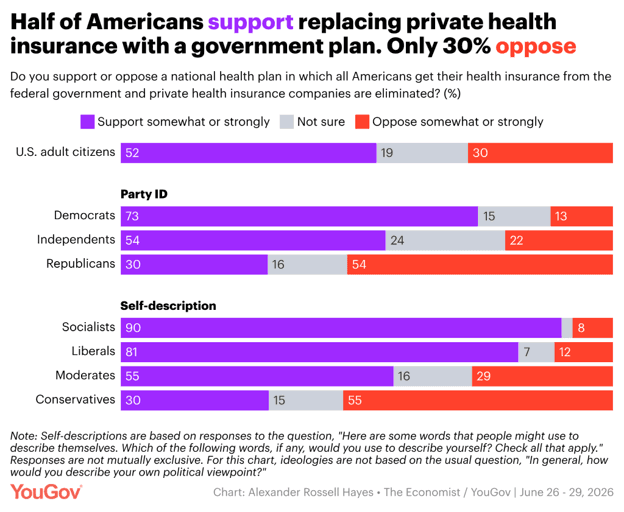
    The 1,606 adult US citizens surveyed by The Economist/YouGov June 26-29 were asked: “Do you support or oppose a national health plan in which all Americans get their health insurance from the federal government and private health insurance companies are eliminated?”

    RECOMMENDED…

    US-POLITICS-CONGRESS-BUDGET

    More Than 5 Million People Have Lost Health Coverage Under Trump-GOP Law

    Past Due Medical Bill with Pen

    Under Healthcare ‘Dystopia’ Envisioned by Trump, Cash-Strapped Patients Would Take Out Loans From Insurers

    Fifty-two percent expressed support, and the proposal was even more popular than that among respondents under age 45 as well as registered Democrats and Independents. Just 30% of those polled were opposed, while the rest said that they were “not sure.”

    The polling follows the administration’s quiet release of data showing that 4.2 million lost Affordable Care Act (ACA) coverage as of February. Trump and his Republican allies in Congress have come under fire for letting ACA subsidies expire at the end of last year—as well as for enacting the so-called One Big Beautiful Bill Act, which is expected to leave more working-class Americans uninsured over the next decade. Already, Protect Our Care estimates that 3.8 million people have lost coverage under Medicaid and the Children’s Health Insurance Program, bringing the total for Trump’s term to around 8 million.

    “A mind-boggling number of Americans have found themselves joining the ranks of the uninsured,” Protect Our Care president Brad Woodhouse said in a Tuesday statement. “And this is just the beginning. As working families continue to get squeezed left and right by GOP-driven healthcare cost hikes and bureaucratic red tape, millions more Americans will lose the care they rely on to stay alive and healthy.”

    “These are diabetic patients rationing insulin and parents skipping cancer screenings,” he continued. “These are small business owners and farmers shutting down their life’s work because they can no longer afford to buy insurance on their own. These are moms, veterans, and seniors. These are the millions who will hand Trump and Republicans in Congress a withering rebuke at the ballot box in November for making healthcare unaffordable so they could make billionaires and big corporations richer.”

    As premiums soar and Americans begin to endure the consequences of the national Republican healthcare agenda, a sweeping coalition of groups that support a universal single-payer system declared earlier this month that “now is the time for Medicare for All.”

    Sen. Bernie Sanders (I-Vt.) and Reps. Pramila Jayapal (D-Wash.) and Debbie Dingell (D-Mich.) have repeatedly introduced the Medicare for All Act in Congress, and support for it has grown among elected Democrats and the US public—as suggested by the new polling.

    In a statement about the healthcare findings, the pollsters explained:

    While eliminating insurance companies may sound like a radical change to healthcare, the share of Americans who want to replace private insurance with a government health plan (52%) is larger than the share who want to expand the existing Obamacare (the health coverage system established by the Affordable Care Act) (38%). The share who favor repealing Obamacare (28%) is about as large as the share who oppose replacing private insurance with a government plan (30%).

    Americans who support a national healthcare plan do not universally see expanding Obamacare as a step in the right direction. Only a little more than half (56%) of the Americans who support creating a national health plan also support expanding Obamacare. On the other hand, most Americans who support expanding Obamacare would also support a national health plan that replaces private insurance (77%).

    Although “only 8% of Americans would describe themselves as socialists,” which is “smaller than the shares who describe themselves with several other ideological adjectives offered in a poll question, including progressive (17%), liberal (23%), and conservative (34%),” the pollsters also noted, “many policy proposals championed by democratic socialists draw significant support from Americans.”

    For example, majorities of respondents endorsed the government covering the cost of college tuition for all students (55%) and building public housing (57%).

    When asked, “Do you think Donald Trump has had the right priorities or hasn’t paid enough attention to the country’s most important problems?” 60% of respondents said the president “hasn’t paid attention to the most important problems.”

    The polling comes just over four months away from the November midterm elections, in which Democrats hope to reclaim majorities in both chambers of Congress. Some Democratic candidates, including US Senate hopefuls Graham Platner in Maine and Abdul El-Sayed in Michigan, are explicitly running on support for Medicare for All.

    After multiple progressives running to represent various New York districts in the US House of Representatives won their primaries last week, Sanders called their victories proof that Americans “are sick and tired of status quo politics,” while Jayapal similarly celebrated that “bold, people-powered candidates took on the Democratic establishment and won.”

    “They ran on Medicare for All. On a public option for housing. On a foreign policy that centers human dignity over political convenience. And they won,” Jayapal said. “This is what happens when movements build power. People-powered movements win.”

    Article by Jessica Corbett republished form Common Dreams under Creative Commons (CC BY-NC-ND 3.0).

    Climate science denier Donald Trump confirms that he knows nothing about democracy and that more liquid gold is being secured according to his policy of global privateering.
    Climate science denier Donald Trump confirms that he knows nothing about democracy and that more liquid gold is being secured according to his policy of global privateering.
    Orcas discuss rotting brain. Front Orca says "Wish someone would lock him up".
    Orcas discuss rotting brain. Front Orca says “Wish someone would lock him up”.

  • Only the Green Party commits to Makerfield public ownership pledges

    Spread the love

    https://www.thecanary.co/uk/news/2026/06/16/public-ownership-makerfield/

    Composite image of Restore, Labour, Reform and Green candidates for Makerfield by-election in front of a Bee Network bus. Illustrating questions of candidates on public ownership

    Only the Green Party has responded to a Makerfield public ownership pledge launched today, explaining which local public services they would take back if elected. Andy Burnham has not clarified his position, despite his critique of privatisation in recent weeks.

    Campaign group We Own It asked the six main Makerfield candidates for their positions on public ownership of water, energy and buses, as well as a local BlackRock deal with Greater Manchester Pension Fund to buy up GP surgeries.

    Nearly 10,000 emails have been sent to the candidates over the weekend to put pressure on them to reveal their policies. This follows on from a previous letter seeking candidates’ views on support for Palestinian people.

    The campaigners point out that in 2025 United Utilities dumped sewage into waterways in Makerfield for over 3,000 hours. The electricity distribution company Electricity North West is rated only 1.9 on Trustpilot and has slowed down grid connections.

    In 2025 the local gas distribution company Cadent Gas paid out £38 per household in dividends to its shareholders. These include Australian asset management firm Macquarie and the Chinese sovereign wealth fund.

    Cat Hobbs, director of We Own It, said:

    It’s really shocking that Andy Burnham has spent the last few weeks attacking 40 years of Thatcherite privatisation but won’t take a clear position on the local water and energy companies ripping off the people of Makerfield.

    Voters deserve to know if he will stand up for them or for a handful of shareholders around the world. Keir Starmer promised public ownership and then betrayed voters. Burnham can’t fool us twice.

    Water and energy are profitable assets with a revenue stream so it’s a great deal for the public purse to bring them into public hands. United Utilities and the North West energy grid are monopolies – there is no market. So we need accountability as citizens, and profits reinvested instead of leaking out.

    Article continues at https://www.thecanary.co/uk/news/2026/06/16/public-ownership-makerfield/

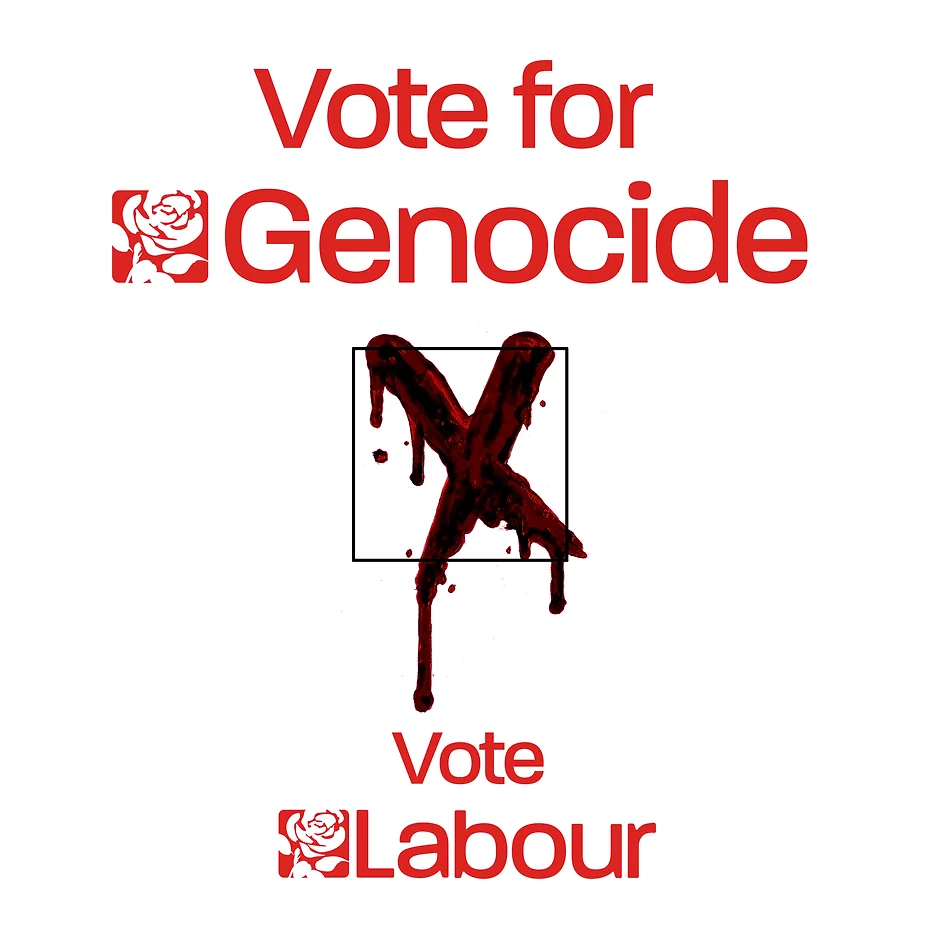
    Vote Labour for Genocide.
    Vote Labour for Genocide.
  • ‘Renationalisation is the only way to end Thames Water farce’

    Spread the love

    https://morningstaronline.co.uk/article/renationalisation-only-way-end-thames-water-farce

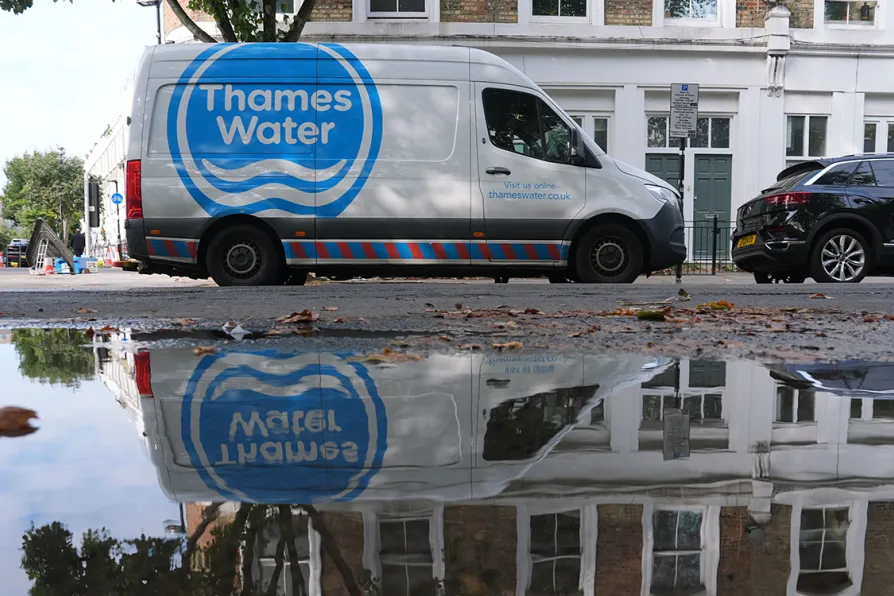
     A Thames Water van, August 22, 2025
    107 MPs demand government rejects £10bn rescue deal put forward by Thames Water’s creditors

    UNIONS, campaigners and MPs are demanding the government put an end to the uncertainty surrounding Thames Water and permanently nationalise the scandal-ridden utility.

    They renewed their calls to nationalise the water firm today after Environment Secretary Emma Reynolds came out against a £10 billion rescue bid, saying it poses an “unfair cost to consumers.”

    The minister’s warnings closely followed an open letter to Ofwat signed by 107 MPs demanding the government reject the deal put forward by Thames Water creditors to salvage the company.

    Politicians expressed urgent concern over allowing the firm, which is responsible for almost a third of all the industry’s most harmful pollution incidents last year, to set its own rules through the proposed deal.

    Ms Reynolds told the House of Commons today of her letter to water regulator Ofwat warning that the plan did not go far enough to protect the environment and water customers.

    Thames Water hopes the deal will help stave off temporary nationalisation as it faces collapse due to being nearly £20bn in debt.

    Although not an official government decision, the minister’s comments cast doubt on the viability of the plan which she said could mean Thames Water’s 16 million customers “bear an undue cost for investment in the company.”

    Ms Reynolds added that the proposal likely means further delays to mandated environmental improvements of wastewater treatment facilities and other projects vital to drinking water safety.

    On Tuesday, Ofwat was reportedly still close to accepting the offer from bidding consortium London & Valley Water, which proposed injecting £10bn into debt-ridden Thames Water.

    In return, any new fines for sewage leaks would be waived for four years.

    …

    Article continues at https://morningstaronline.co.uk/article/renationalisation-only-way-end-thames-water-farce

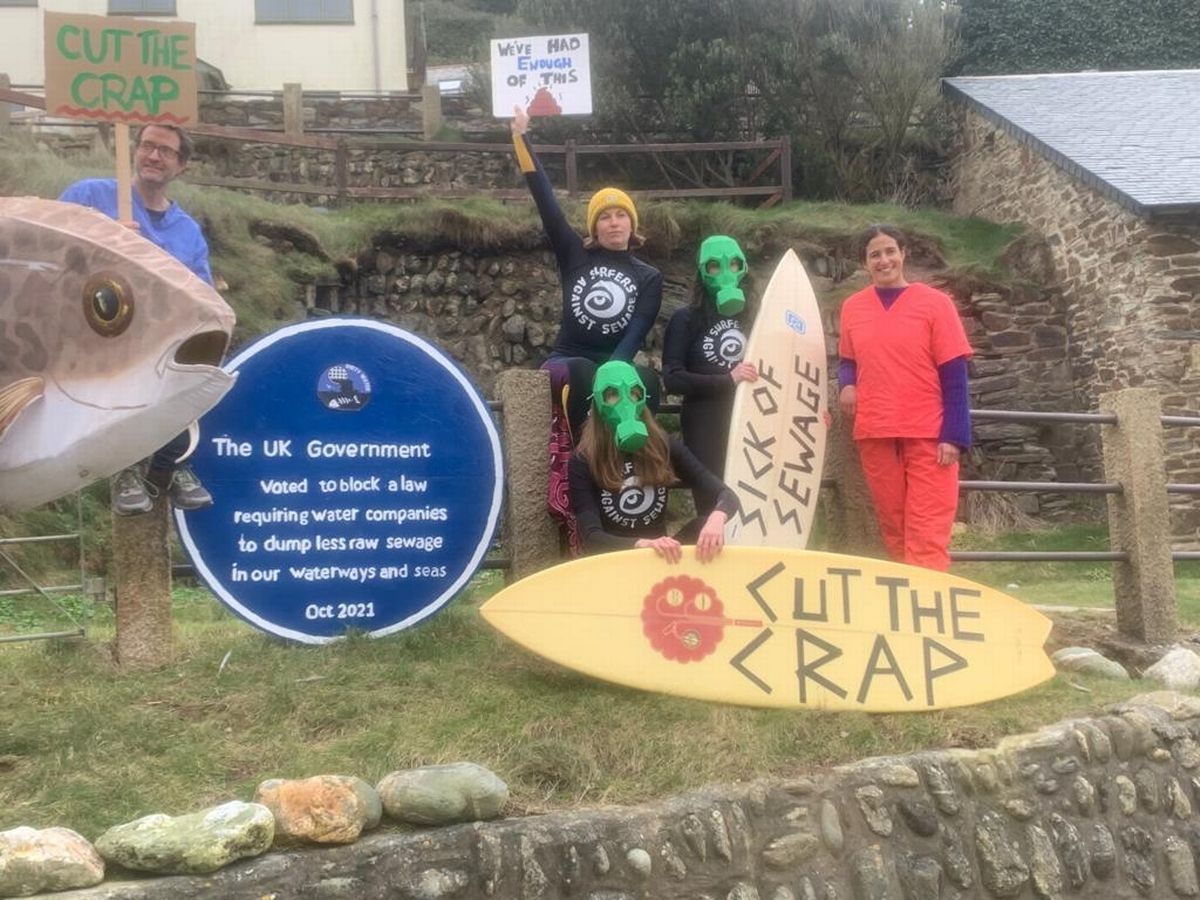
    April 2023 Surfers Against Sewage and Extinction Rebellion protests in St Agnes, Perranporth, Truro and Charlestown which unveiled spoof Blue Plaques to the MPs and Conservative Government who allowed raw sewage to be dumped in the sea (Image: Surfers Against Sewage)
    April 2023 Surfers Against Sewage and Extinction Rebellion protests in St Agnes, Perranporth, Truro and Charlestown which unveiled spoof Blue Plaques to the MPs and Conservative Government who allowed raw sewage to be dumped in the sea (Image: Surfers Against Sewage)
  • Palantir is turning the NHS into a tool for mass surveillance

    Spread the love

    Article by Jade-Ruyu Yan and Aman Sethi republished from openDemocracy under a Creative Commons Attribution-NonCommercial 4.0 International licence.

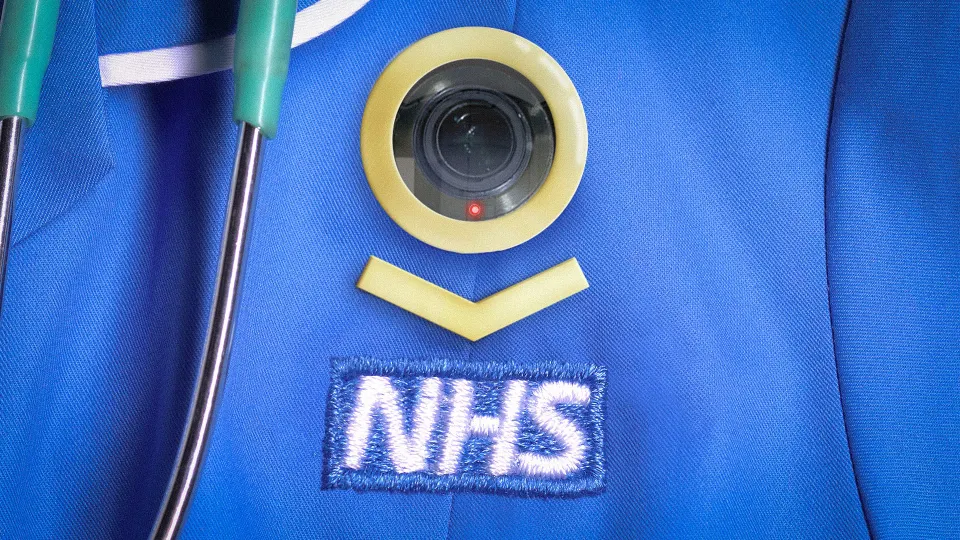
    Composition by James Battershill

    Kicking out Palantir, experts warn, may not solve the problems its Federated Data Platform has created.

    NHS England’s Federated Data Platform, run primarily by controversial US military contractor Palantir, would give a future UK government the ability to use patients’ healthcare data to unleash unprecedented mass surveillance, experts and technologists have warned openDemocracy.

    “We have already seen in the US how Palantir’s reach into so many different areas of government has allowed it to build a system that provides detailed profiles of people to enable ICE raids,” said Duncan McCann of the Good Law Project, referring to how President Donald Trump’s mass deportation programme has used Palantir’s tools. “The exact same thing is being enabled by the integration of Palantir into the UK public sector.”

    This risk is only exacerbated by the fact that nearly three years after Palantir was awarded the £330m contract to run the FDP, it remains unclear what patient data it gathers, on what basis and to what end. Despite this, 69% of regional NHS Trusts have already adopted the platform, which provides the health service with a new operating system intended to link up otherwise unconnected databases and disparate software across different NHS services and regions.

    This lack of clarity was laid bare this week, when the UK’s cross-party Science, Innovation and Technology Committee urged the government to break the NHS’s contract with Palantir. Its report contained a stark recommendation to the government: reveal “the exact nature of Palantir’s access to identifiable and non-identifiable patient data, on what statutory basis this was authorised, when, and by whom.”

    McCann and the Good Law Project are part of an unusually wide coalition demanding the UK cut ties with Palantir, but technologists who have worked closely on the FDP warn that the genie is now out of the bottle; kicking the US giant out of the NHS may not be enough to solve the data privacy problems its Federated Data Platform has created.

    “You know you could pull Palantir out,” Tom Bartlett, an NHS technologist who worked on the FDP and has spoken publicly in favour of the project, told openDemocracy. “But the danger remains.”

    “You still might get a government that says, ‘We need to have the data from the NHS and the data from the Home Office connected, and we want to use it for the purpose of denying people healthcare or deporting people or whatever’.”

    Coalition of Resistance

    To understand how deeply Palantir is enmeshed in the UK’s public sector, consider the coalition opposed to it.

    NHS data analysts and chief data and analytical officers have spoken out against the FDP. The British Medical Association, a union representing doctors and medical students, has urged GPs to reject it. The Greater Manchester Integrated Care Board, which oversees NHS services for 2.8 million people, has refused to sign up to the platform, claiming outstanding security risks haven’t been addressed, and that it has better technology in-house.

    It’s not just the NHS, either. London’s mayor has blocked a £50m Palantir contract with the Metropolitan Police, arguing that it was improperly awarded. The housing ministry replaced a Palantir system to match British hosts with Ukrainian refugees with its own technology. In Coventry, local politicians and unions are protesting the renewal of a £750,000 Palantir contract with the council’s children’s services department. Financial Conduct Authority employees are seeking to orchestrate a cross-union campaign against a 12-week trial contract with Palantir that they fear could expose the UK’s sensitive financial data to US law enforcement authorities. 

    “Our pilot with Palantir allows the Met for the first time to bring together data it already lawfully holds in one place to identify potential standards, welfare or cultural concerns,” said a spokesperson for The Met over email. “It also allows us to identify early issues so we can act more fairly and consistently, ensuring officers receive support or face appropriate action before problems escalate.” In April, Met officers expressed outrage at the “intrusive” use of Palantir’s technology to assess them for misconduct.

    The police can already request information from the NHS if it meets a policing need, such as a homicide investigation or tracing missing persons.

    The Financial Conduct Authority’s contract with Palantir involves testing an AI search tool for its data. “The data used in the trial will be fully encrypted and under our control,” wrote a spokesperson for the regulator over email. “No-one is able to access the unencrypted data without our authorisation.”

    Coventry City Council did not respond to questions about its Palantir contract.

    What exactly does Palantir do?

    Palantir’s CEO, Alex Karp, once described its role as “the finding of hidden things”. 

    He co-founded the company with $2 million from the venture capital arm of the CIA in the early 2000s, when the failure to prevent 9/11 was being debated across Washington and Silicon Valley. It was suspected, and would be confirmed by the public report a year later, that the CIA, the FBI, and the National Security Agency had separately held the data required to have foreseen the terror attacks, but had “failed to connect the dots”. 

    That finding has since been the basis of much of Palantir’s success. It argues that governments, militaries, law enforcement authorities and businesses already have much of the data they need to make decisions, but that it is not readily available in the forms needed. 

    Palantir, it tells them, is the solution.

    “The actual thing that’s difficult is organising all your data together,” Alex Bores, a member of the New York State Assembly and a former Palantir employee turned critic, told The New York Times. “That requires hard work, and there’s no magic to do that yet. The software, plus engineers going on site and doing a lot of that hard work to do the manual hookups, was always going to be the true source of value.”

    Databasing the Nation

    In the NHS, Palantir’s work involves organising, hooking up, and streamlining vast troves of patient data currently scattered across, by one count, 44,000 healthcare IT systems in 26,000 organisations. “The fragmentation is absolutely massive,” said Bartlett, who helped build the FDP. “There’s all this information, and it’s all sat in different pockets.” 

    Palantir’s solution has two layers. Bartlett describes one layer as an “operating system” analogous to the software that runs your iPhone, which will allow NHS Trusts and third-party developers to create applications (or what Palantir calls “products”) that allow for efficiency gains. An ambulance crew, for example, could input information about an accident victim to a product that would pass it onto the hospital, so that “the A&E department could prepare, rather than being sort of hit in the face” with information when the ambulance arrives, he said.

    Yet, much like how your iPhone decisively locks you into the ecosystem of Apple products, running this system efficiently requires as much of the NHS as possible to sign on to the Palantir system – something experts call “vendor lock-in” – and to draw on a staggering library of data held across the health service.

    The FDP’s public documentation reveals that the platform is already in the process of ingesting several hundred databases, covering a vast array of variables that include mental healthcare contact activity, mortality, flu vaccination status, covid vaccination status, emergency services data, race and ethnicity, aggregated data for persons held in secure mental health facilities in adult prisons and immigration removal centres, and much more. 

    As the cross-party committee of MPs noted in their report last week, there is little clarity around exactly what data will make it into the FDP, and how it will be accessed. The debate around patient data held by GP practices offers a useful illustration.

    Back in 2023, the then secretary of state for health and social care, Victoria Atkins, told the House of Commons: “No new data will be collected, and GP data will not be part of the national platform.” However, an NHS FAQ page last updated in April 2026 admits that “some of the data” in the FDP “may have been sourced from GP records”, and GP data lawfully shared with NHS trusts that use the FDP could end up on the platform.

    More worryingly, the FDP uses all this data to create detailed profiles of individual patients that it calls the ‘Person Ontology’. To quote from an NHS Data Protection Impact Assessment: “The Person Ontology serves as the single source of the truth for pseudonymised patient level datasets”. 

    Elsewhere, the document says that “the Person Ontology currently holds activity data for citizens in different care settings”, explaining that the platform assigns individual patients a unique ID that can be cross-referenced across multiple databases.

    The NHS says that as the data held in the FDP is pseudonymised, it does not directly identify individuals. But pseudonymisation, as has been pointed out by the Information Commissioner’s Office, the UK’s data protection watchdog, is a reversible process. “Take care not to confuse pseudonymisation with anonymisation,” the ICO warns.

    A person’s healthcare data is their “most intimate information,” said a spokesperson and legal officer at Privacy International, a UK-based charity focusing on technology and rights. “We’re talking about the breadth of the data, how personal it is, and the severity of what could be done with it if it were to land in the wrong hands.”

    Big Data Means Big Brother

    Consolidating so much data brings very real risks of surveillance, say those familiar with the platform, particularly since Palantir also holds contracts with police forces in the UK. In principle, all that’s stopping the Home Office from accessing NHS data are legal safeguards that can be reversed.

    Here in the UK, Palantir UK CEO Louis Mosley has said that if Nigel Farage’s Reform comes into power, the company will follow the party’s professed directives to use NHS data to target individuals based on their immigration status. 

    Such a scenario played out in the US when Trump first became president in 2016, as Bores, the former Palantir employee, told The New York Times.

    “Palantir had signed a contract with a department within ICE called HSI, Homeland Security Investigations. During the Obama administration, it was focused on anti-human trafficking, anti-drug trafficking, sometimes counterfeiting,” Bores said. “Then, when Trump comes in in 2017, they try to change the nature of that work. They try to get another part of ICE called ERO, Enforcement and Removal Operations – the part that everyone thinks of as ICE – to get access to the software and to use it for deportations.”

    In the US, Palantir already uses data from the Department of Health and Human Services to track people targeted for deportation by ICE. Here in the UK, junior doctor Rhiannon Mihranian Osborne, who is organising against Palantir in the NHS with health justice organisation Medact, described what she said was a disturbing pattern: “Reform’s policy ‘Operation Restoring Justice’ wants to create a powerful immigration surveillance system by mining data from health, police and financial databases. Louis Mosley said his company would comply with this.

    “Palantir’s police contracts in the UK include collating highly sensitive information on victims of crime, including sexual orientation and trade union membership. The home secretary says she wants to create a panopticon of state surveillance. The synergy between Palantir and governments who use data to abuse human rights is deeply alarming, and a sign of what could be coming in the UK.”

    This is a real risk, conceded Bartlett. “Let’s take [a] Reform government and the immigration question coming in, I do worry about that scenario,” he said – but he questioned whether that means the NHS doesn’t need a Federated Data Platform. “So is the answer to that bad scenario playing out to keep the data in such a bad state that nobody could ever use it at all for good or bad?”

    Palantir, NHS England, the Cabinet Office, the Department of Health and Social Care and The Reform Party did not respond to requests for comment.

    Critics of the FDP, however, have pushed back against what they see as a narrative that the NHS’s systems are so hopelessly complex and tangled that the only way to solve them is with a mass surveillance tool built by Palantir.

    “There’s no magic here,” Sam Smith, a technologist with patient rights organisation medConfidential, said of the FDP. “It’s not like Palantir is doing anything that other people can’t do… They’re just doing the thing because they have the mythos that they can do the thing.”

    Andrew Holway, the founder of UK-based medical software startup Darwinist, told the cross-party committee that “the primary barrier to NHS innovation” is mega contracts with companies such as Palantir. These, he said, hold the NHS “hostage, preventing the implementation of modern productivity tools that could save tens of billions of pounds”.

    Some in the NHS have also questioned whether the service has tried different approaches that are less intrusive and data-centric. The NHS Greater Manchester Integrated Care Board, for instance, uses its own Analytics and Data Science Platform because it believes it offers better technology and access to better data.

    “Public trust isn’t a side issue for the Federated Data Platform,” wrote Matt Hennessey, the chief data and analytics officer at Manchester Integrated Care Board, in a post on LinkedIn. He outlined the “effect that ethical concern, moral unease or perceived opacity has on trust–and, in turn, on participation.”

    The platform’s “main problem is that it isn’t clear what it actually is,” he wrote. “Where trust is eroded, people disengage, patients opt out, and clinicians become cautious about involvement.”

    Ultimately, as Osborne said, “any NHS data system must be built on public trust, buy-in from staff, and most importantly, protection from abuse by private corporations and governments themselves”.

    Article by Jade-Ruyu Yan and Aman Sethi republished from openDemocracy under a Creative Commons Attribution-NonCommercial 4.0 International licence.

    We’re NHS analysts organising together against Palantir. Here’s why

    By NHS Analysts Together 

    The great Ministry of Defence-to-Palantir pipeline

    By Ethan Shone 

    Zarah Sultana: Palantir has no place in UK public services

    By Zarah Sultana 

    NHS Palantir data deal puts patient trust at risk, warn MP and privacy groups

    By Adam Bychawski