From nationalising public services, taxes on the rich, dropping tuition fees to green investment, the new PM’s abandoned promises raise doubts about Labour’s real commitment to its promises for ‘change,’ writes PETER KENWORTHY
…
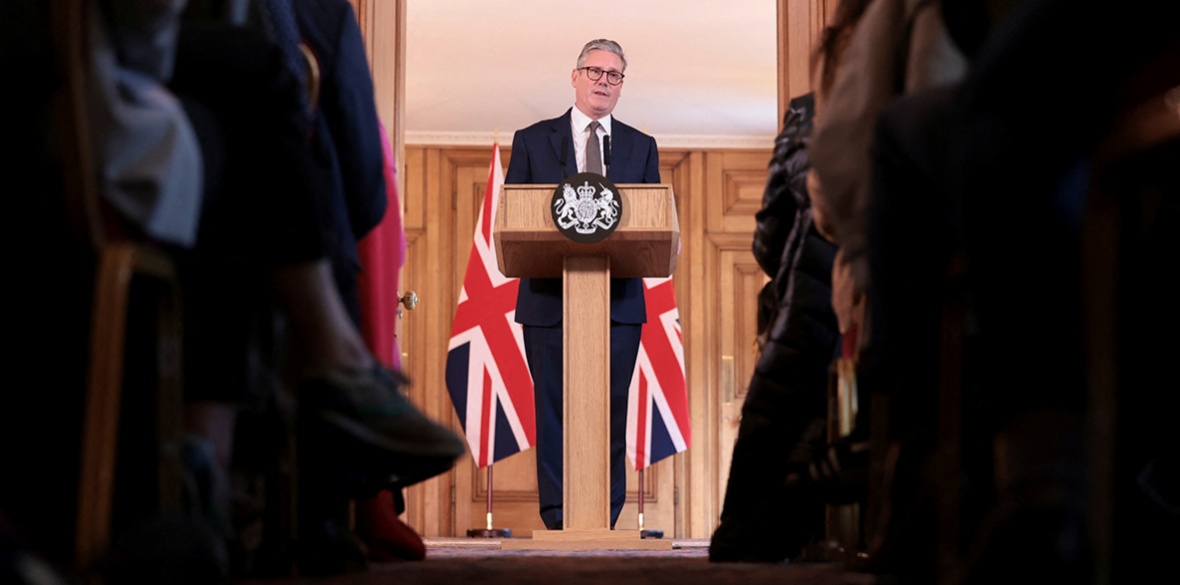
And the new PM, Labour’s Keir Starmer, has also done his fair share of U-turning. Starmer, among other things, pledged and promised to “increase income tax for the top 5 per cent earners” in 2020, during the Labour leadership election — “I will maintain our radical values [ … ] no stepping back from our core principles” as he added in the pledges. Only for him to back away from tax rises.
“We are in a different situation now, because obviously I think we’ve got the highest tax burden since World War II,” he told the BBC in May, when asked about this policy pledge.
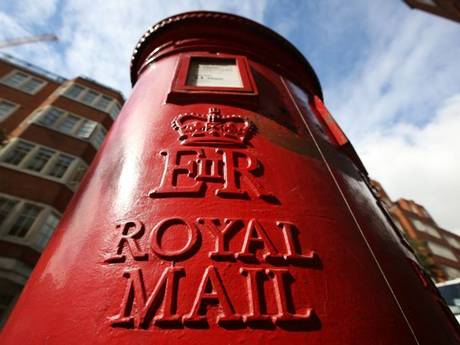
Starmer has also essentially abandoned several other pledges, such as to nationalise public services like mail and water companies and the abolition of university tuition fees, among other of his 10 pledges from 2020.
“We are likely to move on from that commitment, because we do find ourselves in a different financial situation,” he told the BBC when asked about tuition fees.
More cake
Labour’s so-called “missions” for Britain (a “long-term plan to get Britain’s future back” that “will drive forward a Labour government”) instead include sticking “tough fiscal rules with economic stability at their heart.”
…
If the new PM really wants to turn Britain around and keep his political momentum, he will need more than economic stability, growing cakes and political dilly dallying, however. He will need to improve the lives of ordinary people, as well as keep his promises, principles and integrity.
But Labour’s election manifesto does not even contain the sort of spending plans needed to protect public services from future cuts, the Institute for Fiscal Studies says in a response to the manifesto.
“Delivering genuine change will almost certainly also require putting actual resources on the table. And Labour’s manifesto offers no indication that there is a plan for where the money would come from to finance this,” the IFS adds.
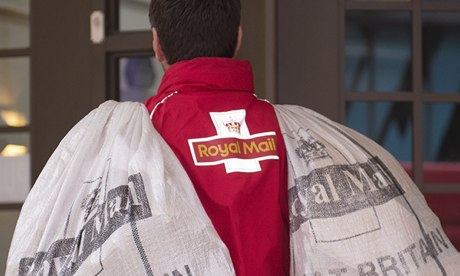
On National Postal Workers Day 2022, a Royal Mail worker of more than 30 years’ service reflects on what 115,000 of his striking colleagues are fighting for – fair conditions, decent pay, dignity in the workplace and community spirit.
I’ve worked for the Royal Mail for more than three decades, and I can remember thousands of special moments.
You’re working with a special type of person, I’ve come to believe. My colleagues are people willing to go the extra mile. They’re funny and kind, thoughtful and creative. They know that the role they play – and the bond they have with the communities they serve – is unique. I couldn’t count the number of charity runs, fundraising concerts and special events that have been organised by my colleagues.
I remember the wartime stories the older boys could tell when I first started; more recently, I can remember the sacrifices we all made during the pandemic, when many of us died keeping the country connected.
Such proud moments can be reeled off by heart, but so can our problems. During festive periods, we are under serious pressure – but other types of stress are creating an incoming catastrophe. Under-recruitment has meant older workers do more while the next generation isn’t coming through to replenish the ranks, at least not where it matters.
Anecdotally, it’s not uncommon to hear of posties having heart attacks, sometimes fatal, on the job – the price of cutting corners. Ask any postal worker and they can tell you stories about ridiculously outdated toilet facilities, broken doors and seatbelts on delivery vans, and serious complaints getting ignored by managers who seem to think they know better.
Bosses and shareholders come first
The money is there to change all this, but it’s not going where it’s needed. In the last year, Royal Mail made £758m in profit and was able to hand out £400m to shareholders. Royal Mail CEO Simon Thompson even gave himself an advance bonus of more than £140,000. But when it came to the workers who created that profit – and during a historic cost-of-living crisis – Royal Mail’s leadership pleaded poverty then offered us a pay rise of just 2%.
Through the Communication Workers Union (CWU), we voted by nearly 100% on nearly 80% turnout, twice, to strike. Instead of recognising the anger we almost unanimously felt, bosses announced they would withdraw from all existing legal agreements with the union and make moves that many fear could mean the derecognition of the union.
Postal workers believe that, for Royal Mail bosses, the wrecking of your Christmas and my wellbeing is a worthwhile sacrifice to turn the company into a bog-standard, Uber-style delivery courier. There, old-fashioned things such as good conditions, decent pay and self-respect on the job can be easily binned, and casualised workers can work harder for less.
This country deserves better, as does its posties
These bosses aren’t people with roots in the industry, and they aren’t sympathetic to the connection it has to our communities: there’s no profit to be made in knocking on your nana’s door when it’s icy, to check on her.
I do my job because I love it. There are things that money can’t buy – like the laughs we gave kids and elderly people with the (frankly bizarre) costumes we tried on during the dark days of the pandemic – and knowing that you serve a wider community and play a useful role in people’s lives.
This is also why we’re on strike. In this country, a tiny number of well-connected people have been making astonishing wealth out of royally stuffing the rest of us for far too long. It feels like everything just gets worse day by day: our bills are sky high, our trains are wrecked, our rivers are filled with sewage, and rent for many is now becoming an existential crisis – and all because a tiny number of people have never had it better.
I, and 115,000 of my colleagues, don’t want to add to these problems by accepting the destruction of one of our few reliable national institutions. This country deserves better, as does its posties. I hope you can back us in our dispute this Christmas.
POSTIES across Britain declared no confidence in Royal Mail boss Simon Thompson today as they prepare for more strike action over pay and working conditions later this week.
The Communication Workers Union (CWU) told the Morning Star that every meeting of workers it had organised unanimously supported the informal motion and condemned the way the privatised company is being managed.
The move came after the union rejected a “take-it-or-leave-it” proposal from senior managers.
For the bargain basement price of $5,000, hackers offered for sale a software flaw in Adobe Acrobat that allows you to take over the computer of any unsuspecting victim who downloads a document from you. At the opposite end of the price range, Endgame Systems of Atlanta, Georgia, offered for sale a package named Maui for $2.5 million that can attack targets all over the world based on flaws discovered in the computer software that they use. For example, some years ago, Endgame offered for sale targets in Russia including an oil refinery in Achinsk, the National Reserve Bank, and the Novovoronezh nuclear power plant. (The list was revealed by Anonymous, the online network of activist hackers.)
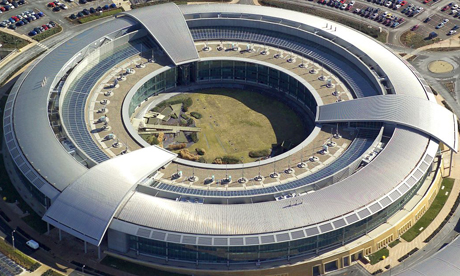
While such “products,” known in hacker circles as “zero day exploits,” may sound like sales pitches from the sorts of crooks any government would want to put behind bars, the hackers and companies who make it their job to discover flaws in popular software are, in fact, courted assiduously by spy agencies like the NSA who want to use them in cyberwarfare against potential enemies.
Take Vupen, a French company that offers a regularly updated catalogue of global computer vulnerabilities for an annual subscription of $100,000. If you see something that you like, you pay extra to get the details that would allow you to hack into it. A Vupen brochure released by Wikileaks in 2011 assured potential clients that the company aims “to deliver exclusive exploit codes for undisclosed vulnerabilities” for “covertly attacking and gaining access to remote computer systems.” …
So in a world where, increasingly, nothing is private, nothing is simply yours, what is an Internet user to do? As a start, there is an alternative to most major software programs for word processing, spreadsheets, and layout and design — the use of free and open source software like Linux and Open Office, where the underlying code is freely available to be examined for hacks and flaws. (Think of it this way: if the NSA cut a deal with Apple to copy everything on your iPhone, you would never know. If you bought an open-source phone — not an easy thing to do — that sort of thing would be quickly spotted.) You can also use encrypted browsers like Tor and search engines like Duck Duck Go that don’t store your data.
Next, if you own and use a mobile device on a regular basis, you owe it yourself to turn off as many of the location settings and data-sharing options as you can. And last but hardly least, don’t play Farmville, go out and do the real thing. As for Angry Birds and Call of Duty, honestly, instead of shooting pigs and people, it might be time to think about finding better ways to entertain yourself. Pick up a paintbrush, perhaps? Or join an activist group like theElectronic Frontier Foundation and fight back against Big Brother.
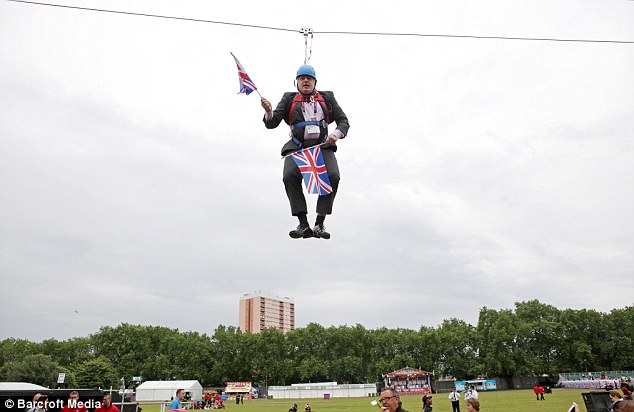
“Whatever you may think of the value of IQ tests it is surely relevant to a conversation about equality that as many as 16% of our species have an IQ below 85 while about 2% …” he said as he departed from the text of his speech to ask whether anyone in his City audience had a low IQ. To muted laughter he asked: “Over 16% anyone? Put up your hands.” He then resumed his speech to talk about the 2% who have an IQ above 130.
Johnson then told the Centre for Policy Studies think tank, which helped lay the basis for Thatcherism in the 1970s: “The harder you shake the pack the easier it will be for some cornflakes to get to the top.”
“… greed [is] a valuable spur to economic activity.”
Royal Mail shares: Goldman Sachs sets price target of 610p
Goldman Sachs has risked a further escalation of the Royal Mailprivatisation row by putting a price target on the shares of 610p despite telling the government that the business should be floated at 330p last month.
Analysts at Goldman said the postal group’s valuation should benefit from an increase in parcel deliveries, despite falling letter volumes.
The investment bank’s 12-month price target of 610p represents an 85% premium on the flotation price, and gave further ammunition to those critics of the privatisation who argue the government sold off Royal Mail too cheaply.