The Royal Mail sale is grotesquely illogical

Spread the love

Guardian source

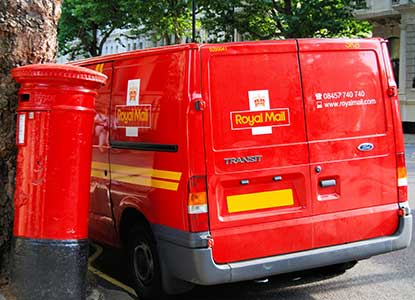
Image of post office van next to postbox

“There’s no way we will sell Royal Mail ‘on the cheap,'” promised the government in its “myth-busters” factsheet. Yet this is precisely what it is doing; the valuation is believed by many experts to be on the embarrassingly low side. Experts from Panmure Gordon say that its lower value estimate of £2.6bn could be undervalued by up to £1.9bn pounds, or over 40%. Labour points out that the valuation does not seem to include up to £1bn of property assets – such as the Mount Pleasant or Nine Elms sites in London. Add to this that Royal Mail has an accumulated backlog of tax credits of about £2.8bn, which means that it is expected not to pay any tax for between five and 10 years. And here is the kicker – not only is this government selling the service significantly under any sensible valuation, it is retaining its biggest liability – pensions. Why wouldn’t there be frenzy for its undervalued, no-strings-attached shares?

“But anyone can buy shares,” point out the sale’s proponents. Indeed, provided that “anyone” has between £750 and £10,000 to spare and access to a broker or enough savvy to buy privately. Even then, one would be paying for a tiny amount of shares in something that we all jointly own already and end up not really owning it. The government itself forecasts that seven out of 10 shares will be bought “by big institutions in the City and overseas”. The apotheosis of the cockamamie logic surrounding the sale, is the idea that some of the City institutions set to make a killing may own our pensions. This, apparently, makes everything alright. The state is selling a valuable, profit-making asset, substantially below market value, in the vague hope that some of the corporate entities who buy it may happen to hold your pension.

“Look,” explained James Max on Sky News, “let’s get it off the balance sheet and reduce national debt,” echoing the sentiments of those in support. This is where the rationale of this fire sale really crumbles. Royal Mail is profitable. During the last financial year it showed an operating profit of over £400m. According to the government’s own literature, “the company is on the road to sustained profitability”. It is in a position to make a positive contribution to state coffers. Selling it does not decrease the budget deficit, it increases it.

Continue ReadingThe Royal Mail sale is grotesquely illogical

Royal Mail being sold off ‘cheap’, says Umunna

Spread the love

http://www.publicfinance.co.uk/news/2013/10/royal-mail-being-sold-off-cheap-says-umunna/

The government’s plan to privatise the Royal Mail amounts to ‘flogging off a national institution on the cheap’ and could leave taxpayers shortchanged by future asset sales, Labour’s shadow business secretary has warned.

Image of post office van next to postbox

Chuka Umunna said the plan to float the company next week was being conducted in a rush, and called for a full valuation of the firm’s property portfolio should be undertaken to determine the value of any possible land sell offs.

He warned that postal delivery offices in prime development sites could be sold after privatisation, delivering a windfall for private shareholders but no return to the public sector. Steps needed to be taken so that proceeds from any sale could be retuned to taxpayers, he said.

Market analysts have predicted that the sale could value the firm at around £3bn. However, Umunna said two of the company’s London sites – in Nine Elms and Mount Pleasant – alone could be sold for more than £1.5bn.

The share prospectus for the sale of the firm stated these sites had been ‘surplus’, Umunna said and, once privatisation is complete, these and other offices other prime locations could be sold.

He called for ministers to reveal whether an independent valuation of the property portfolio has been undertaken ahead of the sale. They should also set out which of the firm’s sites across Britain have been identified as surplus, and whether any ‘clawback’ mechanisms have been established to allow proceeds to go to the Royal Mail’s pension fund or the Treasury.

It is expected Royal Mail will be listed on the London Stock Exchange on October 11 and will be fully traded the following October 15.

‘David Cameron’s fire sale of Royal Mail is bad for consumers and bad for businesses and there are real fears that taxpayers are going to be considerably short changed,’ Umunna added.
‘Royal Mail has a huge property portfolio in prime development sites in London and across Britain and there is nothing to stop the privatised company making a quick buck by flogging off these assets for development. Ministers need to come clean on which sites are due to be sold and what valuation has taken place.’continues


Continue ReadingRoyal Mail being sold off ‘cheap’, says Umunna

Privatisation will threaten Royal Mail’s six-day service, warns campaign group

Spread the love

[Well of course the service will suffer, postage charges will rise, postmen and women will be sacked – that’s what businesses do to make money. Many Tory and Liberal-Democrat-Tory MPs reassure their constituencies that the opposite is true. They’re lying.

Tony Blair’s NEW Labour tried to privatise Royal Mail. Their argument was that there was a deficit in the pension fund. I never really grasped that very poor argument. Any deficit would have be due To Royal Mail or the government dipping into it as promoted by Gordon Brown. The current government argues that Royal Mail needs investment despite it apparently turning a profit. Why not invest some of that profit? ]

Competition will make it impossible for a privatised service not to cut deliveries in rural areas, says Save Our Royal Mail

Richard Graham, the MP for Gloucester, argued that privatisation would provide the investment needed to compete against the private sector. “I don’t want to save Royal Mail because I don’t think it’s a panda or a tiger,” he said. “I want to grow Royal Mail. I want to see it become a world- beating company. It’s got 150,000 employees. Wouldn’t it be fantastic if it had 200,000 and was running postal services under that great brand all around the Commonwealth?

“It needs to be able to compete against private-sector competitors, and it can only do that effectively if it has the investment it needs to get the technology that the competitors have,” he said.

The panel clashed over how privatisation would affect value for money for consumers. Dunn said Royal Mail had historically kept prices low across the market, but expected a sharp increase after privatisation that would allow its competitors to increase their prices, too. Graham, however, predicted that the new ownership would freeze prices after last year’s rises.

Ben Harris-Quinney, chair of the right-wing thinktank Bow Group, accused the government of “rushing out” the privatisation. “Research in July showed that almost half of the country were not aware of the privatisation of Royal Mail and 65% of those surveyed were against any notion of privatisation,” he said. “There has been no campaign. This has been a Westminster-bubble discussion that hasn’t engaged with the public at all.”


Continue ReadingPrivatisation will threaten Royal Mail’s six-day service, warns campaign group