TUC calls for tax increase on bank profits to pay for social tariff to cut household bills
HOUSEHOLD energy bills will hit a three-year high in yet “another nail in the coffin” for budgets after Ofgem announced a 4 per cent rise from October.
The regulator confirmed today that gas unit rates are set to rise from 6.29p per kWh last winter to 8p, up around 27 per cent year on year.
It means the new cap is £1,723, which is £147 more than the same period last winter, when the October cap stood at £1,576, and 150 per cent higher than at the end of 2020.
From October, the government’s cut to VAT on electricity bills from 5 to 0 per cent will shave around £45 a year off the average bill.
But with experts predicting a further 9 per cent rise in January, unions and campaigners have urged the government to act again.
Cornwall Insight predicts the January 2027 price cap will rise to £1,872, 18 per cent higher than January 2026.
Commenting on the new energy price cap announced today by the Regulator Ofgem, that could see a 13% increase in a typical household’s energy prices, Hannah Spencer, Green MP for Gorton and Denton, said:
“Today’s Ofgem price cap announcement will leave so many people even more stressed out and worried about affording their energy bills. Millions of people are already struggling to make ends meet, and it is unacceptable that energy costs continue to shoot up whilst BP’s profits double.
“We need immediate government intervention. Rachel Reeves needs to step in and freeze the cap before energy bills go up on July 1st. And if she’s wondering how to pay for it, there are some people doing very well out of this crisis. The government should start by taxing every penny of the huge windfall profits oil and gas giants have made since the start of the illegal war on Iran.
“Our energy market is incredibly unfair, built to line the pockets of shareholders whilst working people foot the bill. It’s a damning indictment of rip off Britain that simply keeping our homes warm enough in winter and cool enough in summer has become a luxury very few people can afford. We need urgent action, now.”
The main driver for the increase in the forecast energy price cap is rising wholesale gas and electricity prices. Photograph: Yui Mok/PA
Cornwall Insight predicts rise in price cap of nearly 13% in Great Britain as Iran war pushes up gas costs
Energy bills for households in Great Britain could increase by more than £200 a year to almost £1,900 from this summer in “a kick in the teeth” for millions struggling with the cost of living crisis.
A typical gas and electricity bill is forecast to rise to the equivalent of £1,850 a year from July under the industry regulator Ofgem’s quarterly price cap, according to analysis by the energy consultancy Cornwall Insight.
The expected level is nearly 13% higher than the £1,641 cap on energy bills set for April to June, adding £209 to a typical annual bill, after the Iran war caused the UK’s gas market price to double earlier this year.
The main driver for the increase is rising wholesale energy prices, according to Cornwall. Prices climbed sharply in February and March after Tehran effectively cut off Gulf energy supplies to the global market by shutting the strait of Hormuz in response to the US-Israeli strikes on Iran.
…
Cornwall said that, even if the Iran war ended tomorrow, “the physical damage to infrastructure, and lingering effect of disrupted supply, means a fall back to April’s price cap levels in the autumn looks unlikely”.
Its principal consultant, Craig Lowrey, said: “If the cap stays at a similar level as July, that is when the government will need to think seriously about targeted support for the most vulnerable.
Orcas discuss Donald Trump and the killer apes’ concept of democracy. Front Orca warns that Trump is crashing his country’s economy and that everything he does he does for the fantastically wealthy.
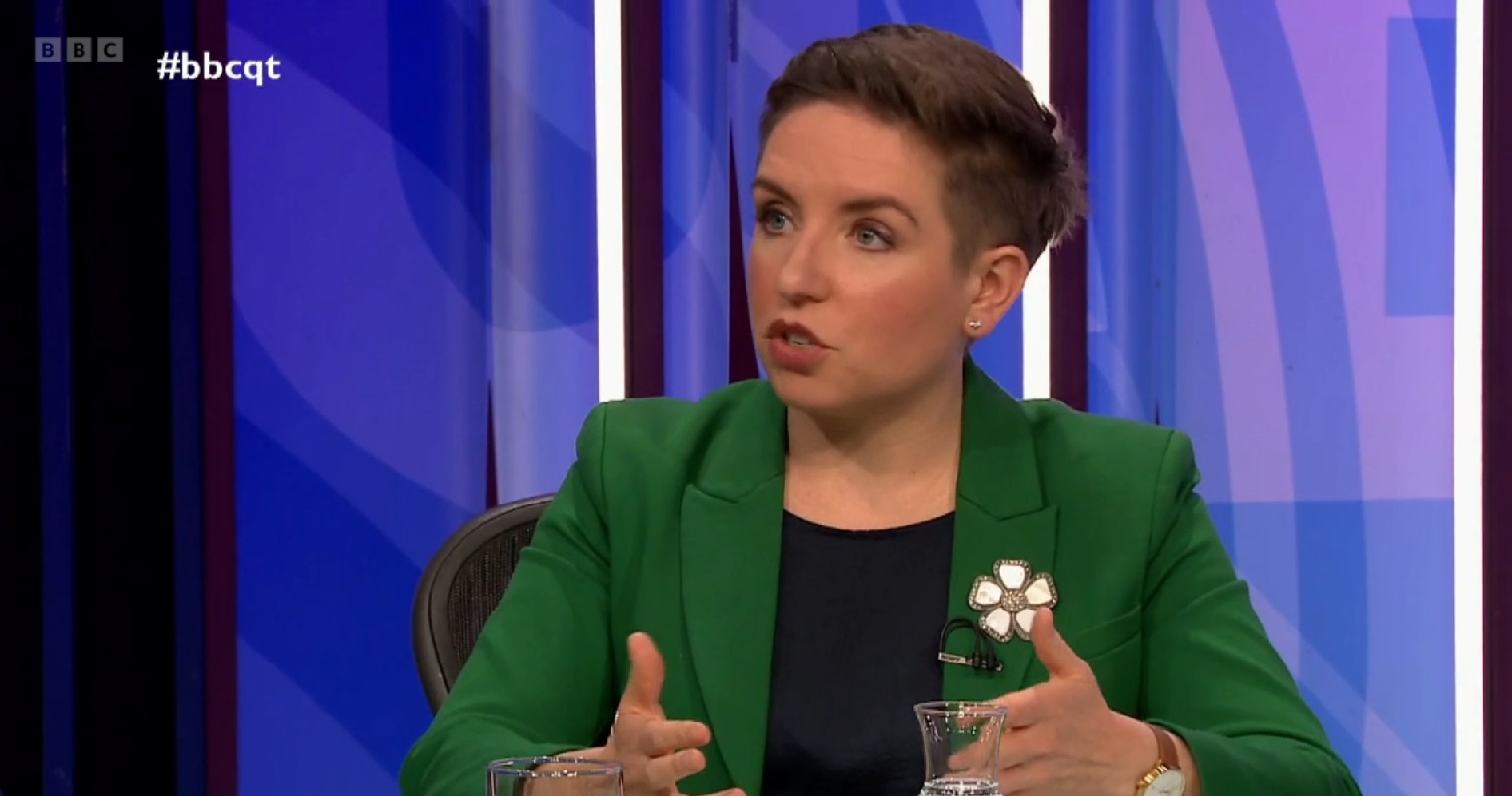
Image of the Green Party’s Carla Denyer on BBC Question Time.
“Energy bills up to nearly £2000 a year. Water bills up by 31% in some areas. Basic food prices keep rising – the list goes on. People aren’t fooling around when they say today is the start of “Awful April”. Especially awful for single parents who we know will be hit hardest by these price hikes.
“These spiralling costs come on the back of axing winter fuel payments for pensioners, refusing to remove the two-child benefit cap and cutting benefits for the sick and disabled.
“These are political choices. Rather than making the poorest and most vulnerable in society bear the brunt of the cost of living crisis, Labour could have chosen instead to tax a tiny percentage of the wealth of multi-millionaires and billionaires. They’ve made a choice, to take money off the old, ill and disabled.
“Labour have again and again made the wrong choices, which has left many of the poorest households at breaking point.”
Keir Starmer says that his Labour Party is intensely relaxed about assaulting the very poorest and most vulnerable.
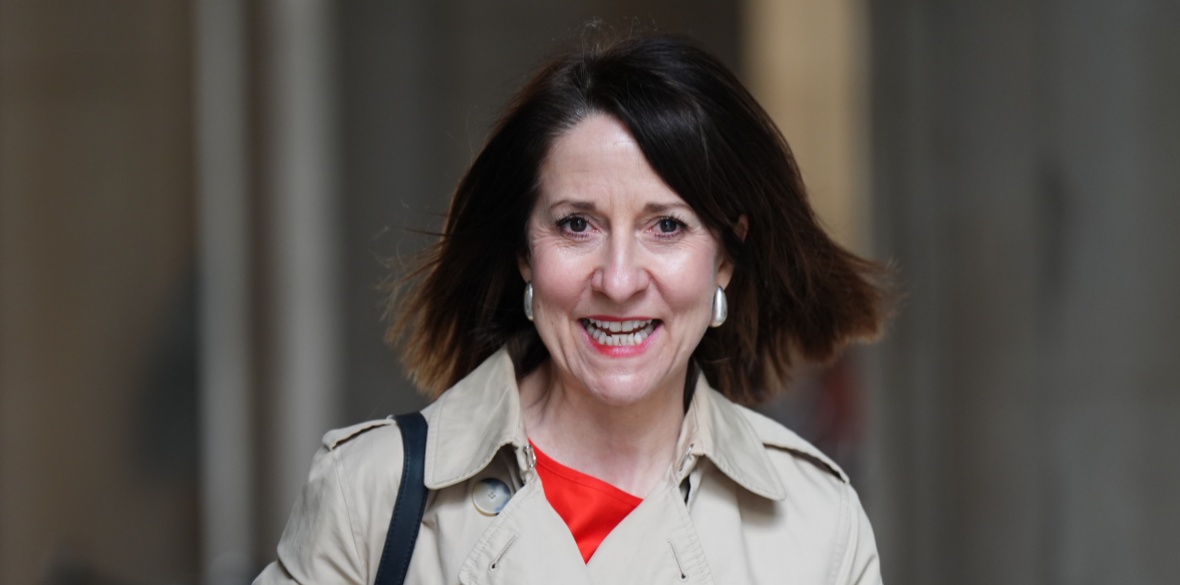
Work and Pensions Secretary Liz Kendall arrives in Downing Street, London, for a Cabinet meeting, March 11, 2025
ALMOST two-thirds of disabled people on Personal Independence Payments (PIP) “will not cope” without it, a charity has warned, amid reports that the government will reduce the benefit.
Work and Pensions Secretary Liz Kendall is expected to unveil reforms aimed at reducing welfare costs that ministers have described as “unsustainable.”
Reports suggest that PIP, the main benefit for working-age adults both in and out of work, could be frozen rather than increased in line with inflation, delivering a real-terms cut for 3.6 million claimants.
A new analysis from Sense has found that 38 per cent of PIP recipients with complex needs are already behind on energy bills. Almost half — 46 per cent — are struggling to afford essential costs such as council tax and water, while 41 per cent are living in debt due to benefits failing to cover the cost of essentials like food.
Fifty-eight per cent of those polled reported significant ongoing extra costs due to disability and 53 per cent said their PIP payments were insufficient to cover those expenses.
Sense chief executive James Watson-O’Neill said PIP “exists because living with a disability means facing higher costs, from increased energy bills to specialised equipment and specific diets.”
“These additional expenses won’t disappear if eligibility is tightened. It will only plunge more disabled people into poverty.
“Making it harder to access benefits won’t help disabled people find jobs either. It will only deepen the struggle.”
Keir Starmer confirms that he’s proud to be a red Tory continuing austerity and targeting poor and disabled scum.Keir Starmer, Angela Rayner and Rachel Reeves wear the uniform of the rich and powerful. They have all had clothes bought for them by multi-millionaire Labour donor Lord Alli. CORRECTION: It appears that Rachel Reeves clothing was provided by Juliet Rosenfeld.

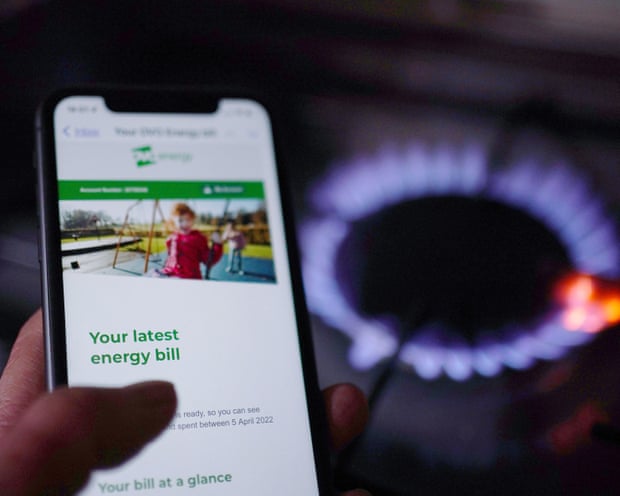
 A gas hob burning on a stove, August 26, 2022