IEA: Fossil-fuel use will peak before 2030 – unless ‘stated policies’ are abandoned

Spread the love

Original article by Simon Evans and Ho Woo Nam republished from Carbon Brief.
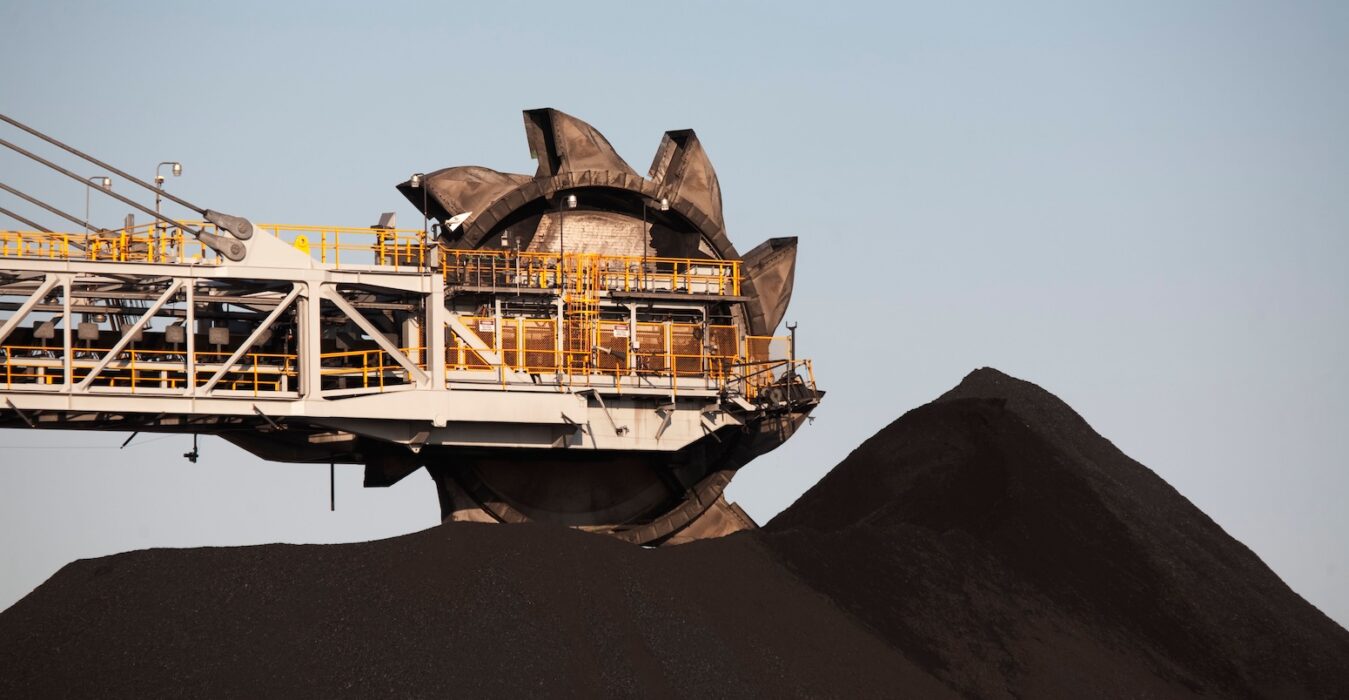
The giant Kooragang Coal Loader at Port Newcastle Australia. Credit: IconsAustralia / Alamy Stock Photo

The world’s fossil-fuel use is still on track to peak before 2030, despite a surge in political support for coal, oil and gas, according to data from the International Energy Agency (IEA).

The IEA’s latest World Energy Outlook 2025, published during the opening days of the COP30 climate summit in Brazil, shows coal at or close to a peak, with oil set to follow around 2030 and gas by 2035, based on the stated policy intentions of the world’s governments.

Under the same assumptions, the IEA says that clean-energy use will surge, as nuclear power rises 39% by 2035, solar by 344% and wind by 178%.

Still, the outlook has some notable shifts since last year, with coal use revised up by around 6% in the near term, oil seeing a shallower post-peak decline and gas plateauing at higher levels.

This means that the IEA expects global warming to reach 2.5C this century if “stated policies” are implemented as planned, up marginally from 2.4C in last year’s outlook.

In addition, after pressure from the Trump administration in the US, the IEA has resurrected its “current policies scenario”, which – effectively – assumes that governments around the world abandon their stated intentions and only policies already set in legislation are continued.

If this were to happen, the IEA warns, global warming would reach 2.9C by 2100, as oil and gas demand would continue to rise and the decline in coal use would proceed at a slower rate.

This year’s outlook also includes a pathway that limits warming to 1.5C in 2100, but says that this would only be possible after a period of “overshoot”, where temperature rise peaks at 1.65C.

The IEA will publish its “announced pledges scenario” at a later date, to illustrate the impact of new national climate pledges being implemented on time and in full.

(See Carbon Brief’s coverage of previous IEA world energy outlooks from 202420232022202120202019201820172016 and 2015.)

World energy outlook

The IEA’s annual World Energy Outlook (WEO) is published every autumn. It is regarded as one of the most influential annual contributions to the understanding of energy and emissions trends.

The outlook explores a range of scenarios, representing different possible futures for the global energy system. These are developed using the IEA’s “global energy and climate model”.

The latest report stresses that “none of [these scenarios] should be regarded as a forecast”.

However, this year’s outlook marks a major shift in emphasis between the scenarios – and it reintroduces a pathway where oil and gas demand continues to rise for many decades.

This pathway is named the “current policies scenario” (CPS), which assumes that governments abandon their planned policies, leaving only those that are already set in legislation.

If the world followed this path, then global temperatures would reach 2.9C above pre-industrial levels by 2100 and would be “set to keep rising from there”, the IEA says.

The CPS was part of the annual outlook until 2020, when the IEA said that it was “difficult to imagine” such a pathway “prevailing in today’s circumstances”.

It has been resurrected following heavy pressure from the US, which is a major funder of the IEA that accounts for 14% of the agency’s budget.

For example, in July Politico reported “a ratcheted-up US pressure campaign” and “months of public frustrations with the IEA from top Trump administration officials”. It noted:

“Some Republicans say the IEA has discouraged investment in fossil fuels by publishing analyses that show near-term peaks in global demand for oil and gas.”

The CPS is the first scenario to be discussed in detail in the report, appearing in chapter three. The CPS similarly appears first in Annex A, the data tables for the report.

The second scenario is the “stated policies scenario” (STEPS), featured in chapter four of this year’s outlook. Here, the outlook also includes policies that governments say they intend to bring forward and that the IEA judges as likely to be implemented in practice.

In this world, global warming would reach 2.5C by 2100 – up marginally from the 2.4C expected in the 2024 edition of the outlook.

Beyond the STEPS and the CPS, the outlook includes two further scenarios.

One is the “net-zero emissions by 2050” (NZE) scenario, which illustrates how the world’s energy system would need to change in order to limit warming in 2100 to 1.5C.

The NZE was first floated in the 2020 edition of the report and was then formally featured in 2021.

The report notes that, unlike in previous editions, this scenario would see warming peak at more than 1.6C above pre-industrial temperatures, before returning to 1.5C by the end of the century.

This means it would include a high level of temporary “overshoot” of the 1.5C target. The IEA explains that this results from the “reality of persistently high emissions in recent years”. It adds:

“In addition to very rapid progress with the transformation of the energy sector, bringing the temperature rise back down below 1.5C by 2100 also requires widespread deployment of CO2 removal technologies that are currently unproven at large scale.”

Finally, the outlook includes a new scenario where everyone in the world is able to gain access to electricity by 2035 and to clean cooking by 2040, named “ACCESS”.

While the STEPS appears second in the running order of the report, it is mentioned slightly more frequently than the CPS, as shown in the figure below. The CPS is a close second, however, whereas the IEA’s 1.5C pathway (NZE) receives a declining level of attention.

Number of mentions of each scenario per 100 pages of text.
Number of mentions of each scenario per 100 pages of text. Source: Carbon Brief analysis.

US critics of the IEA have presented its stated policies scenario as “disconnected from reality”, in contrast to what they describe as the “likely scenario” of “business as usual”.

Yet the current policies scenario is far from a “business-as-usual” pathway. The IEA says this explicitly in an article published ahead of the outlook:

“The CPS might seem like a ‘business-as-usual’ scenario, but this terminology can be misleading in an energy system where new technologies are already being deployed at scale, underpinned by robust economics and mature, existing policy frameworks. In these areas, ‘business as usual’ would imply continuing the current process of change and, in some cases, accelerating it.”

In order to create the current policies scenario, where oil and gas use continues to surge into the future, the IEA therefore has to make more pessimistic assumptions about barriers to the uptake of new technologies and about the willingness of governments to row back on their plans. It says:

“The CPS…builds on a narrow reading of today’s policy settings…assuming no change, even where governments have indicated their intention to do so.”

This is not a scenario of “business as usual”. Instead, it is a scenario where countries around the world follow US president Donald Trump in dismantling their plans to shift away from fossil fuels.

More specifically, the current policies scenario assumes that countries around the world renege on their policy commitments and fail to honour their climate pledges.

For example, it assumes that Japan and South Korea fail to implement their latest national electricity plans, that China fails to continue its power-market reforms and abandons its provincial targets for clean power, that EU countries fail to meet their coal phase-out pledges and that US states such as California fail to extend their clean-energy targets.

Similarly, it assumes that Brazil, Turkey and India fail to implement their greenhouse gas emissions trading schemes (ETS) as planned and that China fails to expand its ETS to other industries.

The scenario also assumes that the EU, China, India, Australia, Japan and many others fail to extend or continue strengthening regulations on the energy efficiency of buildings and appliances, as well as those relating to the fuel-economy standards for new vehicles.

In contrast to the portrayal of the stated policies scenario as blindly assuming that all pledges will be met, the IEA notes that it does not give a free pass to aspirational targets. It says:

“[T]argets are not automatically assumed to be met; the prospects and timing for their realisation are subject to an assessment of relevant market, infrastructure and financial constraints…[L]ike the CPS, the STEPS does not assume that aspirational goals, such as those included in the Paris Agreement, are achieved.”

Only in the “announced pledges scenario” (APS) does the IEA assume that countries meet all of their climate pledges on time and full – regardless of how credible they are.

The APS does not appear in this year’s report, presumably because many countries missed the deadlines to publish new climate pledges ahead of COP30.

The IEA says it will publish its APS, assessing the impact of the new pledges, “once there is a more complete picture of these commitments”.

Fossil-fuel peak

In recent years, there has been a significant shift in the IEA’s outlook for fossil fuels under the stated policies scenario, which it has described as “a mirror to the plans of today’s policymakers”.

In 2020, the agency said that prevailing policy conditions pointed towards a “structural” decline in global coal demand, but that it was too soon to declare a peak in oil or gas demand.

By 2021, it said global fossil-fuel use could peak as soon as 2025, but only if all countries got on track to meet their climate goals. Under stated policies, it expected fossil-fuel use to hit a plateau from the late 2020s onwards, declining only marginally by 2050.

There was a dramatic change in 2022, when it said that Russia’s invasion of Ukraine and the resulting global energy crisis had “turbo-charged” the shift away from fossil fuels.

As a result, it said at the time that it expected a peak in demand for each of the fossil fuels. Coal “within a few years”, oil “in the mid-2030s” and gas ”by the end of the decade”.

This outlook sharpened further in 2023 and, by 2024, it was saying that each of the fossil fuels would see a peak in global demand before 2030.

This year’s report notes that “some formal country-level [climate] commitments have waned”, pointing to the withdrawal of the US from the Paris Agreement.

The report says the “new direction” in the US is among “major new policies” in 48 countries. The other changes it lists include Brazil’s “energy transition acceleration programme”, Japan’s new plan for 2040 and the EU’s recently adopted 2040 climate target.

Overall, the IEA data still points to peaks in demand for coal, oil and gas under the stated policies scenario, as shown in the figure below.

Alongside this there is a surge in clean technologies, with renewables overtaking oil to become the world’s largest source of energy – not just electricity – by the early 2040s.
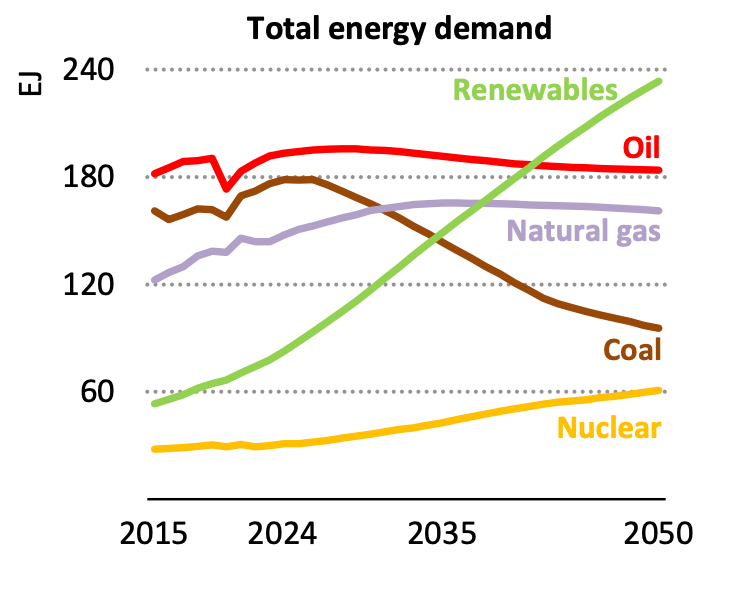
Total energy demand chart

In this year’s outlook under stated policies, the IEA sees global coal demand as already being at – or very close to – a definitive peak, as the chart above shows.

Coal then enters a structural decline, where demand for the fuel is displaced by cheaper alternatives, particularly renewable sources of electricity.

The IEA reiterates that the cost of solar, wind and batteries has respectively fallen by 90%, 70% and 90% since 2010, with further declines of 10-40% expected by 2035.

(The report notes that household energy spending would be lower under the more ambitious NZE scenario than under stated policies, despite the need for greater investment.)

However, this year’s outlook has coal use in 2030 coming in some 6% higher than expected last year, although it ultimately declines to similar levels by 2050.

For oil, the agency’s data still points to a peak in demand this decade, as electric vehicles (EVs) and more efficient combustion engines erode the need for the fuel in road transport.

While this sees oil demand in 2030 reaching similar levels to what the IEA expected last year, the post-peak decline is slightly less marked in the latest outlook, ending some 5% higher in 2050.

The biggest shift compared with last year is for gas, where the IEA suggests that global demand will keep rising until 2035, rather than peaking by 2030.

Still, the outlook has gas demand in 2030 being only 7% higher than expected last year. It notes:

“Long-term natural gas demand growth is kept lower than in recent decades by the expanding deployment of renewables, efficiency gains and electrification of end-uses.”

In terms of clean energy, the outlook sees nuclear power output growing to 39% above 2024 levels by 2035 and doubling by 2050. Solar grows nearly four-fold by 2035 and nearly nine-fold by 2050, while wind power nearly triples and quadruples over the same periods.

Notably, the IEA sees strong growth of clean-energy technologies, even in the current policies scenario. Here, renewables would still become the world’s largest energy source before 2050.

This is despite the severe headwinds assumed in this scenario, including EVs never increasing from their current low share of sales in India or the US.

The CPS would see oil and gas use continuing to rise, with demand for oil reaching 11% above current levels by 2050 and gas climbing 31%, even as renewables nearly triple.

This means that coal use would still decline, falling to a fifth below current levels by 2050.

Finally, while the IEA considers the prospect of global coal demand continuing to rise rather than falling as expected, it gives this idea short shrift. It explains:

“A growth story for coal over the coming decades cannot entirely be ruled out but it would fly in the face of two crucial structural trends witnessed in recent years: the rise of renewable sources of power generation, and the shift in China away from an especially coal-intensive model of growth and infrastructure development. As such, sustained growth for coal demand appears highly unlikely.”

Original article by Simon Evans and Ho Woo Nam republished from Carbon Brief.

Elon Musk urges you to be a Fascist like him, says that you can ignore facts and reality then.
Donald Trump urges you to be a Climate Science denier like him. He says that he makes millions and millions for destroying the planet, Burn, Baby, Burn and Flood, Baby, Flood.
Nigel Farage urges you to ignore facts and reality and be a climate science denier like him and his Deputy Richard Tice. He says that Reform UK has received £Millions and £Millions from the fossil fuel industry to promote climate denial and destroy the planet.
Continue ReadingIEA: Fossil-fuel use will peak before 2030 – unless ‘stated policies’ are abandoned

Trump’s Order to Keep Michigan Coal Plant Running Has Cost $80 Million So Far

Spread the love

Original article by Marianne Lavelle republished from Inside Climate News under Creative Common License (CC BY-NC-ND 3.0).

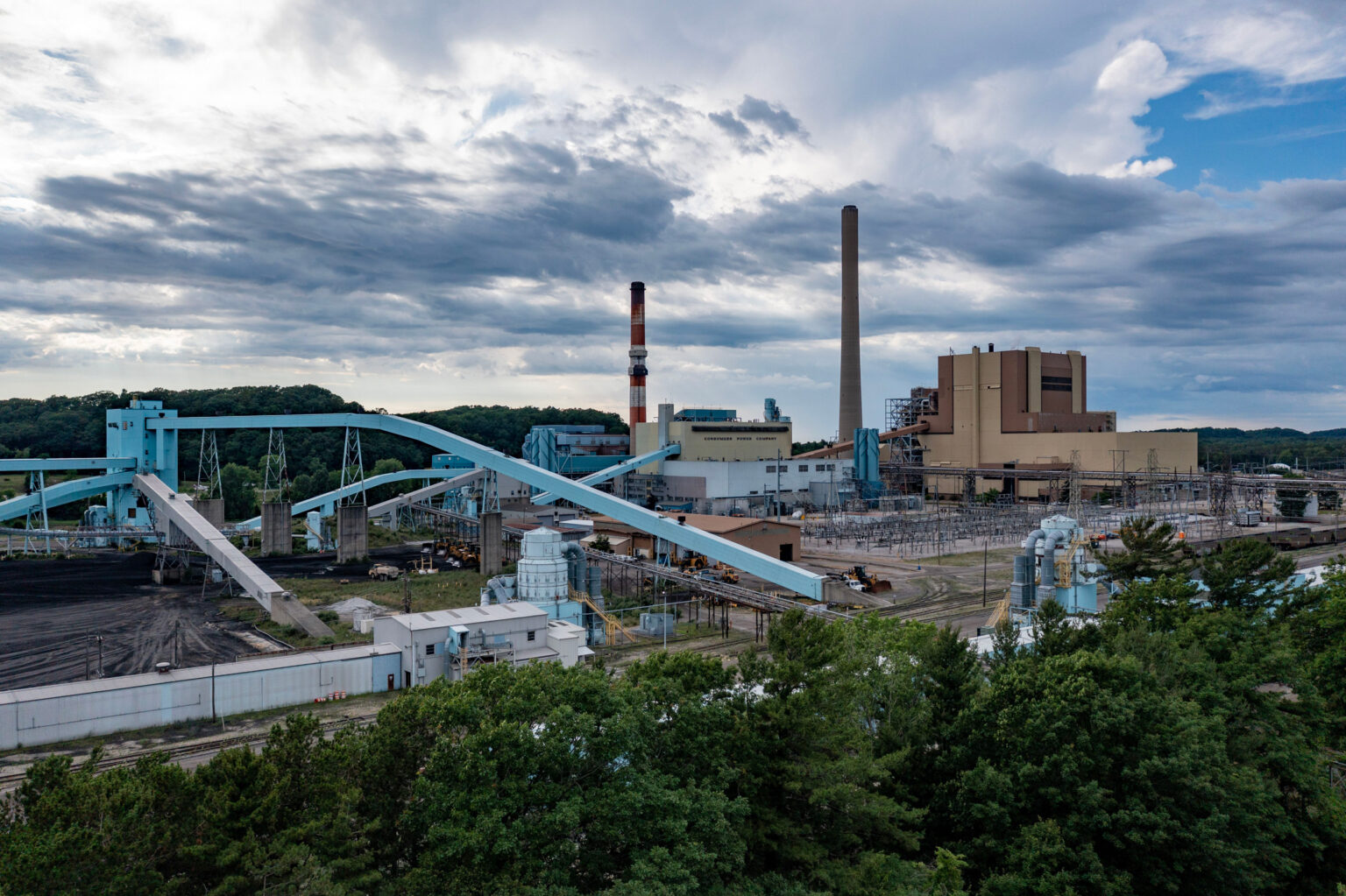
A view of Consumers Energy’s J.H. Campbell coal-fired power plant in West Olive, Mich. Credit: Jim West/UCG/Universal Images Group via Getty Images

Midwestern electricity ratepayers will pay the still-mounting tab under a plan Consumers Energy reported to regulators and investors.

The Trump administration’s emergency order to keep the huge J.H. Campbell coal plant on Lake Michigan operating past its planned retirement date has cost at least $80 million since May, its operator, Consumers Energy, told regulators and investors this week.

The company said in its third-quarter earnings report Thursday that it would pursue the process laid out in the U.S. Department of Energy’s order for collecting those costs: It will seek payment from ratepayers across the Midwest.

Even though the peak summer electricity demand season has passed, executives at Consumers, Michigan’s largest energy provider, said that they see no sign of let-up in the emergency orders.

“We expect those to continue for the long-term,” said CEO Garrick Rochow in a conference call for investors. “And we’re prepared to continue to operate the plant and comply with those orders.”

He said the costs—$615,385 per day—should be shared beyond the 1.9 million electricity customers of Consumers Energy. The company plans to propose the tab be split among ratepayers (an estimated 42 million to 45 million electricity customers) in the nine states served by the regional electric grid operator, the Midcontinent Independent System Operator (MISO).

“The benefits go to MISO,” Rochow said. “Not just to our customers, they go to MISO.”

Rochow said the Trump administration envisioned this approach. “That order from the Department of Energy has laid out a clear path to cost recovery,” he said. Consumers Energy will have to apply to the Federal Energy Regulatory Commission in order to pass the costs to the ratepayers, and states that oppose such a cost allocation could move to intervene in those proceedings.

U.S. Energy Secretary Chris Wright issued two consecutive 90-day orders—on May 23 and on Aug. 20—to keep the Campbell plant open under the emergency provisions of the Federal Power Act. In the past, such orders have been used to ensure energy delivery at times of natural disasters. But Wright used the act to execute Trump’s agenda to ramp up energy production, saying Campbell needed to stay open to minimize the risk of power outages and address critical grid security issues in the Midwest.

The Department of Energy did not immediately respond to a request for comment on the Campbell cost figures, nor did MISO. When he extended the Campbell order in August, Wright said that he was directing MISO “to take every step to minimize cost to the American people.”

“This order will help ensure millions of Americans can continue to access affordable, reliable, and secure baseload power,” he said in that statement.

But critics say the operation of the 63-year-old plant is generating unnecessary costs as well as pollution. In a September regulatory filing challenging the DOE’s order, a coalition of environmental groups pointed out that even on the day of highest peak demand this summer, MISO had an unused surplus of resources greater than 10 times the power provided by the Campbell plant.

And indeed, according to recent Environmental Protection Agency data, two of the three units at the Campbell plant were not operating at all for about 30 days of the 131 days from the start of the DOE order through Sept. 30. The third unit at the plant only ran for 18 days. Such stoppages could occur for maintenance or simply because the grid operator did not call on the plant to deliver energy to the grid.

“Forcing this unnecessary coal plant to keep operating is bilking consumers for the benefit of the coal industry,” said Michael Lenoff, senior attorney for Earthjustice, which is representing the environmental groups. 

Because DOE did not respond to their petition for reconsideration of the Campbell order within 30 days, the environmental groups and the states of Michigan, Minnesota and Illinois have asked the D.C. Circuit Court of Appeals to review the case. The purpose of the litigation, Lenoff said, is “to stop the administration from harming consumers, trampling markets and unlawfully usurping the authority of states and regulators to make decisions in the public interest.”

Campbell is by far the largest of three fossil fuel electricity plants that are staying open beyond their planned retirements under Trump administration emergency orders. Campbell released 6.6 million metric tons of carbon in 2023, the most recent year for which data is available. Talen Energy’s Wagner plant near Baltimore and Constellation Energy’s Eddystone plant just south of Philadelphia, both run on oil and natural gas. Some detail on their costs for keeping open may emerge next week, when Talen and Constellation report their third-quarter earnings.

Consumers Energy, which is continuing to work toward its previously stated goal of achieving net-zero carbon emissions by 2040, had projected that the retirement of the Campbell plant would save its customers $600 million over the next 20 years, or $30 million per year. Instead, running the plant for the past five months has cost close to three times that annual amount.

Original article by Marianne Lavelle republished from Inside Climate News under Creative Common License (CC BY-NC-ND 3.0).

Elon Musk urges you to be a Fascist like him, says that you can ignore facts and reality then.
Donald Trump urges you to be a Climate Science denier like him. He says that he makes millions and millions for destroying the planet, Burn, Baby, Burn and Flood, Baby, Flood.
Nigel Farage urges you to ignore facts and reality and be a climate science denier like him and his Deputy Richard Tice. He says that Reform UK has received £Millions and £Millions from the fossil fuel industry to promote climate denial and destroy the planet.
Continue ReadingTrump’s Order to Keep Michigan Coal Plant Running Has Cost $80 Million So Far

A New Unifying Issue: Just About Everyone Hates Data Centers

Spread the love

Original article by Dan Gearino republished from Inside Climate News under Creative Common License (CC BY-NC-ND 3.0).

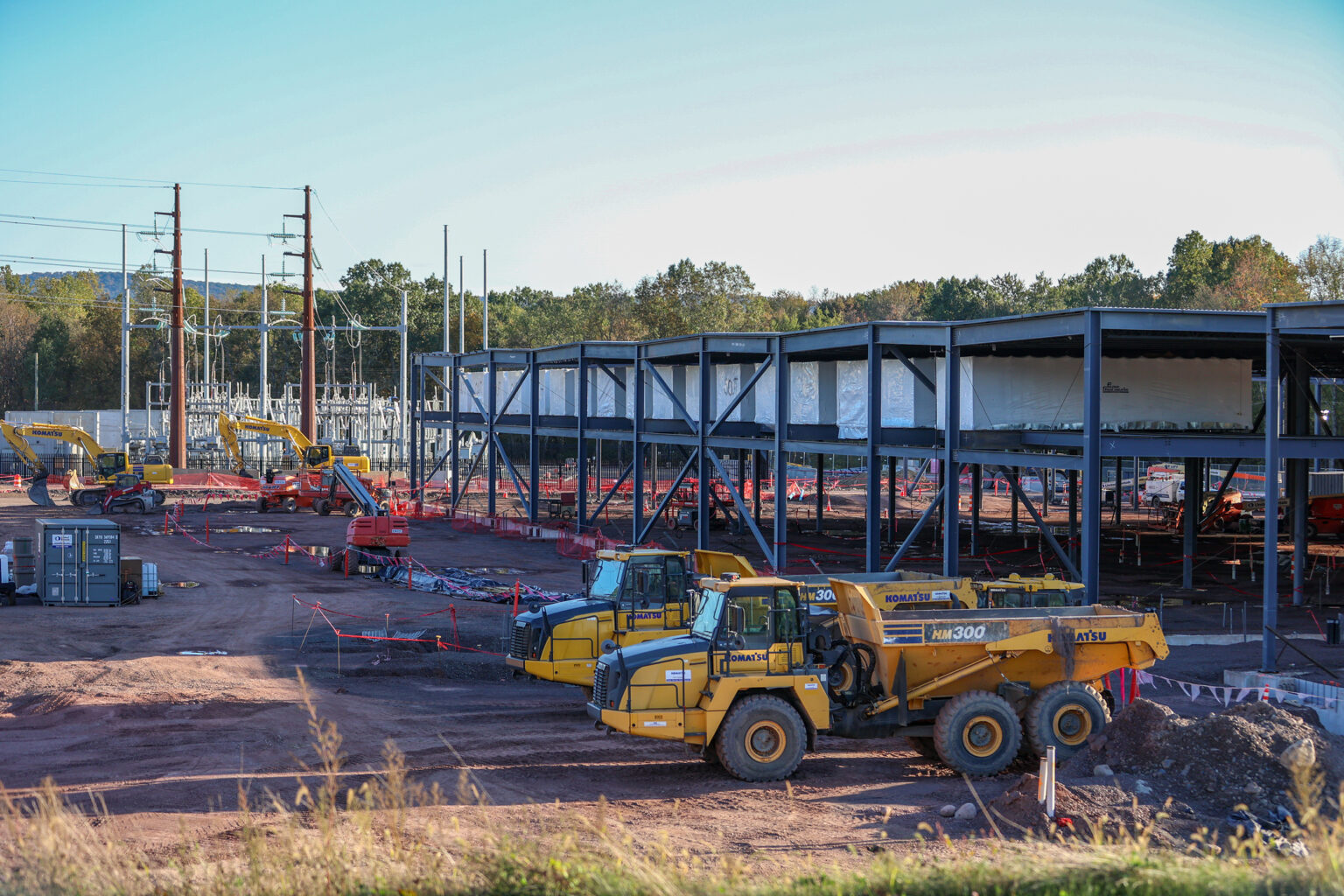
The construction site of an Amazon data center in Salem Township, Pa., on Oct. 10. Credit: Jason Ardan/Citizens’ Voice via Getty Images

It’s not a novel observation to say that supporters of President Donald Trump and supporters of U.S. Sen. Bernie Sanders find common ground on many issues. They often share a skepticism of entrenched power and a desire to dismantle systems that they think have ceased to serve everyday people.

In Indiana, this agreement includes a distrust of data centers.

“The MAGA crowd and the Bernie bros have both figured out that they’ve been getting duped,” said Kerwin Olson, executive director of Citizens Action Coalition, an Indianapolis-based consumer and environmental advocacy nonprofit. “It was data centers that really brought it all together.”

Olson’s organization is running a campaign to persuade Indiana lawmakers to place a moratorium on new data centers and to redesign electricity rates to protect residential consumers from rate increases related to data center development.

He has received an emphatic response, with groups from the left, right and in-between booking him for speaking engagements and offering their assistance.

Election results last week confirm a similar dynamic in much of the country. Democrats won races for governor in New Jersey and Virginia and for two open seats on the Georgia Public Service Commission, campaigns in which data centers and rising electricity costs were issues. Media outlets noted this pattern, including in an insightful report from Jael Holzman of Heatmap and a look ahead to next year’s elections from Marc Levy and Jesse Bedayn of the Associated Press.

While much of the discussion is about data centers, the underlying issues are broader, touching on the power of tech companies. For people who live near proposed data centers, there is an additional sense of powerlessness, which Inside Climate News has documented across the country, including the backlash to a plan for a huge data center in Bessemer, Alabama.

“It’s about big tech,” Olson said. “To steal Bernie’s words, [it’s about] these big tech oligarchs that are calling all the shots at every single level of government right now.”

I also see some similarities with local opposition to large wind and solar projects, a subject I’ve written a lot about over the years. A common theme is that residents feel frustrated when powerful companies want to make changes that would alter local landscapes.

Olson said he agrees that there is some overlap between opposition to data centers and large renewable energy development, but he views the latter as more of a rural phenomenon, while concern about data centers is rising almost everywhere.

Google scrapped its plans for a large data center in Indianapolis in September amid local backlash. In northwest Indiana, residents in the small city of Hobart have organized to oppose two data centers, raising concerns about the projects’ electricity and water consumption.

It’s notable that the opposition tends to highlight concerns about high electricity bills, but doesn’t talk as much about data centers’ negative climate impacts. Indiana can see the ramifications as officials push to delay the retirement of coal-fired power plants so the state can meet an expected surge in electricity demand, driven, in part, by data centers.

Political candidates can harness this mounting opposition and data center companies will need to devote more resources to engaging with the public.

Vivek Shastry, a senior research associate at Columbia University’s Center on Global Energy Policy, told me that it’s important for the AI and data center industries to find ways to provide local benefits to host communities and to minimize any negative effects on household electricity costs.

He touched on these subjects in a recent blog post, co-written with his colleague Diana Hernández. When I read this, my first thought was, “Wait, there are local benefits?”

He explained that there are opportunities in terms of energy and money. He pointed to examples in Denmark and Finland of data centers harnessing their waste heat to contribute to district heating systems for local communities.

Beyond that—which I think would be a challenge to do in the United States—he said AI and data center developers can make community benefits part of their proposals. This could mean working with local leaders to find ways to address local needs through philanthropy.

“To the extent that there is a partnership with communities, and there are these pathways to enable tangible co-benefits,” he said.

The opposite can also be true, with local communities feeling like they are bearing the burden of a data center with few, if any, benefits.

Shastry’s larger point is that government officials and corporate leaders need to make sure that development does not harm the most vulnerable consumers by driving up costs of water and electricity. To do otherwise would feed into consumer unrest.

“It’s important to get those processes and protections right early on, because the pace of this growth is such that once you lock into certain kinds of rates and other pathways, it then becomes harder to reverse,” Shastry said.

Voters are already getting upset about electricity rate increases that they blame on data centers, even though the AI industry is in its infancy. The negative effects, if left to fester, could get much worse.

Original article by Dan Gearino republished from Inside Climate News under Creative Common License (CC BY-NC-ND 3.0).

Elon Musk urges you to be a Fascist like him, says that you can ignore facts and reality then.
Donald Trump urges you to be a Climate Science denier like him. He says that he makes millions and millions for destroying the planet, Burn, Baby, Burn and Flood, Baby, Flood.
Nigel Farage urges you to ignore facts and reality and be a climate science denier like him and his Deputy Richard Tice. He says that Reform UK has received £Millions and £Millions from the fossil fuel industry to promote climate denial and destroy the planet.
Continue ReadingA New Unifying Issue: Just About Everyone Hates Data Centers

Who supports Reform and why? The charts that show who favours Farage’s party

Spread the love

https://www.theguardian.com/politics/2025/nov/13/who-votes-for-reform-and-why-charts-that-show-who-supports-farage-party

 Composite: Reuters/The Guardian

Based on the largest poll of supporters yet, these charts and maps show five distinct groups that could hand Reform a majority

 The real Reform voters have been revealed – it’s a slapdash coalition Farage will struggle to hold together

Research based on a poll of 11,000 Reform UK supporters, the biggest survey of its kind, tells us more about who is intending to vote for the party than has been previously known.

The in-depth polling analysis from Hope Not Hate reveals a voter coalition that stretches from struggling workers and frustrated graduates to wealthy retirees, in places from Hitchin to Runcorn.

While immigration is often viewed as the defining issue for Reform supporters, the data shows a far more complex picture. This diverse coalition is deeply divided on big issues such as the economy, the climate crisis and the role of government.

Who are the Reform supporters?

The research divides them into five groups, based on their attitudes towards different issues. These groups are the “working right”, “hardline conservatives”, “squeezed stewards”, “contrarian youth” and “reluctant reformers”. They differ in some key ways.

Anki Deo, who leads the policy and insights team at Hope Not Hate, says that in “an era of hyper-marginal politics where election results are decided by just a few percentage points”, identifying these groups and where they live is crucial.

She adds: “For those of us desperate to prevent a Farage-led government in 2029, this research shows us that not all is lost. Reform UK voters do not fit a single profile or ideology. Far from a homogenous group, it is a broad coalition, with many voters having quite different and contradictory views from each other.

https://www.theguardian.com/politics/2025/nov/13/who-votes-for-reform-and-why-charts-that-show-who-supports-farage-party is recommended

Nigel Farage explains the politics of Reform UK: Racism, Fake anti-establishmentism, Deregulation, Corporatism, Climate Change Denial, Mysogyny and Transphobia.
Nigel Farage urges you to ignore facts and reality and be a climate science denier like him and his Deputy Richard Tice. He says that Reform UK has received £Millions and £Millions from the fossil fuel industry to promote climate denial and destroy the planet.
Nigel Farage reminds you that he's the man that brought you Brexit and asks what could possibly go wrong.
Nigel Farage reminds you that he’s the man that brought you Brexit and asks what could possibly go wrong.
Continue ReadingWho supports Reform and why? The charts that show who favours Farage’s party

No time to recover: Hurricane Melissa and the Caribbean’s compounding disaster trap as the storms keep coming

Spread the love
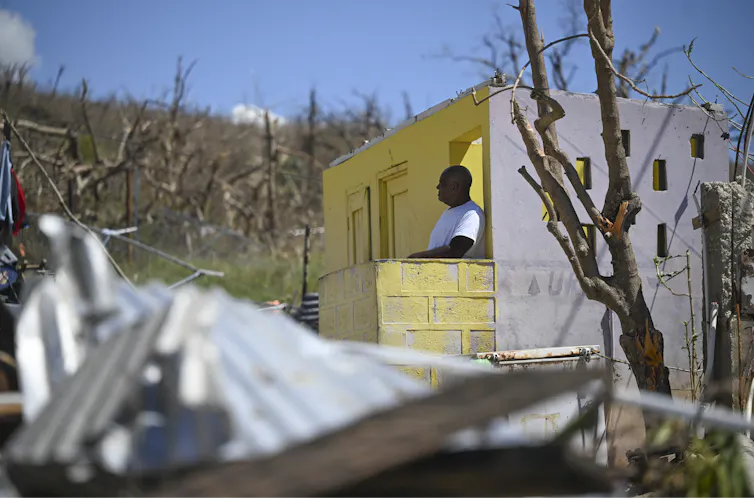
Hurricane Melissa tore off roofs and stripped trees of their leaves, including in many parts of Jamaica hit by Hurricane Beryl a year earlier. Ricardo Makyn/AFP via Getty Images

Farah Nibbs, University of Maryland, Baltimore County

Headlines have been filled with talk of the catastrophic power of Hurricane Melissa after the Category 5 storm devastated communities across Jamaica, Cuba and Haiti in October 2025. But to see this as a singular disaster misses the bigger picture: Melissa didn’t hit stable, resilient islands. It hit islands still rebuilding from the last hurricane.

Jamaica was still recovering from Hurricane Beryl, which sideswiped the island in July 2024 as a Category 4 storm. The parish of St. Elizabeth – known as Jamaica’s breadbasket – was devastated. The country’s Rural Agriculture Development Authority estimated that 45,000 farmers were affected by Beryl, with damage estimated at US$15.9 million.

An aerial view of a city damaged by the hurricane. Mud is in the streets and buildings have lost roofs and walls.
St. Elizabeth Parish, Jamaica, suffered intense damage from both Hurricane Melissa in October 2025 and Hurricane Beryl a year earlier. Ivan Shaw/AFP via Getty Images

In Cuba, the power grid collapsed during Hurricane Oscar in October 2024, leaving 10 million people in darkness. When Melissa arrived, it struck the same fragile infrastructure that Cubans had barely begun to rebuild.

Haiti’s fragile situation before Hurricane Melissa cannot be overstated. The island nation was still reeling from years of cascading disasters – deadly hurricanes, political instability, gang violence, an ongoing cholera crisis and widespread hunger – with over half the population already in need of humanitarian assistance even before this storm hit.

This is the new reality of the climate crisis: Disasters hitting the Caribbean are compounding and can trigger infrastructure collapse, social erosion and economic debt spirals.

The compounding disaster trap

I study disasters, with a focus on how Caribbean island systems absorb, adapt to and recover from recurring shocks, like the nations hit by Melissa are now experiencing.

It’s not just that hurricanes are more frequent; it’s that the time between major storms is now shorter than the time required for a full recovery. This pulls islands into a trap that works through three self-reinforcing loops:

Infrastructure collapse: When a major hurricane hits an already weakened system, it causes simultaneous infrastructure collapses. The failure of one system – such as power – cascades, taking down water pumps, communications and hospitals all at once. We saw this in Grenada after Hurricane Beryl and in Dominica after Hurricane Maria. This kind of cascading damage is now the baseline expectation for the Caribbean.

Economic debt spiral: When countries exhaust their economic reserves on one recovery, borrow to rebuild and are then hit again while still paying off that debt, it becomes a vicious cycle.

Hurricane Ivan, which struck the region in 2004, cost Grenada over 200% of its gross domestic product; Maria, in 2017, cost Dominica 224% of its GDP; and Dorian, in 2019, cost the Bahamas 25% of GDP. With each storm, debt balloons, credit ratings drop and borrowing for the next disaster becomes more expensive.

Social erosion: Each cycle weakens the human infrastructure, too. More than 200,000 people left Puerto Rico for the U.S. mainland in Maria’s aftermath, and nearly one-quarter of Dominica’s population left after the same storm. Community networks fragment as people leave, and psychological trauma becomes layered as each new storm reopens the wounds of the last. The very social fabric needed to manage recovery is itself being torn.

The interior of a school that has been torn apart by hurricane winds. Desks and debris are scattered and light shines through the rafters
When schools are heavily damaged by storms, like this one in Jamaica that lost its roof during Hurricane Melissa, it’s harder for families to remain. Ricardo Makyn/AFP via Getty Images

The trap is that all three of these loops reinforce each other. A country can’t rebuild infrastructure without money. It can’t generate economic activity without infrastructure. And it can’t retain the skilled workforce needed for either when people are fleeing to safer places.

Rebuilding a system of overlapping recoveries

The Caribbean is not merely recovering from disasters – it is living within a system of overlapping recoveries, meaning that its communities must begin rebuilding again before fully recovering from the last crisis.

Each new attempt at rebuilding happens on the unstable physical, social and institutional foundations left by the last disaster.

The question isn’t whether Jamaica will attempt to rebuild following Melissa. It will, somehow. The question is, what happens when the next major storm arrives before that recovery is complete? And the one after that?

Without fundamentally restructuring how we think about recovery – moving from crisis response to continuous adaptation – island nations will remain trapped in this loop.

The way forward

The compounding disaster trap persists because recovery models are broken. They apply one-size-fits-all solutions to crises unfolding across multiple layers of society.

Breaking free requires adaptive recovery at all levels, from household to global.

A line of people pass bags of food items one to another.
Residents formed a human chain among the hurricane debris to pass food supplies from a truck to a distribution center in the Whitehouse community in Westmoreland, an area of Jamaica hit hard by Hurricane Melissa in October 2025. Ricardo Makyn/AFP via Getty Images

At the household level: Helping amid trauma

Recovery isn’t just about repairing a damaged roof. When families experience back-to-back disasters, trauma compounds. Direct cash assistance and long-term, community-based mental health services can help restore dignity.

Cash transfers allow families to address their own needs, stimulate local economies and restore control to people whose lives have been repeatedly upended.

At community level: Mending the social fabric

Repairing the “social fabric” means investing in farmer cooperatives, neighborhood associations and faith groups – networks that can lead recovery from the ground up.

Local networks are often the only ones capable of rebuilding trust and participation.

At the infrastructure level: Breaking the cycle

The pattern of rebuilding the same vulnerable roads or power lines only to see them wash away in the next storm fails the community and the nation. There are better, proven solutions that prepare communities to weather the next storm:

A man looks into an open drainage area that has been torn up out by the storm
Hurricanes can damage infrastructure, including water and drainage systems. Hurricane Beryl left Jamaican communities rebuilding not just homes but also streets, power lines and basic infrastructure. Ricardo Makyn/AFP via Getty Images

At the global level: Fixing the debt trap

None of this is possible if recovery remains tied to high-interest loans. There are ways for internal financial institutions and global development lenders to allow for breathing room between disasters:

The current international disaster finance system, controlled by global lenders and donors, requires countries to prove their losses after a disaster in order to access assistance, often resulting in months of delay. “Proof” is established by formal evaluations or inspections, such as by the United Nations, and aid is released only after meeting certain requirements. This process can stall recovery at the moment when aid is needed the most.

The bottom line

The Caribbean needs a system that provides support before disasters strike, with agreed-upon funding commitments and regional risk-pooling mechanisms that can avoid the delays and bureaucratic burden that slow recovery.

What’s happening in Jamaica, Cuba and Haiti today is a glimpse of what’s coming for coastal and island communities worldwide as climate change accelerates. In my view, we can either learn from the Caribbean’s experiences and redesign disaster recovery now or wait until the trap closes around everyone.

Farah Nibbs, Assistant Professor of Emergency and Disaster Health Systems, University of Maryland, Baltimore County

This article is republished from The Conversation under a Creative Commons license. Read the original article.

Elon Musk urges you to be a Fascist like him, says that you can ignore facts and reality then.
Donald Trump urges you to be a Climate Science denier like him. He says that he makes millions and millions for destroying the planet, Burn, Baby, Burn and Flood, Baby, Flood.
Nigel Farage urges you to ignore facts and reality and be a climate science denier like him and his Deputy Richard Tice. He says that Reform UK has received £Millions and £Millions from the fossil fuel industry to promote climate denial and destroy the planet.

Continue ReadingNo time to recover: Hurricane Melissa and the Caribbean’s compounding disaster trap as the storms keep coming