New wave of Israeli terrorist cyber attacks hit Lebanon

Spread the love

Original article by Aseel Saleh republished from peoples dispatch under a Creative Commons Attribution-ShareAlike 4.0 (CC BY-SA) license.

A person is carried on a stretcher outside the American University of Beirut Medical Center following the pager blasts on Tuesday, September 17, 2024. Photo: Al Manar

Facing no consequences from the international community on its first series of cyber terrorist attacks in Lebanon, Israel launched a new wave of similar attacks within less than 24 hours

At least nine people were killed and more than 300 others injured when thousands of wireless devices including walkie-talkies were detonated in different parts of Lebanon on Wednesday, September 18. The new blasts took place, while the information regarding the first day’s cyber terrorist attacks through pagers remained largely unknown and subject to speculation.

Preliminary media reports stated that the trademark of Taiwan pager manufacturer Gold Apollo was identified on the remains of the pagers, which detonated on Tuesday and that they were model AR-924. In response to the reports, Gold Apollo issued a statement on Wednesday denying that it had manufactured the pagers used by Hezbollah members, clarifying that its logo was only labelled on the devices, which were manufactured by a Hungarian company called BAC through a licensing agreement with the Taiwanese company.

“According to the cooperation agreement, we authorize BAC to use our brand trademark for product sales in designated regions, but the design and manufacturing of the products are solely the responsibility of BAC,” Gold Apollo said in a statement, while the Hungarian partner BAC has not commented on the incident so far.

Meanwhile, some of the walkie-talkie devices that exploded on Wednesday, were reportedly identified as Icom model V82s, according to media sources. Nonetheless, Icom has not commented on the tragic blasts yet.

Although the United States said on Tuesday that it was not aware of the cyber terrorist attacks on Lebanon in advance, CNN published a report on Wednesday unveiling that Israeli officials informed the US about an Israeli plan to carry out an operation in Lebanon on Tuesday without providing it with further details about the planned operation.

While media outlets have been relying on information provided by anonymous or special sources, as well as analysts to demystify the terrorist attacks that rocked Lebanon on Tuesday and Wednesday, no official statement has been issued on the circumstances of the attacks by Hezbollah yet. However, Hezbollah-run Al Manar news network announced that Hezbollah Secretary General Sayyed Hassan Nasrallah will deliver a speech via Al-Manar television at 17:00 (Beirut time) on Thursday to respond to the new development.

The United Nations Security Council also announced on Wednesday that it will hold an emergency meeting on Friday afternoon to discuss the recent mass explosions of communication devices across Lebanon. The meeting was scheduled after Algeria submitted a request to the Security Council on Wednesday, amidst the near complete silence of the international community, which was slammed by the Belgian Deputy Prime Minister Petra de Sutter. “Silence is not an option. An international investigation is called for. The bloodshed must end,” Sutter wrote on her platform on X, strongly condemning the “massive attack”, which she described as a “brutal escalation of violence.”

Izzat al-Rishq, a senior official in the Palestinian Islamic Resistance movement Hamas, also urged the international community to abide by its legal obligations to put an end to Israel’s actions. Al-Rishq described Israel’s cyber terrorist attacks on Lebanon as an assault that violated Lebanon’s land, its leadership, and its people.

Original article by Aseel Saleh republished from peoples dispatch under a Creative Commons Attribution-ShareAlike 4.0 (CC BY-SA) license.

Continue ReadingNew wave of Israeli terrorist cyber attacks hit Lebanon

Israel’s siege now blocks 83% of food aid reaching Gaza, new data reveals

Spread the love
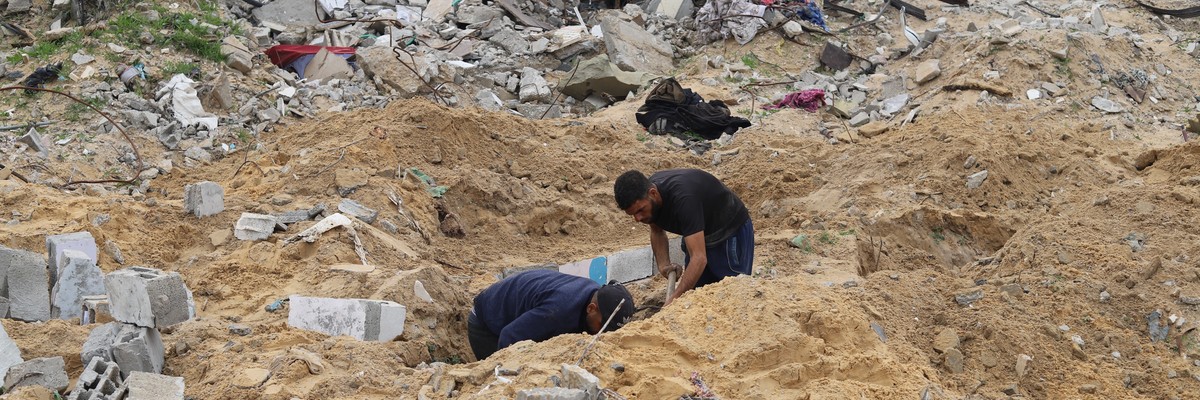
Palestinians inspect the damage following an Israeli airstrike on the El-Remal aera in Gaza City on October 9, 2023. Israel continued to battle Hamas fighters on October 10 and massed tens of thousands of troops and heavy armour around the Gaza Strip after vowing a massive blow over the Palestinian militants' surprise attack. Photo by Naaman Omar apaimages. licensed under the Creative Commons Attribution-Share Alike 3.0 Unported license.
Palestinians inspect the damage following an Israeli airstrike on the El-Remal aera in Gaza City on October 9, 2023. Israel continued to battle Hamas fighters on October 10 and massed tens of thousands of troops and heavy armour around the Gaza Strip after vowing a massive blow over the Palestinian militants’ surprise attack. Photo by Naaman Omar apaimages. licensed under the Creative Commons Attribution-Share Alike 3.0 Unported license.

15 aid organisations demand international pressure for an immediate ceasefire, arms embargo, and end to Israel’s systematic aid obstruction

New data has revealed the scale of aid obstruction, and the consequential drastic fall in aid entering Gaza. This is driving a humanitarian disaster, with the entire population of Gaza facing hunger and disease, and almost half a million at risk of starvation

While Israeli military attacks on Gaza intensify, lifesaving food, medicine, medical supplies, fuel, and tents have been systematically blocked from entering for almost a year. 

Data analysis by organisations working in Gaza has found that as a consequence of the Israeli government’s obstruction of aid: 

  • 83% of required food aid does not make it into Gaza, up from 34% in 2023.This reduction means people in Gaza have gone from having an average of two meals a day to just one meal every other day. An estimated 50,000 children aged between 6-59 months urgently require treatment for malnutrition by the end of the year.
  • 65% of the insulin required and half of the required blood supply are not available in Gaza. 
  • Availability of hygiene items has dropped to 15% of the amount available in September 2023. One million women are now going without the hygiene supplies they need. 
  • Only around 1,500 hospital beds in Gaza remain operational, compared to around 3,500 beds in 2023 which was already well below sufficient to meet the needs of a population of more than 2 million people. By comparison, cities of similar size, such as Chicago and Paris average 5 to 8 times more beds than in Gaza. 
  • 1.87 million people are in need of shelter with at least 60% of homes destroyed or damaged (January 2024). Yet tents for around just 25,000 people have entered Gaza since May 2024.

record low average of 69 aid trucks per day entered Gaza in August 2024, compared to 500 per working day last year; which was already not enough to meet people’s needs. In August more than 1 million people did not receive any food rations in southern and central Gaza. 

Now, only 17 out of 36 hospitals remain partially functional. Critical infrastructure such as water networks, sanitation facilities and bread mills have been razed to the ground. 

While humanitarian needs are ever increasing, agencies have detailed six main ways their life-saving aid is systematically obstructed on a daily basis.

These include the denial of safety, with more than 40,000 Palestinians and nearly 300 aid workers killed since last October; the sharp tightening of a 17-year blockade to a full siege, which prevents aid from entering Gaza; delays and denials which restrict the movement of aid around Gaza; tightly restrictive and unpredictable control of imports; the destruction of public infrastructure such as schools and hospitals; and the displacement of civilians and humanitarian workers (witnessed again in recent displacement orders from the so-called “humanitarian zone” in Deir el-Balah.)

Ahead of the UN General Assembly in New York this week, aid agencies are calling on governments to demand Israel end aid obstruction and to:

  • Secure an immediate and lasting ceasefire in Gaza. 
  • Implement an arms embargo and end the export of weapons and military equipment that risk being used in violations of international humanitarian law and human rights law. 
  • Demand compliance with the International Court of Justice’s findings and recommendations, an end to the Israeli government’s siege of Gaza, and heed the call of the ICJ in its advisory opinion to end the occupation of Palestinian territory. 

Jolien Veldwijik, CARE Country Director in the West Bank and Gaza, said:

“The situation was intolerable long before last October’s escalation and is beyond catastrophic now. Over 11 months, we have reached shocking levels of conflict, displacement, disease and hunger. Yet, aid is still not getting in, and humanitarian workers are risking their lives to do their jobs while attacks and violations of international law intensify. Aid, which is urgently required for 2.2 million people at risk of dying in the coming weeks and months, should never be politicised. We demand an immediate and sustained ceasefire, and the free flow of humanitarian aid into and throughout Gaza.” 

Amjad Al Shawa, the director of the Palestinian NGOs Network (PNGO), an umbrella organisation of 30 Palestinian NGOs and a partner of ActionAid, said:

 “There is a shortage of all humanitarian items. We are overwhelmed [with] these needs and [these] urgent requirements…People [are] starving due to the shortage of aid…100% of the population depend on humanitarian aid…It’s the worst situation that we [witnessed] during …. the Israel war in Gaza.”

  1. CARE International
  2. Save the Children
  3. ActionAid
  4. Christian Aid
  5. War Child
  6. Islamic Relief
  7. HelpAge International 
  8. American Friends Service Committee
  9. Oxfam
  10. DanChurchAid
  11. Norwegian Church Aid
  12. Mennonite Central Committee
  13. Danish Refugee Council
  14. Norwegian Refugee Council
  15. KinderUSA

Continue ReadingIsrael’s siege now blocks 83% of food aid reaching Gaza, new data reveals

Death toll of Gaza’s health workers crosses 1,000

Spread the love

Original article by Peoples Health Dispatch republished from peoples dispatch under a Creative Commons Attribution-ShareAlike 4.0 (CC BY-SA) license.

Palestinian Red Crescent crews mourn fellow paramedics Haitham Tubasi and Suhail Hassouna, killed by Israeli forced (Photo via PRCS)

A new report from the Palestinian Ministry of Health warns that over 1,000 health workers in Gaza have been killed by Israeli forces since October 2023. Meanwhile, a severe shortage of essential hygiene supplies continues to exacerbate the health crisis

Israel has killed 1,151 workers in Gaza’s healthcare system since October 2023, according to the Palestinian Ministry of Health. Among the dead are 260 nurses, 184 health associates, 165 physicians, and 76 pharmacists, along with hundreds of management and support staff. While most of the victims’ names have been confirmed by health authorities, over 150 confirmations are still pending due to Israel’s refusal to release the martyrs’ bodies.

In addition to those killed, hundreds of health workers remain imprisoned, where they face abuse and torture, as documented by international organizations. Ziad Muhammad Al-Dalu, a physician from Al-Shifa Hospital, was among those who died in Israeli custody, as reported by the Ministry of Health. His death serves as yet another example of Israel’s deliberate targeting of Gaza’s healthcare workers and infrastructure, actions that violate international humanitarian law.

Read more: Palestinian health workers in Gaza describe torture and abuse in Israeli detention

The ongoing attacks on healthcare have left tens of thousands of people with life-altering injuries. According to the World Health Organization (WHO), approximately 25% of those injured between October 2023 and July 2024 have suffered burns, severe limb injuries, or amputations, with no access to rehabilitation services. Dozens of physiotherapists were killed in the attacks, and inpatient rehabilitation services have been shut down for months. “Even the most essential assistive devices, like wheelchairs and crutches, are lacking due to the restricted flow of aid,” the WHO said.

Israel’s blockade on humanitarian aid continues to choke Gaza’s healthcare system. At the moment, one of the most urgent problems is the shortage of soap and detergents. With the cost of a small bar of soap reaching USD 10—a price that could buy approximately 2 kilograms of soap in Germany—many families in Gaza are unable to afford basic hygiene supplies. “A family relying on cash-for-work income would spend 60% of the unskilled income on consumable hygiene products,” warned organizations monitoring water and sanitation in Gaza.

With soap being an omnipresent product, it might be difficult to imagine how severe the effects of a shortage might be, particularly for children. Health and hygiene officials estimate that adequate access to soap in the Gaza Strip could reduce respiratory infections by 20% and diarrheal diseases by up to 40%. This would potentially prevent illness in at least one in three children currently suffering from diarrhea. However, humanitarian organizations estimate that delivering the 5 million soap bars needed each month to meet demand in Gaza is basically impossible under the existing restrictions.

Read more: Israel targets health workers in the West Bank, obstructs polio campaign in Gaza

Despite this situation, Gaza recently completed the first phase of its polio vaccination campaign, with an 87% coverage rate among children—just below the 90% benchmark. The campaign is set to resume in the coming weeks, but incidents of Israeli forces obstructing access to those taking part in it persist, jeopardizing future public health efforts.

As winter approaches, the need for essential medicines, hygiene supplies, and nutritious food in Gaza becomes even more urgent. Concerns about potential floods and worsening living conditions highlight once again the critical need for an immediate ceasefire and rebuilding of the health system.

Original article by Peoples Health Dispatch republished from peoples dispatch under a Creative Commons Attribution-ShareAlike 4.0 (CC BY-SA) license.

Continue ReadingDeath toll of Gaza’s health workers crosses 1,000

Morning Star Editorial: Britain must act against Israel’s attempts to ignite wider war

Spread the love

https://morningstaronline.co.uk/article/britain-must-act-against-israels-attempts-ignite-wider-war

Civil Defence first-responders carry a man who was wounded after his handheld pager exploded, in the southern port city of Sidon, Lebanon, September 17, 2024

FOLLOWING Israel’s murderous exploding-pager stunt in Lebanon, Labour’s Emily Thornberry is asking questions every Cabinet minister should answer.

It is all very well for the Foreign Office to call for “calm heads and de-escalation” every time Israel bombs or assassinates people in neighbouring countries.

Since Israel faces no consequences for repeated escalation, it will continue to escalate: and, as Iran warned after the assassination of Hamas leader Ismail Haniyeh in Tehran, this means a failure to respond to Israel’s provocations is itself escalatory, likely to lead to wider war.

Iran called on the UN security council to rein Israel in: since Israeli allies Britain, France and the US have a majority on that council, and since all are also involved in supplying arms to Israel and providing logistical support for its war on Palestine, the particular responsibility to act rests with Tel Aviv’s Western backers.

Thornberry, newly elected chair of the foreign affairs committee in the Commons, asks: “Why is this happening now? And what will the result be?

“…Is this the first step, and what will Israel do next? Is it part of a larger plan? It is very worrying and I would certainly be expecting Israel’s friends to be speaking very seriously to them, and saying: ‘What on Earth are you doing’?”

Thornberry could go a lot further. She could call out the pager operation for what it was: a callous act of terrorism committed in a country with which Israel is not at war.

https://morningstaronline.co.uk/article/britain-must-act-against-israels-attempts-ignite-wider-war

Continue ReadingMorning Star Editorial: Britain must act against Israel’s attempts to ignite wider war

Peace, justice and a new left party launched in London?

Spread the love

https://morningstaronline.co.uk/article/peace-justice-and-new-left-party-launched-london

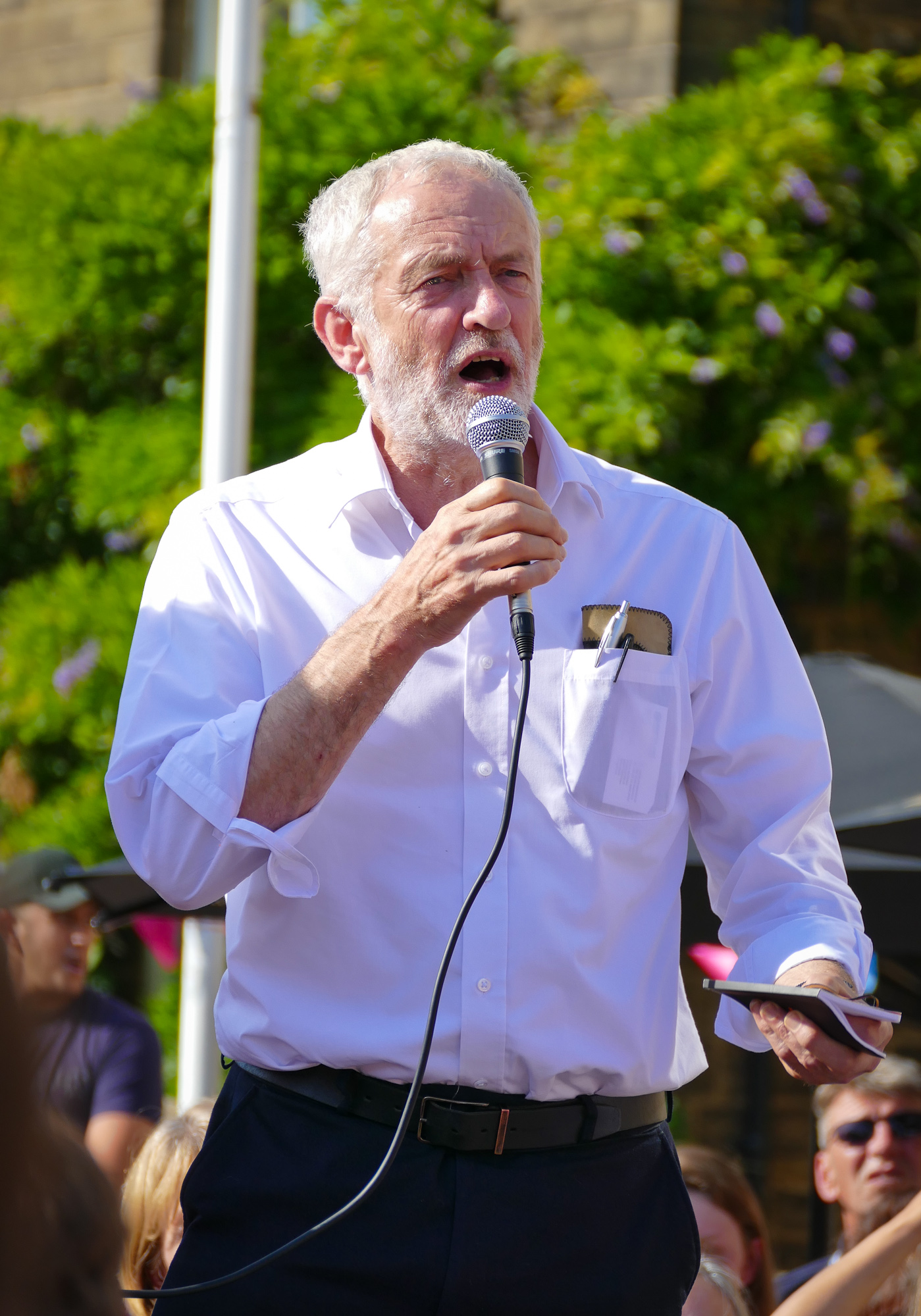
Former Labour Party leader and now Independent MP Jeremy Corbyn on stage to address a march in central London organised by the Palestine Solidarity Campaign, July 6, 2024

LINDA PENTZ GUNTER reports on speakers highlighting global conflicts, from Gaza to Manipur, as Jeremy Corbyn’s initiative gathers leading lights of the left to grapple with Britain’s progressive political future

EVERY morning, Lubna Masarwa repeats the same task. She views footage and photographs and decides what her news outlet will publish. Except that these are no ordinary images. These are the pictures coming from Gaza and now the West Bank, and, according to Masarwa, they can be summed up in a single word: horrible.

“I have never witnessed such a thing,” said Masarwa, the Jerusalem bureau chief of the news website Middle East Eye, who has been covering Israel’s genocide in Gaza since it began.

The material she is forced to view includes “mothers grieving near Nasser hospital trying to recognise the bodies of their children,” says Masarwa, children who are often only identifiable by the shoes they were wearing that day or even their teeth. “I would say Israel went mad,” she said.

Masarwa was the opening speaker of a day-long conference last Saturday in London, hosted by the Peace and Justice Project (PJP), an initiative launched in December 2020 by Jeremy Corbyn and his wife, Laura Alvarez. The PJP said Corbyn was designed to be “a political home for the politically homeless.”

https://morningstaronline.co.uk/article/peace-justice-and-new-left-party-launched-london

Continue ReadingPeace, justice and a new left party launched in London?