Bee-killing pesticide widespread in England’s rivers, analysis finds

Spread the love

https://morningstaronline.co.uk/article/bee-killing-pesticide-widespread-englands-rivers-analysis-finds Many articles from the Morning Star today

A bee collecting pollen in the city of Bristol

CHEMICALS highly harmful to wildlife and human health are widespread in England’s rivers, research published today has found.

Neonicotinoid pesticides, which are lethal for bees, have been found in 85 per cent of tested rivers, according to analysis by the Rivers Trust and Wildlife & Countryside Link.

The groups looked at Environment Agency data on rivers tested between 2023 to 2024.

All five of the neonicotinoids analysed for were detected at sites on the River Waveney and River Wensum in the east Midlands, but only 27 sites were tested, compared with 43 in 2020-22, signalling strained resources at the environmental regulator.

According to experts at the University of Sussex, a single teaspoon of the pesticide is enough to kill 1.25 billion bees.

Neonicotinoid pesticides have already been restricted in Britain, but have been granted “emergency” authorisations every year since 2021.

During its election campaign, Labour pledged to fully ban the chemicals, which have already been prohibited in the EU.

https://morningstaronline.co.uk/article/bee-killing-pesticide-widespread-englands-rivers-analysis-finds Many articles from the Morning Star today
Continue ReadingBee-killing pesticide widespread in England’s rivers, analysis finds

River Action hires top litigator as it intensifies its efforts to hold polluters account

Spread the love

https://morningstaronline.co.uk/article/river-action-hires-top-litigator-it-intensifies-its-efforts-hold-polluters-account

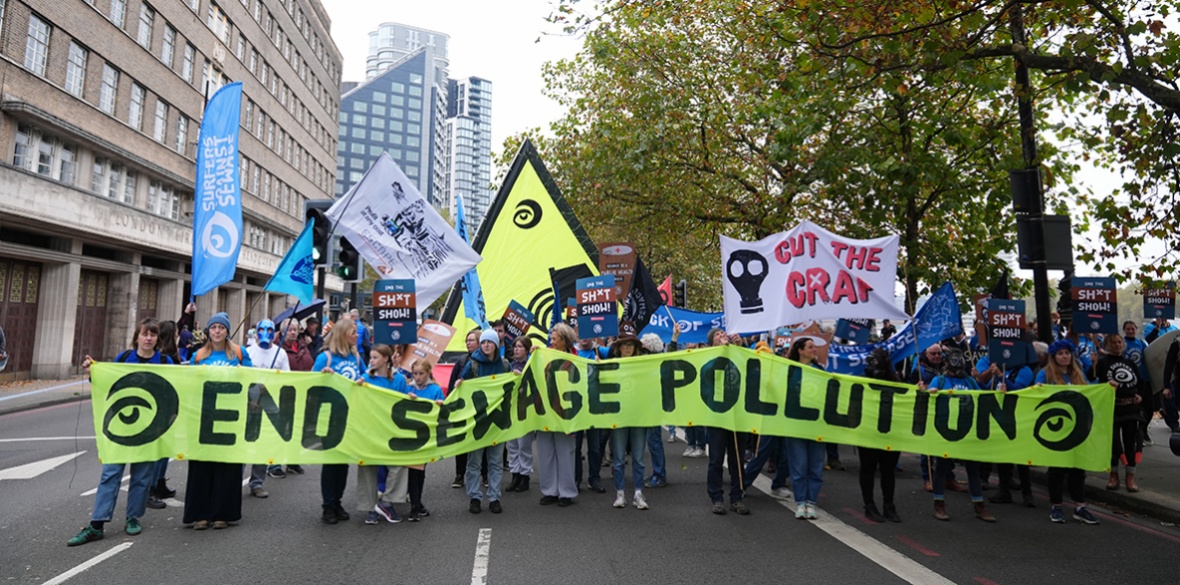
People take part in the Clean Water march in central London, to demand tougher action on keeping the UK’s rivers and seas clean, November 3, 2024

THE River Action campaign has hired a top litigator as it intensifies efforts to hold polluters account and restore Britain’s waterways.

Emma Dearnaley, previously legal director at the Good Law Project, will join the group as its new head of legal in January.

She fought several cases in her former job, including a successful challenge against the Department for Environment Food and Rural Affairs that led to the government expanding the scope of its Storm Overflows Discharge Reduction Plan to include coastal waters.

River Action chief executive James Wallace said: “This is a shot across the bow for polluters and the government alike.

“The law is one of our strongest tools, not only to compel polluters to repair and update their infrastructure but also to compel the government to adequately fund environmental regulators.

“After 14 years of budget cuts, it’s time for the Environment Agency to have the resources to enforce the law against agricultural, sewage and chemical polluters and for Ofwat to stop water companies polluting for profit.”

https://morningstaronline.co.uk/article/river-action-hires-top-litigator-it-intensifies-its-efforts-hold-polluters-account

Continue ReadingRiver Action hires top litigator as it intensifies its efforts to hold polluters account

Target date for cleaning up waterways in England is moved back by 36 years

Spread the love

https://www.theguardian.com/environment/2022/dec/22/target-date-for-cleaning-up-waterways-in-england-is-moved-back-by-36-years

Environment Agency under fire for extending schedule for tackling pollution in rivers, lakes and coastal waters to 2063

Targets to clean up the majority of England’s rivers, lakes and coastal waters suffering from a cocktail of agricultural and sewage pollution have been pushed back from 2027 to 2063.

Not one English waterway, including rivers, lakes, estuaries and coastal waters is in good ecological and chemical health at present, with pollution from water treatment plants and agriculture the key sources of the damage. The Environment Agency said on Thursday £5.3bn was being invested for the next five years to stop the further deterioration of waterways.

But the summary documents within the plan reveal the target for all 3,651 water bodies to achieve good chemical and ecological status – a state in which they are as close to their natural state as possible – was now decades away in 2063.

Until Brexit the UK government was signed up to the water framework directive, which required countries to make sure all their waters achieved “good” chemical and ecological status by 2027 at the latest. The UK government later reduced the target to 75% of waterways reaching the single test of good ecological status by 2027 at the latest. The target for the majority of waterways to achieve good status in both chemical and ecological tests has now been pushed back to 2063, according to the documents.

dizzy: 2063, does that mean never that waters need to be cleaned up by? Filthy waters for the UK population then and greater profits to the effectively unregulated privatised companies responsible. I’m sure that someone warned that Brexit was about deregulation …

Continue ReadingTarget date for cleaning up waterways in England is moved back by 36 years