As Florida Ends All Childhood Vaccine Mandates, Doctors Fear Preventable Diseases Will ‘Come Roaring Back’

Spread the love

Original article by Stephen Prager republished from Common Dreams under Creative Commons (CC BY-NC-ND 3.0). 
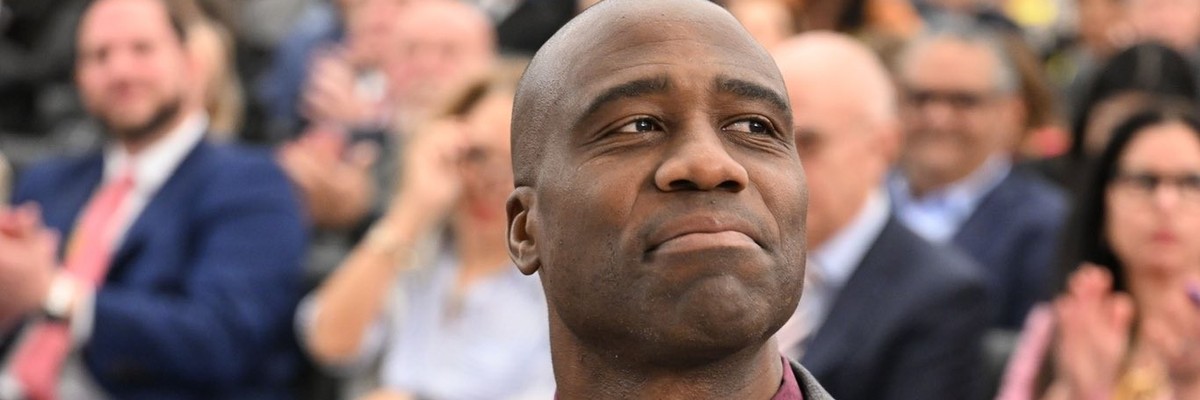
Florida Surgeon General Joseph Ladapo speaks before the Miami-Dade County Health & Safety Committee on March 14, 2025. (Photo: Joseph Ladapo)

“Florida’s decision to erase school vaccine requirements will cause preventable illness and death,” said one immunologist. “Not just for kids in Florida, for whole communities, of all ages, across the country.”

In a decision that has terrified medical professionals, Florida’s surgeon general announced Wednesday that he would seek to end all childhood vaccine requirements in the state, which he compared to “slavery.”

Currently, Florida requires children to be immunized against deadly diseases like measles, mumps, chickenpox, polio, and hepatitis in order to attend public school.

At a press conference alongside the state’s anti-vaccine Republican Gov. Ron DeSantis, Florida’s surgeon general, Dr. Joseph Ladapo, said that he believed the decision to make these vaccinations optional would receive the blessing of “God.”

“Every last one of them is wrong and drips with disdain and slavery,” Ladapo said of the mandates. “People have a right to make their own decisions. Who am I, as a government or anyone else, to tell you what you should put in your body? Our body is a gift from God. What you put into your body is because of your relationship with your body and your God.”

Many Republican-led states have rolled back requirements for residents to receive the Covid-19 vaccination and, in some cases, restricted access to it. But Ladapo, who has in the past been caught personally altering data to exaggerate the risks of the Covid-19 vaccine, is treading new ground with his pledge to eliminate “every last one” of the state’s childhood vaccine mandates, something no state, red or blue, has done.

While Ladapo’s decision is unprecedented, it is in step with the position of the current Republican Party, which is making health policy under the stewardship of longtime anti-vaccine influencer Robert F. Kennedy, Jr, who is the secretary of Health and Human Services under President Donald Trump.

Kennedy has limited who is eligible to receive the Covid-19 vaccine and is reportedly considering pulling it from the market altogether. And alongside a handpicked panel of anti-vaccine activists, he has also launched an effort to revise the entire childhood vaccine schedule.

In April, as a measles epidemic swept through pockets of Texas with low vaccination rates and killed two unvaccinated children, Kennedy downplayed the disease’s severity and hyped long-disproven claims about the dangers of the Measles, Mumps, and Rubella (MMR) vaccine, which virtually eradicated the disease in the US for over 20 years.

Since the Covid-19 pandemic, the number of parents declining to vaccinate their children has soared across the US. According to the Kaiser Family Foundation, during the 2019-20 school year, just three US states had rates of MMR vaccination lower than 90%. In 2025, that number had increased to 16.

As of July, 1,280 measles cases had been reported in the US—the most cases since 1992, before the MMR vaccine became part of the standard childhood vaccine schedule. In 92% of cases involving children and teenagers, the people who became infected were either unvaccinated or had unknown vaccination statuses.

Following news of Florida’s decision to end childhood vaccine requirements, Dr. Paul Offit, the director of the Vaccine Education Center at Children’s Hospital of Philadelphia, told the Washington Post: “We can expect that measles will come roaring back. Other infectious diseases will follow. This is an unprecedented move that will only put our children at unnecessary risk.”

Measles is not the only vaccine-preventable illness experiencing a resurgence. After the rate of whooping cough vaccinations dropped below the 95% threshold required for herd immunity during the 2023-24 school year, the number of cases of the disease doubled, according to data from the Centers for Disease Control and Prevention (CDC).

“Florida will repeat what happened in West Texas, where immunization rates are low,” said Dr. Peter Jay Hotez, a pediatrician who serves as Dean for the National School of Tropical Medicine at Baylor College of Medicine. “All for health freedom propaganda, and lousy Fox News sound bites.”

According to CDC data, Florida has one of the lowest rates of childhood vaccination in the country, with just over 88% of kindergarteners receiving the required shots in the 2023-24 school year. But just as they did in Texas, the effects may harm people across the country.

“Florida’s decision to erase school vaccine requirements will cause preventable illness and death. Not just for kids in Florida, for whole communities, of all ages, across the country,” said Dr. Andrea Love, an immunologist and microbiologist, who writes a newsletter responding to medical misinformation. “Pathogens don’t follow state lines.”

Dr. Robert Steinbrook, director of Public Citizen’s Health Research Group, called the plan “a recipe for disaster and exactly the wrong approach to protecting state residents from infectious diseases.”

“High immunization rates against dangerous infectious diseases such as measles and polio protect individuals as well as their communities,” Steinbrook said. “If this plan moves forward, Florida will terminate one of the most effective means of limiting the spread of infectious diseases and embolden [Kennedy] to wreak even more havoc on vaccinations nationally. The Florida Legislature and state residents must vociferously reject these plans.”

Original article by Stephen Prager republished from Common Dreams under Creative Commons (CC BY-NC-ND 3.0). 

Orcas discuss how Trump was re-elected and him being an insane, xenophobic Fascist.
Elon Musk urges you to be a Fascist like him, says that you can ignore facts and reality then.

Continue ReadingAs Florida Ends All Childhood Vaccine Mandates, Doctors Fear Preventable Diseases Will ‘Come Roaring Back’

‘The Insurance Industry Is the Fossil Fuel Industry’: 

Spread the love

Original article by Janine Jackson republished from FAIR under a Creative Commons Attribution-NonCommercial-NoDerivs 3.0 Unported License.

CounterSpin interview with Derek Seidman on insurance and climate

Janine Jackson interviewed writer/researcher Derek Seidman about insurance and climate  for the October 4, 2024, episode of CounterSpin. This is a lightly edited transcript.

Janine Jackson: As we watch images of devastation from Hurricane Helene, it’s hard not to hold—alongside sadness at the obvious loss—anger at the knowledge that things didn’t have to be this way. Steps could have been, still could be taken, to mitigate the impact of climate change, and making weather events more extreme, and steps could be taken that help people recover from the disastrous effects of the choices made.

As our guest explains, another key player in the slow-motion trainwreck that is US climate policy—along with fossil fuel companies and the politicians that abet them—is the insurance industry, whose role is not often talked about.

Washington Post (9/3/24)

Derek Seidman is a writer, researcher and historian. He contributes regularly to Truthout and to LittleSis. He joins us now by phone. Welcome to CounterSpin, Derek Seidman.

Derek Seidman: Hey, thank you. Great to be here.

JJ: In your super helpful piece for Truthout, you cite a Washington Post story from last September. Here’s the headline and subhead:

Home Insurers Cut Natural Disasters From Policies as Climate Risks Grow:

Some of the largest US insurance companies say extreme weather has led them to end certain coverages, exclude natural disaster protections and raise premiums.

I think that drops us right into the heart of the problem you outline in that piece. What’s going on, and why do you call it the insurance industry’s “self-induced crisis”?

DS: Thank you. Well, certainly there is a growing crisis. The insurance industry is pulling back from certain markets and regions and states, because the costs of insuring homes and other properties are becoming too expensive to remain profitable, with the rise of extreme weather. And so we’ve seen a lot of coverage in the past few months over this growing crisis in the insurance industry.

Derek Seidman: “The insurance industry itself is a main actor in driving the rise of extreme weather, through its very close relationship to the fossil fuel industry.”

But one of the critical things that’s left out of this is that the insurance industry itself is a main actor in driving the rise of extreme weather, through its very close relationship to the fossil fuel industry. And in this narrative in the corporate media, the insurance industry on the one hand and extreme weather on the other hand, are often treated like they’re completely separate things, and they’re just sort of coming together, and this “crisis” is being created, and it’s a real problem that the connections aren’t being made there.

So I guess a couple things that should be said, first, are that the insurance industry is the fossil fuel industry, and its operations could not exist without the insurance industry.

We can look at that relationship in two ways. So first, of course, is through insurance. The insurance giants, AIG, Liberty Mutual and so on and so on, they collectively rake in billions of dollars every year in insuring fossil fuel industry infrastructure, whether that’s pipelines or offshore oil rigs or liquified natural gas export terminals. This fossil fuel infrastructure and its continued expansion, this simply could not exist without underwriting by the insurance industry. It would not get its permit approvals, it would just not be able to operate, it couldn’t attract investors and so on. So that’s one way.

Another way is that, and this is something a lot of people might not be aware of, but the insurance industry is an enormous investor in the fossil fuel industry. Basically, one of the ways the insurance industry makes money is it takes the premiums, and it pools a chunk of it and invests those. So it’s a major investor. And the insurance industry, across the board, has tens of billions of dollars invested in the fossil fuel industry.

And this is actually stuff that anybody can go and look up, because some of it’s public. So, for example, the insurance giant AIG, because it’s a big investor, it has to disclose its investments with the SEC. And earlier this year, AIG disclosed that, for example, it had $117 million invested in ExxonMobil, $83 million invested in Chevron, $46 million in Conoco Phillips, and so on and so on.

Jacobin (2/7/22)

So, on the one hand, you have this hypocritical cycle where the insurance industry is saying to ordinary homeowners, who are quite desperate, we need to jack up the price on your premiums, or we need to pull away altogether, we can’t insure you anymore—while, on the other hand, it’s driving and enabling and profiting from the very operations, fossil fuel operations, that are causing this extreme weather in the first place, that the insurance industry is then using to justify pulling back from insuring just regular homeowners.

JJ: This is a structural problem, clearly, that you’re pointing to, and you don’t want to be too conspiratorial about it. But these folks do literally have dinner with one another, these insurance executives and the fossil fuel companies. And then I want to add, you complicate it even further by talking about knock-on effects, that include making homes uninsurable. When that happens, well, then, that contributes to this thing where banks and hedge funds buy up homes. So it’s part of an even bigger cycle that folks probably have heard about.

DS: Yeah, absolutely. This whole scenario, it’s horrible, because it impacts homeowners and renters. If you talk to landlords, they say that the rising costs of insurance are their biggest expense, and they are, in part, taking that out on tenants by raising rents, right?

But it also really threatens this global financial stability. I mean, with the rise of extreme weather, and homes becoming more expensive to insure, or even uninsurable, home values can really collapse. And when they collapse, aside from the horrific human drama of all that, banks are reacquiring foreclosed homes that, in turn, are unsellable because of extreme weather, and they can’t be insured.

The big picture of all this is that it leads to banks acquiring a growing amount of risky properties, and it can create a lot of financial instability. And we saw what happened after 2008, as you mentioned, with private equity coming in and scooping up homes. And so, yeah, it creates a lot of systemic financial instability, opens the door for financial predators like private equity and hedge funds to come in.

JJ: And it seems to require an encompassing response, a response that acknowledges the various moving pieces of this. I wonder, finally, is there responsive law or policy, either on the table now or just maybe in our imagination, that would address these concerns?

DS: There are organizers that are definitely starting to do something about it, and there are some members of Congress that are also starting to do something about it.

For this story, I interviewed some really fantastic groups. One of them is Insure Our Future, and this is sort of a broader campaign that is working with different groups around the country, and really demanding that insurers stop insuring new fossil fuel build-out, that they phase out their insurance coverage for existing fossil fuels, for all the reasons that we’ve been talking about today.

At the state level, there’s groups that are doing really important and interesting things. So one of the groups that I interviewed was called Connecticut Citizen Action Group, and they’ve been working hard, in coalition with other groups in Connecticut, to introduce and pass a state bill that would create a climate fund to support residents that are impacted by extreme weather. (Connecticut has seen its fair share of extreme weather.) And this fund would be financed by taxing insurance policies in the state that are connected to fossil fuel projects. So it’s also a disincentive to invest in fossil fuels.

In New York, a coalition of groups and lawmakers just introduced something called the Insure Our Communities bill. And this would ban insurers from underwriting new fossil fuel projects, and it would set up new protections for homeowners that are facing extreme weather disasters.

I spoke to organizers in Freeport, Texas, with a group called Better Brazoria, and these are people that are on the Gulf Coast, really on the front lines. And Better Brazoria is just one of a number of frontline groups along the Gulf Coast that are organizing around the insurance industry, and they’re trying to meet with insurance giants, and say to them, “Look, what you’re doing is, we’re losing our homeowner insurance while you’re insuring these risky LNG plants that are getting hit by hurricanes, and fires are starting,” and trying to make the case to them that this is just not even good business for them.

And then, more recently, you’ve seen Bernie Sanders and others start to hold the insurance industry’s feet to the fire a little more, opening up investigations into their connection to the fossil fuel industry, and how this is creating financial instability.

Truthout (9/27/24)

So I think this is becoming more and more of an issue that people are seeing is a real problem for the financial system, and it’s something that we should absolutely think about when we think about the climate crisis, and the broader infrastructure that’s enabling the fossil fuel industry to exist, and continue its polluting operations that are causing the climate crisis and extreme weather. So I think we’re going to see only more of this going forward.

JJ: All right, then, we’ll end it there for now.

We’ve been speaking with Derek Seidman. You can find his article, “As Florida Floods, Insurance Industry Reaps What It Sowed Backing Fossil Fuels,” on Truthout.org. Thank you so much, Derek Seidman, for joining us this week on CounterSpin.

DS: Thank you.

FAIR’s work is sustained by our generous contributors, who allow us to remain independent. Donate today to be a part of this important mission.

Original article by Janine Jackson republished from FAIR under a Creative Commons Attribution-NonCommercial-NoDerivs 3.0 Unported License.

Continue Reading‘The Insurance Industry Is the Fossil Fuel Industry’: 

Fossil-Fueled Hurricane Milton Hammers Florida With Violent Winds, Massive Flooding

Spread the love

Original artitcle by Jake Johnson republished from Common Dreams under Creative Commons (CC BY-NC-ND 3.0). 

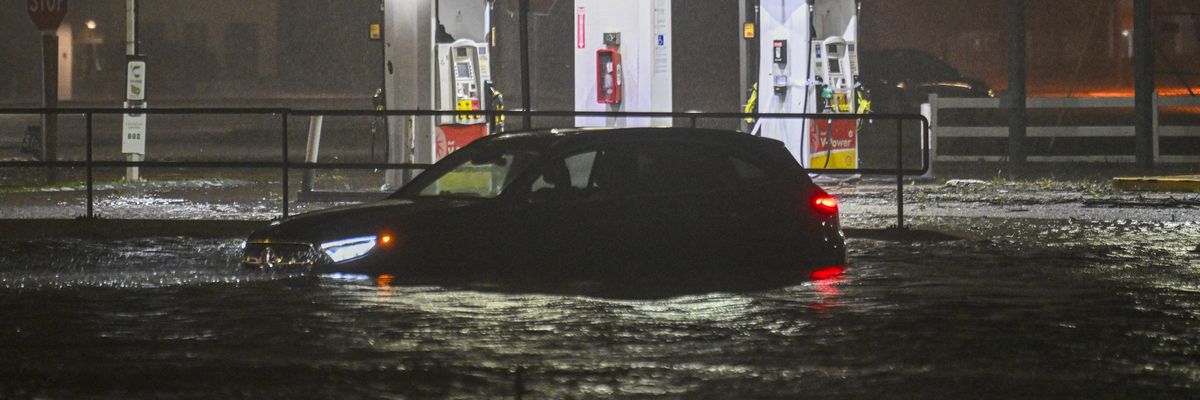
A vehicle is stranded on a water-flooded street after Hurricane Milton made landfall in Brandon, Florida on October 9, 2024.
 (Photo: Miguel J. Rodriguez Carrillo/AFP via Getty Images)

“If politicians had listened to scientists decades ago, and worked to gradually rein in fossil fuel pollution, the ocean wouldn’t be so boiling hot—and Hurricane Milton wouldn’t have had the fuel to balloon into such a monster storm.”

Hurricane Milton made landfall south of Tampa, Florida late Wednesday as a Category 3 storm after rapidly intensifying in the Gulf of Mexico, bringing devastating flooding and powerful winds that destroyed homes and knocked out power for millions.

Several tornadoes triggered by the monstrous storm—which was made stronger by ocean temperatures pushed higher by fossil fuel-driven climate change—killed an unspecified number of residents on Florida’s Atlantic Coast, according to local authorities.

The Associated Press reported that “about 125 homes were destroyed before the hurricane came ashore, many of them mobile homes in communities for senior citizens.”

More than a million Floridians were under evacuation orders as Milton barreled toward the state.

While Milton was downgraded to a Category 2 storm shortly after making landfall and was tracking away from Florida’s East Coast Thursday morning, the National Weather Service warned that “life-threatening storm surge, extreme winds, and flooding rains will continue to occur.”

Video footage posted to social media provided a glimpse of the flooding in downtown Tampa:

Experts characterized Milton, which followed closely on the heels of Helene, as a historically powerful hurricane, pointing to its rapid transformation from a tropical storm into a Category 5 hurricane.

“Milton is the quickest storm on record to rapidly intensify into a Category 5 in the Gulf of Mexico,” according to CBS News meteorologist Nikki Nolan.

Ahead of Milton’s arrival in Florida, climate advocates and scientists pointed to the role of the fossil fuel industry and its political allies in misleading the public about the impacts of oil, gas, and coal emissions and obstructing action to confront the threat posed by warming temperatures.

“Things didn’t have to be this way,” Kathy Baughman McLeod, the CEO of Climate Resilience for All, wrote Wednesday. “If politicians had listened to scientists decades ago, and worked to gradually rein in fossil fuel pollution, the ocean wouldn’t be so boiling hot—and Hurricane Milton wouldn’t have had the fuel to balloon into such a monster storm.”

Original artitcle by Jake Johnson republished from Common Dreams under Creative Commons (CC BY-NC-ND 3.0). 

Continue ReadingFossil-Fueled Hurricane Milton Hammers Florida With Violent Winds, Massive Flooding

‘Reckless Conduct’ of Big Oil Caused Milton—And Now They Should Pay

Spread the love
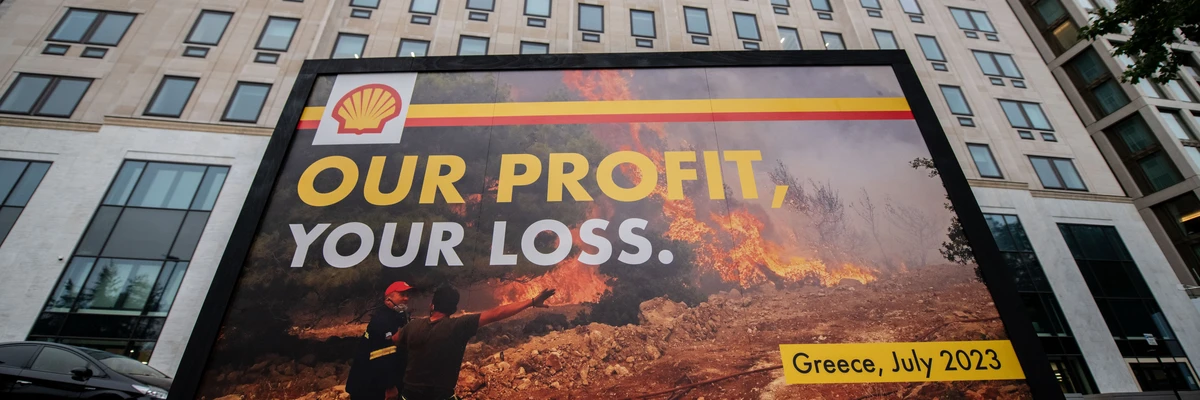
Greenpeace activists display a billboard during a protest outside Shell headquarters on July 27, 2023 in London.
Greenpeace activists display a billboard during a protest outside Shell headquarters on July 27, 2023 in London. (Photo: Handout/Chris J. Ratcliffe for Greenpeace via Getty Images)

Original article by Julia Conley republished from Common Dreams under Creative Commons (CC BY-NC-ND 3.0).

“The failure by our political class to deal with this completely solvable issue is staggering and shameful,” wrote one journalist.

As Hurricane Milton’s 145 mile-per-hour winds began closing in on Southwest Florida on Wednesday and people crowded into makeshift shelters across the state, climate advocates and other observers said the life-threatening storm and massive disruption to millions of people’s lives should make Americans “furious” at those who have helped make extreme weather more frequent and dangerous.

As Nathan J. Robinson wrote in Current Affairs, climate scientists and meteorologists have unequivocally told oil companies and policymakers that fossil fuel extraction is causing planetary heating, which has led to higher temperatures in oceans and bodies of water including the Gulf of Mexico, where the rapidly strengthening hurricane formed.

But despite the knowledge that fossil fuel giants like ExxonMobil and Shell had decades ago that drilling for oil and gas would cause “violent weather” and “potentially catastrophic events,” the industry’s profits have only grown as the U.S. has continued to subsidize their pollution-causing activities.

“The failure by our political class to deal with this completely solvable issue is staggering and shameful,” wrote Robinson. “Many of them have children and grandchildren. Presumably they would like their descendants to inherit a world worth living in. And they could make that happen. Unfortunately, it would require challenging the power and profits of some of America’s most influential corporations.”

In the Substack newsletter Heated, Arielle Samuelson explained on Wednesday how fossil fuel extraction and planetary heating “mutated” Hurricane Milton, which stunned weather experts this week as its wind speeds grew at a record-breaking pace, from 60 miles per hour to 180 miles per hour in just 36 hours.

It was the second time in recent weeks that a hurricane in the region has intensified quickly; areas that are expected to take a direct hit from Milton are still overwhelmed by the destruction left by Hurricane Helene.

Hot temperatures in the planets’ oceans and gulfs fuels hurricanes, and as Samuelson noted, scientists say the “extremely hot” Gulf of Mexico “was made far more likely by heat-trapping pollutants from the fossil fuel, agriculture, chemical, and cement industries.”

She continued:

In the past two weeks, ocean temperatures in the Gulf of Mexico were about 30-31° Celsius (86-88°F)—about 1 to 2° Celsius above average. The climate crisis made these extraordinarily high ocean temperatures at least 400 to 800 times more likely over the past two weeks, according to a rapid attribution study from Climate Central.

[…]

The science is also extremely clear that heat-trapping pollution causes sea-level rise and heavier rainfall, both of which make hurricanes more dangerous. Rainfall rates for tropical cyclones are expected to rise with the planet’s temperature, causing deadly flash floods like those found in Asheville, North Carolina. Sea level rise also means that coastal communities, and communities further inland, are more likely to be flooded during a storm.

That’s an objectively scary reality. But we know the primary source of greenhouse gas pollution, scientists note, so we also know how to slow the problem.

The lingering destruction of Helene and the impending landfall of Milton come, noted Fossil Fuel Media director Jamie Henn, weeks after three Democrats in Congress introduced legislation to require fossil fuel companies and oil refiners that do business in the U.S. to pay into a $1 trillion Polluters Pay Climate Fund, with their contributions based on a percentage of their global emissions.

The fund would be used to finance climate adaptation and other efforts to confront the impacts of the climate crisis.

In a press briefing on Wednesday, President Joe Biden noted how the damage done by Helene and the rapidly evolving news about Milton has left overwhelmed Americans vulnerable to misinformation, with some urging them to direct their anger at the White House or the Federal Emergency Management Agency (FEMA).

Republican presidential nominee Donald Trump has made baseless claims that FEMA funds were spent on funding for immigrant shelters, while U.S. Rep. Marjorie Taylor Greene (R-Ga.) wrote on social media that an unnamed “they” can control the weather and suggested the federal government is deliberately keeping emergency aid from people in states controlled by Republicans.

As fossil fuel firms and political leaders march “us toward the tipping points,” wrote Robinson, “many people won’t understand what is happening to them.”

“In a chaotic information environment filled with endless falsehoods, they’ll conclude that the president is manipulating the weather, or FEMA is trying to kill people,” he wrote. “The real story, however, is straightforward: We have a political class that is vastly more committed to sending weapons to war criminals than funding emergency management, and which will not acknowledge the basic facts of the problem (and the known solutions) because some large economic actors benefit in the short run from the destruction of the planet.”

“Truly, it’s revolting,” he added. “What an absolute disgrace our failure to deal with climate change is.”

Candice Fortin, U.S. campaigns manager for 350.orgsaid that fossil fuel executives and the politicians that support them have “blood on their hands” and called on Biden to unequivocally stand on the side of hurricane victims by declaring a climate emergency.

“This is a climate emergency,” said Fortin. “Every time we repeat that, countless more lives have been lost or upended by the fossil fuel industry. How many more times will it take? We call on President Biden to use his executive power to declare a climate emergency so we can finally protect frontline communities.”

At Newsweek, organizer and attorney Aaron Regunberg wrote that oil companies’ contributions to the climate emergency have been compounded by their vast efforts to spread misinformation and hide their knowledge that fossil fuel extraction was heating the planet.

Exxon CEO Darren Woods, he wrote, pushed for a surge in the company’s extractive activities while “overseeing a substantial portion of the company’s climate deception efforts,” and received $198.9 million for his “climate crimes” from 2015-23, as well as owning Exxon shares worth $371.1 million.

“Regular people are paying the ultimate price for this sociopathic greed,” wrote Regunberg. “The families made homeless, the wives and husbands and parents and children who lost loved ones to Helene—these victims deserve justice no less than victims of street-level crimes, and the companies and corporate executives responsible for their pain and suffering deserve criminal punishment at least as much as, if not far more than, the average street-level offender.”

“Climate victims have paid so much for Big Oil’s reckless conduct,” he added. “It’s time to make the polluters pay.”

Original article by Julia Conley republished from Common Dreams under Creative Commons (CC BY-NC-ND 3.0).

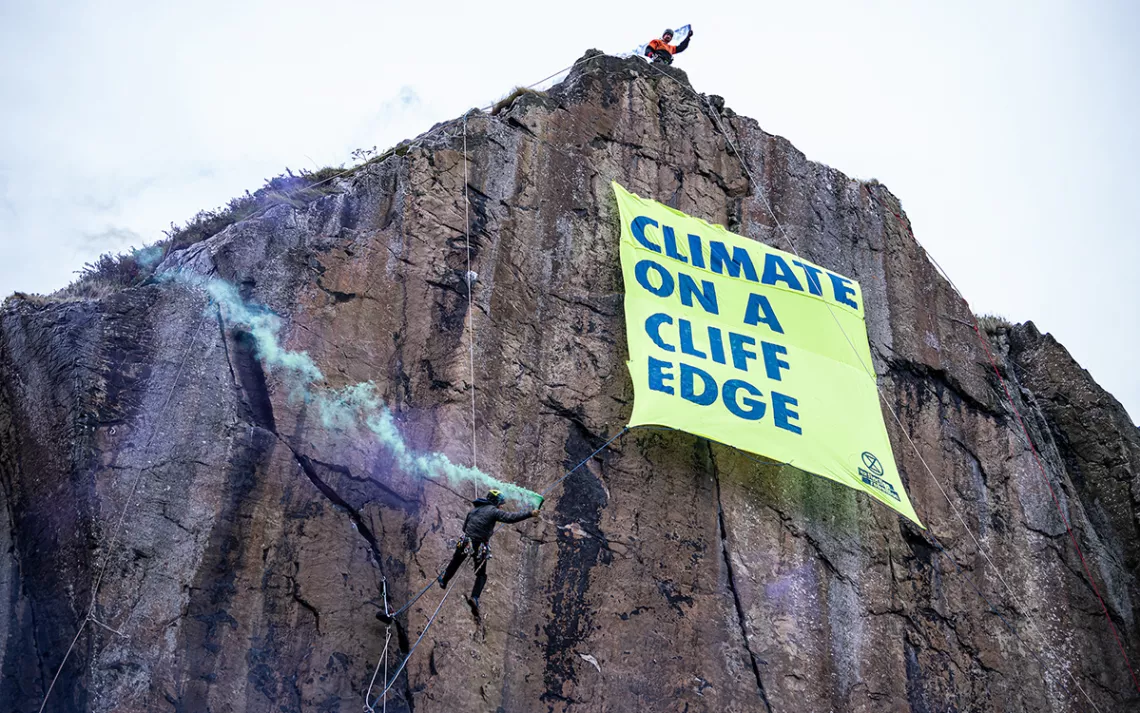
Experienced climbers scale a rock face near the historic Dumbarton castle in Glasgow, releasing a banner that reads “Climate on a Cliff Edge.” One activist, dressed as a globe, symbolically looms near the edge, while another plays the bagpipes on the shores below. | Photo courtesy of Extinction Rebellion and Mark Richards
Continue Reading‘Reckless Conduct’ of Big Oil Caused Milton—And Now They Should Pay

Study Warns of ‘Irreversible Impacts’ From Overshooting 1.5°C, Even Temporarily

Spread the love

Original article by Jessica Corbett republished from Common Dreams under Creative Commons (CC BY-NC-ND 3.0). 

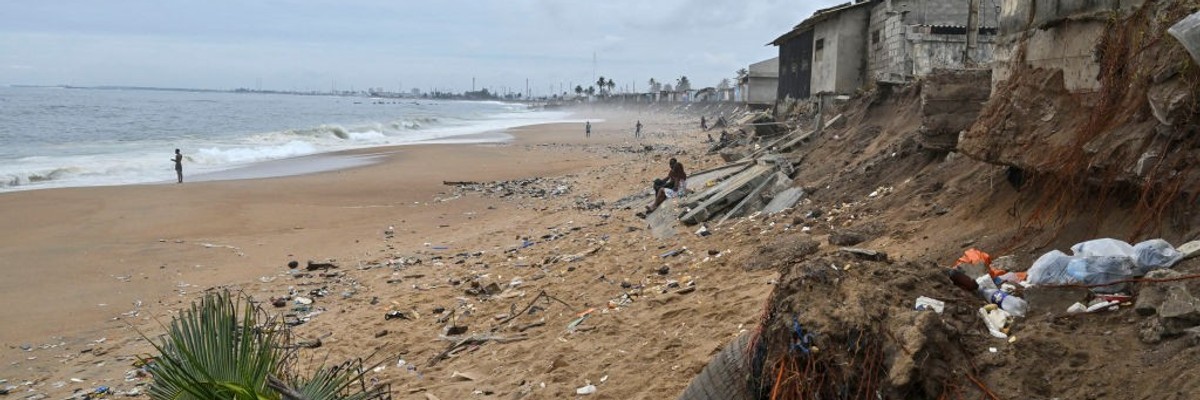
Houses destroyed by the rising sea level are shown at the Port-Bouet beach in Abidjan, Côte d’Ivoire on September 2, 2024. (Photo by Issouf Sanogo/AFP via Getty Images)

“Only by doing much more in this critical decade to bring emissions down and peak temperatures as low as possible, can we effectively limit damages.”

Just over a month away from the next United Nations climate summit, a study out Wednesday warns that heating the planet beyond a key temperature threshold of the Paris agreement—even temporarily—could cause “irreversible impacts.”

The 2015 agreement aims to limit global temperature rise this century to 1.5ºC, relative to preindustrial levels.

“For years, scientists and world leaders have pinned their hopes for the future on a hazy promise—that, even if temperatures soar far above global targets, the planet can eventually be cooled back down,” The Washington Postdetailed Wednesday. “This phenomenon, known as a temperature ‘overshoot,’ has been baked into most climate models and plans for the future.”

“The earlier we can get to net-zero, the lower peak warming will be, and the smaller the risks of irreversible impacts.”

As lead author Carl-Friedrich Schleussner said in a statement, “This paper does away with any notion that overshoot would deliver a similar climate outcome to a future in which we had done more, earlier, to ensure to limit peak warming to 1.5°C.”

“Only by doing much more in this critical decade to bring emissions down and peak temperatures as low as possible, can we effectively limit damages,” stressed Schleussner, an expert from Climate Analytics and the International Institute of Applied Systems Analysis who partnered with 29 other scientists for the study.

The paper, published in the peer-reviewed journal Nature, states that “for a range of climate impacts, there is no expectation of immediate reversibility after an overshoot. This includes changes in the deep ocean, marine biogeochemistry and species abundance, land-based biomes, carbon stocks, and crop yields, but also biodiversity on land. An overshoot will also increase the probability of triggering potential Earth system tipping elements.”

“Sea levels will continue to rise for centuries to millennia even if long-term temperatures decline,” the study adds, projecting that every 100 years of overshoot could lead seas to rise nearly 16 inches by 2300, on top of more than 31 inches without overshoot.

The scientists found that “a similar pattern emerges” for the thawing of permafrost—ground that is frozen for two or more years—and northern peatland warming, which would lead to the release of planet-heating carbon dioxide and methane. They wrote that “the effect of permafrost and peatland emissions on 2300 temperatures increases by 0.02ºC per 100 years of overshoot.”

“To hedge and protect against high-risk outcomes, we identify the geophysical need for a preventive carbon dioxide removal capacity of several hundred gigatonnes,” the authors noted. “Yet, technical, economic, and sustainability considerations may limit the realization of carbon dioxide removal deployment at such scales. Therefore, we cannot be confident that temperature decline after overshoot is achievable within the timescales expected today. Only rapid near-term emission reductions are effective in reducing climate risks.”

In other words, as co-author and Climate Analytics research analyst Gaurav Ganti, put it, “there’s no way to rule out the need for large amounts of net negative emissions capabilities, so we really need to minimize our residual emissions.”

“We cannot squander carbon dioxide removal on offsetting emissions we have the ability to avoid,” Ganti added. “Our work reinforces the urgency of governments acting to reduce our emissions now, and not later down the line. The race to net-zero needs to be seen for what it is—a sprint.”

While the paper comes ahead of COP29, the U.N. conference in Azerbaijan next month, co-author Joeri Rogelj looked toward COP30, for which governments that have signed the Paris agreement will present their updated nationally determined contributions (NDCs) to meet the climate deal’s goals.

“Until we get to net-zero, warming will continue. The earlier we can get to net-zero, the lower peak warming will be, and the smaller the risks of irreversible impacts,” said Rogelj, a professor and director of research for the Grantham Institute at Imperial College London. “This underscores the importance of countries submitting ambitious new reduction pledges, or so-called ‘NDCs,’ well ahead of next year’s climate summit in Brazil.”

The U.N. said last November that countries’ current emissions plans would put the world on track for 2.9°C of warming by 2100, nearly double the Paris target. Since then, scientists have confirmed that 2023 was the hottest year in human history and warned that 2024 is expected to set a new record.

The study in Nature was published as Hurricane Milton—fueled by hot waters in the Gulf of Mexico—barreled toward Florida and just a day after another group of scientists wrote in BioScience that “we are on the brink of an irreversible climate disaster. This is a global emergency beyond any doubt. Much of the very fabric of life on Earth is imperiled.”

Those experts emphasized that “human-caused carbon dioxide emissions and other greenhouse gases are the primary drivers of climate change. As of 2022, global fossil fuel combustion and industrial processes account for approximately 90% of these emissions, whereas land-use change, primarily deforestation, accounts for approximately 10%.”

Original article by Jessica Corbett republished from Common Dreams under Creative Commons (CC BY-NC-ND 3.0). 

Experienced climbers scale a rock face near the historic Dumbarton castle in Glasgow, releasing a banner that reads “Climate on a Cliff Edge.” One activist, dressed as a globe, symbolically looms near the edge, while another plays the bagpipes on the shores below. | Photo courtesy of Extinction Rebellion and Mark Richards
Continue ReadingStudy Warns of ‘Irreversible Impacts’ From Overshooting 1.5°C, Even Temporarily