Members of Disabled People Against Cuts (DPAC) protest in Leeds. Photo: Neil Terry Photography
… Keir Starmer could face the biggest parliamentary revolt since the Iraq war as MPs vote on welfare cuts the government’s own figures say will push 150,000 into poverty by 2030 tomorrow.
No 10 was accused of “total desperation” as furious Labour rebels vowed to vote down the Universal Credit and Personal Independence Bill.
Celebrities joined disabled activists as they staged protests outside Parliament and across the country today against the plans to create a “two-tier” welfare system.
Disabled People Against Cuts co-founder Linda Burnip told the Morning Star: “We are very much against the paltry concessions that have been made which actually don’t seem to going to protect anyone.
“It smacks to me of total desperation, they are just flopping around changing things from one day to another.
“We are obviously not being bought off by the concessions and protests will continue and we will make sure that any Labour MPs that vote in favour of this Bill don’t get back into the Parliament at the next election.”
At the Disabled People Against Cuts (Dpac) protest against benefit cuts (Picture: Guy Smallman)
MPs will vote on Tuesday on Labour’s vicious ‘welfare reform’ bill
Disabled people say they are in a fight for their lives. Hundreds of people gathered in the sweltering heat at Parliament Square on Monday for a protest organised by Disabled People Against Cuts (Dpac) and others.
Paula Peters from Dpac told the crowd, “There is only one thing to do with this bill—bin it.”
The Labour government claims it has to slash the welfare budget, but is boosting military spending.
Angela Grant from the PCS union said, “They are spending money on selling arms to other countries to kill other people like us. It’s warfare abroad and warfare against disabled people.
“They do not care. They are not listening—until we make them listen. We have seen some U-turns already. That’s people power.”
Disabled journalist Frances Ryan has said, “This is Labour’s poll tax, its tuition fees, its Partygate. Just as the Iraq war was for Tony Blair, disability cuts are the moral stain that will mark Starmer’s government and the party for years to come.”
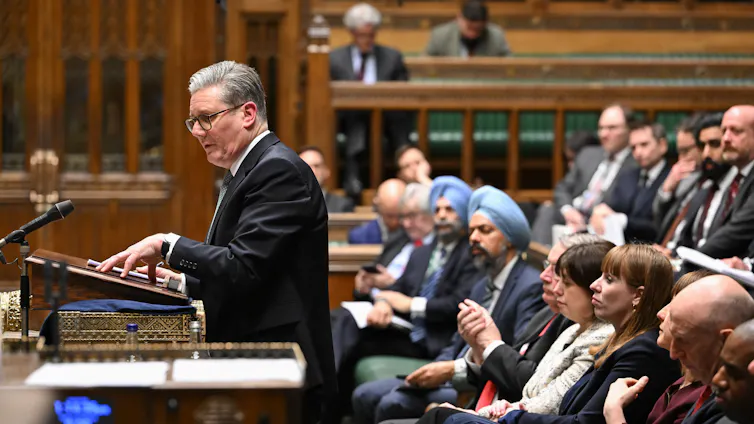
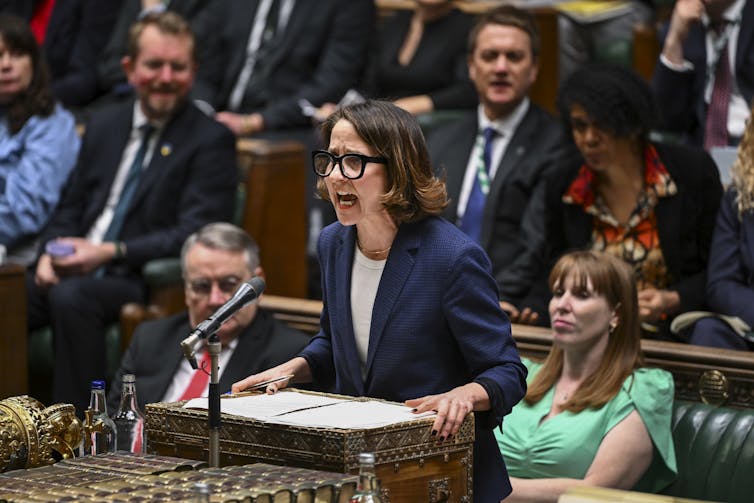
Keir Starmer has been dealing with his most serious parliamentary challenge since he became prime minister. More than a hundred Labour MPs backed a motion to stop in its tracks the government’s attempt to reduce the welfare bill, including by raising the threshold at which someone can claim disability benefit.
This issue has divided the parliamentary Labour party. But what does the public think?
Although there are signs people recognise that spending on disability benefits is now relatively high, the latest annual British Social Attitudes (BSA) report reveals that it is far from clear that they are supportive of cutbacks. And, unfortunately for the government this is especially true of those who voted Labour last year.
Ever since the late 1990s, BSA has regularly asked its respondents whether they would like “to see more or less government spending than now on benefits for disabled people who cannot work”. In 1998, 78% indicated they would like to see more spending. By 2011, that figure had fallen to 53%, and it was still no more than 56% in 2021.
Now, though, only 45% would like to see more money spent on disability benefits. For the first time, less than half the country backs giving those with a disability more help.
However, that does not mean most voters would like to see actual cutbacks. Only 11% say the government should spend less on disability benefits. The rest are content with the status quo.
Meanwhile, just 5% of those who voted Labour last year back less spending. Over half (53%) are in favour of an increase.
The government’s central argument is that it has become too easy to claim disability benefits and that this is discouraging people from getting back into employment.
There is some support for this view. Among the public in general, 29% say it is “too easy” to claim disability benefit. The trouble is, just as many, 29%, take the opposite view and say it is “too difficult”. The most popular response, given by 35%, is that it is “neither too easy nor too difficult”.
Meanwhile, among Labour voters, the balance of opinion is clearly tilted towards the view that claiming disability benefit is “too difficult”. As many as 39% say so, while only 20% feel it is “too easy”.
Similarly, most voters (62%) feel the requirement for people on disability benefits to take “active measures to find appropriate work” is “about right”. Just 11% feel it is “too weak”, while more than twice as many (23%) believe it is “too tough”. Only 6% of Labour voters believe it is “too weak”.
Want more politics coverage from academic experts? Every week, we bring you informed analysis of developments in government and fact check the claims being made.
These figures help explain why the government has seemingly been struggling to head off the rebellion. Already burned by voters’ reaction to last year’s cutback to the winter fuel allowance, and with their party trailing Reform in the polls, Labour MPs now find themselves presented with another cut that threatens to be unpopular with many of those who put them into Westminster. Little wonder there are now signs the government is having to bend to their view.
Vicky Foxcroft said co-production with disabled people should have happened ‘absolutely from the start’. Photograph: Teri Pengilley/The Guardian
[Guardian] Exclusive: Vicky Foxcroft, who resigned as whip over welfare bill, urges ministers to work with affected people on changes
The Labour whip who resigned in protest against disability benefit cuts has said Keir Starmer’s concessions do not yet go far enough to win her over, as No 10 launched a fresh attempt to stem the revolt against its welfare bill.
Vicky Foxcroft, who quit her frontbench role over the welfare bill a little more than a week ago, urged the government to work jointly on the changes with disabled people and to publish the review of the system before bringing in cuts.
In an interview with the Guardian, Foxcroft said she had not made up her mind how to vote on Tuesday but would need assurances about further improvements.
“I would hope that actually we start to ensure we listen to disabled people and their organisations right across government. This isn’t just about warm words. This is about making sure we get policy right,” she said.
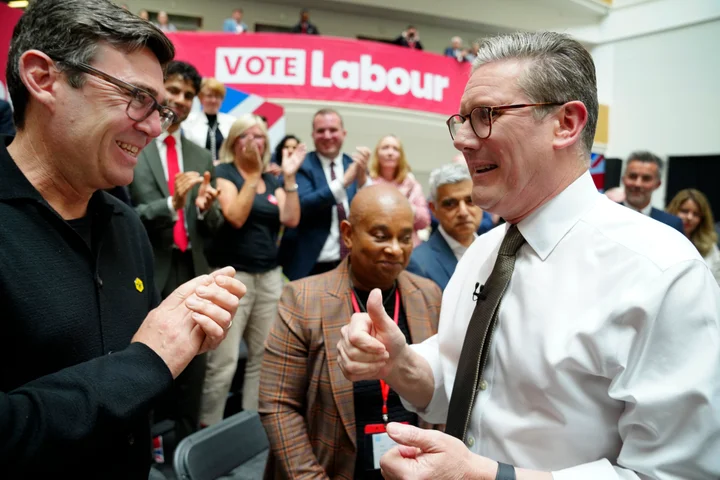
Keir Starmer with Andy Burnham at the launch of Labour’s election manifesto last year. via Associated Press
The mayor of Manchester said the PM’s concessions did not go far enough.
Andy Burnham has called on Labour MPs to vote down the government’s welfare cuts – despite Keir Starmer’s attempts to buy off his backbench rebels.
The Manchester mayor said the prime minister had only performed “half a U-turn”, which did not go far enough.
…
He said Labour MPs “face the prospect, if they accept this package, someone could come to their surgery in two years saying ‘why did you vote to make me £6,000 worse off than someone exactly the same, but who was protected because they were an existing claimant’?”
“I hope they think carefully before the vote, because the vote will create that unfairness and divide in disabled people,” he added.

 Members of Disabled People Against Cuts (DPAC) protest in Leeds. Photo: Neil Terry Photography