The song uses the tune of the 1974 Mud classic Lonely This Christmas, which also topped the charts at number one when it was first released.
The parody version goes: “It’ll be freezing this Christmas, without fuel at home, it’ll be freezing this Christmas, while Keir Starmer is warm. It’ll be cold, so cold, without fuel at home, this Christmas.”
The song then uses a clip of Starmer saying: “She told me that she doesn’t get out of bed till midday because she doesn’t want to turn the heating on.”
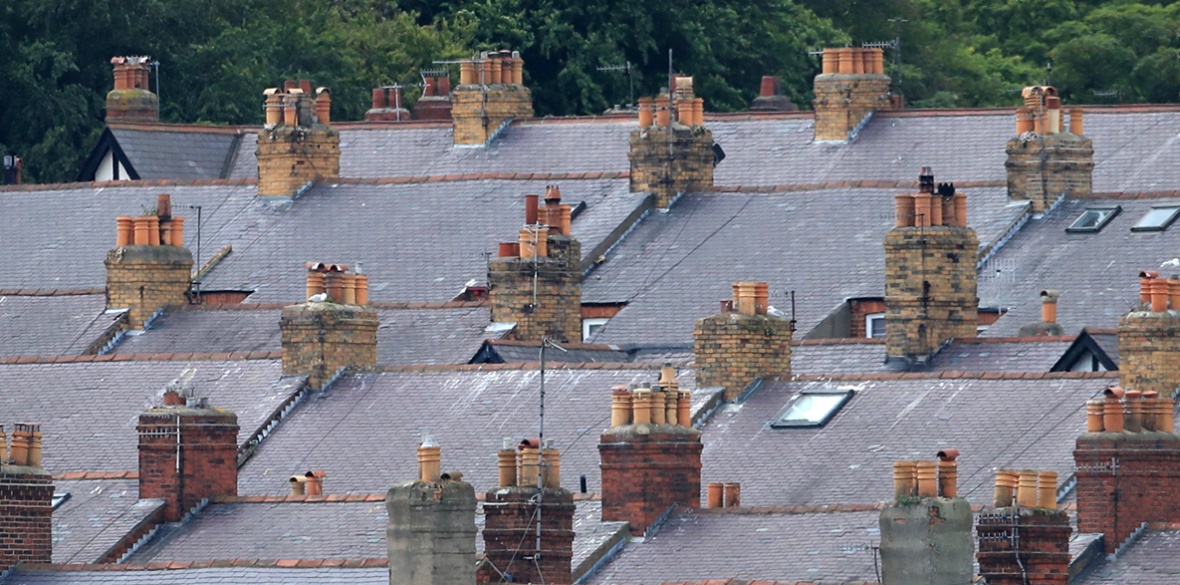
A general view of housing in Scarborough, North Yorkshire
MILLIONS of people are spending a fourth Christmas in “Dickensian conditions” due to fuel poverty, a damning report revealed today.
Warm This Winter found that 16 per cent of adults, equal to 8.8 million people, in Britain live in cold, damp homes, exposed to the health risks of living in fuel poverty.
The campaign group has warned that the government’s Warm Homes Plan will come too late for one in 10 people who have frequently experienced dangerous mould levels in their homes this year.
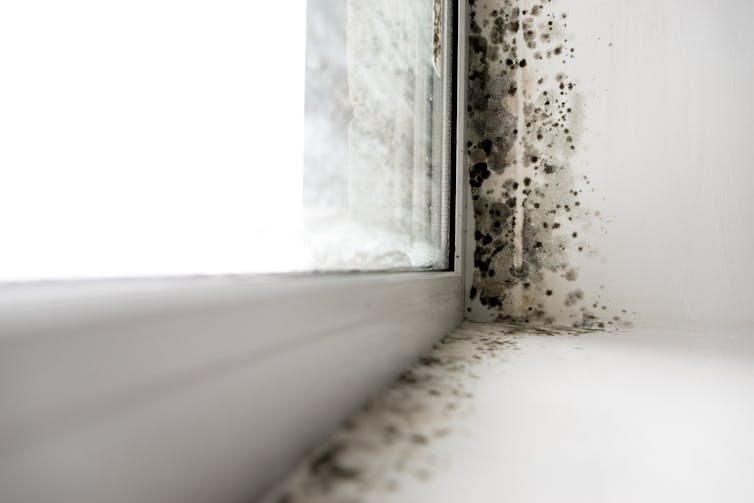
Poorly insulated homes risk damp and mould spreading, which the NHS warns can lead to respiratory issues, infections, allergies and asthma.
Such conditions can also increase the risk of heart disease, strokes and other severe health problems.
Cold homes can cause and worsen respiratory conditions, cardiovascular diseases, poor mental health, dementia and hypothermia as well as cause and slow recovery from injury.
…
End Fuel Poverty Coalition co-ordinator Simon Francis said: “The sheer numbers of people living in cold, damp homes this winter should send alarm bells throughout Westminster.
“These shocking figures have hardly changed since last year and with energy bills heading upwards again in January, the situation is now critical for the government.”
An Israeli armoured vehicle sits on an Israeli army position at the Israel-Gaza border, as seen from southern Israel, December 1, 2024
A TOP aid group accused the Israelis today of “suffocating” humanitarian support for the Palestinians in Gaza.
Spokesperson for the Norwegian Refugee Council, Ahmed Bayram, said the people of Gaza are suffering from a massive shortage of humanitarian supplies.
Mr Bayram said: “I think, at this rate, Israel is suffocating the support for these people,” adding that Gaza needs 25 supply trucks to enter each week instead of the “10 or 11” that bring aid into the enclave now.
He said the Israelis are not “only constraining access, the roads and the safety of the people and the aid workers, but also there is a systematic attempt here to keep people in the cold and keep them starving.”
In the southern Gaza city of Khan Younis, the Israeli army has reportedly continued to target agricultural plots which has caused widespread destruction and worsened the already dire humanitarian situation facing the Palestinian people.
The World Health Organisation reported on Sunday that it had managed to drop off some food, fuel and medical supplies to the besieged Kamal Adwan Hospital in northern Gaza.
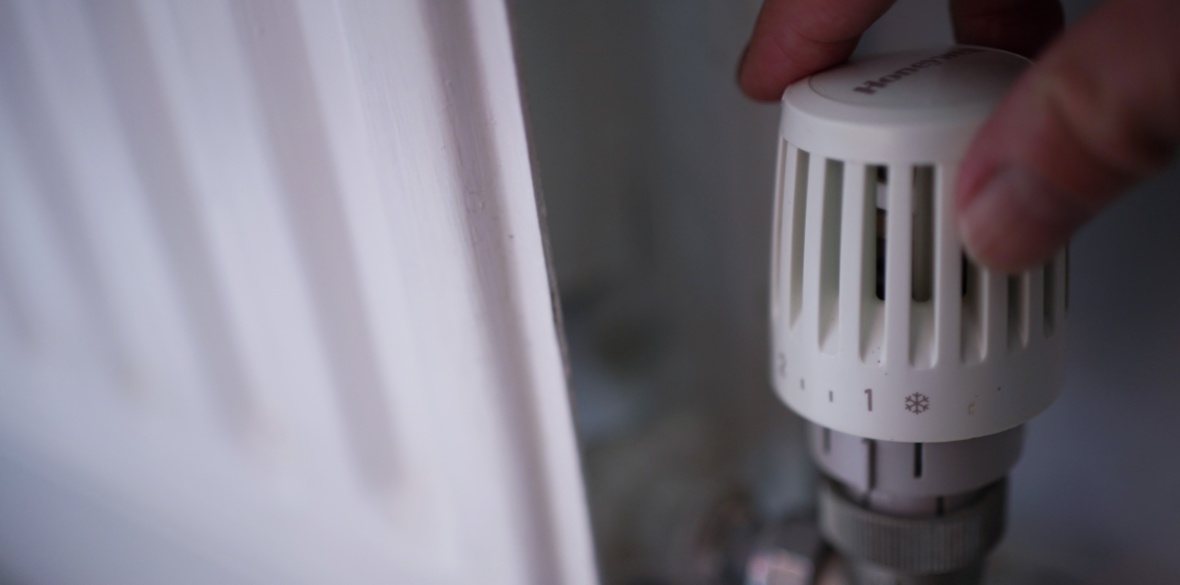
The temperature control of a radiator in a domestic home
DEMANDS for more energy support for vulnerable households intensified today as temperatures are expected to plummet this week.
Some areas rose above 16°C on Sunday, but the Met Office forecast a sharp drop by last night, with temperatures potentially plunging to -8°C in parts of Scotland.
Meteorologists warned that the cold spell would continue tomorrow, with parts of England becoming as chilly as -3°C.
The cold snap comes just over a month after energy regulator raised the price cap by 10 per cent, while 6.5 million households remain trapped in fuel poverty.
Peter Smith of National Energy Action said: “Millions of people will endure these freezing conditions at the same time as unaffordable energy bills and unmanageable energy debt.
“At this exceptionally difficult time for vulnerable households, we see a desperate need for a larger energy discount or a new social tariff to provide long-term protection.
Domestic energy prices more than doubled during 2022 compared with the year before. This meant that the number of UK households in fuel poverty who could not afford to heat their homes to a safe level rose from 4.5 million to 7.3 million.
The UK government attempted to alleviate the impact of rocketing bills with a package of support measures. This included capping the unit cost of electricity and gas, a £400 rebate to all households using mains gas for heating and £200 for those using alternative fuels, and a further £650 “cost of living payment” to claimants of means-tested benefits.
Many of these schemes ended in spring 2023. And with wholesale gas costs and the government’s energy price cap having come down somewhat, you could be forgiven for thinking that the worst of the energy crisis has passed.
But that’s not the case for many billpayers – in fact, this winter is likely to be worse than the last for many households.
The energy price cap, introduced in 2019 by market regulator Ofgem, limits how much people pay for each unit of gas and electricity. The latest price cap, set on October 1 2023, means that a typical household will pay £1,834 a year for energy – less than £2,000 for the first time in 18 months.
This might sound like good news, but it’s still a substantial increase on the pre-crisis cap. In August 2021, the most a typical household could expect to pay in a year for energy was £1,277.
Although the unit prices of electricity and gas have fallen, there has been a steep increase in standing charges. These are a levy on all energy bills which cover the costs associated with supplying energy to homes.
Standing charges have gone up from around £186 a year pre-crisis to just over £300 now – effectively adding £110 to bills.
Standing charges pay for the upkeep of the UK’s energy supply network. KingTa/Shutterstock
Standing charges are regressive because they are the same for everyone, regardless of how much energy you consume. Poorer households often use much less energy than wealthier ones, so standing charges make up a larger proportion of their energy costs.
The £400 energy bill rebate paid to all households last winter has now ended. Meanwhile, cost of living payments to claimants of means-tested benefits have increased from £650 to £900 a year. This will be helpful to those who qualify, but one third of households eligible for means-tested welfare payments do not claim them due to stigma, lack of awareness or bad experiences with the assessment process, and so will receive no assistance.
Many households who do receive these cost of living payments will spend it on other expenses, such as food, rather than heating their home. This reflects the fact that energy is often seen by struggling households as something that can be rationed.
If you’re in a household that does not qualify for the cost of living payment then the savings of around £150 that resulted from the lowering of the cap will soon be more than cancelled out by the lack of a rebate.
Cold homes can kill
Despite the financial support offered last winter, average levels of energy debt for people contacting Citizens Advice in England and Wales have risen sharply over the last year, from around £1,400 per household on average in March 2022 to £1,711 in July 2023. One-third of UK energy customers are now in arrears.
So although energy bills have fallen slightly, many households are less resilient to financial shocks than they were in early 2022. Volatile energy prices are predicted to last until the end of the decade.
Research last winter found that households in fuel poverty were underheating their homes, causing damp and mould that can create serious health problems and exacerbating anguish and stress. The health risks of a cold home increase with repeated exposure.
As temperatures begin to fall again, a range of measures are urgently needed to prevent a crisis worse than that of last winter.
What can be done to help?
Since energy prices are expected to remain high for years, long-term solutions are vital. There must be increased investment in efforts to insulate the UK’s leaky housing stock. But with winter just weeks away, what can the government do right now?
To start, it could offer greater energy bill rebates. Given the scale of the fuel poverty problem, eligibility for these rebates must be wide enough for anyone on a below average income to receive help.
Alternatively, the government could make the rebates universal again, and potentially recoup the costs by increasing taxes on the most wealthy or energy company profits. At the very least, unclaimed energy bill support from last winter should be used to support those likely to struggle in the coming winter, rather than being returned to the treasury.
Cut funding for government-backed advice services could also be restored. And there are reforms to the retail energy market that could be implemented fairly quickly, such as bringing standing charges in line with levels of usage.
More fundamentally, there are a number of proposals that would be fairer than the current system and could be implemented together for maximum impact. These include a “green power pool”, which would ensure that the cheap power generated by renewables such as wind and solar benefits those most in need first and foremost, social tariffs (discounted energy bills for low-income households), or a national energy guarantee that would secure access to enough free energy to meet everyone’s basic needs.
The government’s forthcoming autumn statement must not sidestep these issues if people in fuel poverty are to stay safe and warm this winter.
Don’t have time to read about climate change as much as you’d like?