Household energy debt soars to £4.43 billion

Spread the love
Image of cash and pre-payment meter key

https://morningstaronline.co.uk/article/household-energy-debt-soars-ps443-billion

HOUSEHOLD energy debt has soared to £4.43 billion, leaving hundreds of thousands trapped in arrears, new figures revealed today.

Figures from Ofgem show that energy debt has more than tripled since the end of 2020, when the figure stood at £1.45bn.

The regulator reported that there are currently 1,133,683 electricity customers and 926,545 gas customers in debt without any repayment arrangement in place. 

The debt is leaving households facing up to an extra £145 a year on their bills to cover the collective shortfall.

End Fuel Poverty Coalition co-ordinator Simon Francis said: “Energy debt is now driving people into dangerous financial positions as we approach the fifth winter of the energy bills crisis.

A new analysis by think tank Common Wealth shows that 24 per cent of the average energy bill went towards pre-tax profits by the energy industry.

Robert Palmer, deputy director of Uplift, said: “Yet again while shareholders are celebrating rising prices and huge profits, people are facing stark choices of how to ration their energy.

“Only by supporting struggling households now, improving energy efficiency and getting us off expensive gas through homegrown renewable energy will ministers be able to get a grip on the situation.”

https://morningstaronline.co.uk/article/household-energy-debt-soars-ps443-billion

Keir Starmer confirms that he's proud to be a red Tory continuing austerity and targeting poor and disabled scum.
Keir Starmer confirms that he’s proud to be a red Tory continuing austerity and targeting poor and disabled scum.
Keir Starmer says that the Labour Party under his leadership all feel a small part of Scunthorpe.
Image of Keir Starmer and a poor child.
Zionist Keir ‘Kid Starver’ Starmer. Image thanks to The Skwawkbox.

Continue ReadingHousehold energy debt soars to £4.43 billion

UK public has paid £200bn to shareholders of key industries since privatisation

Spread the love

https://www.theguardian.com/politics/2025/sep/16/uk-public-paid-200bn-to-shareholders-of-key-industries-since-privatisation-study

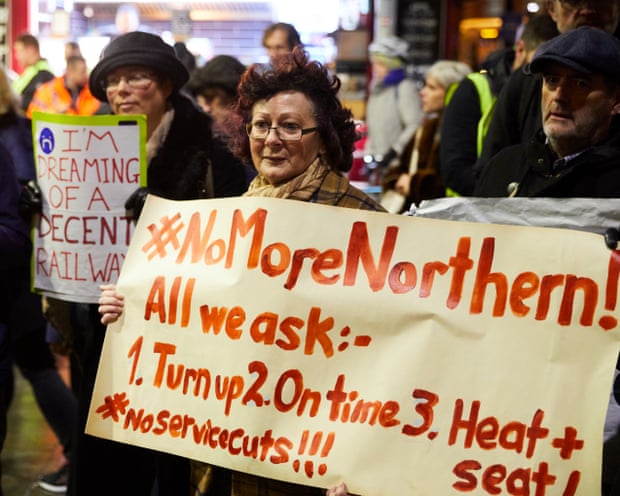
Northern Rail passengers protest over poor service in Manchester in 2019 Photograph: Christopher Thomond/The Guardian

Analysis reveals ‘privatisation premium’ of £250 per household per year paid to owners of water, rail, bus, energy and mail services since 2010

The public has paid almost £200bn to the shareholders who own key British industries since they were privatised, research reveals.

The transfer of tens of billions of pounds to the owners of the privatised water, rail, bus, energy and mail services comes as families face soaring bills, polluted rivers and seas, and expensive and unreliable trains and buses.

As a result, citizens have been paying a “privatisation premium” of £250 per household per year since 2010 alone, the analysis found.

Recent focus has been on the privatised water industry, which has run up long-term debts of £73bn and paid out dividends of £88.4bn in the past 34 years at the same time as overseeing record sewage spills, according to the latest figures.

But for the first time the thinktank Common Wealth has drawn together the haemorrhaging of billions of pounds to shareholders across four key sectors, most of which were privatised from the 1980s and 1990s by Margaret Thatcher’s Conservative government – energy, transport, water and mail.

Article continues at https://www.theguardian.com/politics/2025/sep/16/uk-public-paid-200bn-to-shareholders-of-key-industries-since-privatisation-study

Continue ReadingUK public has paid £200bn to shareholders of key industries since privatisation

England to sell eight times more council homes than it built last year, report finds

Spread the love

https://www.theguardian.com/society/2025/aug/20/england-to-sell-eight-times-the-council-homes-it-built-last-year-report-finds

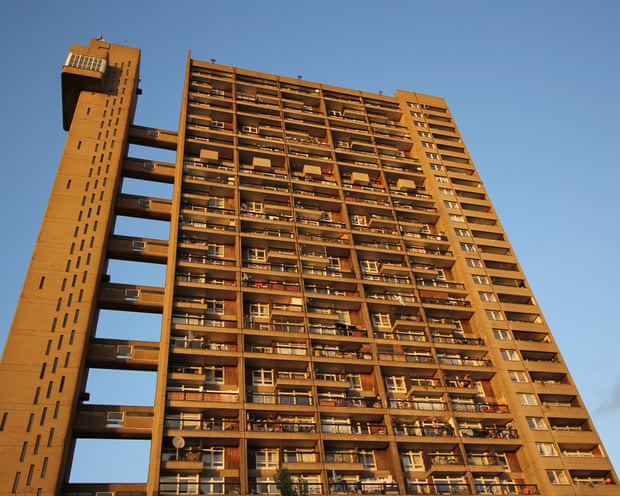
London’s Trellick Tower. The Common Wealth report urged the state to buy back and restore homes sold off under right to buy. Photograph: Chris Morphet/Getty

Depletion of social housing stock spurs calls for councils to have first refusal to buy ex-council homes entering market

England will sell off more than eight times as many council homes in 2025-26 as were constructed the previous year, research has found.

Right to buy is depleting council housing stock more quickly than public housing can be replaced, forcing people to spend more money on private market rents and obtain less secure tenancies, a report from the thinktank Common Wealth finds.

Its analysis of government data in England found that 38,170 social homes and 2,850 council homes were constructed by the government in 2023-24. In 2024-25, 2,260 council homes were built. There were 13,966 sell-offs of council houses through right to buy in 2023-24 and 8,656 in 2024-25. An analysis in the i Paper estimated that 18,500 council homes will be sold off in 2025-26 – more than eight times more than the number built in 2024-25.

The report concludes that if the government wants to increase the supply of social rental housing quickly, it must invest in buying back and restoring homes sold off under right to buy, alongside more council housebuilding.

Adam Peggs, the report’s author, said: “We need to pull every effective lever we can find to expand public housing. Council housing gave people secure, low-cost homes in the past. With the right framework, it can give people high-quality, genuinely affordable homes, with real democratic voice in the future too. But we need to build the political will to make it happen.

Article continues at https://www.theguardian.com/society/2025/aug/20/england-to-sell-eight-times-the-council-homes-it-built-last-year-report-finds

Continue ReadingEngland to sell eight times more council homes than it built last year, report finds

Right to buy in England ‘fuelled housing crisis and cost taxpayers £200bn’

Spread the love

https://www.theguardian.com/society/2025/aug/03/right-to-buy-england-fuelled-housing-crisis-cost-taxpayers-common-weath-report

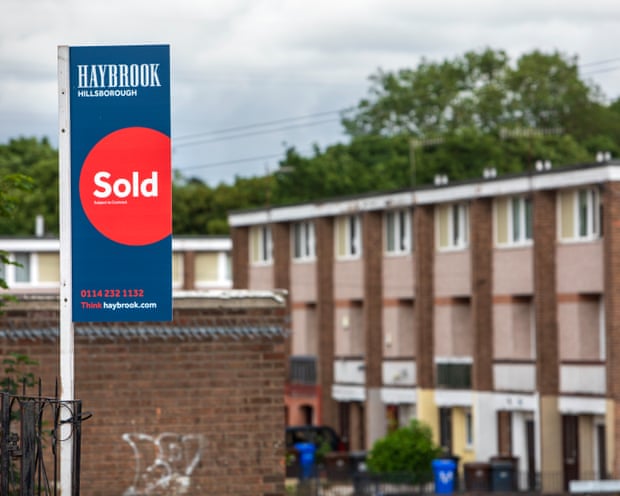
Many ex-council homes are now rented privately to tenants on housing benefit that costs taxpayers £20bn a year. Photograph: Gary Calton/The Guardian

Common Wealth report calls discounted sales of council homes one of the ‘largest giveaways in UK history’

Margaret Thatcher’s right-to-buy scheme has cost UK taxpayers almost £200bn, according to a report into the policy’s contribution to Britain’s housing crisis.

In its report into the sale of millions of council homes to their tenants at steep discounts since 1980, the Common Wealth thinktank said the policy had fuelled vast shortages in social housing and turbocharged inequality.

Describing it as one of the “largest giveaways in UK history”, it said the sale of 1.9m council homes in England had contributed to a situation where one in six private tenants in England now rents a former local authority home.

Calculating the “opportunity cost” of the sales, Common Wealth said the former council homes were now worth an estimated £430bn after taking account of inflation and the surge in property prices since 1980.

Of this sum, the thinktank said £194bn represented the value that was effectively given away when the homes were sold at a discount. Between the years 1980-81 and 2023-24, the discount averaged 43% on the prevailing market price.

See the original article at https://www.theguardian.com/society/2025/aug/03/right-to-buy-england-fuelled-housing-crisis-cost-taxpayers-common-weath-report

Continue ReadingRight to buy in England ‘fuelled housing crisis and cost taxpayers £200bn’

Public ownership of England’s water companies could cost close to zero, says thinktank

Spread the love

https://www.theguardian.com/business/2025/jun/09/water-companies-public-ownership-could-cost-close-to-zero-says-common-wealth-thinktank

Thames Water’s £20bn debt reduces its value, argues thinktank, Common Wealth. Photograph: Maureen McLean/REX/Shutterstock

[Guardian] Exclusive: Common Wealth report argues debt, pollution and underinvestment justify process known as special administration

Ministers could bring water companies into public ownership for minimal cost through a process designed to safeguard vital public services when the companies running them are failing, a thinktank report has argued.

According to the report by Common Wealth, ministers could use a process known as special administration to take over a company like Thames Water and, rather than transfer it to another private company, keep it under permanent public ownership.

Writing for the thinktank, Ewan McGaughey, professor of law at King’s College London, said that while a figure of £99bn was commonly cited as the cost of taking over the industry in England, this was based on an estimate from a thinktank paid for by water companies.

The actual market value of water companies, the report argued, seems to be lower, with the US private equity company KKR offering a £4bn injection of equity to take over Thames Water, when its supposed regulatory capital value is nearer £20bn.

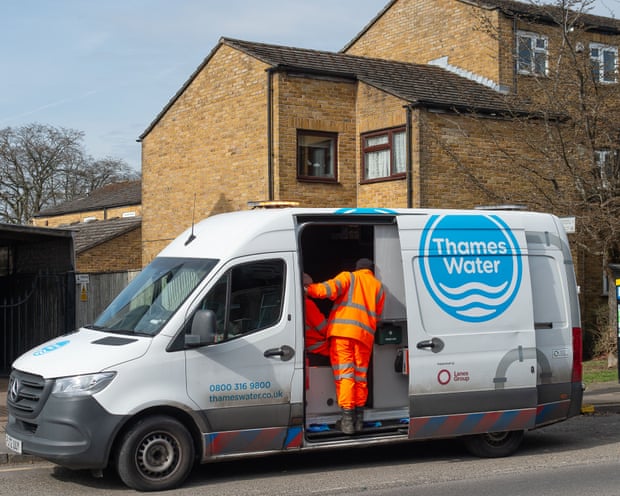
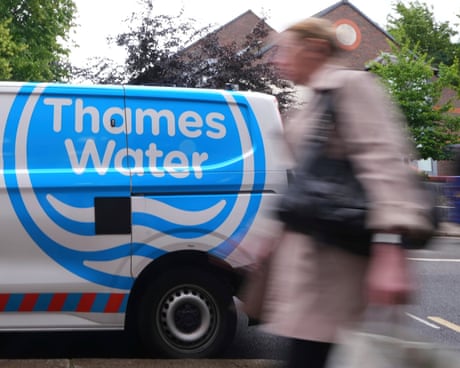
A Thames Water van parked in London

It goes on to say that when debt levels of water companies are taken into account, for example Thames Water is about £20bn in debt, it would be possible for the government to argue that their appropriate value in law was notably less, even close to zero.

Original article at https://www.theguardian.com/business/2025/jun/09/water-companies-public-ownership-could-cost-close-to-zero-says-common-wealth-thinktank

Continue ReadingPublic ownership of England’s water companies could cost close to zero, says thinktank