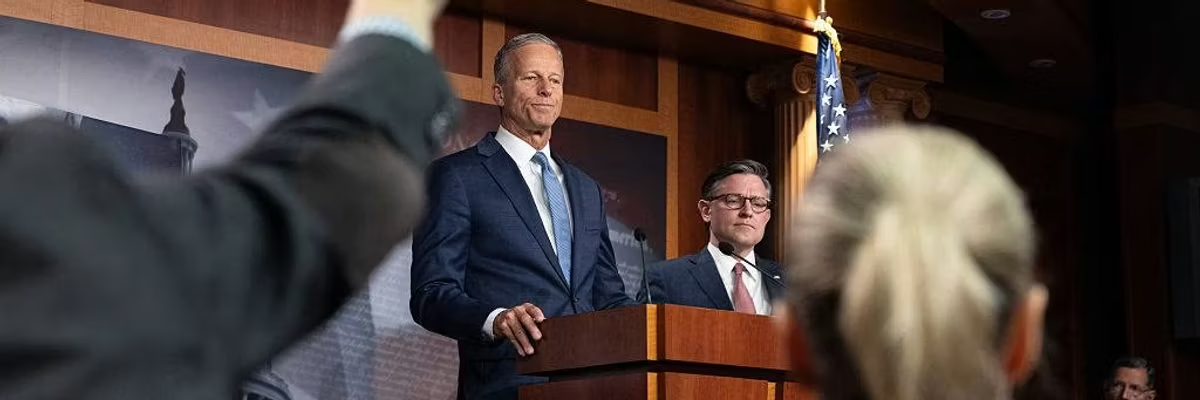
Senate Majority Leader John Thune (R-SD) and House Speaker Mike Johnson (R-La.) take questions during a press conference at the US Capitol on October 10, 2025 in Washington, DC. (Photo by Anna Rose Layden/Getty Images)
“Trump’s numbers on the economy are radioactive.”
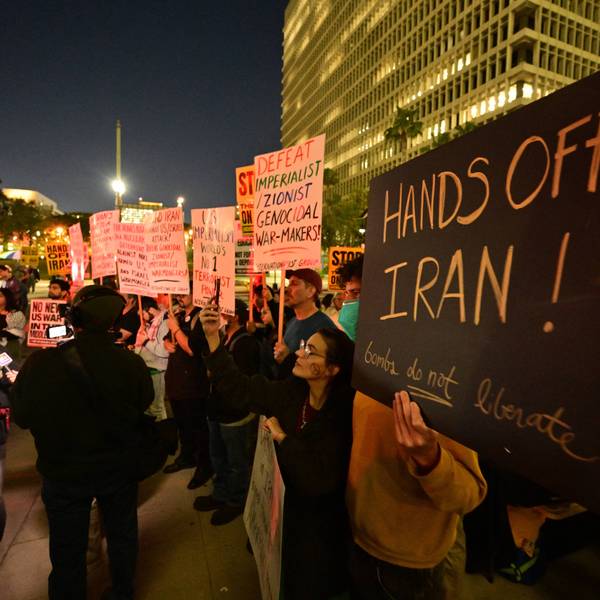
As President Donald Trump’s unconstitutional Iran war drags on into its fourth week, fresh polling analysis shows the president and his Republican Party are politically at their weakest point ever in the eyes of the American public.
Writing in The Argument on Monday, polling analyst Lakshya Jain made the case that Trump has created an “apocalyptic wasteland” for the GOP by combining “a cost-of-living crisis with an unpopular war and tariff policies from the 1930s.”
Jain noted that Trump’s approval rating in The Argument’s latest monthly survey had fallen to 40%, while his disapproval rating has soared to 58%, resulting in the lowest net approval for the president so far in his second term.
What should be particularly disturbing to the president, Jain said, is that disapproval of Trump is being driven by dissatisfaction with the state of the economy, the only area in which he was rated positively by voters throughout most of his first term.
“Trump’s numbers on the economy are radioactive,” Jain explained. “Every major demographic group of voters disapproves of his economic stewardship, including supermajorities of young and nonwhite voters. He’s even underwater on this issue with white, non-college voters, a group he won in 2024 by more than 20 percentage points.”
Voters are increasingly pessimistic about the future as well, as 50% of voters believe the economy will get worse over the next year, while just 37% say it will get better.
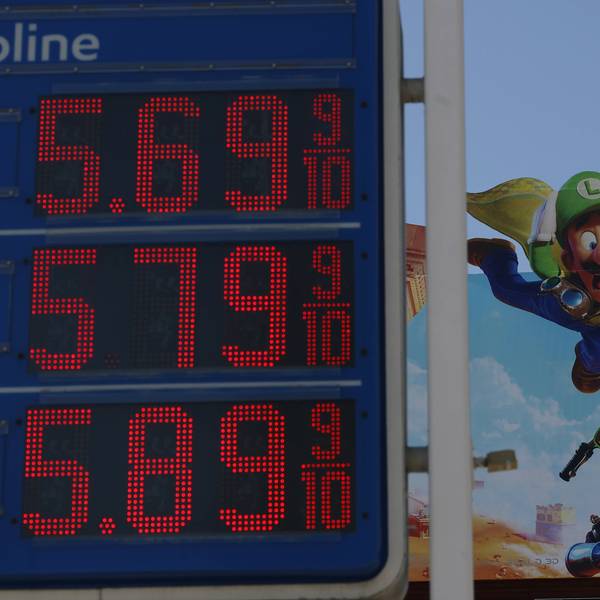
To top it all off, Jain said, Trump’s wounds on the economy are self-inflicted, including his tariff policies that have raised prices for consumer goods and his war on Iran that has sent energy prices skyrocketing.
“Trump is doing the exact opposite of what people asked for,” Jain said. “Tariffs have resulted in global economic upheaval. The war in Iran—which began before the fielding of this survey—resulted in an oil shock that has sent gas prices soaring. And Trump’s actions on immigration have shrunk the labor pool, leading voters to partially blame the administration’s immigration policies for exacerbating the cost of living crisis.”
Jain wasn’t the only polling analyst to find Trump’s public standing at a record low, as Real Clear Politics revealed on Monday that the president’s job approval in its average of polls had hit a second-term low of 41.6%.
Trump’s net approval also reached its lowest level ever in polling analyst Nate Silver’s polling average, and Silver said that it could go even lower in the coming days as gas prices continue to rise.
“Still going to be some lagging effects as polls catch up, but gas has increased from $2.93 per gallon to $3.94 over the past month,” Silver commented on Sunday, “and Americans aren’t liking that.”
Keir Starmer explains that UK is participating defensively in Trump and Israel’s criminal war for Israel’s genocidal expansion in Iran and states that he supports Zionism “without qualification”.Climate science denier Donald Trump confirms that he knows nothing about democracy and that more liquid gold is being secured according to his policy of global privateering.Donald Trump warns against following the Onaquietday.org blog, says that he’s heard that she’s a which with a black cat and a dangerous kitchen.
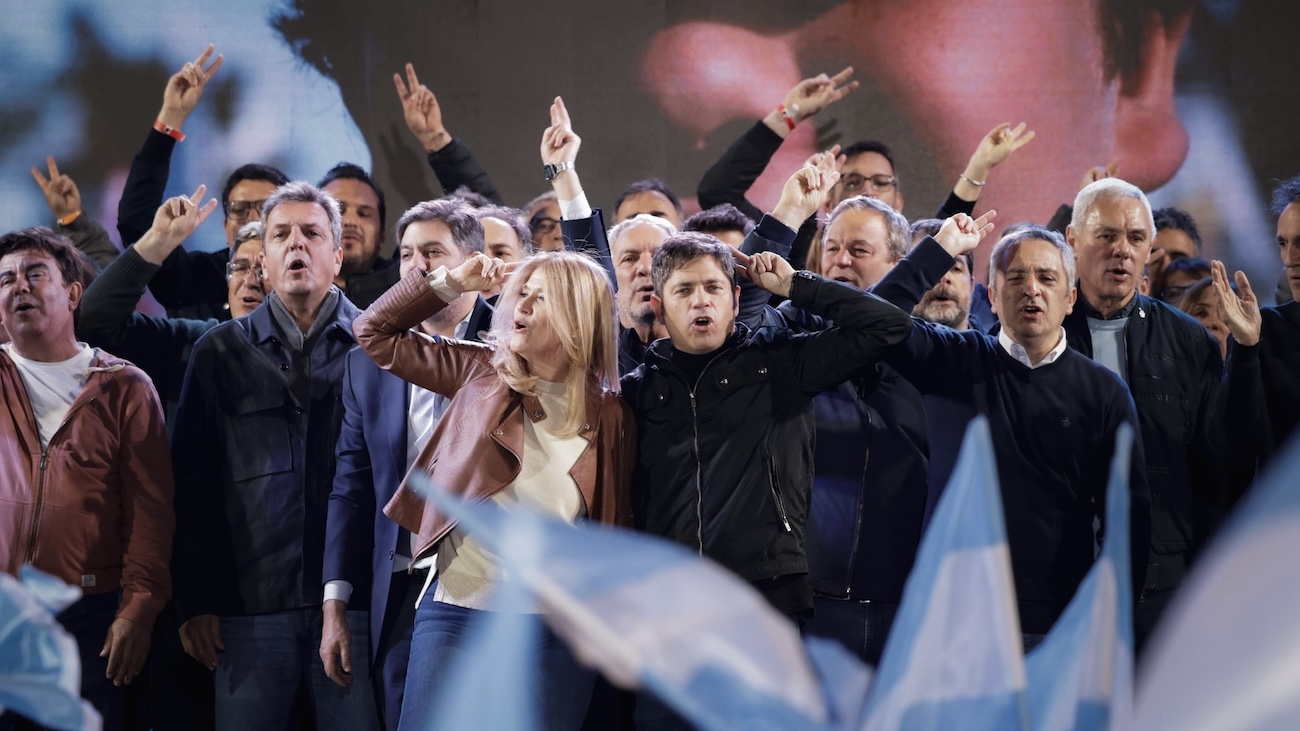
Axel Kicillof and other Peronist leaders in Buenos Aires celebrating their victory on Sunday, September 7. Photo: Fuerza Patria / X
Despite the president taking a front-line role in the election campaign and predicting victory for his party (“Buenos Aires will be painted purple,” Milei claimed), the figures speak for themselves. Voter turnout is estimated at almost 61%.
On September 7, 2025, the province of Buenos Aires dealt a crushing defeat to the right-wing libertarian project of President Javier Milei, who, after learning the results of the provincial elections, said: “Today we have suffered a clear defeat and we must accept it.”
The people of Buenos Aires province, which accounts for 38% of the country’s population, elected senators, deputies, and delegates of their municipalities. Peronism decided to join forces and form a large anti-Milei alliance called Fuerza Patria (Homeland Force), which, according to official data, obtained almost 47% of the valid votes. Meanwhile, La Libertad Avanza, Milei’s party that allied itself with the PRO (the party of former president Mauricio Macri), reached almost 34%. In third and fourth place were the centrist SOMOS and the Left Front, respectively, which each obtained almost 5%. The rest of the votes were divided among the other contenders.
In other words, Peronism won by more than 13 points over the far right, allowing it to take six of the eight electoral districts. La Libertad Avanza only managed to win the fifth and sixth districts. In addition, Peronism swept the municipal elections, winning 95 of the 135 municipalities in the province.
Milei says he will not back down
Despite the resounding defeat, Milei stated that while the necessary political mistakes must be corrected, he will not back down from his neoliberal project. “We will not back down one millimeter in the government’s policy; we will accelerate the course even more. If we have made political mistakes, we will process them and do better to win in October… We will continue to defend fiscal balance.”
He also took the opportunity to criticize his primary opposition, “They have put all the Peronist apparatus that they have been managing for 40 years into play, and this [result] is the floor for us and the ceiling for them.”
Peronism celebrates
For its part, the main opposition force, Peronism, celebrated the results. Former President Cristina Fernández, who is currently under house arrest, wrote on her X account: “Did you see that, Milei? Trivializing and vandalizing the ‘Never Again’ movement, which represents the darkest and most tragic period in Argentine history, does not come without a price. Neither is laughing at the death and pain of your opponents. But pointing fingers and stigmatizing the disabled, while your sister charges a 3% kickback on their medications, is lethal. And I’d better not even tell you how the rest (of those who still have jobs) are doing. Indebted for food, rent, expenses, or medications, and on top of that, with maxed-out credit cards. Get out of your bubble, brother.”
The Peronist governor of the province of Buenos Aires, Axel Kicillof, said to his supporters after learning the results: “The message from the polls is that you can’t govern for outsiders, for those who have the most. Milei: You have to govern for the people.” Furthermore, looking ahead to future elections, including the presidential election, Kicillof stated: “The elections have shown that there is another way, and today we are beginning to follow it.”
What is the reason for the crisis of ultraliberalism?
There are several elements which can help explain the defeat of Milei and his party on Sunday.
Other interpretations also point to an increasingly difficult management of the economy. The government has implemented a radical neoliberal policy that is in line with the demands of the International Monetary Fund (IMF). This has brought some stability to inflation, but it has also caused enormous social unrest, such as that of retirees who have taken to the streets every week to protest against government cuts to health care and freeze pensions.
In this regard, journalist Federico Rivas Molina wrote in El País: “The economic team is finding it increasingly difficult to maintain the value of the peso against the dollar. To prevent the dollarization of peso portfolios, it first raised rates to 80%, triple the inflation forecast for this year. Then it raised bank reserve requirements to 50% to reduce the amount of pesos in circulation. In the middle of last week, the floating bands it had agreed with the International Monetary Fund and sold dollars from the Treasury. Milei then blamed the turbulence on what he called ‘the kuka risk,’ that is, the fear of a Kirchnerist victory that had investors terrified. With the prophecy fulfilled, the scenario is now much more hostile than it was on Friday.”
Along these lines, Erika Gimenez, a journalist at ARG Medios, told Peoples Dispatch that Milei’s economic plan is not working and the people know it. She explained, “No one feels that their economic situation has improved under Milei’s government; quite the contrary: inflation is rising, salaries are insufficient, pensions for retirees and disabled people are being cut, among other cruel policies implemented by Milei. He is not convincing a sector that previously voted for him.”
She also expressed her opinion that Peronism, which has several internal tendencies (not always compatible), could sustain this alliance in the medium term thanks to the emergence of a figure who can bring together the different internal forces: “I think that Axel Kicillof’s leadership [in Peronism] is indisputable.”
Regarding the immediate future of Milei’s government, Gimenez said that a process of internal crisis is coming: “The figure of his sister is weighing on Milei, and despite this, he is not going to remove her. In addition, some ministers are going to resign or be fired, although it is not known which ones. There is a kind of political instability and instability in the Milei government’s economic project. It is most likely that between now and October, when there will be national legislative elections in which everyone in the country votes, political and economic stability will be at stake.”
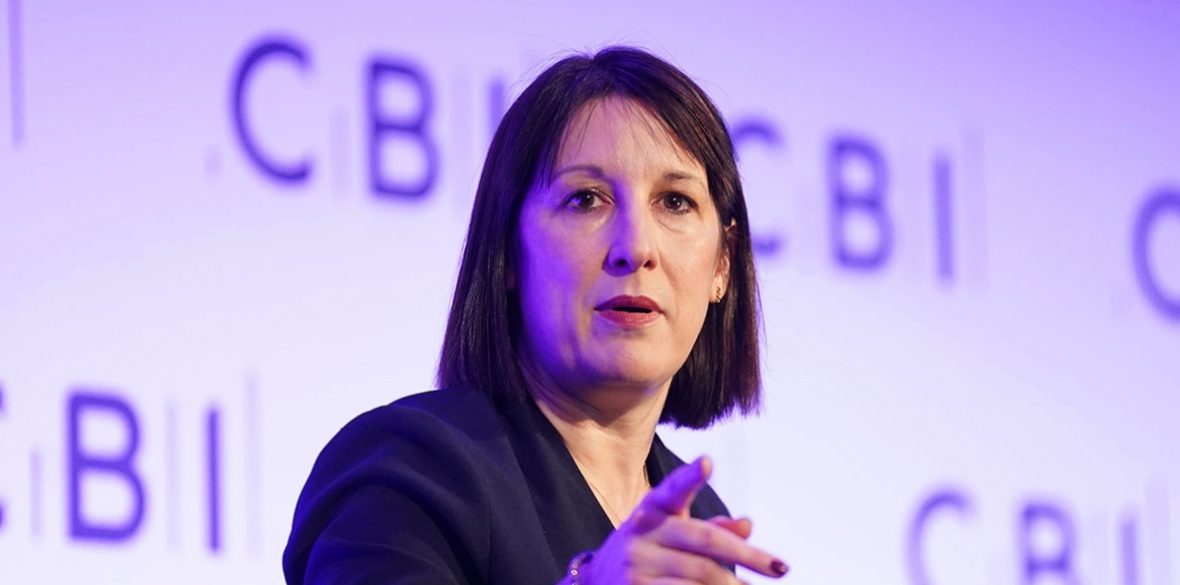
Chancellor of the Exchequer Rachel Reeves at the Confederation of British Industry (CBI) conference at the QEII Centre, London, November 25, 2024
…
Leading left MP and former shadow chancellor John McDonnell issued the warning to Rachel Reeves as the Chancellor returned from her China trip to confront the bond market crisis.
Mr McDonnell, presently suspended from the Labour whip for opposing the cruel two-child benefit cap, told BBC radio: “There is obviously a problem.
“There’s turbulence in the international markets, and we’ve just got to see those through.
“You don’t turn to cuts, certainly, because not only will that be politically suicidal, that would undermine the political support upon which Labour got elected.
“In addition to that, you would be taking demand out of the economy, and you would be looking at turning a crisis into a recession.
“So I think you just have to see through the turbulence in the markets.”
Mr McDonnell also reminded the government that voters matter more than markets.
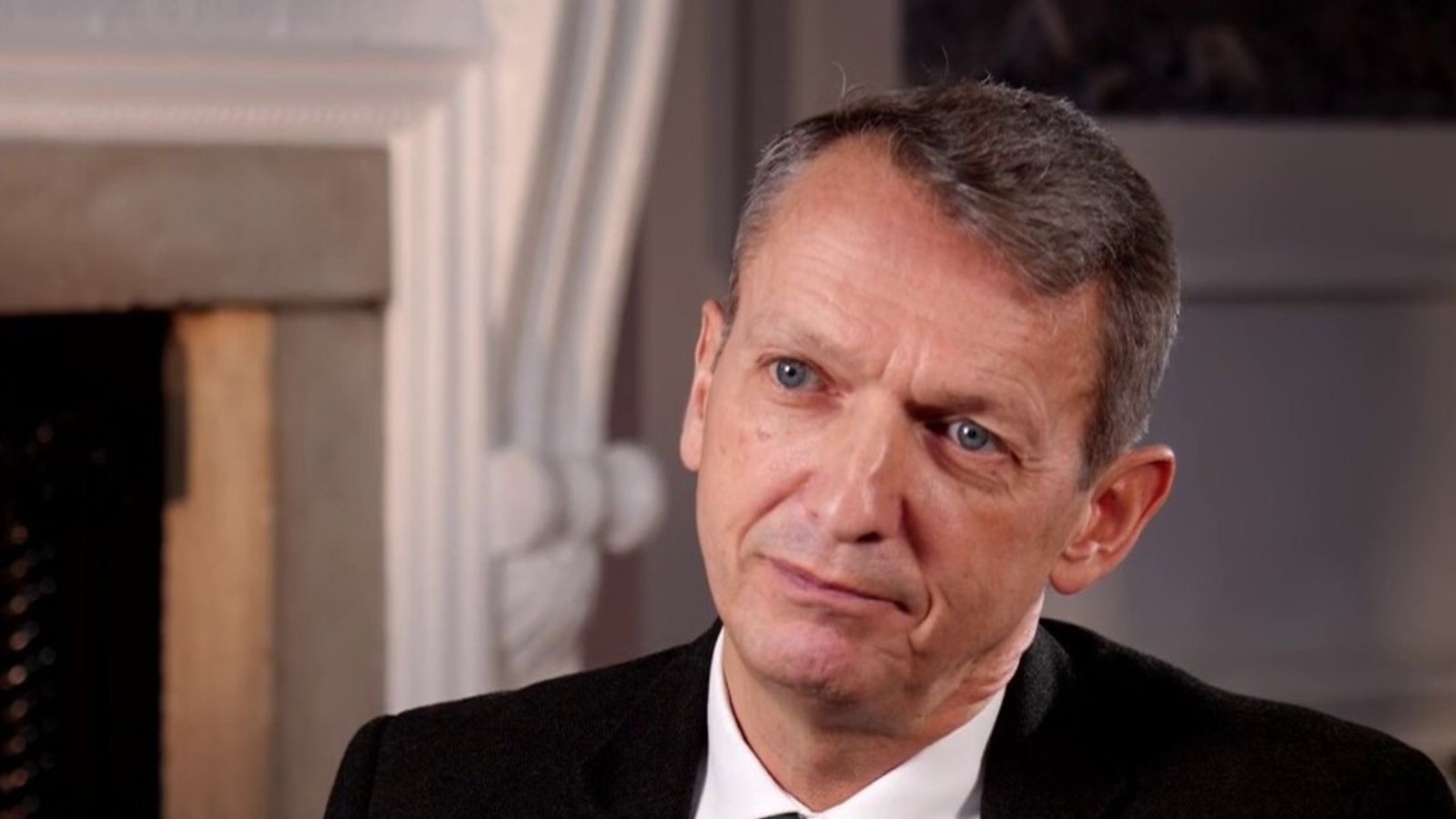
Former senior economist Andy Haldane told Sky News that Rachel Reeves’s comments earlier this summer had spooked consumers, businesses and investors.
The chancellor’s claim of a £22bn “black hole” in government finances was “unnecessary and probably unhelpful economically”, a former Bank of England chief economist has said.
Andy Haldane told Sky News’ Politics Hub with Sophy Ridge that Rachel Reeves’s statement in July was a “bad idea” because it generated a sense of “fear and foreboding” just when there was a new-found confidence in the UK.
Osborne– who was chancellor under David Cameron’s government and was instrumental in bringing about austerity – said that the cuts announced by Reeves on Monday were “almost identical in structure and form” to those he made in 2010, when he announced £6.2bn worth of cuts.
…
“I don’t think there was anything she announced that I would have violently disagreed with or not done myself.
“In fact, it was almost identical in structure and form to what I did in the first couple of months that I was Chancellor of the Exchequer.
“So, you know, ‘Continuity Osborne.”
Sharing a clip from the podcast on social media, SNP Westminster leader Stephen Flynn said: “No comment.”