Senior lawyer says ‘ink is almost dry’ on the guilt of many MPs who have enabled and covered Israel’s atrocities
Keir Starmer, Rishi Sunak and other UK MPs may be looking uneasily over their shoulder tonight after receiving a renewed warning from the lawyer leading a pro-Palestinian justice group about their own guilt regarding Israel’s war crimes, after International Criminal Court (ICC) chief prosecutor Karim Khan announced he has requested arrest warrants for Israeli PM Benjamin Netanyahu and defence minister Yoav Gallant.
Tayab Ali, a partner in Bindmans, one of the world’s leading human rights law firms, and a director of the International Centre for Justice for Palestinians (ICJP) published his stark warning on Twitter/X this evening, telling MPs who have supported and enabled Israel’s atrocities against the people of Gaza that it is now too late for them to do much to avoid their guilt and complicity, because ‘the ink of history on your potential complicity is almost dry and you already made your decision’ – and that ICJP will be demanding personal legal accountability for guilty MPs:
Victims and campaigners outside Central Hall in Westminster, London, after the publication of the Infected Blood Inquiry report, May 20, 2024
VICTIMS of the blood scandal were betrayed by a “subtle, pervasive and chilling” cover-up made worse by a lack of transparency by PM Rishi Sunak’s government, a long-awaited final report found today.
Patients caught HIV and hepatitis as the authorities responsible for their care “not once but repeatedly” knowingly exposed them to unacceptable risks from contaminated blood products and transfusions.
More than 30,000 people were infected from 1970 to 1991 as a result, with 3,000 so far having since died.
The infected blood inquiry report found there has been “deliberate destruction” of relevant documents and “elements of downright deception” from those in positions of trust and power following its five-year investigation.
…
Sir Brian added that Mr Sunak’s insistence on waiting for the conclusion of the inquiry before making a final decision on redress has “perpetuated the injustice for victims,” criticising the “litany of failures” by successive governments from the early 1970s, with no action taken even as it became known that the collection of blood from prisons led to an increased risk of hepatitis transmission.
Mr Sunak’s decision to delay means “those infected and affected have felt a lack of transparency and openness characteristic of what they have had to face, and have been fighting, for nearly half a century,” the report said.
Source: Official International Campaign to free Julian Assange
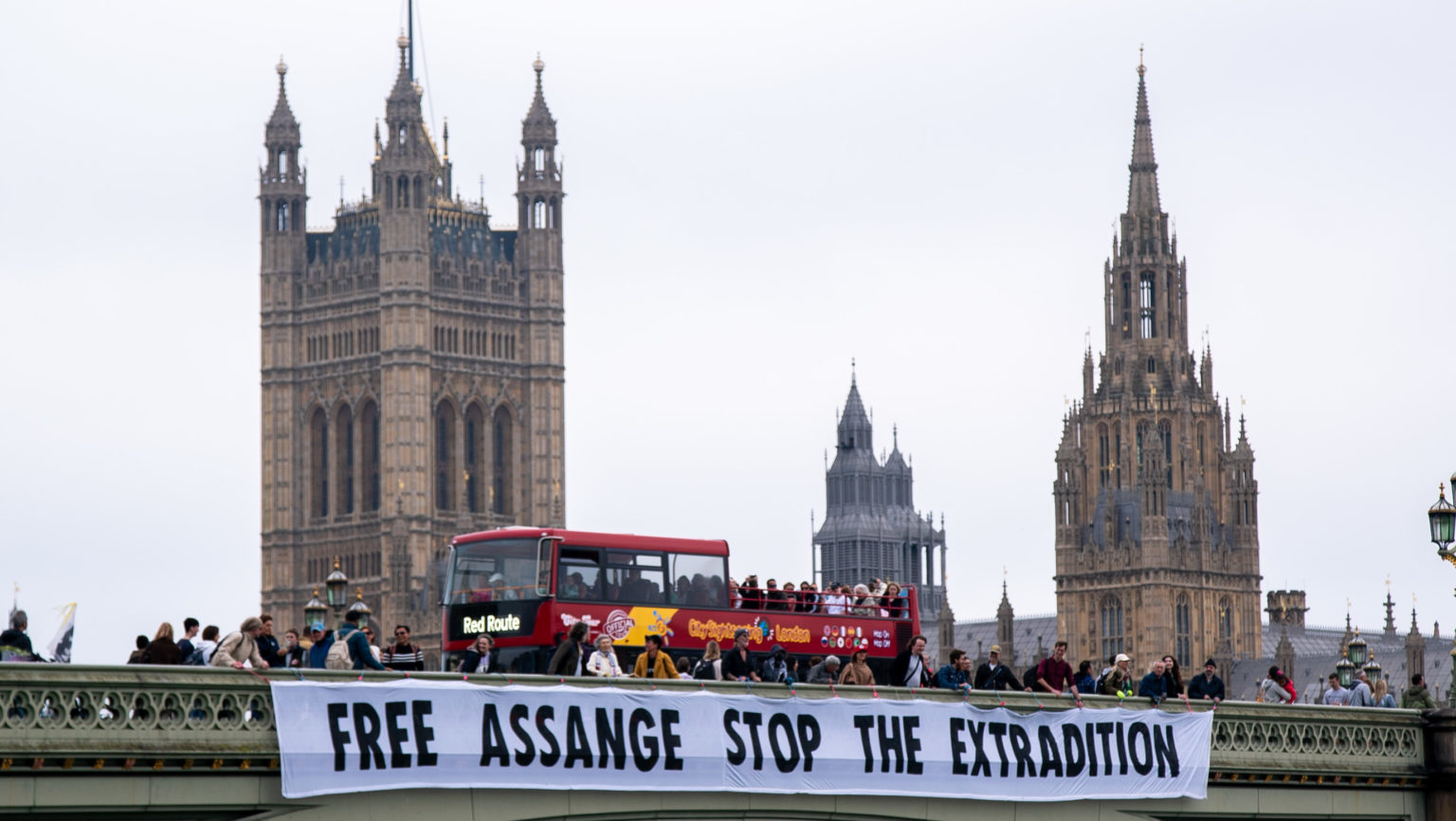
Julian Assange was granted another opportunity to appeal his extradition to the US after the UK High Court found US assurances of a fair trial inadequate
WikiLeaks founder Julian Assange has been granted another opportunity to appeal his extradition to the United States by the UK High Court on Monday, May 20. This decision allows Assange and his legal team to contest US extradition efforts in court once again, with a new date yet to be set.
Today’s decision also offers a glimmer of hope in a case that could see Assange prosecuted on espionage charges and potentially sentenced to over 170 years in prison in the US.
The ruling was met with hope from Assange’s supporters outside the court, as well as relief from family members and organizations who have been advocating for an end to his persecution since WikiLeaks published thousands of documents exposing US war crimes in Iraq and Afghanistan. The campaign for his release has intensified since his imprisonment in Belmarsh prison five years ago.
Following the ruling, Assange’s supporters reiterated calls for the US to drop the case entirely, allowing him to go free. “In trying to imprison him, the US is sending the unambiguous message that they have no respect for freedom of expression, and that they wish to send a warning to journalists and publishers everywhere: that they too could be targeted, for receiving and publishing classified material — even if doing so is in the public interest,” said Simon Crowther, legal adviser at Amnesty International.
Caitlin Vogus, deputy director of advocacy at Freedom of the Press Foundation, also urged the court to refuse to extradite Assange. “But better yet, the Biden administration can and should end this case now. If Biden continues to pursue the Assange prosecution, he risks creating a precedent that could be used against any reporter who exposes government secrets, even if they reveal official crimes. If the Biden administration cares about press freedom, it must drop the Assange case immediately,” Vogus said.
The High Court ruling follows a deferral from March this year, when the British judiciary sought assurances from the US that Assange would receive a fair trial if extradited. Specifically, Assange’s legal team demanded guarantees that he would be granted First Amendment rights to free speech, be treated equally in court despite being an Australian national, and that the prosecution would not seek the death penalty.
In response, the US legal team provided a list of assurances, but today, the UK court found them unsatisfactory. Apart from the assurance that the death penalty would not be pursued, Assange’s current and former legal representatives described the US explanations as inconclusive, raising concerns that he would face cruel treatment if deported.
‘It is not right that anyone should need to use a food bank because they can’t afford to eat and pay bills. However, food bank need is at an historic high.’
On May 15, the Trussell Trust, the UK’s largest food bank charity and a leading voice on poverty and hunger, released its annual figures. In the last year, 3.1 million food parcels were distributed by their network, the most parcels the network has ever distributed in a single year. It is also a 94 percent increase in the total number of parcels distributed compared to five years ago.
Facing historic food bank need in 2024, the charity says this long-term pattern needs to change and is urging for urgent reform to Britain’s social security system.
In its General Election Manifesto, the Trussell Trust is calling on all political parties to commit to building a future where no one needs a food bank to survive. The charity asks for an Essential Guarantee into Universal credit to be introduced, that would protect people from going without essentials, such as food and bills. They urge for debt deductions from social security payments to be more affordable, and for there to be a long-term strategy and funding for local crisis support.