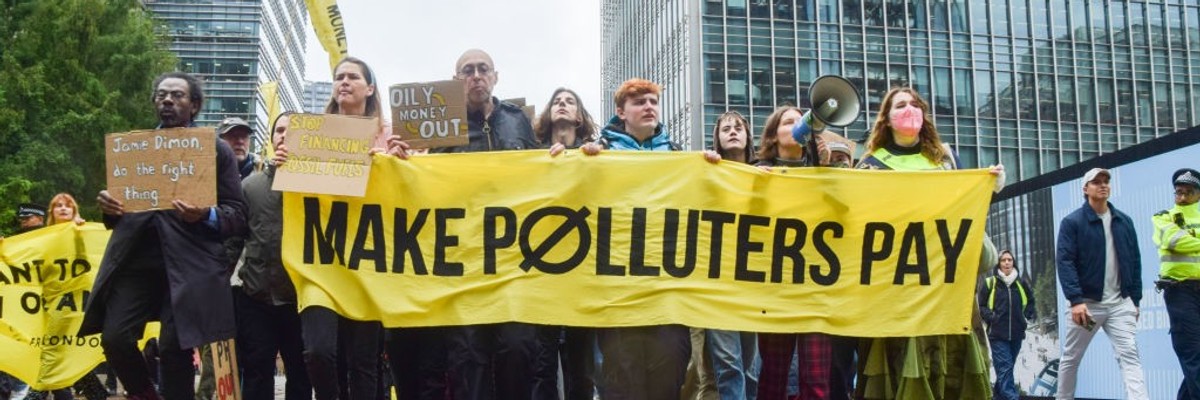
Climate campaigners march in London on October 19, 2023 to demand that fossil fuel corporations pay for their climate damage. (Photo: Vuk Valcic/SOPA Images/LightRocket via Getty Images)
“As governments debate how to finance climate action, they can be confident that making polluters pay is not only fair, but also far more popular and effective than placing the burden on ordinary citizens.”
A multinational survey commissioned by Greenpeace International and published Monday revealed that a majority of respondents favor making fossil fuel companies pay for being the main cause of the climate emergency.
Greenpeace International’s Stop Drilling, Start Paying campaign commissioned the strategic insight agency Opinium Research to survey 8,000 adults in eight countries—Australia, Argentina, France, Morocco, Philippines, South Africa, the United Kingdom, and the United States—ahead of this month’s United Nations Climate Change Conference, also known as COP29, in Baku, Azerbaijan.
“Asked about who should bear the most responsibility for climate change impacts, the most popular option across all eight countries in the survey was making oil and gas companies pay, with high-emitting countries and global elites ranked second and third,” Greenpeace International said in a summary of the survey, adding that “60% of all surveyed countries see a link between profits of the oil and gas industry and rising energy prices.”
The survey also found that two-thirds or more of respondents are angry about Big Oil CEOs getting huge bonuses even as their products exacerbate the planetary emergency; fossil fuel expansion; industry disinformation; and the “historic and ongoing role of oil and gas companies in conflict, war, and human rights violations.”
Eight in 10 respondents said they were worried about climate change. However, more than twice as many people surveyed in the Global South said the climate emergency has personally affected them than respondents in the Global North.
According to Greenpeace International:
Imposing a fair climate damages tax on extraction of fossil fuels by OECD countries—proposed by the charity Stamp Out Poverty and supported by 100 NGOs, including Greenpeace International—is one example of a tax on big polluters. This could generate $900 billion by 2030… This would be key for annual climate-related loss and damage costs, estimated to be between $290-$580 billion by 2030 in low-income countries, as well as for reducing the emission of heat-trapping greenhouse gases and adapting to the impacts of the climate crisis in all countries.
“This research shows how taxing the wealthy polluters-in-chief—companies like Exxon, Chevron, Shell, Total, Equinor, and Eni—has become a mainstream solution among people, cutting across borders and income levels,” said Stop Drilling, Start Paying co-chair Abdoulaye Diallo. “As governments debate how to finance climate action, they can be confident that making polluters pay is not only fair, but also far more popular and effective than placing the burden on ordinary citizens for a crisis for which they bear little or no responsibility.”
The Opinium survey was published on the same day that Amnesty Internationalcalled on the richer countries most responsible for the climate emergency to “fully pay for the catastrophic loss of homes and damage to livelihoods” in Africa.
“African people have contributed the least to climate change, yet from Somalia to Senegal, Chad to Madagascar, we are suffering a terrible toll of this global emergency which has driven millions of people from their homes,” said Samira Daoud, Amnesty’s regional director for West and Central Africa. “It’s time for the countries who caused all this devastation to pay up so African people can adapt to the climate change catastrophe.”
Footage shows a Palestinian man being used by the Israel Defense Forces as a human shield. (Photo: Al Jazeera)
“The earliest testimony we have on it is from a soldier who was aware of it just a few weeks after the ground invasion began,” one human rights expert said. “The latest testimony we have on this is from the summer.”
The Israel Defense Forces routinely use detained Palestinians as human shields in Gaza, according to testimony from four Palestinians and one IDF soldier shared withThe Washington Post.
Their stories, published on Sunday, build on other accounts from Haaretz, Al Jazeera, the international press, and Defense for Children International to reveal a pattern of Israeli soldiers forcing Palestinians—including children—to enter buildings or tunnels ahead of them to check for militants or explosives, in clear violation of international law.
“This wasn’t something that happened just here and there but rather on a large scale throughout a number of different units, at different times, throughout the war and in different places,” Joel Carmel, advocacy director of Breaking the Silence, told The Washington Post.
“My hospital was turning into rubble, and they were asking me to demolish it with my own hands.”
The incidents recounted to the Post occurred between January and August. One man, 20-year-old Mohammed Saad, said he was detained by the IDF in June and interrogated for several days. Then, a new pattern began. Every day, he and two other Palestinian men were blindfolded and taken to a different location. They were made to wear IDF uniforms, given cameras, and told to enter buildings ahead of the Israeli soldiers to film and check for explosives. On the second day, an explosion went off after Saad had made his forced investigation.
“They tied my hands and threw me on the sand,” he recalled. “They took turns beating me. I still don’t know where the explosion came from.”
Another time, the captain of the unit he was detained by showed him an image of his family home destroyed by bombing.
“If you do not cooperate with us, we will kill all your family members like this,” the captain said.
On the 15th day of Saab’s ordeal, he was given civilian clothes and told to walk. As he did so, he felt a pain and realized he had been shot in the back.
The other three Palestinians interviewed by the Post were detained during the IDF’s raid on al-Shifa hospital in Gaza City in March. One was a surgeon at the hospital, while the other two were taken from their homes nearby. They were made to enter the hospital building ahead of IDF troops, remove any barriers, and take pictures of each room they entered.
“I was telling them that my hands are precious for my work; I am the only vascular surgeon here,” the surgeon, Omar al-Jadba recalled to the Post. “My hospital was turning into rubble, and they were asking me to demolish it with my own hands.”
The IDF soldier, who spoke anonymously, said that two Palestinian detainees were placed with his unit to make sure that buildings were safe to enter. One of them was only a teenager. His commander said the two men were terrorists, but then later said they could be released after the mission was over.
“At this point we understood that if we could release them, then they were not terrorists,” the soldier, a reservist, told the Post. “The officer just lied to us.”
“Every one of their accusations is a confession.”
Another group of soldiers questioned the use of human shields, telling a higher-level commander that it was against international law.
“He told us that international law is not important and the only thing that simple soldiers need to think about is the ethical code of the IDF,” the soldier told the Post.
However, the IDF said in a statement that its orders prohibit the use of human shields.
Breaking the Silence, a group that records testimonies from Israeli soldiers in the occupied Palestinian territories, said the reservist’s account was in line with others they had received.
“The earliest testimony we have on it is from a soldier who was aware of it just a few weeks after the ground invasion began,” Carmel said. “The latest testimony we have on this is from the summer.”
The Post reporting came the same day as a major Associated Press investigation into Israeli raids on three hospitals in northern Gaza at the end of 2023. Israel has often justified its hospital raids with the claim that Hamas operates from the inside, turning all the patients and doctors into human shields. However, the AP concluded that “Israel has presented little or even no evidence of a significant Hamas presence at the three” hospitals it considered: the al-Awda, Indonesian, and Kamal Adwan hospitals.
“What do [former U.S. President Donald] Trump and [Israeli Prime Minister Benjamin] Netanyahu have in common?” asked journalist Mehdi Hasan in response to the Post‘s reporting. “Many things but especially… projection. Every one of their accusations is a confession.”
Other commenters responded to the clear violations of international law and questioned why the U.S. continues to provide weapons and funding to the IDF while it engages in war crimes.
The Austin for Palestine coalition shared a quote from the article, noting that what it described was “paid for by our tax dollars.”
View of Teesside, site of the planned £1.5 billion Net Zero Teesside Power gas-fired power plant with carbon capture. Credit: Bill Allsopp / Alamy Stock Photo.
The new Labour government is pledging billions to support projects based on climate-heating natural gas.
This story is the sixth part of a DeSmog series on carbon capture and was developed with the support of Journalismfund Europe.
Norwegian state-owned oil and gas company Equinor, the North Sea’s largest fossil fuel producer, is positioning itself to play a key role in plans to turn Britain into a world leader in capturing carbon.
Earlier this month, the new Labour government pledged £21.7 billion over 25 years to finance carbon capture and storage (CCS) projects shortlisted by the previous Conservative administration. Equinor was among several companies awarded a total of £3.9 billion in subsidies from 2025 to 2026 under the scheme when Chancellor of the Exchequer Rachel Reeves delivered the Autumn Budget on Wednesday.
But a DeSmog analysis of the company’s plans points to a series of technical, environmental and economic risks that raise questions over whether the projects will succeed in reducing emissions — or make them worse.
The uncertainties centre on Equinor’s backing for new “net zero” gas-fired power plants fitted with technology to capture carbon dioxide (CO2) billowing from their smokestacks, and bury the gas in disused oil and gas fields under the North Sea.
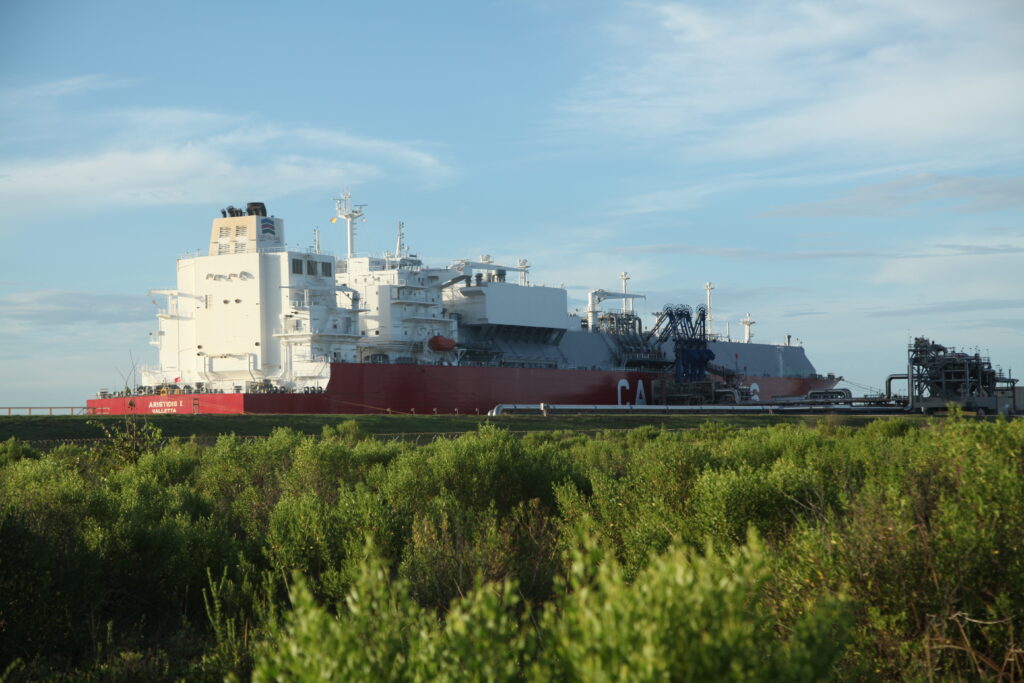
Carbon capture has never been deployed on gas-fired power stations at such a scale before — and a senior Equinor executive has made frank admissions around the technical challenges such projects face. Even if they perform as hoped, the power plants would likely burn imported liquified natural gas (LNG) from the United States, Qatar, and other suppliers — a fuel source that emits high levels of climate-heating methane when it’s being extracted, transported and stored.
Climate advocates are also concerned about Equinor’s plans to develop a UK market for “blue hydrogen”. This clean-burning fuel is made from natural gas, with carbon capture technology used to trap emissions released during the process. Even if the majority of these emissions are stored, however, the problem of methane leaking from the natural gas supply chain remains.
“This is not a decarbonisation project, it’s a ‘recarbonisation project’,” said environmental consultant Andrew Boswell, who launched a legal challenge to one of the new gas-power projects backed by Equinor and British oil giant BP in July.
Credit: Sabrina Bedford.
Lobbying Push
With oil and gas companies intensifying their lobbying of government ministers over carbon capture in recent years, Equinor, which supplies about 27 percent of the UK’s natural gas, has secured a prime seat at the table. Equinor executives attended 16 meetings with UK ministers from 2020 to 2023 to discuss CCS — more than any other company, and second only to the Carbon Capture and Storage Association lobby group, which held 20 meetings, according to transparency records [See related story].
Concerned about the fossil fuel industry’s role in shaping the UK’s carbon capture strategy, a group of scientists and campaigners wrote to Ed Miliband, Secretary of State for Energy and Net Zero, in September to urge him to reconsider the UK government’s support for the proposed gas-fired power and blue hydrogen projects.
“Putting the UK on the wrong pathway could be catastrophic,” wrote the authors, who included professors from 10 universities, including the University of Cambridge and the Massachusetts Institute of Technology. “Currently, this policy would lock the UK into using fossil fuel-based energy generation to well past 2050.”
Responding to the criticisms, Stuart Haszeldine, a geology professor at the University of Edinburgh and several other UK-based university professors, wrote their own letter to Miliband this month in support of CCS, and urged the government to disburse promised funding to avoid further delays.
“The fact remains that to achieve Net Zero in the UK by 2050 we need to deploy CCS at scale, and we need to deploy it well,” the authors wrote. “Not doing so could lead the UK to lose its status as a world leader in the space of tackling climate change, climate technology innovation, and a hub for investment for the energy transition.”
Technical Challenges
Equinor’s flagship carbon capture project in Britain is the estimated £1.5 billion Net Zero Teesside Power gas-fired power plant in the northeast of England, to be built in partnership with BP on the site of the demolished Teesside Steelworks.
Equinor and BP describe Net Zero Teesside Power as a “world-first gas-fired power station with carbon capture” and estimate that it will capture up to two million tonnes of CO2 per year by 2027, about 0.5 percent of the UK’s current yearly emissions.
Worldwide, attempts to make fossil fuel power plants cleaner through CCS have proved costly and challenging, however. So far, the approach has mostly only been used at power stations which burn coal — and even then the climate impact has been miniscule.
Only about 1.5 million tonnes of the world’s 37 billion tonnes of energy sector emissions each year, or 0.004 percent, were captured from power stations fitted with CCS in 2023, according to a DeSmog analysis of data from the Global CCS Institute, an industry group, and reporting from the SaskPower company in Canada.
And past attempts to build large gas-fired power stations with carbon capture in the UK, Norway, and Canada never made it past the planning stage.
That’s for both economic and technical reasons: It’s much harder and more expensive to capture the diffuse CO2 molecules emitted by burning natural gas than it is to mop up the denser CO2 concentrations spewed by natural gas processing facilities, the most common source of captured carbon worldwide.
‘Needle in a Haystack‘
Equinor encountered these challenges first-hand in 2006, when the company (then known as Statoil) began an estimated £650 million project to capture CO2 from its Mongstad gas-fired power station.
Then-prime minister of Norway Jens Stoltenberg called the project a “moon landing” for the climate, but project costs soon ballooned beyond earlier estimates, and the plan was abandoned in 2013. More recently, doubts about Equinor’s ability to capture CO2 from gas-fired power plants surfaced from within the company’s senior management.
Henrik Solgaard Andersen, then Equinor’s vice-president for low carbon technology, told Recharge Newsin 2021 that CCS at gas-fired power stations was “very difficult” and like “finding a needle in a haystack”.
Nevertheless, Equinor and BP told the UK government in their 2021 application for Net Zero Teesside Power that the companies could capture up to 95 percent of CO2 emissions at the gas-fired power plant. And the project’s website says the plant will capture “over 95% of emissions”.
That appeared to contradict Andersen’s 2021 comments to Recharge News, where he said a large gas-fired power station “will not be able to capture that amount of CO2” (90-plus percent).
“Nobody has run a dispatchable power plant with CCS before. Nobody knows really what the energy efficiency will be and the capture rate,” Andersen was quoted as saying.
When asked by DeSmog to clarify the apparent disparity between Andersen’s prior statements and company estimates for Net Zero Teesside Power, an Equinor spokesperson suggested referring all technical questions to BP, which will run operations at the power station.
“We believe that CCS could play a vital role in the UK’s transition to net zero by enabling industrial carbon capture, low-carbon hydrogen production, and power with carbon capture,” said the Equinor spokesperson.
BP did not respond to multiple requests for further information regarding CO2 capture estimates for Net Zero Teesside Power.
Equinor says its major investments in offshore wind and CCS will put the company on track to reach “net zero” carbon emissions by 2050 — and says it plans to store 30 to 50 million tonnes of CO2 a year by 2035 at various sites in Norway, the UK, Denmark and the United States, an over thirtyfold increase from the 0.8 million tonnes of CO2 it stored last year.
The company opened its new Northern Lights carbon transport and storage facility in Norway last month, a joint venture with Shell and TotalEnergies, but has yet to store large quantities of CO2 at the site.
‘Flawed’ Estimates
Even if Equinor and BP can achieve capture rates of 95 percent in Teesside, some researchers say that the project and others like it could still undermine Britain’s climate ambitions.
Lorenzo Sani, a power analyst from the London-based financial think tank Carbon Tracker, concluded in a June report that “flawed assumptions” and “underestimates” marred the government’s analysis of the Net Zero Teesside Power project’s potential emissions — which could make its climate impact up to four times higher than stated by BP and Equinor.
Sani argues that BP and Equinor have not taken adequate account of “upstream emissions” — methane and CO2 released during the production and transport of the natural gas burned in the power station.
As North Sea oil and gas production declines, the UK is increasingly importing gas in the form of liquefied natural gas (LNG), with the majority from the United States. This gas generally has a higher emissions footprint than UK or Norwegian gas due to the elevated amounts of methane and CO2 released during extraction, and the process of turning the gas into a liquid, and shipping it.
In Teesside, U.S.-based company WaveCrest Energy plans to build a new liquified natural gas import terminal to satisfy future gas demand in the region, which it advertises as “sustainable” and “low carbon” — despite its significant carbon footprint.
“Liquefied natural gas comes with a much heavier carbon intensity when combustion emissions are removed, because in the whole supply chain, there are higher energy losses and leaks,” Sani said. “So the carbon intensity of the gas that is delivered is at five or more times higher than natural gas from the North Sea.”
That critique was the basis of the case brought by Boswell, the environmental consultant, who argued that planning permission for Equinor and BP’s Net Zero Teesside Power plant failed to consider the full climate impact of the project.
In her July ruling in favour of the government, High Court Justice Nathalie Lieven, however, found that “no logical flaw” was made by ministers in granting planning permission for the project. Boswell has appealed the ruling, with a hearing due in March.
In response to detailed questions about the government’s CCS strategy submitted by DeSmog, a spokesman for the Department for Energy Security and Net Zero said that the Climate Change Committee, an independent government advisory body, had described carbon capture as “a necessity not an option for reaching our climate goals.”
“Carbon capture, usage and storage will play a vital role in a decarbonised power system,” the spokesperson said.
WaveCrest Energy did not respond to a request for comment.
‘Business as Usual’
Beyond concerns over the emissions footprint of the planned projects, it is also unclear how Equinor and other oil companies venturing into the UK’s nascent carbon capture market can expect to make such projects pay.
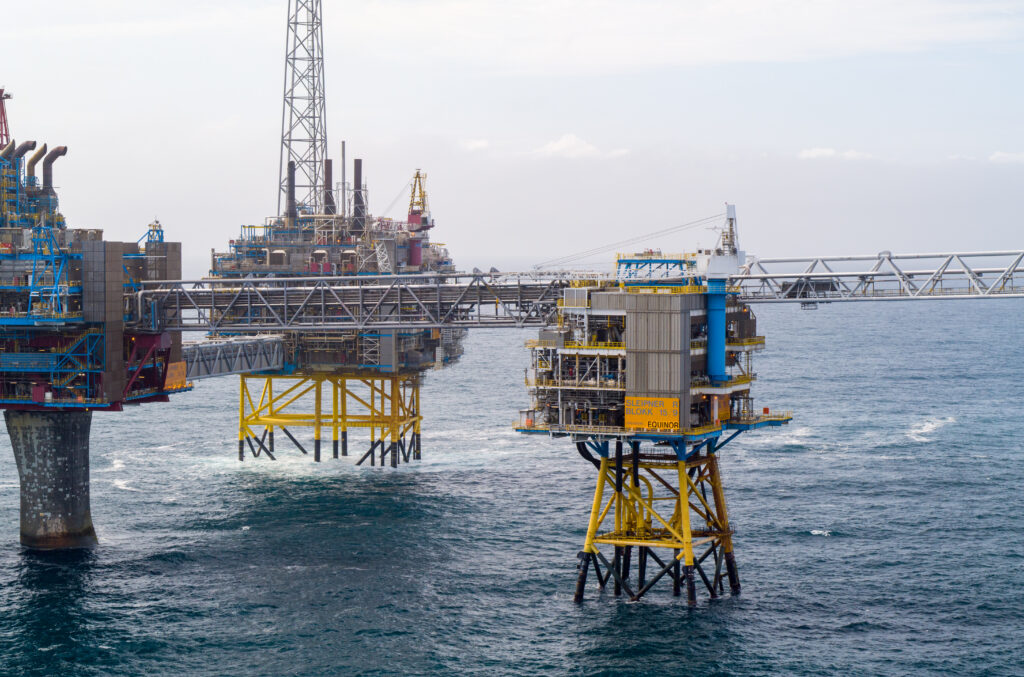
Carbon capture advocates often cite Equinor’s success at capturing CO2 from its Sleipner offshore gas field in the North Sea since 1996 as proof the technology can work.
But critics point out that the project did nothing to reduce consumption of fossil fuels.
Ada Nissen, a University of Oslo historian, argues that the Sleipner project allowed Equinor to continue “business as usual” — earning the company a rebate on a new Norwegian carbon tax, but doing nothing to curb further natural gas extraction or consumption.
What’s more, company figures for the amount of CO2 stored at Sleipner have not always proved reliable.
Equinor has admitted over-reporting the amount of CO2 captured at Sleipner during the period 2017-2021 due to an equipment malfunction, DeSmog reported this week, expanding on findings by Norwegian public broadcaster NRK Rogaland in 2022.
Elsewhere, in the 52 years since carbon capture was first deployed in a Texas oilfield, the fossil fuel industry has mostly used the technique to revive depleting oilfields by pumping CO2 back underground to force hard-to-reach oil to the surface. Selling that oil helped make the expensive business of capturing carbon economically viable — and generated more emissions when the oil was burned.
DeSmog revealed in March that the North Sea oil industry has long studied the possibility of using the technique — known as enhanced oil recovery — to reanimate declining offshore fields. Nevertheless, oil companies such as Shell and Equinor say they have no plans to do so.
That raises the question of how industry will finance the UK’s carbon capture plans.
The previous Conservative government set a target to capture 20 to 30 million tonnes of CO2 by 2030 — from none today. Such a build-out would mean constructing the equivalent of roughly half of the world’s total CCS capacity of about 50 million tonnes, which took half a century to develop, over the next five years. The new Labour government has not explicitly endorsed that target, though its carbon capture strategy is broadly in line with its predecessor’s.
In Britain, two decades of on-off attempts to introduce CCS have foundered due to the lack of a viable market to sell captured CO2, and wavering policy support.
“There’s been no monetary value placed on putting carbon back into the ground, and that’s why it doesn’t happen,” said Haszeldine, the geology professor at the University of Edinburgh.
Under the UK’s emissions trading scheme (ETS), companies must buy CO2 pollution allowances. In theory, rising prices for these permits could incentivise companies to capture carbon — instead of venting it into the atmosphere. Permits are trading at less than £40 per tonne, however, far below the estimated costs for capturing CO2 from a variety of sources. For example, the U.S.-based National Petroleum Council estimated in 2021 that it would cost an average of £90 per tonne to capture CO2 from a large gas-fired power plant.
In the absence of a reliable market signal, industry is clear that it will need significant subsidies.
Funding Concerns
The UK’s Carbon Capture Storage Association lobby group — which counts Equinor as a member — estimates that £2-3 billion in subsidies will be needed a year by 2028 to get a British CCS industry off the ground. That’s roughly in line with the government’s £3.9 billion in CCS subsidies for 2025-2026 announced on Wednesday, but higher than Labour’s pledge of £21.7 billion over 25 years — an average of less than £1 billion annually.
Despite past funding pledges, successive governments have come nowhere near to disbursing such funds. Since 2020, the government has granted £171 million for CCS and hydrogen projects as part of its 2021 UK Research and Innovation funding scheme. Equinor was the second largest recipient, with project grants amounting to more than £22 million, behind Italian oil company Eni with £30 million, according to a DeSmog review of the government’s subsidy database.
Companies are open about their worries over shortfalls.
In June last year, representatives of the Carbon Capture and Storage Association told Grant Shapps, then Secretary of State for Energy Security and Net Zero, that its members were concerned about delays and there was a “struggle to keep investors upbeat”, according to meeting notes obtained by DeSmog via a freedom of information request.
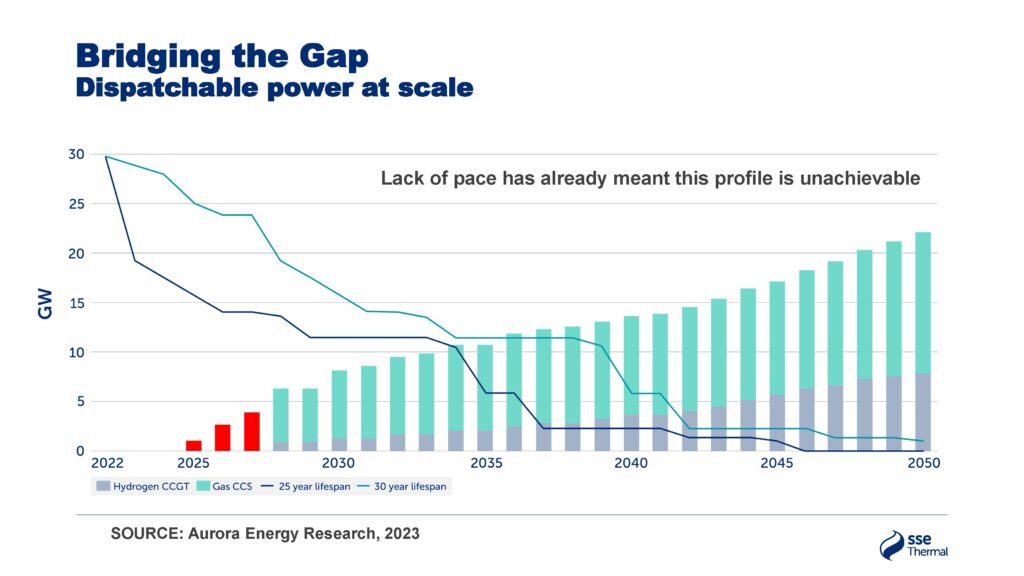
In a presentation given at a London CCS conference in October last year, Catherine Raw — then vice-president for Scottish utility SSE — stated that plans to scale up the UK’s gas-fired power CCS were beset by “lack of pace” which made them “unachievable.” If nothing happened soon, the then government’s plan to decarbonise electricity generation by 2035 — a target which Labour has since brought forward to 2030 — would force SSE to shut down much of its business. SSE did not respond to a request for comment.
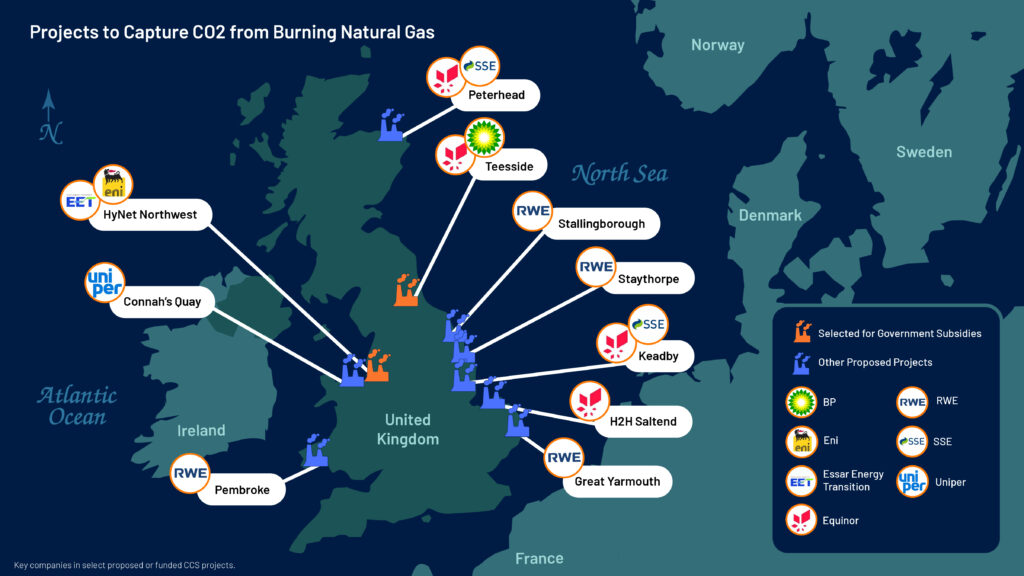
To meet the net zero challenge, SSE is partnering with Equinor to build two gas-fired power plants with CCS priced at £2.2 billion each, in Peterhead, Scotland and Keadby in the east of England. Neither project has yet been selected for government funding, with priority given to Net Zero Teesside Power.
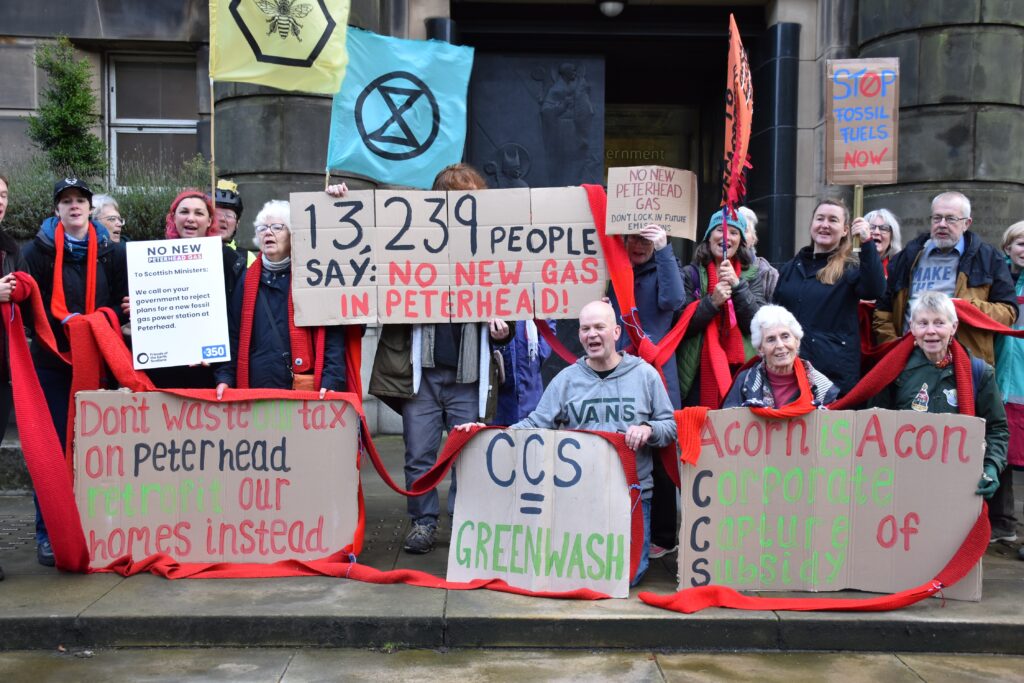
The Peterhead project has sparked opposition from climate groups including Friends of the Earth Scotland, which organised a protest in Edinburgh last month. “Projects like Peterhead carbon capture and Net Zero Teesside are wasting both time and money that should be spent on climate solutions that work from day one and will improve lives,” said Alex Lee, a campaigner for the group, responding to the CCS subsidy announcement in the Budget. “These greedy energy companies will do whatever it takes to keep the subsidies flowing, leaving the UK public to pick up the tab for its inevitable failure.”
In addition to Equinor and SSE, German energy company RWE plans to build CCS retrofits at three gas-fired power plants it operates in Pembroke, Wales, and Great Yarmouth and Staythorpe in eastern England, as well as a new-built gas power station with CCS at Stallingborough, also in eastern England. RWE estimates the projects could capture up to 11 million tonnes of CO2 emissions a year.
In February, Uniper — the German-state owned power utility and gas company — also announced plans to retrofit its Connah’s Quay gas-fired power station in Wales with CCS.
“Efficient gas-fired power stations fitted with carbon capture will support the transition to renewables by providing a firm and flexible power source, crucial for filling the gap when there is insufficient wind or solar energy to meet demand,” RWE said in a statement.
Uniper did not immediately respond to a request for comment.
Meanwhile, other carbon capture projects remain stalled. In June, Equinor delayed the potential start-date for a planned blue hydrogen plant near Hull on the east coast of England until 2027 at the earliest, citing funding concerns.
In September, Equinor cancelled plans to export blue hydrogen from Norway to Germany, citing lack of demand and economic challenges. And this month, ExxonMobil dropped plans to build a CO2 pipeline from its Fawley Refinery in southern England, linked to a proposed blue hydrogen plant at the site.
Budget Announcement
While the government’s carbon capture funding shortlist initially included eight projects, the Department for Energy Security and Net Zero said this month that the list would be cut to three.
The recipients are Net Zero Teesside Power; a blue hydrogen plant to be operated by EET Technologies — a subsidiary of Indian conglomerate and oil company Essar; and the Protos waste-to-energy power station with CCS, planned by waste and energy companies Biffa and Encyclis in Merseyside.
Left out of the funding round from the government’s initial shortlist were two blue hydrogen facilities planned in Teesside; a lime plant; a separate waste-to-power facility in Merseyside; and a project to capture CO2 at the Padeswood cement works in northern Wales.
In addition to the three selected carbon capture projects, the government plans to support Italian oil and gas company Eni’s CO2 transport and storage project in the Irish Sea as part of the HyNet Cluster in Merseyside, as well as the Northern Endurance Partnership CO2 transport and storage project in the North Sea, to be operated by Equinor, BP and TotalEnergies.
Eni says that its HyNet CO2 transport and storage network on land and in the Irish Sea could handle up to 4.5 million tonnes of CO2 per year, with plans to scale capacity to 10 million tonnes after 2030.
“The project will help preserve local jobs by supporting the decarbonisation of hard-to-abate industries, as well as attracting investment and creating new jobs,” said an Eni spokesperson.
David Parkin, chair of the HyNet Alliance, which includes Eni and EET Technologies, said that all blue hydrogen produced by EET Technologies will meet the UK’s “Low Carbon Hydrogen Standard” and estimates that more than 97 percent of CO2 will be captured from its blue hydrogen production plant.
“The low-carbon hydrogen can be stored in significant quantities to support the UK’s energy security and provide a reliable source of power for when the wind doesn’t blow and the sun doesn’t shine,” Parkin said.
The government’s decision to prioritise natural gas-based CCS projects such as new gas-fired power plants and blue hydrogen has alarmed some climate advocates, who recommend that the technology be used to clean up existing dirty industries, not build more fossil-based infrastructure.
Any investments in carbon capture “should be focusing on genuine ‘hard-to-abate’ applications like cement, fertiliser, and other chemicals processing/refining — not power generation and blue hydrogen,” said Arjun Flora, European director of the Institute for Energy Economics and Financial Analysis, a think tank, which analysed the UK’s carbon capture strategy last year.
“The most likely consequence is a waste of public money, at a time when budgets are constrained,” he added.
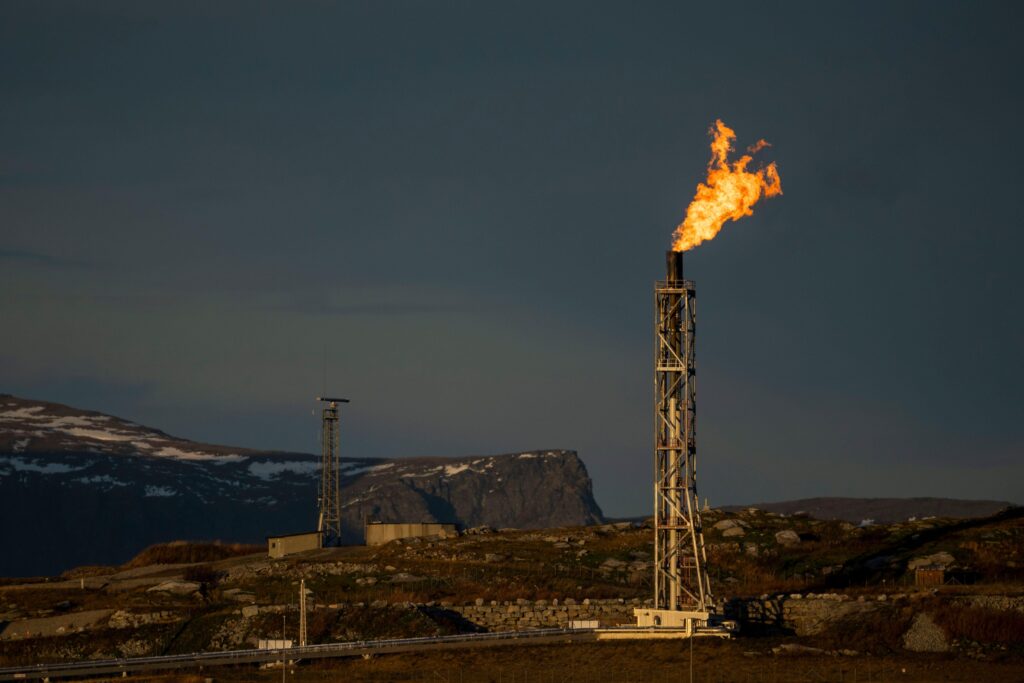
Equinor’s Hammerfest LNG export terminal on the Norwegian island of Melkøya. Credit: Fredrik Varfjell / NTB / Alamy.
Record Profits
While Equinor, BP and other companies waited for subsidies from the UK government to develop carbon capture in recent years, skyrocketing energy prices earned them record profits from oil and gas. In 2022, Equinor recorded adjusted earnings of £61 billion, more than double its previous annual record.
With demand for Norwegian oil and gas remaining strong, Equinor’s chief executive Anders Opedal announced plans in August to invest between £4.3 and £5 billion a year to maintain production levels in the Norwegian sector of the North Sea until 2035.
The company and partner Ithaca Energy also plan to invest an initial £3.1 billion to drill the Rosebank oil field west of the Shetland Islands, the UK’s largest fossil fuel project in a decade.
Last year, DeSmog revealed that former Chancellor of the Exchequer Jeremy Hunt had reassured Equinor’s Opedal of the government’s support for the Rosebank project during a meeting in January 2023, and had appeared to suggest that low carbon investments could improve the company’s image.
Even if Equinor succeeds in transforming the North Sea into a vast CO2 capture and storage site, however, the company’s target to store 30 to 50 million tonnes of CO2 a year by 2035 would nowhere near offset the 262 million tonnes of CO2 emitted from its operations and burning its oil and gas last year, according to company data reviewed by DeSmog.
That’s more than 300 times the combined total of 0.8 million tonnes of CO2 emissions it captured and stored in 2023 at its carbon capture project at the Sleipner gas field, and a similar facility in the Barents Sea.
Carbon capture expert Stuart Haszeldine said that fossil fuel companies should be bound by a “carbon takeback obligation” — a legal mechanism aimed at forcing them to store an equivalent amount of CO2 to the quantity produced by burning their products.
By subsidising carbon capture without constraining fresh drilling, governments are allowing fossil fuel companies to “have their cake and eat it too,” he said.
Additional reporting by TJ Jordan and Michael Buchsbaum
Alberta Premier Danielle Smith surveys damage after the Jasper wildfire. Credit: Danielle Smith / YouTube
Speaking at the UCP annual general meeting, the Premier took shots at the federal government and vowed not to “budge an inch.”
Alberta Premier Danielle Smith pledged to “triple down” on conservative principles, including energy extraction and anti-trans policies at the Alberta United Conservative Party’s annual general meeting in Red Deer today in front of an energetic crowd of 6,000 people.
“We will build new pipelines, oil and gas facilities, petrochemical plants, hydrogen plants, and more because Alberta is an energy superpower, and we will not apologize for it,” said the premier, who was defiant against the federal government and any attempts to regulate energy and greenhouse gas emissions.
Taking a shot at the federal government Smith decried federal attempts at regulating carbon emissions during her speech.
“Justin Trudeau, Steven Guilbeault and their band of woke MPs have done everything they can to shut down Canada’s and Alberta’s most economically important industry as quickly as possible,” said Smith.
In a particularly spicy moment, the Premier dismissed federal environment and climate change minister Guilbeault’s “tantrums” and “green schemes,” suggesting that Alberta would not “budge an inch … EVER.”
Smith threatened to continue to block any legislation that affects the energy industry.
“We have already invoked the Sovereignty Act against Justin Trudeau’s reckless and unaffordable 2035 net-zero electricity regulations, which we will not enforce in Alberta,” she said.
Premier Smith denounced federal attempts at regulating carbon emissions during her speech at the UCP’s annual general meeting. Credit: Danielle Paradis
Premier Smith is facing a leadership review as a part of the AGM and met with members at an accountability session where they discussed past policy proposals including the proposal to ban solar farms on agricultural land.
Last year, the Alberta government imposed a seven-month moratorium on renewable energy projects after this policy proposal passed.
According to the Canadian Press, a webinar used as a part of the government’s engagement process said that Alberta is looking to prohibit wind and solar farms on irrigated land.
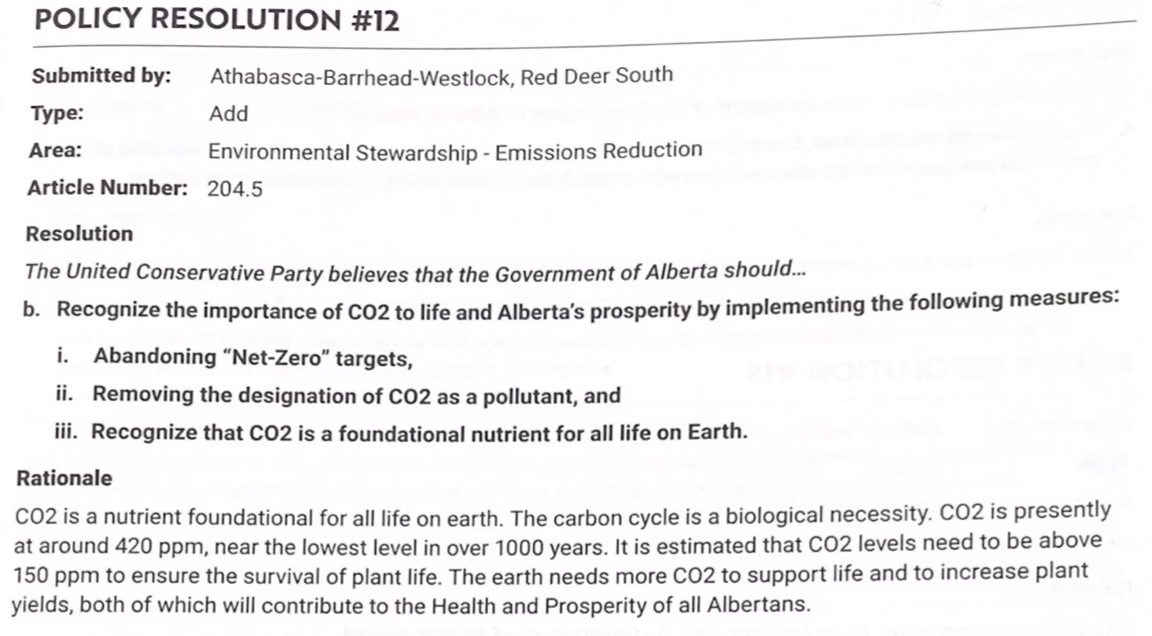
In the afternoon, the members will debate a policy resolution that would “recognize the importance of CO2 to life and Alberta’s prosperity” by abandoning “Net-Zero” targets and recognizing that CO2 is a “foundational nutrient to life.”
UCP members voted in favor of a resolution to “recognize the importance of CO2 to life and Alberta’s prosperity.” Credit: Danielle Paradis
Alberta’s United Conservative Party has passed a resolution to rebrand carbon dioxide — the chief gas whose overabundance in Earth’s atmosphere is causing the climate emergency — in a brazen display of climate science denial that harkens back to the 1990s fossil fuel industry playbook.
Resolution 12, which falls under the “environmental stewardship and emissions reduction” area of the policy discussion, will “recognize the importance of CO2 to life and Alberta’s prosperity.”
In approving the resolution, the UCP resolved to abandon the province’s net zero targets, remove the designation of CO2 as a pollutant, and further “recognize that CO2 is a foundational nutrient for all life on Earth.”
“We must prioritize policies that protect our economy and our way of life. CO2 is an essential nutrient for mass, driving growth and boosting plant production. According to the CO2 Coalition, higher CO2 levels have led to healthier crops and improved food security worldwide,” said a UCP member speaking in favour of the policy who cited the notorious CO2 Coalition.
The resolution passed by a wide majority.
UCP members vote in favor of Resolution 12. Credit: Danielle Paradis
A member who spoke against the bill, saying that just like like someone can drink too much water and experience water poisoning, too much CO2 can be bad. He was booed by the crowd.
The policy discussion took place in Red Deer, Alberta, where 6,085 UCP members and observers debated 33 policy resolutions at their annual general meeting. Earlier in the day, Alberta Premier Danielle Smith pledged to “triple down” on conservative priorities, including further expanding oil production and attacking Canadian climate policies.
As severaloutlets have reported previously, Resolution 12 flies in the face of the scientific consensus on climate change, and the party’s rationale for the resolution states a widely debunked claim that “the Earth needs more CO2 to support life and to increase plant yields.”
Carbon dioxide is the gas principally responsible for exacerbating the greenhouse effect, the consequence of which is global warming. Whereas carbon is a foundational building block of life on Earth, carbon dioxide is an asphyxiating gas whose atmospheric proportions are so high they’re disrupting the normal function of the carbon cycle.
The resolution was submitted by the members of the legislative assembly (MLA) representing the provincial ridings of Athabasca-Barrhead-Westlock (Glenn van Dijken), and Red Deer-South (Jason Stephan).
The argument that carbon dioxide is a “gas of life” has been a common yet easily refutable talking point popularized by climate change deniers and other right-wing extremists. One such group, the anti-wind energy group Wind Concerns, referred to carbon dioxide as a “gas of life” in an interview with DeSmog last year. Their leader, Mark Mallett, took credit for contributing to the anti-renewable energy moratorium instituted by Alberta UCP Premier Danielle Smith.
Climate scientists have long confirmed that increased CO2 in the atmosphere does not, as climate change deniers insist, create better growing conditions for plants.
The argument that carbon dioxide is beneficial for the environment appears to have first been made by the Greening Earth Society (GES) in the mid-late 1990s. GES was a creation of the Western Fuels Association, and it was later determined the two groups were one and the same. GES published the World Climate Report, a non-academic and non-peer-reviewed journal that served as a platform for climate change denial. They were transparent in acknowledging their funding from fossil fuel companies, and appear to have originated several talking points now common amongst climate change deniers, including those that advocate for increased atmospheric carbon dioxide, which would result in faster plant growth and greater agricultural yields.
In the “rationale” section of the resolution, the United Conservative Party document argues that “CO2 is a nutrient foundational to all life on Earth.”
While plants need both light and carbon dioxide to thrive, the over-supply of CO2 in recent decades is leading to plants being deprived of their nutrients. One biologist was quoted in a 2017 Politico article describing this as akin to “the greatest injection of carbohydrates into the biosphere in human history,” and that injection is diluting the nutrients in the food supply.
While the resolution notes that the “carbon cycle is a biological necessity,” it doesn’t appear the resolution’s sponsors are aware that increasing carbon dioxide in the atmosphere throws the carbon cycle off balance. This is precisely what’s causing the climate emergency: too much carbon dioxide in the atmosphere combined with the destruction of natural carbon storage is destroying the carbon cycle as we know it. The proposed resolution is as contradictory as it is scientifically illiterate.
The resolution also states that current CO2 levels are around 420 PPM, which is described as being “near the lowest level in over 1000 years.” Where this idea comes from is not clear, but it is not supported by verifiable scientific evidence. To the contrary, CO2 levels were 34 percent lower than today in the year 1024, at about 280 PPM. CO2 levels have climbed steadily since the beginning of the Industrial Revolution, though they have grown most aggressively since 1950. NASA estimates that, despite wide fluctuations over time, CO2 levels had not exceeded 300 PPM over the last 800,000 years, but have stayed above that level since 1950.
The argument that more CO2 will support life, increase yields, and “contribute to the health and prosperity of all Albertans” — as stated in the resolution — is not supported by scientific evidence. The opposite is a far likelier outcome. As the principal driver of the climate crisis and global warming, increasing CO2 levels will exacerbate droughts, wildfires, and floods, among other disasters, in turn resulting in loss of life and major disruptions to global supply chains. The consequent economic disturbances and their aftereffects will worsen the affordability crisis and result in increasingly negative economic outcomes for all, not just Albertans. Rather than stimulate Alberta’s agricultural sector, climate change will destroy it, and the evidence this is already happening is quite clear.
Another policy resolution is focused on the provincial government’s “scrap the cap” program. The policy builds on a previous resolution to repeal the carbon tax and instead: “Prohibit any consumer carbon tax or carbon pricing scheme or carbon cap and trade system from being implemented in Alberta.”
The resolution also proposes to support “any federal or interprovincial government’s efforts to “axe the tax” (the federal conservative campaign) by eliminating the federal carbon pricing backstop from being imposed on Albertans and Canadians.”
Other resolutions over the weekend have focused on print-based identification, and a requirement for in-person voting “to deal with all the voter fraud.”