Study of Channel finds levels of toxic Pfas in Solent at 13 times safe limits in some places, with much coming from treated sewage
Scientists have found high levels of toxic Pfas, or “forever chemicals”, in soil, water and throughout the marine food chain in the UK’s Solent strait, including at protected environmental sites, according to a new study.
In some samples, pollution was 13 times the safe threshold for coastal waters. Others, which were below legal limits for individual chemicals, failed tests for combined toxicity.
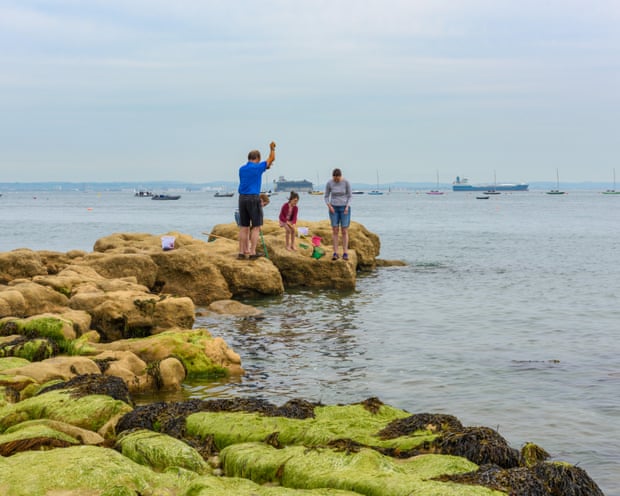
The samples were taken from the Solent strait, which runs between the Isle of Wight and the mainland, forming part of the Channel. The chemicals are thought to have entered the environment from wastewater treatment plants, sewage outflows, historic landfills and nearby military sites.
Researchers said their findings highlighted the need to monitor chemicals in combination and to make a blanket ban on Pfas part of the government’s water reform agenda.
Prof Alex Ford, a biologist at the University of Portsmouth and one of the study’s authors, said: “If there was an oil spill in the Solent that industry would have to pay for the restoration of those habitats, but that doesn’t happen with sewage.
But he added: “This is one thing I don’t necessarily pin on the water companies because they don’t have the capacity to treat these compounds. That’s why they should be banned at source.”
…
[T]he Marine Conservation Society, which funded the Solent study, said: “We need to go further and faster.”
“It’s not good enough to plan to have a plan,” said Calum Duncan, head of policy at the environmental charity. “We urgently need action and we have this once-in-a-generation opportunity with the water reform process to get on and do that.”
Leave a Reply