Reports continue that UK Prime Minister is planning to ease his government’s response to the climate crisis despite the effects of climate destruction being obvious. I intend to respond robustly damaging Rishi Sunak and the Conservative Party.
Rishi Sunak is considering weakening some of the government’s key green commitments in a major policy shift.
…
First, the government would push the ban on the sale of new petrol and diesel cars – currently set to come into force in 2030 – back to 2035. The 2030 date has been government policy since 2020.
Second, the government would significantly weaken the plan to phase out the installation of gas boilers by 2035, saying that they only want 80% to be phased out by that year.
Third, homeowners and landlords would be told that there will be no new energy efficiency regulations on homes. Ministers had been considering imposing fines on landlords who fail to upgrade their properties to a certain level of energy efficiency.
Fourth, the 2026 ban on off-grid oil boilers will be delayed to 2035, with only an 80% phase out target at that date.
In addition, Britons will be told that there will be no new taxes to discourage flying, no government policies to change people’s diets and no measures to encourage carpooling.
Mr Sunak is also likely to rule out what he sees as burdensome recycling schemes.
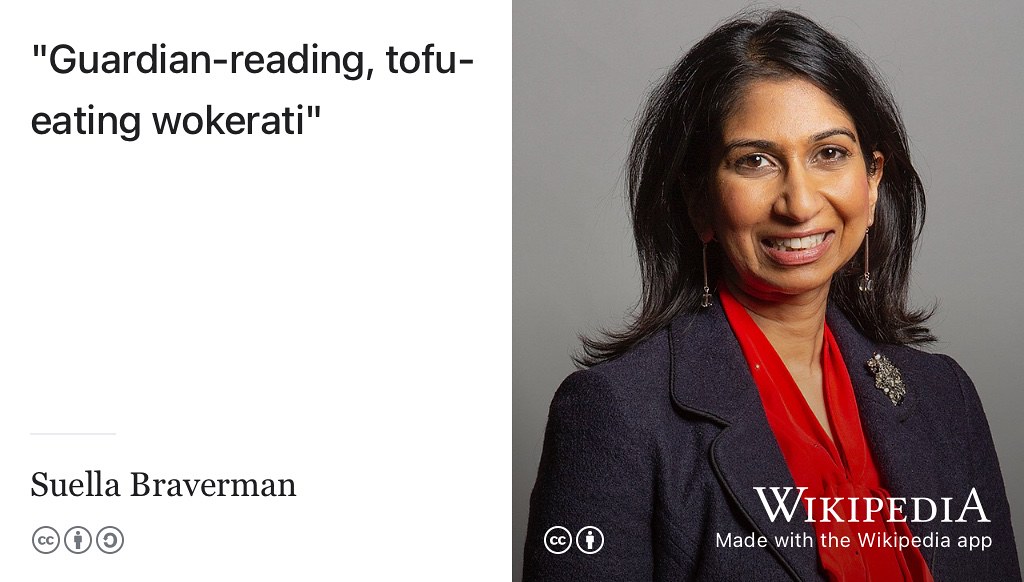
Suella Braverman halted annual inspections of immigration detention centres such as Brook House last year, shortly after ministers received direct warnings that vulnerable people such as torture victims had been left unprotected, the immigration watchdog has disclosed.
In an article for the Guardian, David Neal, the independent chief inspector of borders and immigration (ICIBI), said the home secretary stopped his annual review of “adults at risk” held in removal centres last September.
The decision came days after Neal specifically warned the immigration minister, Robert Jenrick, that protections must be put in place for “vulnerable detainees” and necessary reforms were moving at a “glacial pace”, he wrote.
Media watchdog Ofcom has found that GB News broke impartiality rules after Chancellor Jeremy Hunt was interviewed by fellow Tory MPs Esther McVey and Philip Davies, with the channel ‘failing to represent and give due weight to an appropriately wide range of significant views on a matter of major political controversy’.
Hunt was interviewed by McVey and her husband Davies on Saturday 11 March for their weekly show, with the episode being aired before the spring budget.
Ofcom said in a statement: “Given this programme featured two sitting MP presenters from one political party interviewing the chancellor of the same political party about a matter of major political controversy and current public policy, we consider, in these circumstances, that GB News should have taken additional steps to ensure that due impartiality was preserved.
“Our investigation therefore concluded that GB News failed to represent and give due weight to an appropriately wide range of significant views on a matter of major political controversy and current public policy within this programme, in breach of [the] rules.”
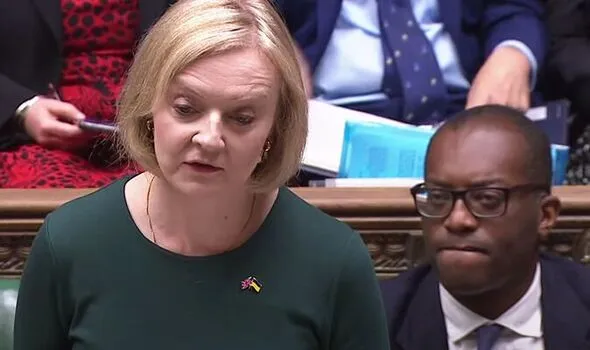
Liz Truss and Kwasi Kwarteng. “Some people said we were in too much of a rush – and it is certainly true that I didn’t just try to fatten the pig on market day, I tried to rear the pig and slaughter it as well. I confess to that.”
The former governor of the Bank of England, Mark Carney, has taken apart the arguments of Brexiteers as well as the economic policies of Liz Truss during a speech at the Global Progress Action Summit in Montreal, where he praised “progressive” policies while attacking “far-right populists”.
Carney, who was governor between 2013 to 2020, accused those who backed quitting the European Union of wanting to “tear down the future” and also launched a scathing attack on the disastrous economic policies of Liz Truss.
…
Turning his attention to Truss, Carney said that when Brexiteers tried to create Singapore on the Thames, the Truss government instead delivered Argentina on the Channel – and that was a year ago.
“Those with little experience in the private sector – lifelong politicians masquerading as free marketeers – grossly under-value the importance of mission, of institutions, and of discipline to a strong economy.
“And the bad news is that while these tactics never work economically, they can work politically. Brexit happened, Donald Trump was elected. So we can’t dismiss the impact of anger, but we must resist its power.”