Activists block private jet terminals around the world to protest ‘super rich mega polluters’
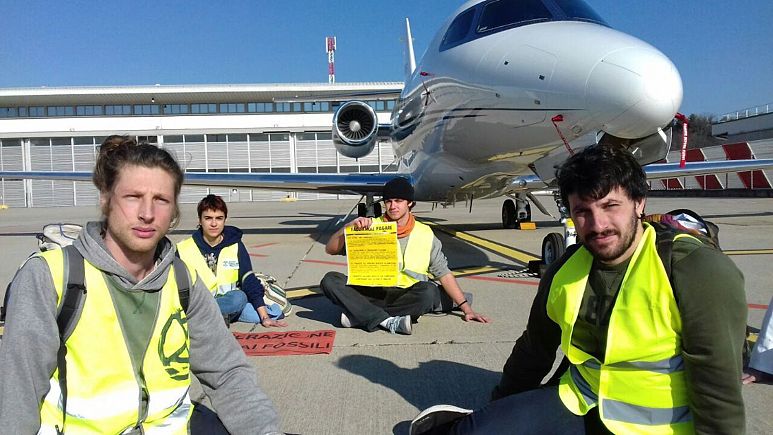
Climate scientists have blocked private jet terminals around the world today in protest of ‘luxury emissions’.
London Luton Airport, Schiphol Airport in Amsterdam and Bromma Airport in Stockholm are among those being disrupted by activists from Scientist Rebellion, Extinction Rebellion (XR) and Stay Grounded.
It follows actions against private jets in Brussels and Seville yesterday, and one in Los Angeles on 11 February, with more protests expected in the coming months.
“It is time to ban private jets and tax frequent flyers to the ground”, says NASA climate scientist Dr Peter Kalmus from Scientist Rebellion.
“We cannot allow the rich to sacrifice our present and future in the pursuit of their luxury lifestyles.”
…
LOVE IN ACTION: Extinction Rebellion blockades Luton Airport private jet terminals in Valentine’s Day protest
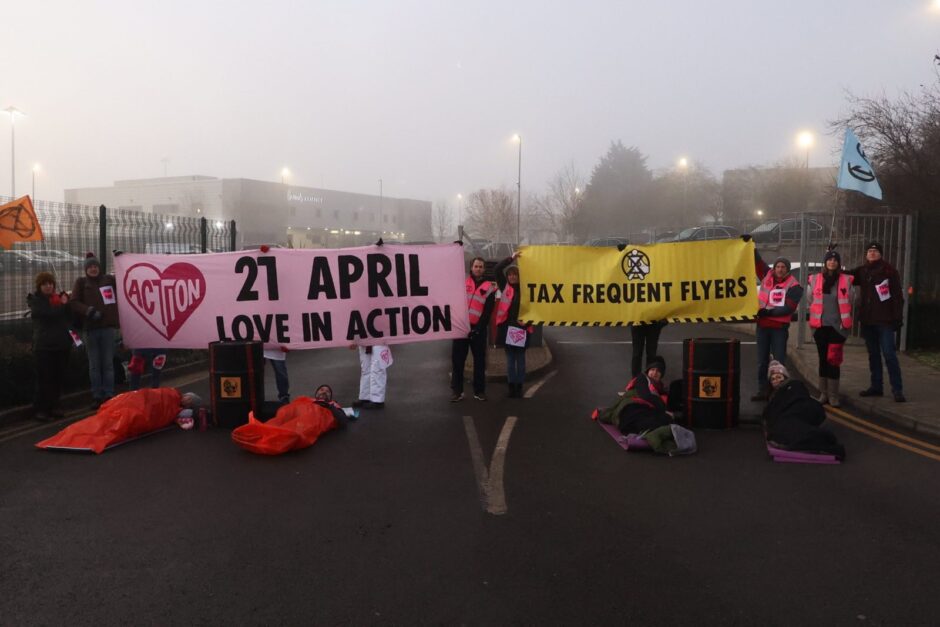
Extinction Rebellion and affiliated groups blockaded Luton Airport’s Harrods Aviation and Signature private jet terminals this morning to demand the government take urgent action to ban private jets, tax frequent flyers and make wealthy polluters pay.
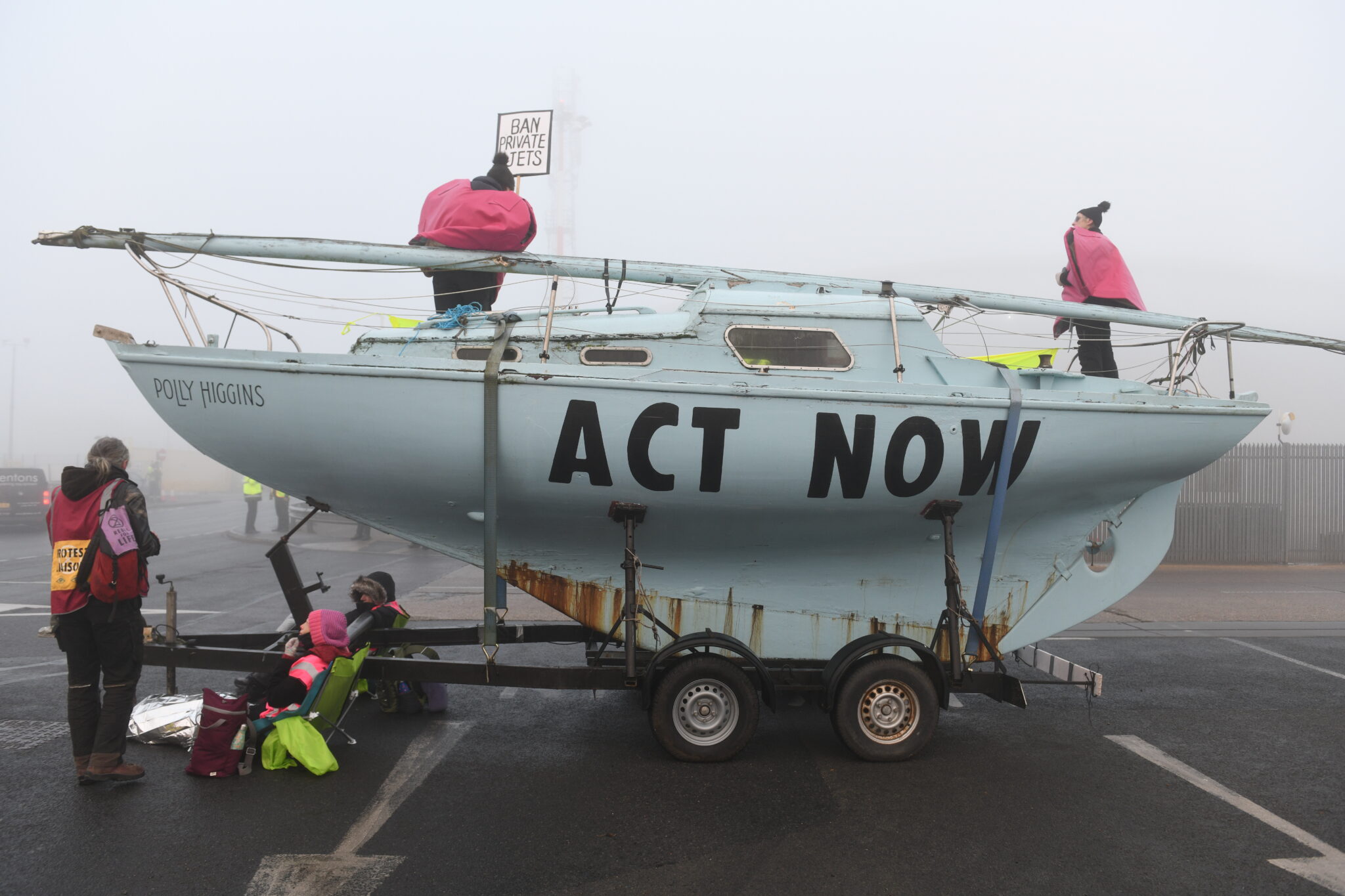
The protest is part of a global co-ordinated action launched last week by climate activists across 11 countries, which is targeting multiple sites in Europe, Australia, New Zealand, and the US.
Groups chose to take action today due to the rise in the use of private jet flights for supposedly romantic Valentine’s Day dates, and to invite anyone watching to go to Parliament from April 21st to be part of 100,000 people calling for a citizen-led transition away from fossil fuels.
Today’s protest is part of the ongoing “Make Them Pay” campaign by Scientist Rebellion, Extinction Rebellion (XR), and Stay Grounded which has three key demands: ban private jets, tax frequent flyers and make polluters pay.
BP scales back climate goals as profits more than double to £23bn
https://www.theguardian.com/business/2023/feb/07/bp-profits-windfall-tax-gas-prices-ukraine-war
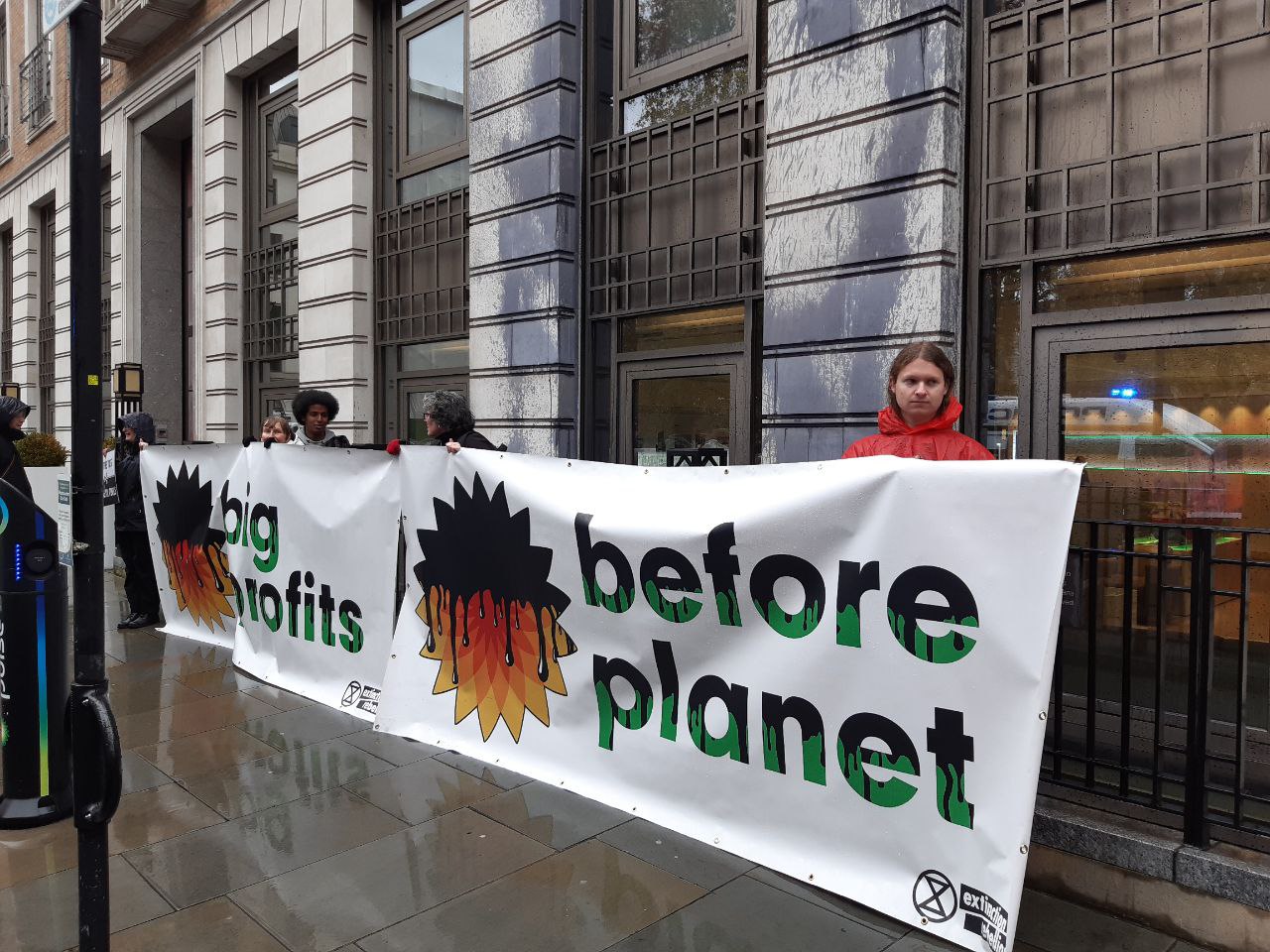
BP has scaled back its climate ambitions as it announced that annual profits more than doubled to $28bn (£23bn) in 2022 after a sharp increase in gas prices linked to the Ukraine war boosted its earnings.
In a move that will anger campaigners, the oil and gas giant cut its emissions pledge and plans a greater production of oil and gas over the next seven years compared with previous targets.
The huge annual profit led to renewed calls for a toughened windfall tax, as oil companies reap rewards from higher gas prices while many households and businesses struggle to cope with a sharp rise in energy bills.
…
Kate Blagojevic, Greenpeace UK’s head of climate justice, said: “BP is yet another fossil fuel giant mining gold out of the vast suffering caused by the climate and energy crisis.
“What’s worse, their green plans seem to have been strongly undermined by pressure from investors and governments to make even more dirty money out of oil and gas. This is precisely why we need governments to intervene to change the rules.”
…
https://www.theguardian.com/business/2023/feb/07/bp-profits-windfall-tax-gas-prices-ukraine-war
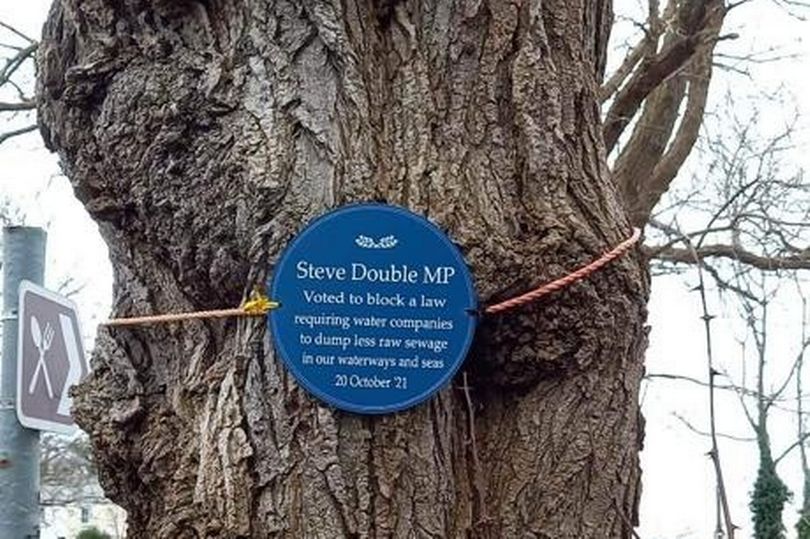
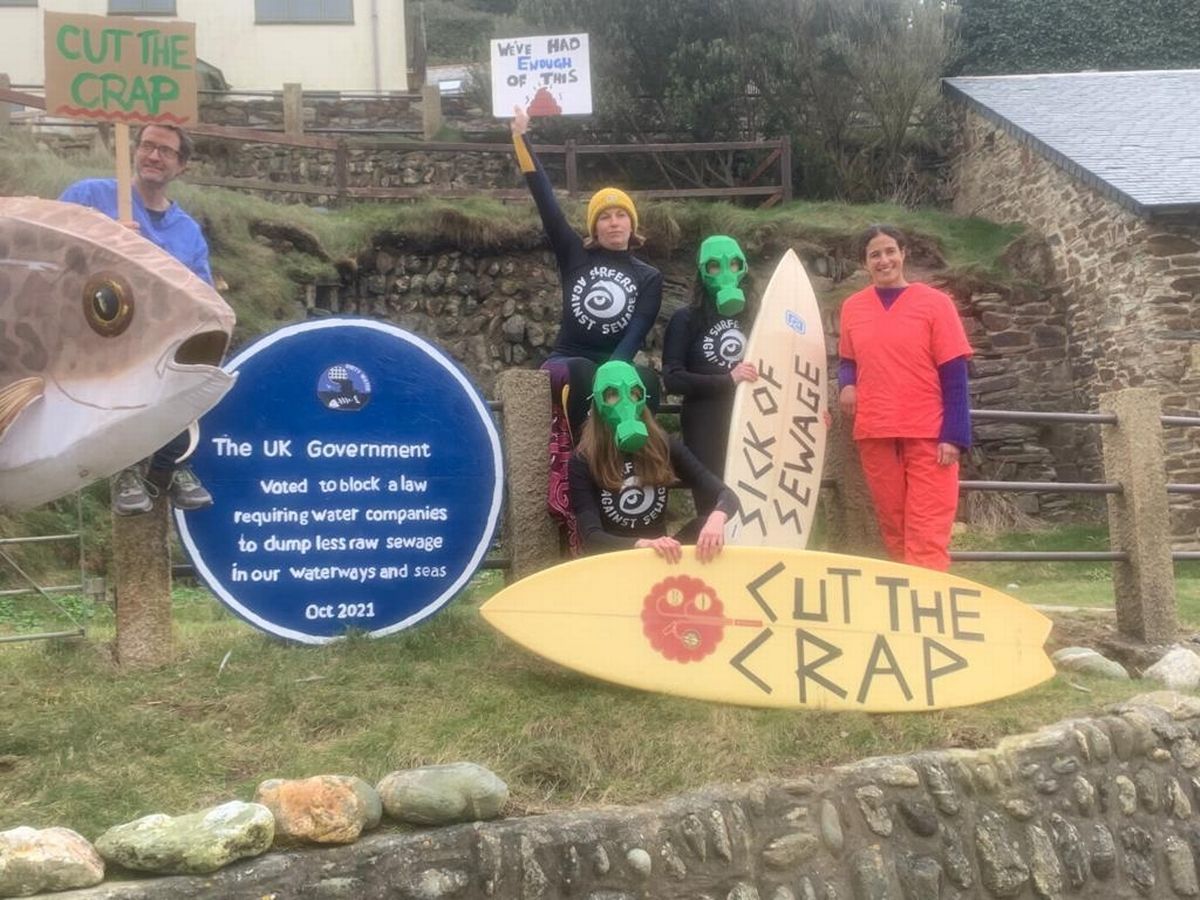
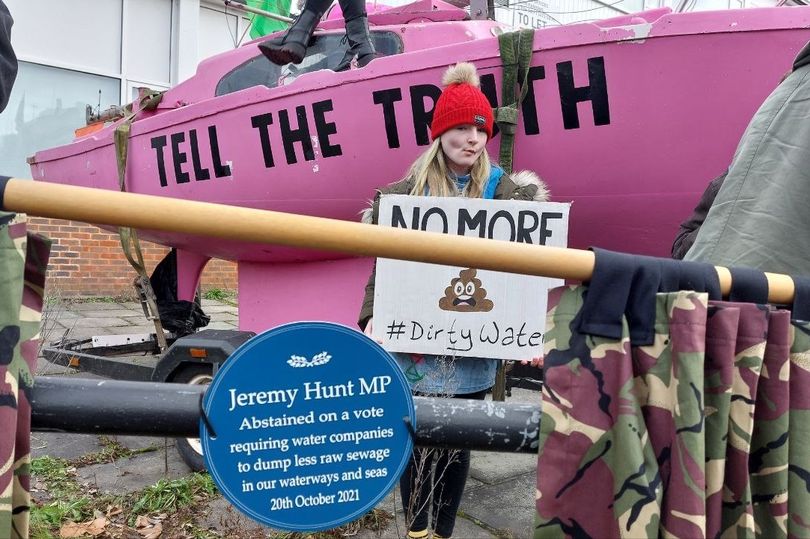
UK Extinction Rebellion joins other groups to protest UK govt policy of open sewers throughout UK
UK Extinction Rebellion joined with other groups on Saturday’s Dirty Water national day of action protesting UK government’s policy of open sewers throughout UK.
Target date for cleaning up waterways in England is moved back by 36 years
Targets to clean up the majority of England’s rivers, lakes and coastal waters suffering from a cocktail of agricultural and sewage pollution have been pushed back from 2027 to 2063.
…
Until Brexit the UK government was signed up to the water framework directive, which required countries to make sure all their waters achieved “good” chemical and ecological status by 2027 at the latest. The UK government later reduced the target to 75% of waterways reaching the single test of good ecological status by 2027 at the latest. The target for the majority of waterways to achieve good status in both chemical and ecological tests has now been pushed back to 2063, according to the documents.
By 2027, only 4% of waters are currently on track to be in good overall condition.
…