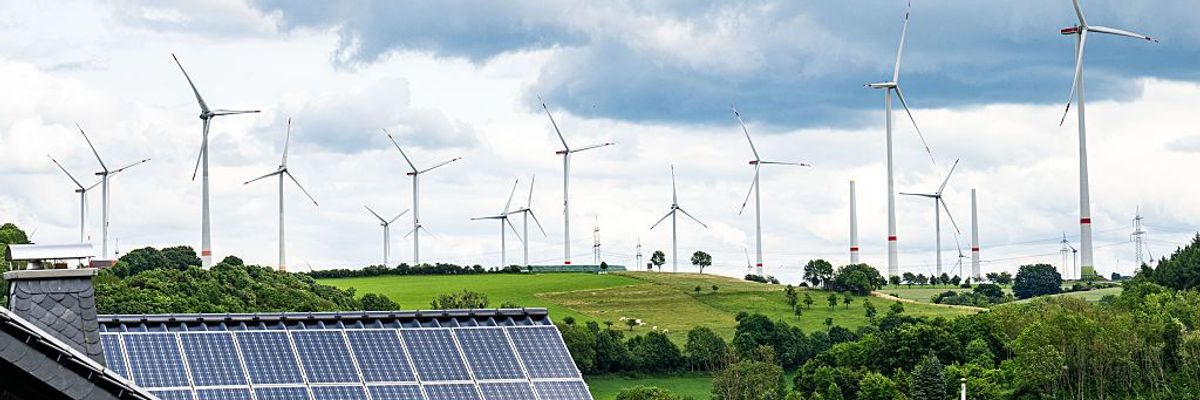
Houses in the so-called ‘smart city’ of Etteln, Germany, are seen equipped with solar panels on the roofs on June 6, 2025. (Photo by David Inderlied/picture alliance via Getty Image
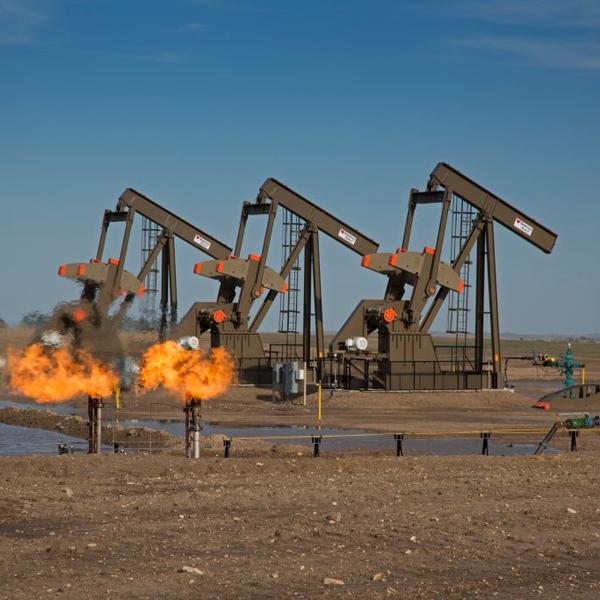
“If we choose to stay on the current path—powering our economies with fossil fuels, extracting virgin resources, destroying nature, polluting the environment—the damages would stack up.”
A new report from the United Nations Environment Program has found that addressing the global climate emergency would deliver major economic benefits, in addition to creating a cleaner and more habitable planet.
The seventh edition of the Global Environmental Outlook (GEO), released on Tuesday, estimates that making up-front investments in climate action now would begin to yield global macroeconomic benefits starting in 2050, potentially growing to $20 trillion per year by 2070 and $100 trillion by 2100.
The report, which was the product of nearly 300 multi-disciplinary scientists across more than 80 countries, argues that a total of $8 trillion in annual investment from this year until 2050 would be needed to achieve its climate goals. But, the report stresses, the cost of inaction would be far greater.
“If we choose to stay on the current path—powering our economies with fossil fuels, extracting virgin resources, destroying nature, polluting the environment—the damages would stack up,” the report warns. “Climate change would cut 4% off annual global GDP by 2050, claim many lives, and increase forced migration.”
Other likely consequences of inaction, warns the report, include “Amazon forest dieback and ice-sheet collapse,” along with the loss of “hundreds of millions more hectares of natural lands.” The report also projects that global food availability will fall if the climate crisis is not addressed, and that increased air pollution will cause an additional 4 million premature deaths per year.
The report recommends a rapid move away from fossil fuels, as well as a drastic rethinking of agricultural subsidies so that they no longer “directly favor activities that have significant harmful effects on the environment, including on biodiversity.”
Robert Watson, a co-chair of the GEO assessment, said in an interview with the Guardian that the climate crisis cannot simply be seen as an environmental issue given that it is now “undermining our economy, food security, water security, human health,” and also creating national security problems by increasing “conflict in many parts of the world.”
In an interview with BBC, Watson also accused US President Donald Trump’s administration of sabotaging the report by refusing to even accept its conclusions about the damage being done by human-induced climate change.
“The US decided not to attend the meeting at all,” he explained. “At the very end they joined by teleconference and basically made a statement that they could not agree with most of the report, which means they didn’t agree with anything we said on climate change, biodiversity, fossil fuels, plastics, and subsidies.”
Donald Trump urges you to be a Climate Science denier like him. He says that he makes millions and millions for destroying the planet, Burn, Baby, Burn and Flood, Baby, Flood.Nigel Farage urges you to ignore facts and reality and be a climate science denier like him and his Deputy Richard Tice. He says that Reform UK has received £Millions and £Millions from the fossil fuel industry to promote climate denial and destroy the planet.Elon Musk urges you to be a Fascist like him, says that you can ignore facts and reality then.
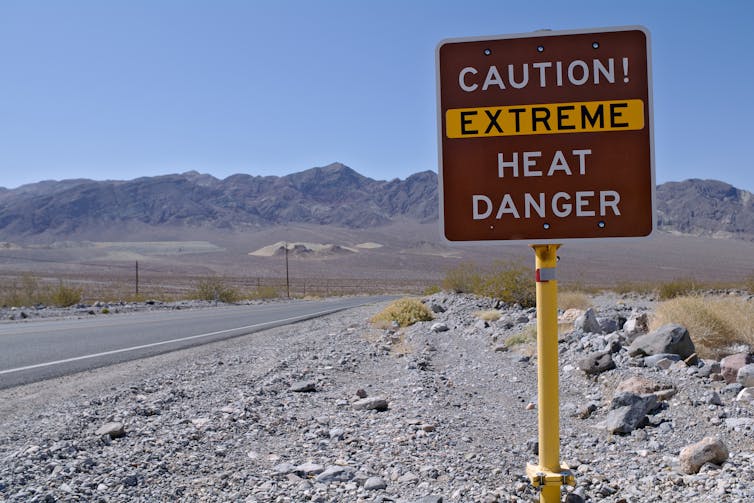
Two billion people, including many Australians, will find themselves living in dangerously hot places this century if global warming reaches 2.7℃, research released today reveals.
The authors calculated how many people would be left outside the “human climate niche” by 2100. The niche is defined as places with an average temperature of about 13℃, or about 27℃ in the tropics. Human population has historically peaked in these areas.
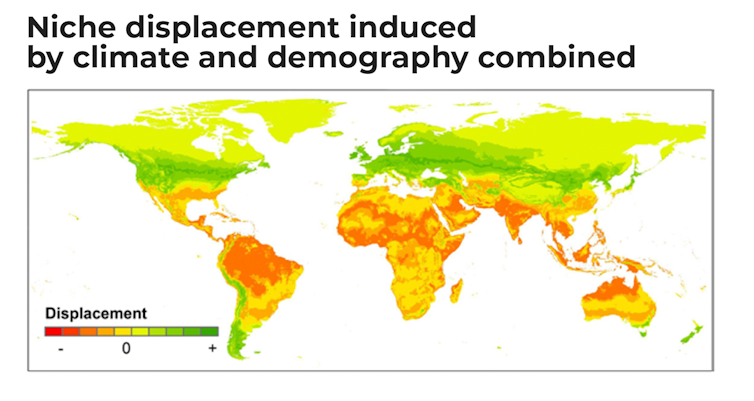
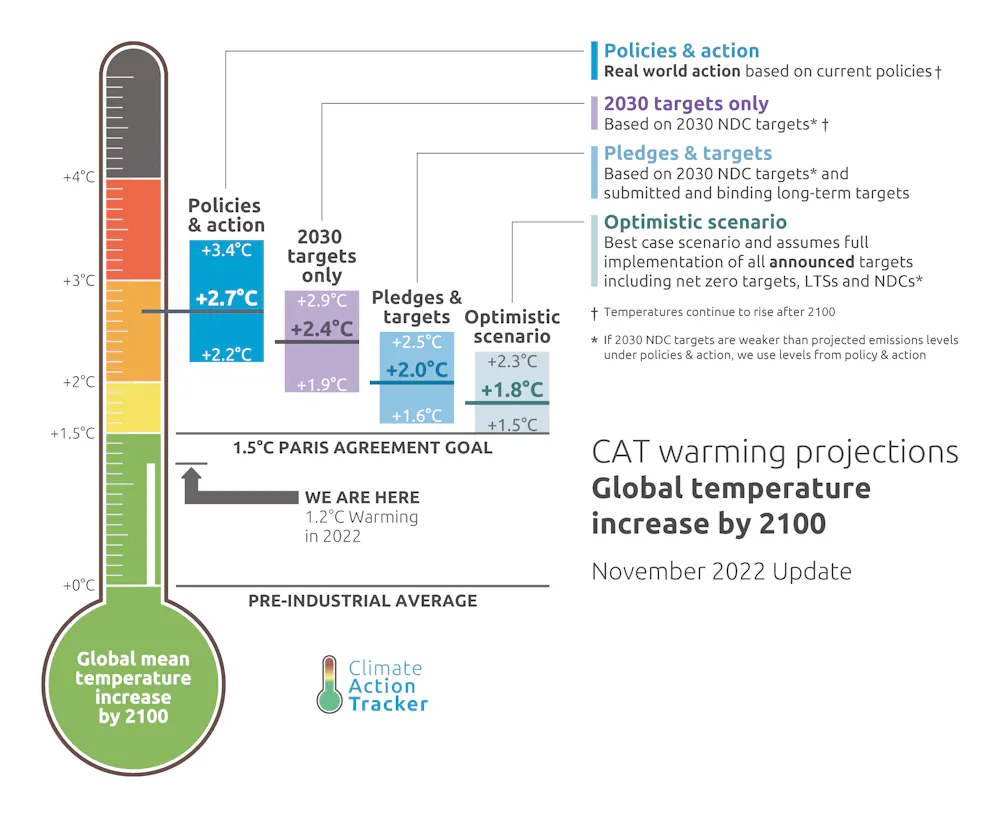
The world is on track for 2.7℃ of warming by 2100. This would push a third of people on Earth outside the human climate niche. This includes people in parts of northwest Australia such as Darwin, Broome and Port Hedland. It also includes parts of Southeast Asia, India, Africa and South America.
Limiting warming to 1.5℃ would substantially reduce the number of people exposed, including most of those affected in northwest Australia.
We were not involved in the research, which was conducted by researchers in the United Kingdom, China, Europe and United States. We are Australian experts in the health implications of global warming. Below, we discuss the broader implications of these globally significant findings.
What is the human cost of global warming?
The research calculated the number of people outside the “human climate niche” under different demographic scenarios and levels of warming. Exposure to unprecedented heat was the main factor pushing people out of the niche.
This includes an average temperature greater than or equal to 29℃, as well as a high number of days with a maximum temperature above 40℃ or in humid places, with a wet-bulb temperature greater than 28℃. The wet-bulb temperature (as opposed to the standard dry-bulb temperature) reflects humidity and is a method used to measure heat stress. That’s because it’s the point at which sweating is no longer effective as a means of cooling.
The study says a wet-bulb temperature of 35 ℃ can be fatal, especially for vulnerable people, because the body can no longer cool itself.
Above the present level of about 1.2 ℃ global warming, the authors found exposure to unprecedented average temperatures increased markedly, along with increased exposure to temperature extremes.
But 2.7 ℃ of warming threatens a third of the world’s population. The below map shows where in the world people will suffer the worst heat. Almost the entire area of some countries, such as Burkina Faso and Mali in West Africa, would be exposed to unprecedented heat.
Just last week, the World Meteorological Organization predicted global surface temperatures would rise to record levels within the next five years. The temperature is also likely to temporarily climb 1.5℃ above pre-industrial levels.
This spells trouble for human health. Even incremental warming increases exposure to health hazards including potentially deadly heatwaves, infectious diseases and diet-related health issues.
Let’s be clear. A 1.5℃ world will result in injury and death, particularly for people in Asia and Africa. Importantly, the people most at risk will be the least capable of protecting themselves: children, the elderly and those with existing health conditions.
While populations closer to the equator are more likely to experience heat-related harm, Australians are by no means immune.
For example, a 2019 study found heat-related health issues in Australia have been grossly underestimated. It found more than 36,000 deaths between 2006 and 2017 were attributable to heat.
And experts predict Darwin could experience an average 265 days a year above 35℃ in a 3℃ warmer world.
The risks to Australia of a 3℃ warmer world (Australian Academy of Science)
To date, the Earth’s average surface temperature has warmed 1.2℃ above pre-industrial levels. We must enact ambitious climate policies now if we are to change our dangerous trajectory.
Historically health has rarely been included in these economic assessments, much less ethical considerations. Emissions reduction policies need to consider health and equity issues, and in doing so can provide governments with a strategic rationale to act.
There are physiological limits to adaptation, particularly to heat. These limits can have negative consequences for labour productivity, especially for outdoor workers, and for health service demand, leading to increased hospital admissions, emergency department visits, and ambulance calls.
Pursuing adaptation measures in an effort to reduce the harmful effects of existing climate change is vital, but to protect the health of all, it is critical that we pursue strong emissions reduction measures.
A commitment to develop and implement a National Health and Climate Strategy and establish a National Sustainability and Climate Unit are promising initiatives. This will help to address our woeful performance in a recent assessment showing how national climate commitments don’t link with health.
Last week, the Victorian Government committed to reducing emissions by 75-80% compared with 2005 levels by 2035. Their analysis indicates it will lead to A$5.7 billion in health benefits from improved air quality between 2035 and 2045.
As today’s new research states, the findings highlight the need for “more decisive policy action to limit the human costs and inequities of climate change”. Australia, in particular, must protect children, the elderly and the broader population from the harms they face in a warmer world.
Annabelle Workman, Research Fellow, Melbourne Climate Futures and Melbourne School of Population and Global Health, The University of Melbourne and Kathryn Bowen, Professor – Environment, Climate and Global Health at Melbourne Climate Futures and Melbourne School of Population and Global Health, University of Melbourne, The University of Melbourne