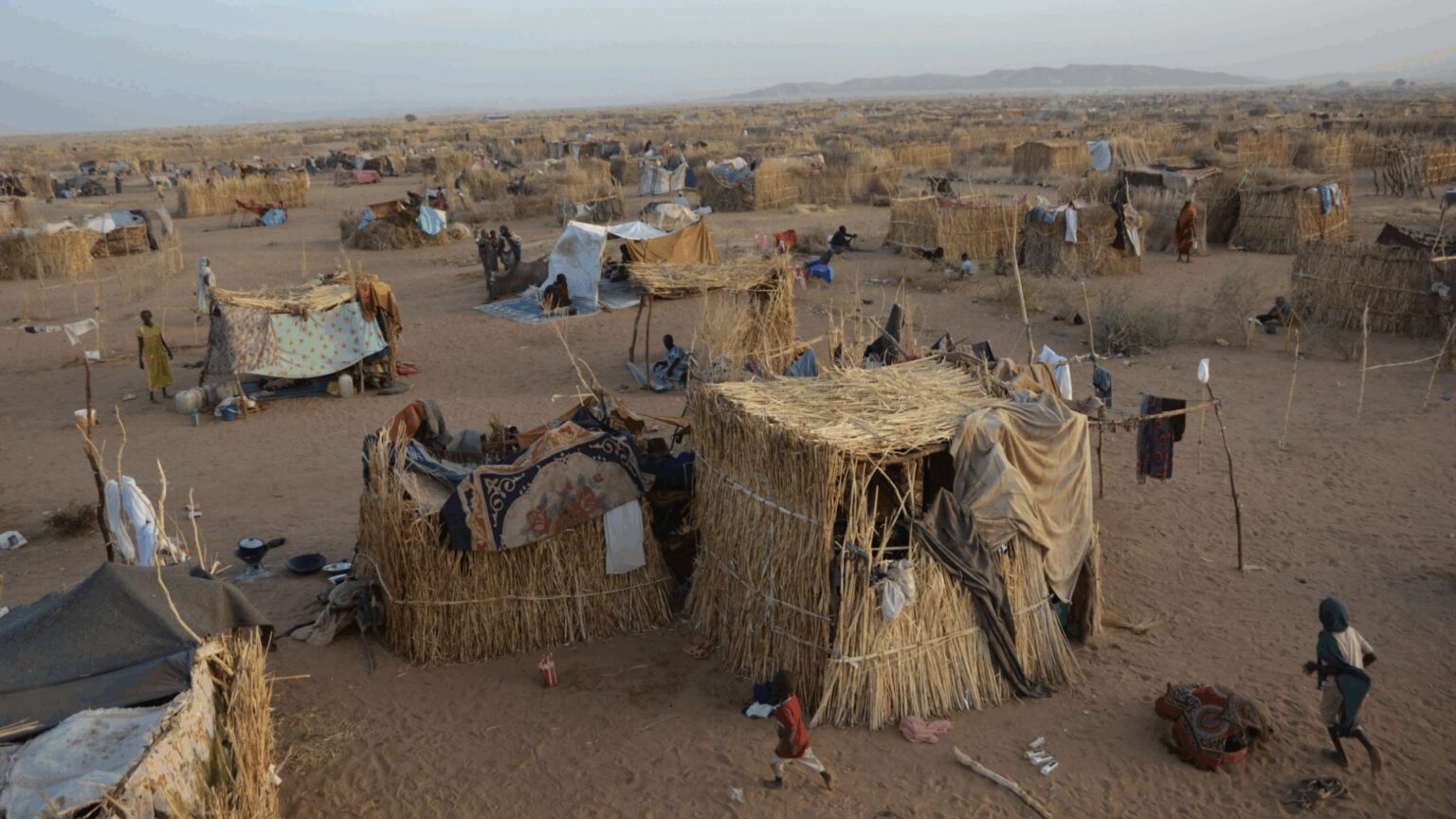
RSF has burnt and buried tens of thousands of corpses in El Fasher, says Yale report

Spread the love

Original article by Pavan Kulkarni republished from peoples dispatch under Creative Commons Attribution-ShareAlike 4.0 (CC BY-SA) license.
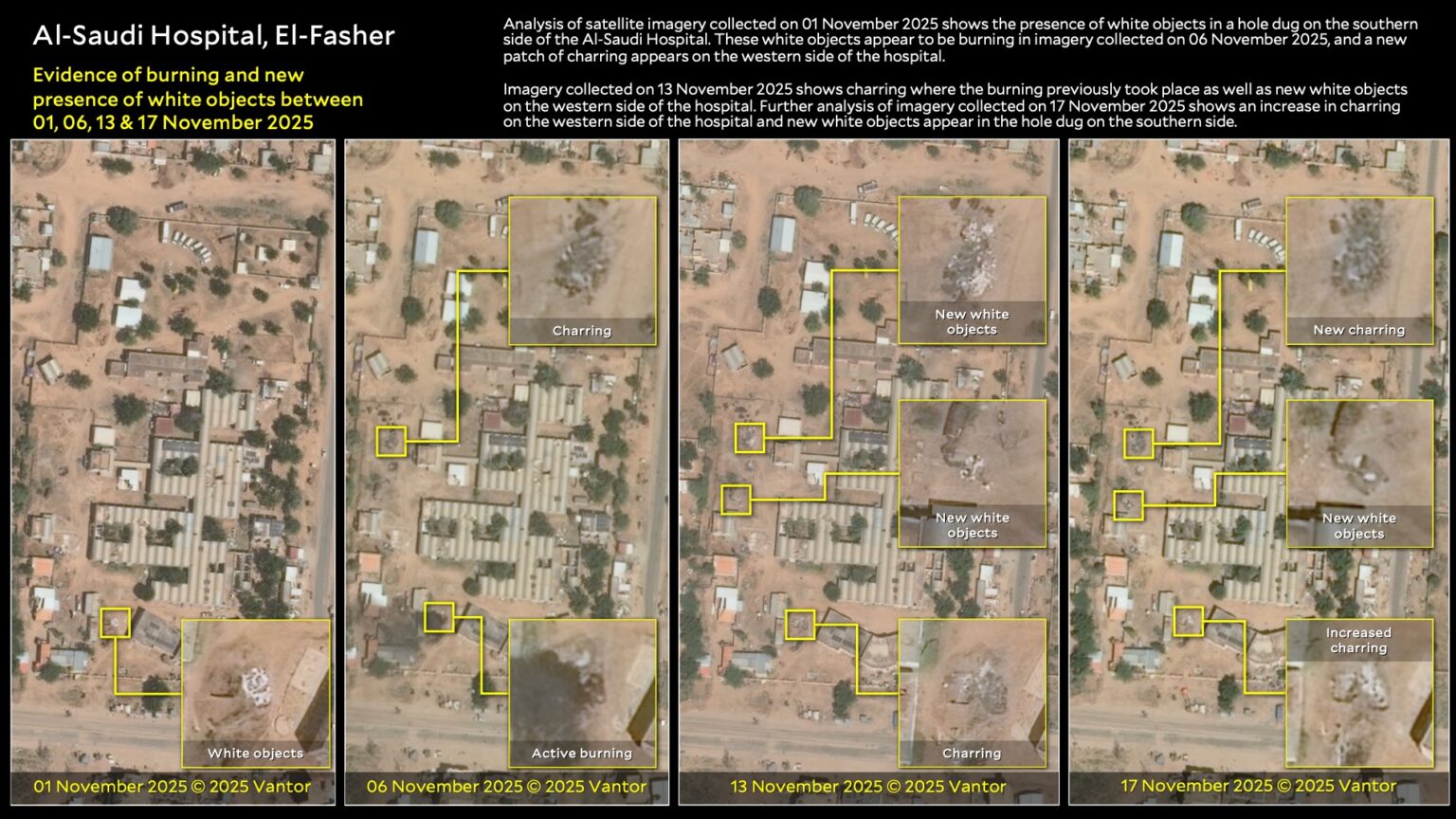
Analyzing satellite images showing “clusters of objects consistent with human remains”, “reddish discoloration consistent with blood”, charred earth and dug up ground consistent with the burning and burial of corpses, Yale HRL assesses that RSF has killed and disposed of people “likely in the tens of thousands”.

Evidence of burning and new presence of white objects collected by satellite imagery in early November. Photo: Yale Humanitarian Research Lab

Sudan’s Rapid Support Forces (RSF) have burnt and buried bodies, likely in the tens of thousands, after massacring civilians while overrunning El Fasher, the last city in Sudan’s western region of Darfur that held out against the paramilitary until late October.

The Yale School of Public Health’s Humanitarian Research Lab (HRL) said in a report published on December 16 that it “assesses to high confidence” that the RSF “engaged in widespread and systematic mass killing” after entering the besieged and starved city on October 26.

Read More: El Fasher’s last stand: “The city has fallen, but its dignity has not” 

Satellite images collected over the next few days, until November 1, showed at least 150 “clusters of objects consistent with human remains”. By November 28, 108 of these 150 clusters had changed in size, growing and shrinking over time, while 57 were no longer visible. 

“Disturbed earth”, meaning dug up ground, began to appear “at or in close proximity to locations where clusters” that shrunk or disappeared “were identified.” Several “clusters” were also burnt, visible as charred earth in later satellite images.  

The ground around 33 of the 108 clusters identified had a “reddish discoloration consistent with blood or other bodily fluids”, shed on a scale large enough to be visible from space.

Read More: A bloodbath visible from space: RSF’s massacres in Sudan’s El Fasher 

In the images, 52 body piles were observed in the neighborhood of Daraja Oula, where the remaining civilians in the city had sheltered before being executed by the RSF on a door-to-door killing spree. 

Another 83 clusters were seen outside El Fasher, consistent with footage shared on social media by the RSF troops, showing themselves chasing down the fleeing civilians, capturing and executing them. Indications consistent with “mass killings” were also observed at the sites used by the RSF for detention.  

The “RSF subsequently engaged in a systematic multi-week campaign to destroy evidence of its mass killings through burial, burning, and removal of human remains on a mass scale,” states the report, adding, “This pattern of body disposal and destruction is ongoing.” 

There are no reliable estimates of the death toll in the absence of access to the area. “Over 260,000 civilians, including 130,000 children, have been trapped” in El Fasher “under siege for more than 16 months, cut off from food, water, and healthcare,” UNICEF had reported on October 23, three days before the RSF entered the city after breaching its defenses. 

The International Organization for Migration (IOM) had recorded at least 106,387 people displaced by late-November. The remaining civilians, over 150,000 of them, are unaccounted. How many of them have survived is not known, but “HRL assesses that … RSF has systematically killed and disposed of a number of objects consistent with human remains, likely in the tens of thousands.”

In its aftermath, the city appears depopulated. The “pattern of civilian life in El-Fasher seems to have all but ended following RSF’s total control of El-Fasher,” the report added. “The end of civilian pattern of life is evidenced by abnormal vegetation growth in markets, no visible civilian activity at water points, absence of crowds of people in the street, and no evidence of civilian transport.”

Read More: Sudan’s RSF expands control eastward after taking over Darfur

Original article by Pavan Kulkarni republished from peoples dispatch under Creative Commons Attribution-ShareAlike 4.0 (CC BY-SA) license.
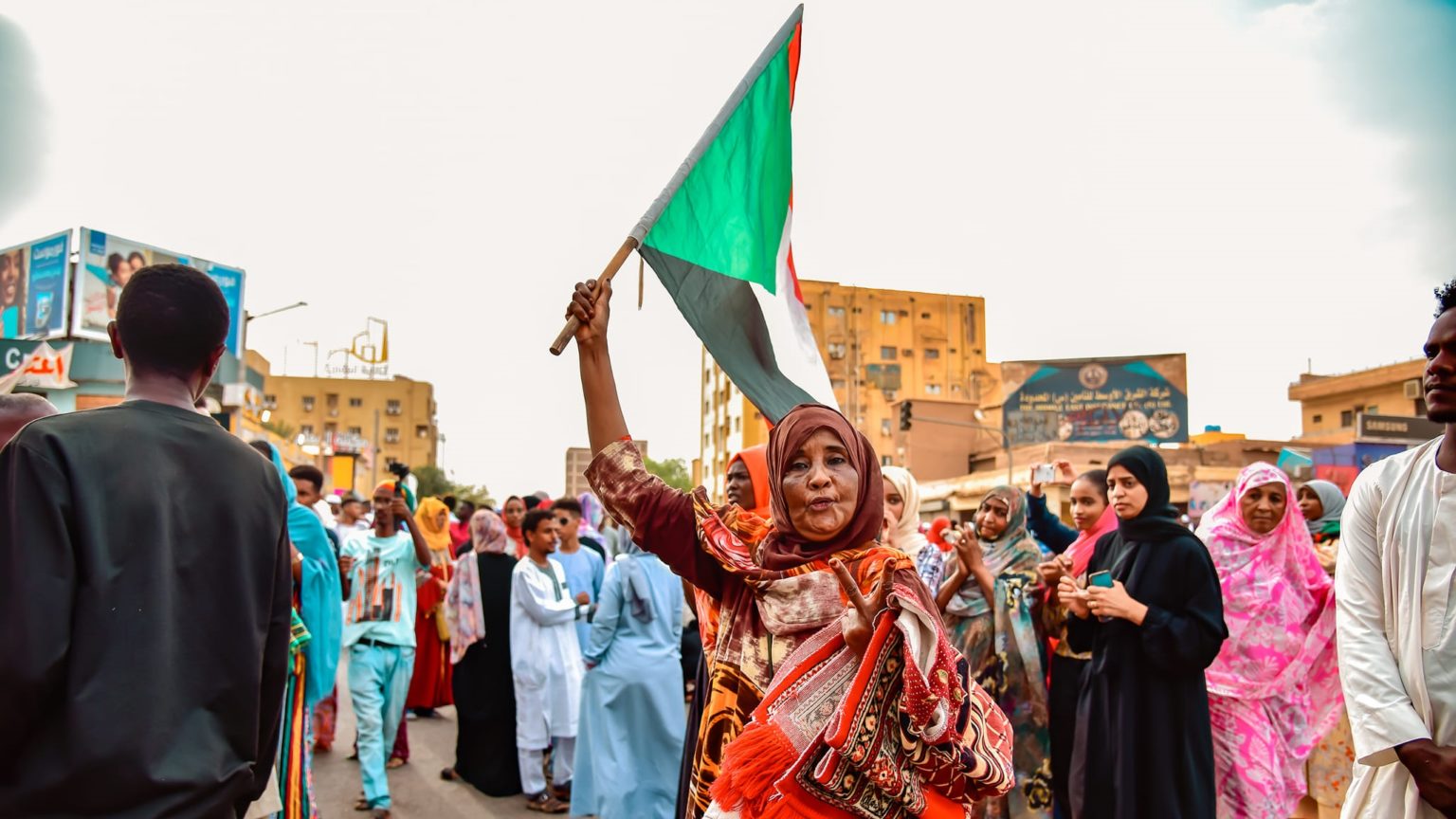
Continue ReadingRSF has burnt and buried tens of thousands of corpses in El Fasher, says Yale report

Progressive popular movements and organizations stand in solidarity with the people of Sudan

Spread the love

Original article by Nicholas Mwangi republished from peoples dispatch under a Creative Commons Attribution-ShareAlike 4.0 (CC BY-SA) license.

Photo: Ahmed Elfatih

Popular organizations and movements across Africa and beyond have condemned the ongoing massacre of the Sudanese people by the Rapid Support Forces (RSF), calling for an immediate end to the violence. Urging support for the Sudanese people’s struggle for peace, justice, and democratic self-determination.

Across Africa and the world, progressive and popular organizations are raising their voices in solidarity with the people of Sudan, as they face one of the most brutal and protracted conflicts in the world today. From Ghana to South Africa, from international networks to grassroots movements, the message is unified in a call to end the massacres, open humanitarian corridors, and uphold the Sudanese people’s struggle for justice, peace, and sovereignty.

Amid mounting international condemnation for its war crimes, especially over the last several weeks, the Rapid Support Forces (RSF) have reportedly agreed to a three-month pause in the fighting. However, analysts and activists argue that the “humanitarian ceasefire” is far from a solution to the two-and-a-half-year war.

The Socialist Movement of Ghana (SMG) condemned the “genocidal conflict between factions of the militarized elite” that has terrorized the people of Sudan since 2023. In their statement, the movement expressed solidarity with the Sudanese people and their popular organizations, including the Sudanese Communist Party (SCP), lauding their courage and political clarity in the face of devastation.

The SMG statement described the war between the Sudanese Armed Forces (SAF) and the RSF as a tragic consequence of elite rivalries and foreign interference. It denounced the “murky transnational corporate and resource-grabbing agenda of the United States, Western powers, and some Arab and East African countries” fueling the conflict.

“The people of Sudan clearly reject both warring factions and any national ‘solution’ based on military force or elite interests,” SMG declared, reaffirming that Sudan’s revolution, born out of the people’s 2018 uprising, continues to embody the demand for democracy, justice, and full sovereignty over national resources.

The International Peoples’ Assembly (IPA) and Pan Africanism Today (PAT) also issued a joint statement condemning the “brutal massacres currently unfolding in Sudan,” particularly in El-Fasher, Bara, Darfur, and Kordofan, describing the atrocities as genocide. They called for immediate international mobilization, demanding a ceasefire, protection of civilians, and independent investigations into war crimes.

“The Sudanese people face a destructive war machine, defending their dignity, communities, and right to live,” the statement read. It called upon trade unions, women’s movements, youth, and social movements worldwide to stand with Sudan through coordinated actions, educational events, and artistic expressions of solidarity.

Read More: A bloodbath visible from space: RSF’s massacres in Sudan’s El Fasher

Joining this call, South Africa’s Abahlali baseMjondolo Movement, representing shack dwellers and grassroots activists, issued a solidarity statement denouncing the ongoing massacres in El-Fasher and Darfur. The movement condemned the RSF’s atrocities; executions, mass killings, and the starvation of entire communities, financed by the United Arab Emirates and sustained by European complicity in migration control.

“The uprising that began in December 2018 was a democratic revolt of workers, women, students and the urban poor,” Abahlali’s statement reminded. “That uprising gave rise to new grass-roots forms of democracy through the resistance committees, which continue to provide food, medicine, and mutual aid amid war.”

Sudan’s struggle is our struggle. As the Socialist Movement of Ghana declared:

“Let us stand for unity, sovereignty, and development. Sudan’s struggle is Africa’s struggle.”

Original article by Nicholas Mwangi republished from peoples dispatch under a Creative Commons Attribution-ShareAlike 4.0 (CC BY-SA) license.

Continue ReadingProgressive popular movements and organizations stand in solidarity with the people of Sudan

Sudanese FM compares militias’ starvation tactics in El Fasher to Israel’s actions in Gaza

Spread the love

This work by Middle East Monitor is licensed under a Creative Commons Attribution-NonCommercial-ShareAlike 4.0 International License.

Displaced Sudanese mother Mona Ibrahim and her children sit on the ground in the famine-stricken Zamzam camp for Internally Displaced Persons (IDP) in northern Darfur on January 21, 2025. [Photo by -/AFP via Getty Images]

Sudan’s Minister of Foreign Affairs and International Cooperation, Mohieddin Salem Ahmed, has condemned the use of starvation tactics by armed militias in El Fasher, describing them as “no less heinous than the crimes committed by Israel.”

Speaking during his participation in the Aswan Forum for Peace and Development in Egypt, Salem expressed Khartoum’s appreciation for Cairo’s efforts in supporting Sudan’s security, stability, and national institutions, including the Sudanese Armed Forces.

He highlighted Egypt’s role in dedicating a special session on Sudan during the forum to discuss ways to end the ongoing conflict “in accordance with the visions set by the Sudanese government and derived from the aspirations of the Sudanese people.”

The foreign minister reaffirmed that the transitional government, appointed by Transitional Sovereignty Council Chairman Lt Gen Abdel Fattah al-Burhan, and led by Dr Kamil Idris, remains committed to advancing peace and reconstruction efforts across the country.

Salem said the government’s top priority is implementing the national roadmap announced by al-Burhan, which aims to strengthen the peace process, rebuild infrastructure, and restore essential services such as roads and education.

He further underscored Sudan’s desire to establish regional and international partnerships that contribute to peace, reconstruction, and development, saying such cooperation would benefit both Sudan and the broader international community.

READ: Egypt, Sudan reject unilateral measures on Nile water

This work by Middle East Monitor is licensed under a Creative Commons Attribution-NonCommercial-ShareAlike 4.0 International License.

Keir Starmer objects to criticism of the IDF. He asks how could anyone object to them starving people to death, forced marches like the Nazis did, bombing Gaza's hospitals and universities, mass-murdering journalists, healthworkers and starving people queuing for food, killing and raping prisoners and murdering children. He calls for people to stop obstructing his genocide for Israel.
Keir Starmer objects to criticism of the IDF. He asks how could anyone object to them starving people to death, forced marches like the Nazis did, bombing Gaza’s hospitals and universities, mass-murdering journalists, healthworkers and starving people queuing for food, killing and raping prisoners and murdering children. He calls for people to stop obstructing his genocide for Israel.
Orcas discuss Genocide-supporting and complicit Zionists. Donald Trump, Keith Starmer, David Lammy, Rachel Reeves, Angela Rayner and Wes Streeting are acknowledged as evil genocide-complicit and supporting cnuts.
Vote Labour for Genocide.
Continue ReadingSudanese FM compares militias’ starvation tactics in El Fasher to Israel’s actions in Gaza

Civilians in El Fasher, Sudan face “slow, deliberate death under the RSF siege”

Spread the love

Original article by Pavan Kulkarni republished from peoples dispatch under Creative Commons Attribution-ShareAlike 4.0 (CC BY-SA) license.

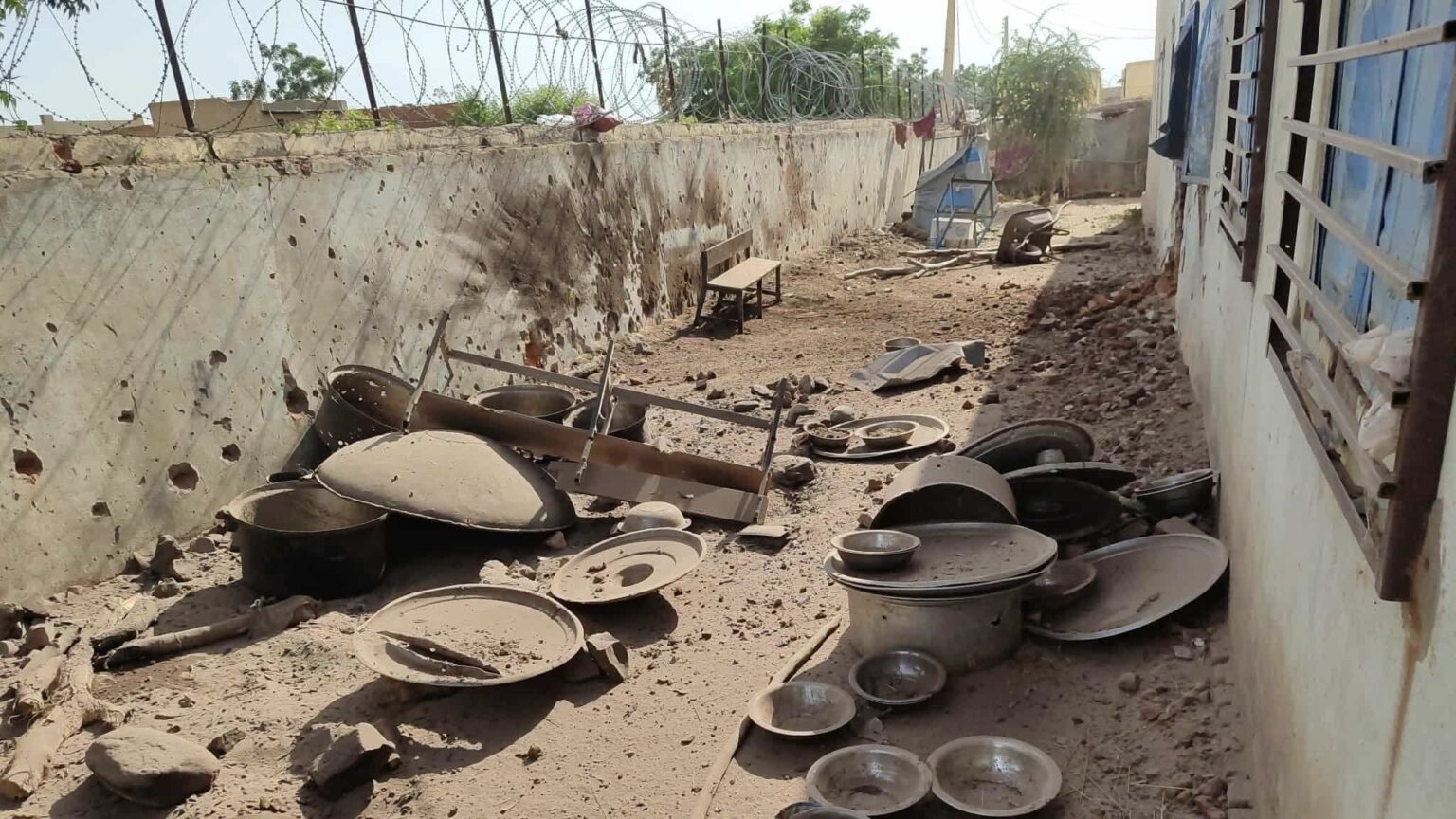
Destruction in El Fasher, Sudan. Photo: Resistance Committees

After running out of animal fodder, people are now consuming cow skin as a last resort against starvation in North Darfur state’s besieged capital, cut off from all food supply by a 57-km wall the paramilitary has built around the city.

Walled in by war-torn Sudan’s paramilitary, the Rapid Support Forces (RSF), over two hundred thousand civilians in North Darfur state’s besieged capital El Fasher “have nothing left but resistance and a collective death,” warned the city’s Resistance Committees (RC)*.

Traders report having completely run out of food supplies as famine closes in on the malnourished population, cut off from food aid since the RSF laid siege on the city in April 2024 to oust the Sudanese Armed Forces (SAF) from its last foothold in the Darfur region.

There were “only some secret points to enter and exit the city”, through which small quantities of food supplies were being smuggled through the siege, reportedly with the collaboration of some RSF troops, said Saleh Osman, President of the Darfur Bar Association.

However, severe shortages and hoarding meant that grains were sold at prices multiple times higher than before the war started in April 2023. Unable to afford, most people were surviving on small portions of porridge made from kora ambaz – a type of animal fodder left behind after extracting oil from peanuts.

Unsafe for long-term human consumption, it had nevertheless become a staple of last resort for the survival of El Fasher’s residents. Now, however, the “ambaz is gone too”, the RC said in a statement on October 14.

Total siege

The earthen wall that the RSF started building around the city this May to totalize its siege is reportedly complete, 57 km long, leaving little or no opening for food or any other essentials to be smuggled in.

“El Fasher is now effectively under siege from all directions,” Stéphane Dujarric, Spokesperson for the UN Secretary-General, said in a briefing on Wednesday, October 15. With the “earthen barriers around the city… preventing movement of both people and supplies”, the city’s markets, which have been repeatedly bombed by the RSF, “are largely empty”.

The little amount of grain left in the city is priced beyond reach. “A kilo of rice costs 450,000 Sudanese pounds” – over USD 748 – said Adam Rojal, spokesperson of the General Coordination of Darfur Displaced People and Refugees. Early this month, even the cost of a 50-kilo sack of ambaz had reached 2 million Sudanese pounds, over USD 3,300.

The last of the community kitchens, which Dujarric described as the “last line of support”, closed down on October 11. “People are now eating cow skin to survive”, the RC said, posting a video of a resident roasting the animal hide over an open fire. “This is not just hunger. It’s a slow, deliberate death under the RSF siege.”

Famine – which first broke out in August 2024 in displaced people’s camps on the outskirts of El Fasher – is fast closing in on the city where about 260,000 residents, including 130,000 children, remain trapped, awaiting death by starvation, if they are not killed by the RSF first.

The smell of death now fills the streets

Composed of the Janjaweed militias organized by the SAF to commit mass atrocities during the civil war in Darfur in the 2000s, the RSF has ethnically cleansed several areas in the other four states of Darfur that it has taken over.

In over 250 attacks on El Fasher, the RSF has already killed hundreds in shelling. “The shells pour down like rain, not distinguishing between a sleeping child or a mother pleading to the heavens to protect her children,” the RC said after the intense bombardment of the city on October 3.

“The smell of death now fills the streets, blood washes over the pavements, homes are destroyed on top of their inhabitants, markets have been reduced to ashes, and bodies are being pulled from beneath the rubble – without names, without faces, only numbers in a long record of massacres.” Hundreds of bodies remain in the rubble of residential neighborhoods struck by drones.

Chemical weapons used?

The following day, on October 4, RSF drones dropped projectiles emitting a “strange and strong” smelling gas, after inhaling which several were rushed to hospitals, vomiting, convulsing, and hallucinating. “All signs point to the use of internationally banned gases or chemical agents,” the RC said.

Later on the night of October 7, RSF shelled the hospital multiple times, killing at least 13 and wounding sixteen others, including medics. The shelling destroyed several wards in one of the last remaining hospitals in El Fasher.

“No aid planes, no humanitarian bridge, no genuine international action”

“After over 500 days of unremitting siege by the RSF and incessant fighting, El Fasher is on the precipice of an even greater catastrophe if urgent measures are not taken to loosen the armed vice upon the city and to protect civilians,” UN High Commissioner for Human Rights Volker Türk warned earlier this month.

“The international community – led by the United Nations – continues to speak in the language of proposals without action. The UN proposal to deliver humanitarian aid by air to Al-Fasher has been awaited far too long, at a time when waiting is no longer an option – because people are dying of hunger now,” the RC complained.

“No aid planes, no humanitarian bridge, no genuine international action, no ground movement to lift the siege,” it lamented. “We cry for help and no one answers… We see our city being erased and we die resisting, because we have nothing left but resistance and a collective death in the silence of the world.”

*Organized in localities across Sudan’s cities, the Resistance Committees comprise a decentralized network of youth activists. It spearheaded the mass pro-democracy protests against the military junta before its components – the SAF and the RSF – turned on each other, hurling Sudan into a civil war in April 2023. Since the war, the Committees have been at the forefront of coordinating and organizing relief, rescue and defense of stranded civilians.

Original article by Pavan Kulkarni republished from peoples dispatch under Creative Commons Attribution-ShareAlike 4.0 (CC BY-SA) license.

Continue ReadingCivilians in El Fasher, Sudan face “slow, deliberate death under the RSF siege”

Ethnic cleansing awaits North Darfur’s besieged, starving population in war-torn Sudan

Spread the love

Original article by Pavan Kulkarni republished from peoples dispatch under a Creative Commons Attribution-ShareAlike 4.0 (CC BY-SA) license.
Over 400,000 people were forced to flee to El Fasher from the Zamzam refugee camp due to RSF ground operations. Photo: Doctors Without Borders

The specter of ethnic cleansing looms over hundreds of thousands trapped without food, water, or medicines in the North Darfur state’s besieged capital, El Fasher.

Nearly half a million people were forced to flee from North Darfur state’s capital, El Fasher, and the nearby Zamzam camp for displaced people in just the two months of April and May, the UN Secretary-General’s spokesperson, Stéphane Dujarric, said in a press briefing on Monday, July 7.

North Darfur is the only one of the five states where the Sudanese Armed Forces (SAF) have retained a foothold in the war-torn Sudan’s vast western region of Darfur, overrun by its rival, the paramilitary Rapid Support Force (RSF), within six months of the war’s start in April 2023. 

Moving against this last holdout, the RSF laid siege in May 2024 on El Fasher, where the SAF has a base, and the Zamzam camp on its outskirts, where some of the local self-defense units allied with the SAF are positioned.

Read more: Sudan’s paramilitary attacks largest IDP camps amid world’s biggest displacement crisis, killing over 100

“People are not only caught in indiscriminate heavy fighting between” the two warring forces, but are also being “actively targeted by the RSF and its allies, notably on the basis of their ethnicity,” Michel Olivier Lacharité, MSF head of emergencies, said on July 3. 

SAF created the RSF in Darfur

The RSF was coalesced in 2013 from the militias the SAF had spawned from Arabic-speaking nomadic communities to perpetrate mass atrocities on the regional-language-speaking groups of sedentary farmers that supported the rebel groups during the Darfur civil war in the 2000s.

The partnership between SAF and the RSF lasted a decade, during which they seized power together to form a military junta in 2019, when mass pro-democracy protests forced the ouster of Omar al-Bashir after a 30-year-long dictatorship.

The duo deployed its troops to jointly repress the militant protests that continued until April 15, 2023, when the intensifying power struggle within the junta between the two forces crossed the Rubicon, mobilizing their forces against each other and hurling the country into a civil war.

IDPs under attack

Now continuing into its third year, the civil war has claimed an estimated 150,000 lives and displaced nearly 13 million people, unleashing in this poor North African country the world’s worst displacement crisis.

Over three million of the displaced have fled to other countries as refugees. An estimated 8.6 million have remained as Internally Displaced People (IDPs). Darfur, which already had almost 3.1 million IDPs from the regional civil war in the 2000s, was among the worst-affected regions by this new war.

The RSF maneuvered quickly to take control over this region, starting with West Darfur, where it committed ethnically targeted massacres in June 2023 against the Masalit community, most of whom were displaced in the Darfur civil war. Ethnic cleansing of this community from West Darfur was nearly complete by November that year. 

Read more: Ethnic cleansing of West Darfur’s El Geneina culminates in largest massacre since onset of war in Sudan 

By then, the RSF had taken over most of the region, with North Darfur as the SAF’s only holdout. Members of the state’s Zaghawa community, which had until then remained neutral, volunteered in large numbers to form self-defense units that aligned themselves with the SAF.

“In light of the ethnically motivated mass atrocities committed on the Masalit in West Darfur… MSF fears such a scenario will be repeated in El Fasher – notably because witnesses report that RSF soldiers spoke of plans to ‘clean El Fasher’ of its non-Arab, and especially Zaghawa, community,” MSF said in a report released on July 3. 

Titled “Besieged, attacked, starved: Mass atrocities in El Fasher“, the report added: “Aside from the direct violence exerted on civilians, residents from El Fasher and surrounding areas [also] have been prevented from meeting their basic needs.”

Famine

The RSF’s siege since last May has cut off the city and its surrounding localities from supplies. Its markets have been repeatedly bombed by both sides. At the Zamzam camp located seventeen kilometers south of El Fasher, a famine was declared in August 2024. 

Among the largest IDP camps in the country, it was already sheltering about 350,000 displaced people from the Darfur civil war. With new displacements from this intra-junta civil war, IDPs nearly doubled in Zamzam. Its meagre resources in the form of aid were already stretched when its supply was cut off by the RSF’s siege in May 2024.

“When fighting erupted in Zamzam in December 2024 and then intensified at the end of January and in February 2025, the camp was hosting … up to 700,000,” MSF’s report added. 

Most of them had to flee again, for the second, even third time, after the RSF’s large-scale ground offensive this April, displacing over 400,000 in three weeks, according to the International Organization for Migration (IOM). 

“A large proportion of the population fled to El Fasher, where they remained trapped, out of reach of humanitarian aid and exposed to attacks and further mass violence,” the report warns.  

No escape for the Zaghawa community

Over 68,000 others have fled across the western border to Chad, according to the UN Refugee Agency (UNHCR). No one identified as Zaghawa was let through the RSF checkpoints, multiple survivors told the MSF. “They would only let mothers with small children under the age of five through,” said one of the refugees interviewed in Chad. 

“Other children and adult men didn’t go through. Males over fifteen can hardly cross the border [into Chad]. They take them, they push them aside, and then we only hear a noise, gunshots … Fifty families came along with me. Not even one boy of 15 years old or above.. [is] among us” in Chad. 

“The number of people killed and injured” in the RSF’s offensive on Zamzam is “unknown”, the report said, adding “with no functional hospital within the camp, most of the wounded had no access to life-saving medical assistance.” 

“Access to healthcare has been rendered near impossible, as most healthcare infrastructure has been partially or completely damaged.” MSF’s own medical facilities have been attacked over a dozen times since last May.

Original article by Pavan Kulkarni republished from peoples dispatch under a Creative Commons Attribution-ShareAlike 4.0 (CC BY-SA) license.
Continue ReadingEthnic cleansing awaits North Darfur’s besieged, starving population in war-torn Sudan