US Argues ‘Emergency’ of Iran War Means Israel Needs 20,000+ More Bombs Without Congressional Approval

Spread the love

Original article by Jon Queally republished from Common Dreams under Creative Commons (CC BY-NC-ND 3.0).
Civil defense forces in Lebanon attempt to extinguish a blaze that erupted after Israeli bombardment on a solar farm and electricity generation facility in southern coastal city of Tyre on March 4, 2026. (Photo by Kawnat HAJU / AFP via Getty Images)

‘Who cares about Israel’s genocide, apartheid, and aggression?” asked one human rights expert.

The US State Department is hiding behind the war against Iran that was started by US President Donald Trump last week to justify an emergency order to ship more than 20,000 bombs—estimated at a value of $660 million—to Israel, skirting a pending approval process for the sale by Congress.

In a statement issued quietly on Friday night, the State Department said 12,000 BLU-110A/B general purpose, 1,000-pound bombs had been determined for approval, noting that Secretary of State Marco Rubio has “provided detailed justification that an emergency exists that requires the immediate sale to the Government of Israel of the above defense articles and defense services is in the national security interests of the United States, thereby waiving the Congressional review requirements under Section 36(b) of the Arms Export Control Act.”

RECOMMENDED…
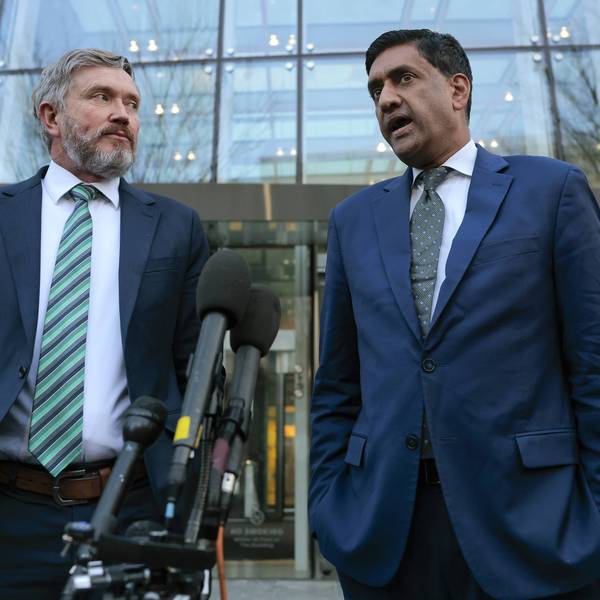
Reps. Thomas Massie and Ro Khanna speak at a press conference

Pressure Builds on US Lawmakers to Support Iran War Powers Resolution
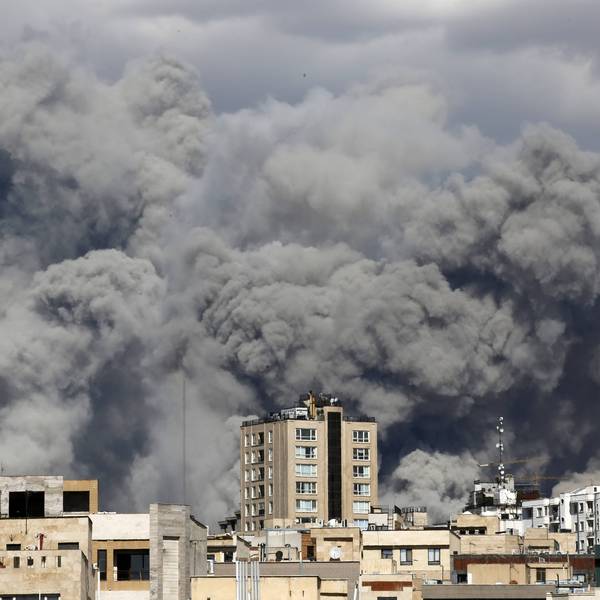
Explosions heard in Tehran as new Israeli airstrikes hit Iranian capital

US, Israel ‘Going Gaza on Iran’ as Death Toll Tops 500 Amid New Massacres

Not included in the statement, according to the New York Times, were additional parts of the sale that “include 10,000 bombs of 500 pounds each and 5,000 small-diameter bombs.”

“This is an emergency of the Trump administration’s own creation.” —Rep. Gregory Meeks (D-N.Y.)

According to the Times:

The State Department did not mention these details in the announcement, but two current US officials and a former, Josh Paul, who worked on weapons transfers at the State Department, said they were part of the emergency sale. The current officials spoke on the condition of anonymity to discuss sensitive arms transactions.

This is the first time that the second Trump administration has formally declared an emergency, allowed under the Arms Export Control Act, to bypass Congress to sell arms to Israel. The administration has bypassed the informal approval process in Congress three times to sell arms or send weapons aid to Israel, but previously has not declared an emergency.

The push for the “emergency” arms sale comes as Israel pummels Lebanon with airstrikes, forcing an estimate 500,000 people or more in southern regions outside of Beirut to flee their homes. It also coincides with Israeli forces hitting targets in Iran alongside the US in what experts say is a wholly illegal attack on that country.

Rep. Gregory W. Meeks (D-N.Y.), ranking member of the House Foreign Affairs Committee, denounced the move by the Rubio in a Friday statement.

“Today’s invocation of the Arms Export Control Act’s emergency authority to bypass congressional review for two munitions cases to Israel exposes a stark contradiction at the heart of this administration’s case for war,” said Meeks. “The Trump administration has repeatedly insisted it was fully prepared for this war. Rushing to invoke emergency authority to circumvent Congress tells a different story. This is an emergency of the Trump administration’s own creation.”

Others also questioned the emergency sale, especially given Israel’s record of genocide in Gaza over the last two years and its pivotal role in pushing the Trump administration toward a war of choice with Iran.

Meeks, in his statement, argued that key questions about Trump’s war in Iran remain unanswered.

“What is the endgame? What preparations have been made to protect American citizens in the region? And how much will this war cost the American people?” asked Meeks. “The administration has provided no credible answers. The American people deserve answers, and Congress must demand them.”

Original article by Jon Queally republished from Common Dreams under Creative Commons (CC BY-NC-ND 3.0).


Orcas discuss Donald Trump and the killer apes' concept of democracy. Front Orca warns that Trump is crashing his country's economy and that everything he does he does for the fantastically wealthy.
Orcas discuss Donald Trump and the killer apes’ concept of democracy. Front Orca warns that Trump is crashing his country’s economy and that everything he does he does for the fantastically wealthy.
Donald Trump explains why he established his Bored of Peace
Orcas discuss rotting brain. Front Orca says "Wish someone would lock him up".
Orcas discuss rotting brain. Front Orca says “Wish someone would lock him up”.
Continue ReadingUS Argues ‘Emergency’ of Iran War Means Israel Needs 20,000+ More Bombs Without Congressional Approval

Morning Star: Facing the storm: climate change and food supply

Spread the love

https://morningstaronline.co.uk/article/editorial-facing-storm-climate-change-and-food-supply

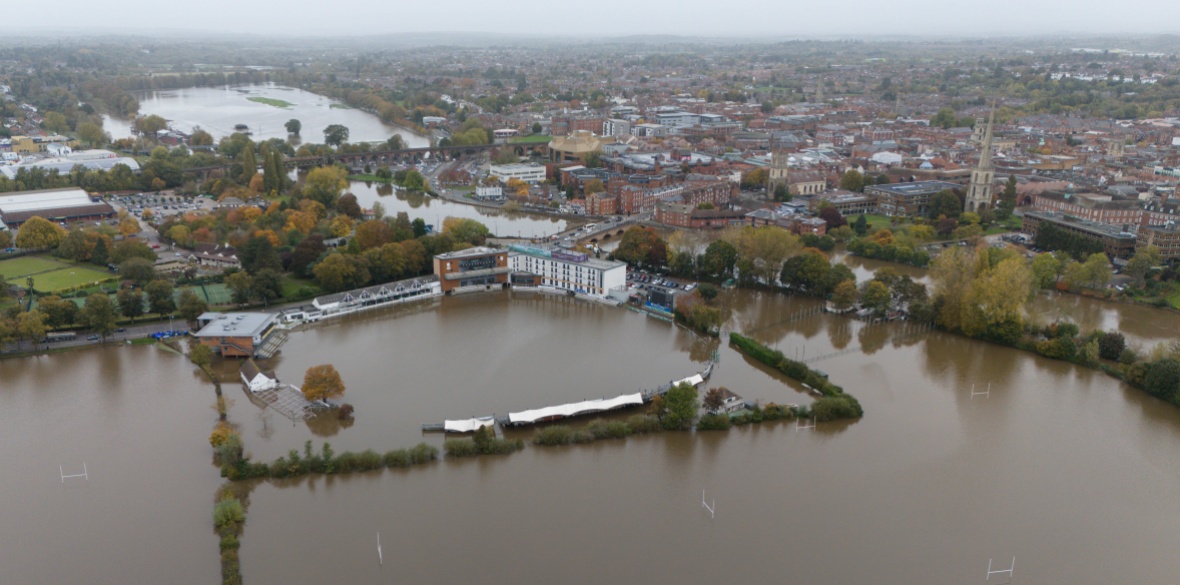
An aerial view showing a flooded New Road Cricket ground in Worcester, home of Worcestershire CCC. Flood warnings remained in place across the UK on Monday after Storm Ashley made its presence felt, October 21, 2024

THE “climate emergency” is not in the future. It is now, and each severe weather event exposes the fragility of systems we rely on on a daily basis.

Serious floods in western England caused by Storm Ashley are no anomaly: every year sees more such incidents. The State of the UK Climate report shows that Britain is getting wetter as well as hotter: five of the 10 wettest years on record have been in the 21st century, and rainfall over the last decade is 9 per cent higher than in the 1960s.

The consequences of such changes cannot be ignored indefinitely. England suffered its second-worst harvest on record this year, with the wheat crop down by more than a fifth, winter barley (primarily important for animal feed, but also for brewing) by more than a quarter and rapeseed (used for animal feed, cooking oil and many processed foods) by almost a third.

Britain imports about half its food: but then, climate change is a global phenomenon. France’s wheat harvest this year is nearly a fifth lower than usual. Drought has played havoc with olive oil harvests in Greece and Spain.

A serious government would be addressing the impact of climate change through mitigation. It would be ready to spend money on flood defences, to protect cities and to protect agriculture. It would not leave vital systems like water in the hands of a private sector that continues to pay its executives millions in bonuses even while paying millions in fines for polluting and poisoning our rivers.

It would, in short, be treating climate change as an emergency: a process which requires us to rethink the way we live from city planning to transport to food production.

The continued failure of politicians to acknowledge that is a case of system failure.

Capitalism cannot sacrifice short-term profit even facing a crisis of this scale. But that puts the responsibility on us to demand better.

Original and complete article at https://morningstaronline.co.uk/article/editorial-facing-storm-climate-change-and-food-supply

Continue ReadingMorning Star: Facing the storm: climate change and food supply

Dagenham fire exposes lack of progress on building and fire safety ahead of Grenfell Report

Spread the love

Original article by Ana Vračar republished from peoples dispatch under a Creative Commons Attribution-ShareAlike 4.0 (CC BY-SA) license.

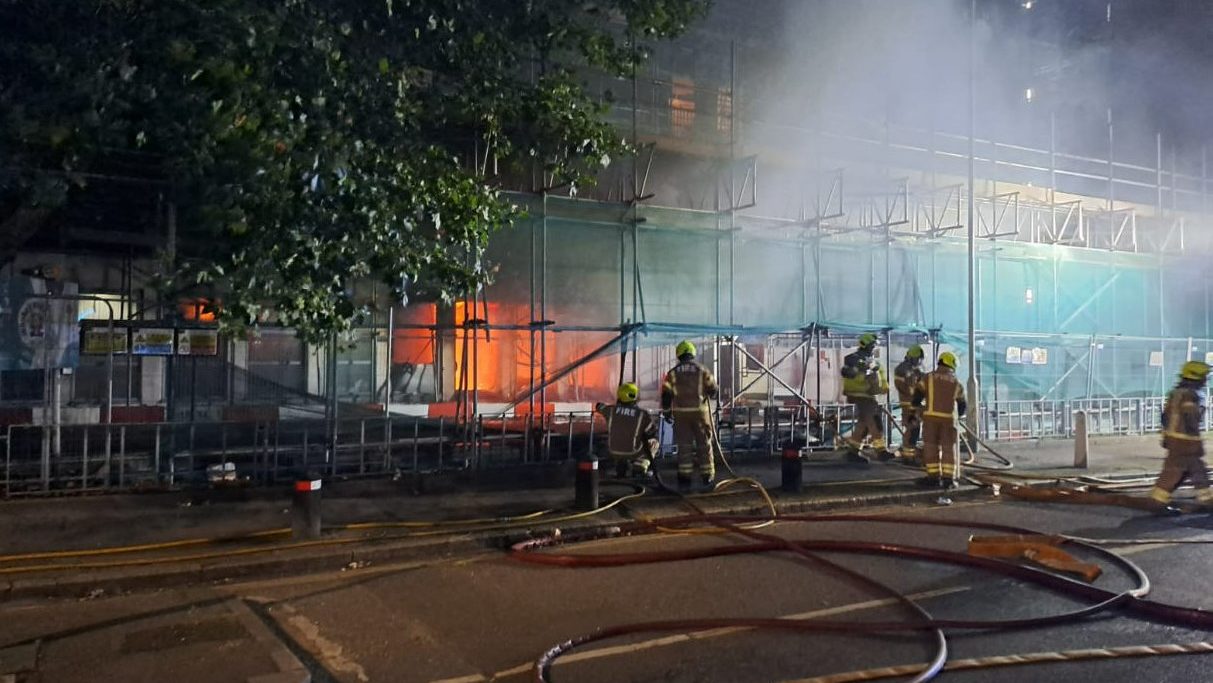
Source: London Fire Brigade/X

A recent fire in London serves as a stark reminder of the UK’s ongoing failures in building and fire safety, just days before the final report on the 2017 Grenfell Tower tragedy is set to be published

More than 200 firefighters were deployed overnight on Monday, August 26, to combat a fire that broke out in an apartment block in Dagenham, London. The building had previously been identified as a high-risk location by fire brigades, yet it had not seen sufficient safety improvements, similar to other localities across the country that represent housing hazards due to slow progress on necessary fire and building security measures.

London Fire Brigade Commissioner Andy Roe confirmed that the tower block had “a number of fire safety issues” known to the service. Matt Wrack, General Secretary of the Fire Brigades Union (FBU), condemned the situation as a “national scandal.”

“Time and time again, these warnings have been ignored by public authorities and by central government. This must change immediately,” Wrack insisted.

The Dagenham fire comes just days before the final report of the Grenfell Tower Inquiry is set to be published. The similarities between the recent fire in Dagenham and the Grenfell Tower fire in June 2017, which killed 72 people, are difficult to ignore. Both incidents involve buildings with inadequate cladding, a factor believed to have exacerbated the fires.

“Once again, a fire has erupted in a residential building wrapped in inflammable cladding. There needs to be an urgent and swift investigation into how this has been allowed to happen,” Wrack said.

Read more: Four years after Grenfell tragedy, justice for victims remains elusive

Fortunately, the Dagenham fire resulted in no casualties, but the incident has reignited calls for improved building safety. Grenfell United, a group formed by survivors and families of the Grenfell fire, criticized the lack of progress since the 2017 disaster. The fact that the best outcome in a fire is a near miss “speaks volumes about the progress made since June 14, 2017,” the group said in a statement.

Recent data from the FBU adds to an already worrying picture. Since 2010, cuts to public service have led to the loss of 12,000 firefighter positions across the UK, with London alone losing over 1,300. The union also highlighted that some firefighters might be counted twice in official statistics because they—some 4,000 of them—hold more than one type of contract, suggesting the actual shortfall may be even worse.

These staffing reductions have contributed to slower emergency response times, increasing risks to public safety. “With flooding, wildfires, and storms on the rise due to the climate emergency, firefighters are being asked to do more with less,” Wrack said.

In light of these issues, trade unions and community activists are calling for immediate and decisive action from the Labour government. They are demanding urgent and substantial investment in fire and rescue services, along with the implementation of building safety measures to prevent future tragedies.

Original article by Ana Vračar republished from peoples dispatch under a Creative Commons Attribution-ShareAlike 4.0 (CC BY-SA) license.

Continue ReadingDagenham fire exposes lack of progress on building and fire safety ahead of Grenfell Report

Fire services can no longer guarantee public safety due to cuts, union warns

Spread the love

https://morningstaronline.co.uk/article/fire-services-can-no-longer-guarantee-public-safety-due-cuts-union-warns

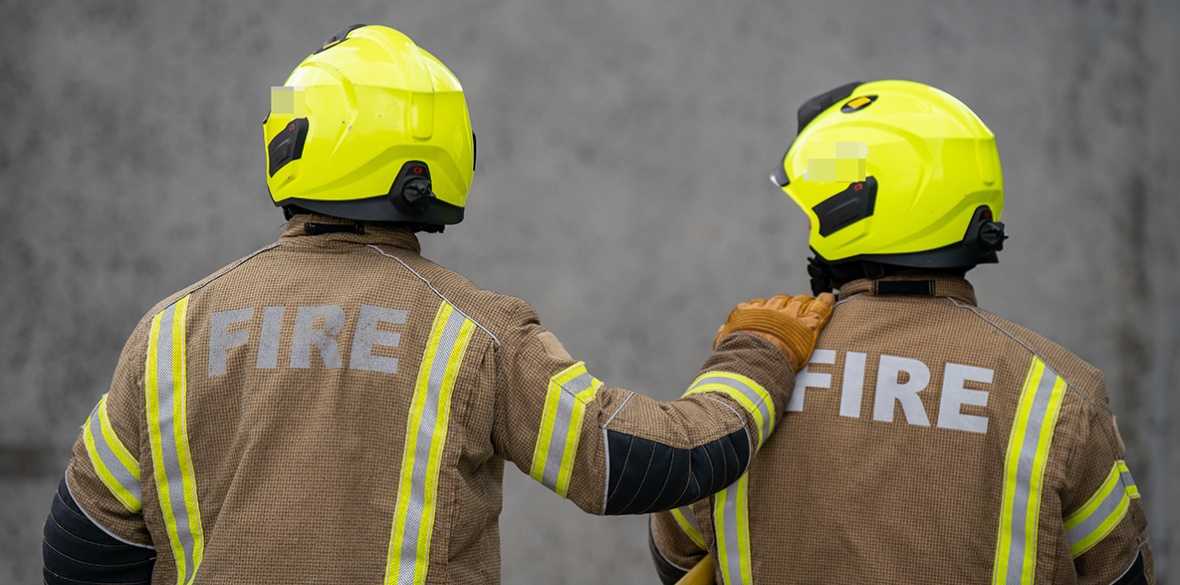
New London Fire Brigade recruits go through their paces during a drill at a Fire station in East London, July 21, 2022

FIRE and rescue services can no longer ensure public safety, the Fire Brigades Union (FBU) has warned as it revealed the full extent of Tory cuts across Britain.

Between 2010 and this year, 21 per cent of front-line firefighters’ jobs — 12,000 — have been axed due to government cuts, new data shows.

The FBU also found that 4,000 firefighters have both a full-time and an on-call contract and are counted as two workers in the data, meaning that firefighter numbers available are even lower than the data suggests.

The union said response times to life-threatening fires had slowed by three minutes, from 6.11 minutes in 1995 to 9.13 minutes in 2023.

FIRE and rescue services can no longer ensure public safety, the Fire Brigades Union (FBU) has warned as it revealed the full extent of Tory cuts across Britain.

Between 2010 and this year, 21 per cent of front-line firefighters’ jobs — 12,000 — have been axed due to government cuts, new data shows.

The FBU also found that 4,000 firefighters have both a full-time and an on-call contract and are counted as two workers in the data, meaning that firefighter numbers available are even lower than the data suggests.

The union said response times to life-threatening fires had slowed by three minutes, from 6.11 minutes in 1995 to 9.13 minutes in 2023.

https://morningstaronline.co.uk/article/fire-services-can-no-longer-guarantee-public-safety-due-cuts-union-warns

Continue ReadingFire services can no longer guarantee public safety due to cuts, union warns