Caroline Lucas, Former Green Party MP for Brighton Pavilion. Official image by David Woolfall Creative Commons Attribution 3.0 Unported license.
Former Green Party MP, Caroline Lucas, has given her reaction to suggestions that plans for a Natural History GCSE have been shelved because it is “seen as a Conservative party initiative.” Caroline was one of the key drivers of the GCSE in the last parliament. She said:
“I very much hope that Labour will look at this again, and appreciate both the popularity of the proposed Natural History GCSE, and the urgency of its introduction. The GCSE enjoys huge support, including from WWF and the Wildlife Trusts through to the Natural History Museum, the Association of School and College Leaders, 17 universities and thousands of young people themselves.
“It was a privilege to work with author and former BBC producer Mary Colwell, who has spearheaded the campaign, to persuade the last Government to agree to it. The curriculum has been prepared over several years by the OCR exam board, and it’s close to being ready to roll out. Stalling at this point would be a disaster, doing a massive disservice to students who desperately want to learn more about the natural world; failing to equip them with the skills of the naturalist which have increasingly been lost, and making it harder for all of us to restore and protect nature.
“Over the last half century, the world has lost 60% of the mass of mammals, birds, fish and reptiles – our education system urgently needs to rise to the challenge of reversing this shocking scale of loss.”
Scientist Sandra Steingraber is arrested outside Citigroup’s New York City headquarters on June 12, 2024. (Photo: Alec Connon)
I am here today to say to Citi that if you won’t listen to the data of scientists, you will need to listen to the bodies of scientists blocking your doors.
Editor’s note: The following is a speech read by Sandra Steingraber before being arrested outside Citigroup’s New York City headquarters on June 12, 2024.
My name is Sandra Steingraber. I have a PhD in biology, and I’ve worked as a scientist my whole adult life.
Here are two things biologists are worried about.
The first thing is happening in the ocean. When fossil fuels are burned and CO2 fills the atmosphere, some of it falls into the sea.
When carbon dioxide touches water, it turns into carbonic acid: H2CO3.
Acid makes calcium carbonate (CaCO3) dissolve. Seashells are made of calcium carbonate. So fossil fuels are turning our oceans into pits of acid, and animals made of shells are starting to dissolve.
I did not become a biologist to write eulogies for the species I study.
All together, the babies of animals with shells are called zooplankton.
Zooplankton are the basis of the marine food chain.
If you dissolve their parents, zooplankton disappear—along with the fish who eat them.
One half of the world’s human population depends on fish for protein. The pH of the oceans is now on track to crash the world’s fish stocks. As a biologist I worry about that.
Now let’s go on land and look at bees. Bumblebees also have babies, and they need to stay cool. So adult bees beat their wings like a thousand little ceiling fans to cool the bee nursery. But they can’t keep up due to more intense heatwaves. Baby bees are dying. Populations are crashing.
Bees help plants have sex. Bees turn flowers into fruits, nuts, vegetables. One-third of the food we eat is made for us by bees. And they do it for free. It’s called an ecosystem service.
If we lose the bees, crops fail. This is how the ecological crisis becomes a human rights crisis. Biologists are worried about this
I have studied climate change since 1982. I’ve testified. I’ve sent letters to the White House. I’ve met with the science adviser. I went to the Paris climate talks. But CO2 levels just reached a new high, and Citigroup is financing the arsonists.
Citi has poured $396 billion dollars into the fossil fuel industry just since 2016.
So, I am here today to say to Citi that if you won’t listen to the data of scientists, you will need to listen to the bodies of scientists blocking your doors. Today my body is a data point. And all together, all these data points on this blockade line make a trend. The trend is that when extinction rates accelerate, scientists get louder.
My message to Citi CEO Jane Fraser: I did not become a biologist to write eulogies for the species I study. I am morally obligated to use my knowledge to defend life against extinction and oppose those who finance it.
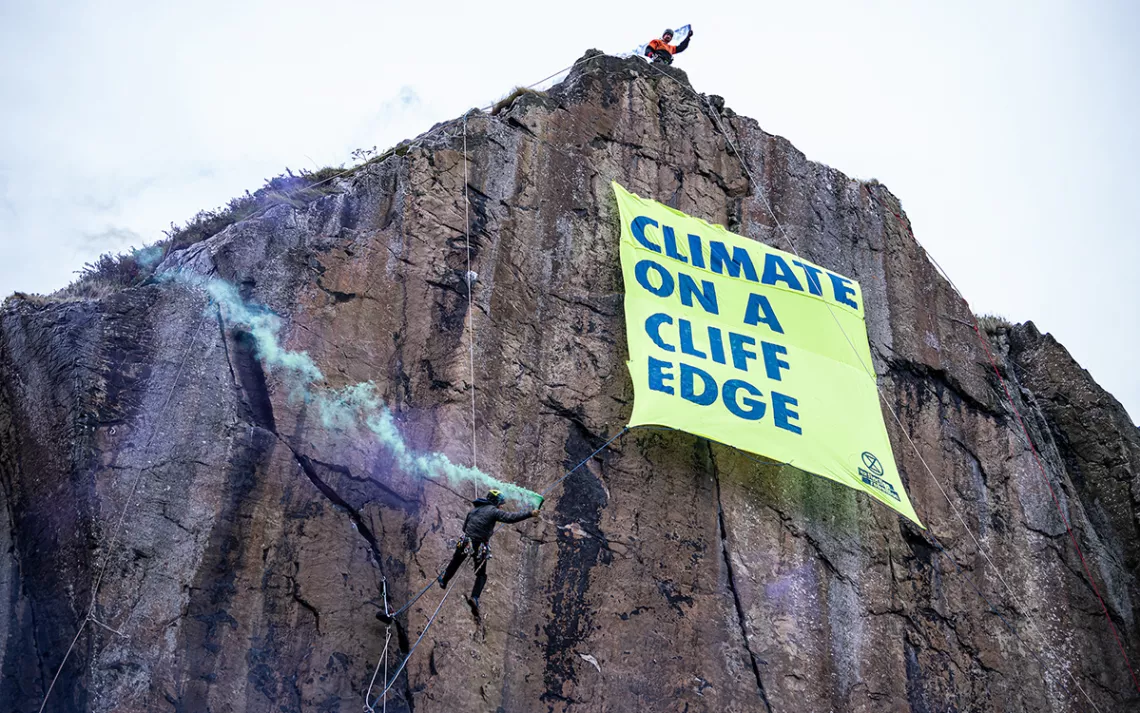
Experienced climbers scale a rock face near the historic Dumbarton castle in Glasgow, releasing a banner that reads “Climate on a Cliff Edge.” One activist, dressed as a globe, symbolically looms near the edge, while another plays the bagpipes on the shores below. | Photo courtesy of Extinction Rebellion and Mark Richards
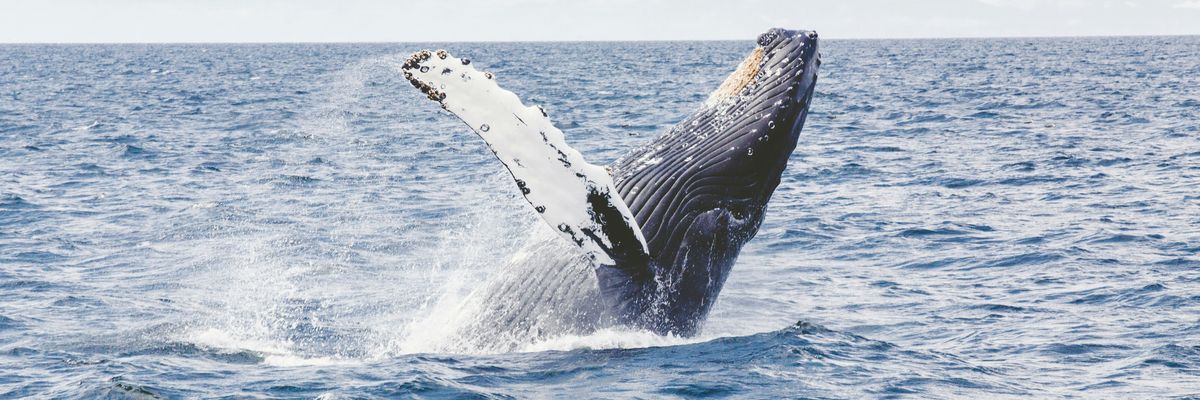
A humpback whale is seen in the ocean. (Photo: Thomas Kelley/Unsplash)
“The global community has an opportunity to translate this latest science of the pressures facing migratory species into concrete conservation action,” said one U.N. official.
As world governments gathered in Uzbekistan Monday for the United Nations conference on migratory species, they centered the theme “Nature Knows No Borders”—an idea that a new landmark report said must take hold across the globe to push policymakers in all countries and regions to protect the billions of animals that travel each year to reproduce and find food.
The Convention on the Conservation of Migratory Species of Wild Animals (CMS) marked the opening of the 14th Conference of the Parties (CMS COP14) to the United Nations biodiversity treaty by releasing the first-ever State of the World’s Migratory Species report, showing that nearly half of migrating species are declining in population.
The crisis is especially dire for more than 1 in 5 species that are threatened with extinction, and 70 species listed under the CMS which have become more endangered, including the steppe eagle, the Egyptian vulture, and the wild camel.
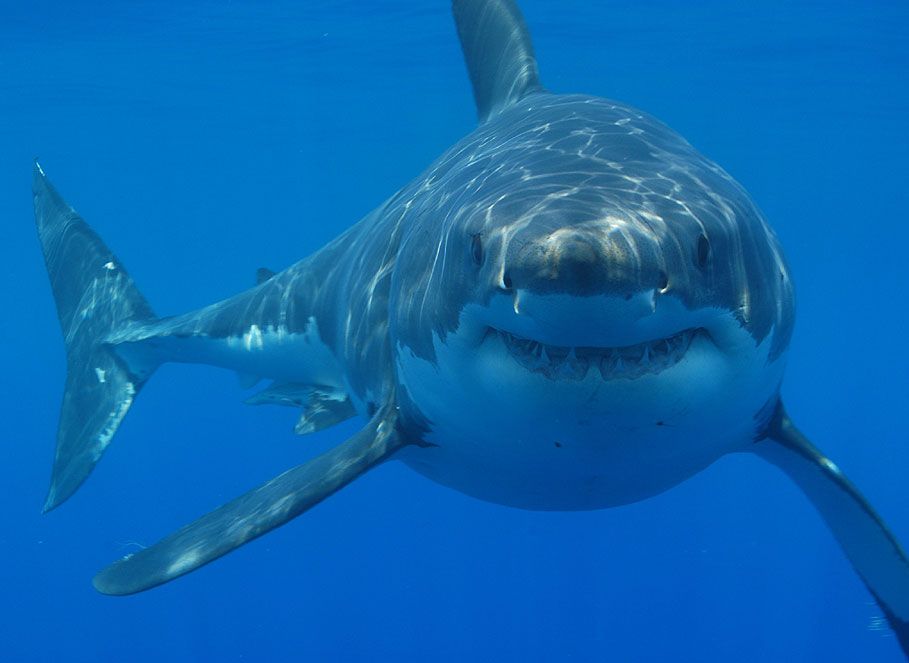
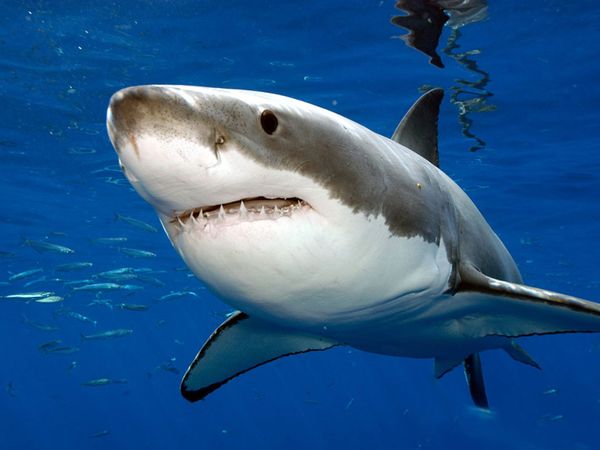
The populations of nearly all species of fish listed in the U.N. treaty, including sharks and rays, have declined by 90% since the 1970s.
The two biggest drivers of endangerment and threatened extinction are overexploitation—including incidental and intentional capture—and habitat loss, and both are directly caused by human activity.
Seven in 10 CMS-listed species are threatened by overexploitation, while 3 in 4 of the species are at greater risk of dying out due to habitat loss, as humans expand energy, transportation, and agricultural infrastructure across the globe.
The climate crisis and planetary heating, pollution, and the spread of invasive species—thousands of which are introduced by humans—are also major threats to migratory species, the report says.
“Unsustainable human activities are jeopardizing the future of migratory species—creatures who not only act as indicators of environmental change but play an integral role in maintaining the function and resilience of our planet’s complex ecosystems,” said Inger Andersen, undersecretary-general of the U.N. and executive director of the U.N. Environment Program (UNEP). “The global community has an opportunity to translate this latest science of the pressures facing migratory species into concrete conservation action. Given the precarious situation of many of these animals, we cannot afford to delay.”
Migratory species “reinforce” the fact that nature does not observe borders put in place by humans, Andersen added in a video posted on social media, and humans must work across borders to ensure these species are protected.
Nature knows no borders. Migratory species reinforce this, uniting us all as they travel across the world.
According to the report, nearly 10,000 of the world’s key biodiversity areas are crucial for the survival of migratory species, but more than half are not designated as areas that must be conserved—and 58% are under threat due to human activities.
Mapping and taking adequate steps to protect “the vital locations that serve as breeding, feeding, and stopover sites for migratory species” is a key priority, said the CMS in a statement.
“Migratory species rely on a variety of specific habitats at different times in their lifecycles,” said Amy Fraenkel, CMS executive secretary. “When species cross national borders, their survival depends on the efforts of all countries in which they are found. This landmark report will help underpin much-needed policy actions to ensure that migratory species continue to thrive around the world.”
In addition to increasing understanding of migration paths and minimizing human infrastructure in the pathways, the report recommended that policymakers “strengthen and expand efforts to tackle illegal and unsustainable taking of migratory species”; scale up efforts to tackle climate change and light, noise, chemical, and plastic pollution; and consider expanding CMS listings to include more at-risk migratory species in need of international attention.
“There are many things that are needed to be done on addressing the drivers of environmental change, such as agriculture for habitat destruction, the sprawl of cities, we have to look at rail, road, and fences,” said Fraenkel. “One of the most important things for migratory species is something we call ecosystem integrity: they need particular sites to breed, feed, and travel. If those sites cannot be accessed or don’t exist any more, then it’s obviously going to be detrimental.”
The report focused on 1,189 migratory species identified by the U.N. as needing protection, but found that another 399 migratory species are either threatened or near threatened with extinction.
“People might not realize that whales, lions, gorillas, giraffes, and many birds are migratory species,” Fraenkel said.
At the opening ceremony of CMS COP14, Andersen called on policymakers to live up to the conference’s theme “by ensuring free passage of migratory species and by ensuring that, through multilateralism, we reach a hand across every border to ensure long-term sustainability, for people and for planet.”
Reversing population decline is possible, the report emphasized, pointing to coordinated local action in Cyprus that reduced illegal bird netting by 91% and “hugely successful” conservation and restoration work in Kazakhstan, “which has brought the saiga antelope back from the brink of extinction.”
“I ask parties to consider how to work in harmony with other processes for mutually assured success,” said Andersen, “all in the interests of sustainable economies and societies.”
A selection of recent UK and international news articles
Home Secretary waited until terror suspect was abroad before stripping citizenship | The Bureau of Investigative Journalism … [Home Secretary Theresa May] denied that it has a policy of waiting until individuals are out of the UK before removing their citizenship. But research by the Bureau has also found that of the 18 individuals we have identified who have lost their UK nationality removed since 2006, at least 15 were known to be abroad when orders to remove their citizenship were issued. Of those individuals, two – Mohammed Sakr and Bilal al-Berjawi – were killed in US drone strikes in Somalia. Another, Mahdi Hashi, was rendered to the United States where he’s currently awaiting trial on terror charges in a high-security jail. Speaking in the parliamentary debate, Diane Abbott pointed out that debate around citizenship-stripping often failed to presume the innocence of individuals who had not faced criminal charges. ‘We are talking about terror suspects. Nowadays in Parliament, saying that someone is suspected of terrorist activity is enough for the political class to assume that that person does not deserve due process,’ she said. …
If the government gets its way, from May this year your family’s patient-identifiable data will be uploaded from your GP surgery to a single, centralised database for the very first time. This ‘care-data’ database will include your NHS number, date of birth, postcode, ethnicity and gender. Your medical diagnoses, including cancer and mental health, your referrals to specialists, your prescriptions, your body mass index, details of your vaccinations and screening tests and your smoking and alcohol habits will be on there too.
The scheme, led by health secretary Jeremy Hunt, is being hailed as a revolution in the use of information to improve our healthcare and to advance medical research – admirable aims indeed. But once it goes live, organisations including drug and insurance firms will be able to apply to purchase ‘pseudonymised’ details about patients. And ‘backdoors’ to the database will allow bodies like the police to enjoy direct access to your medical records as well.
These floods are washing away the founding logic of David Cameron’s government | Jonathan Freedland | Comment is free | The Guardian… But that is the least of the damage that Cameron’s words have inflicted on himself. For this government was built, the coalition formed, on a single, simple premise: that austerity was unavoidable, that there was no alternative. There could be no more spending, an assertion endorsed by the outgoing Labour government in what must rank as one of the most ill-judged jokes of modern times: “There’s no money left,” said Liam Byrne in a note left for his successor at the Treasury. But now, less than four years on, it turns out that this is no longer true. The PM has told us that, should the need be urgent enough, there is money after all. Limitless supplies of it in fact; enough to defeat nature’s wrath. To quote Cameron in full, “Money is no object in this relief effort. Whatever money is needed for it will be spent.” This rather undermines the austerity message, for it shows what was always true – that the national belt is not tightened universally and for ever but can be loosened when the government wants to loosen it. The last demonstration of that truth came nearly two years ago, when George Osborne cut the top rate of tax from 50p to 45p. That destroyed at a stroke the claim that we were all in it together, but it also illuminated a more obvious fact: that, despite all the “no alternative” talk, the government had not lost its power of discretion. Even in the age of austerity, it still got to decide what to spend money on and what not to spend it on. …
Your bills help British Gas to £600m profit – Business News – Business – The Independent Centrica is set to announce on Thursday that its British Gas household supply arm made a profit of nearly £600m last year, helped by a 10.4 per cent hike in gas prices in November and an 8.4 per cent rise in electricity prices. Politicians and campaigners said the bumper profits provided further evidence that showed the Big Six were overcharging customers in an uncompetitive market.
17/2/14 edit: That would be Alex Salmon “accused of overheating production of Scottish farmed salmond to meet Japan’s insatiable demand for sushi in return for China’s loan of two pandas to Edinburgh Zoo.”
Bottom trawling: how to empty the seas in just 150 years | Environment | The Observer“For every hour spent fishing today, in boats bristling with the latest fish-finding electronics, fishers land a mere 6% of what they did 120 years ago. Put another way, fishers today have to work 17 times harder to get the same catch as people did in the 19th century.” And the reason for this startling state of affairs is straightforward: we have caught so much fish in our own waters over the past 150 years, there is little left for us today. Some species hover at the edge of extinction. Our seas, and the floor below them, have been stripped of their riches.