In Brazil’s Amazon region, more than 1,700 schools and 760 health centers have been shuttered or become inaccessible due to drought. A scene from Tabatinga, Amazonan State, Brazil in October 2024. UNICEF / UNI671256 / Diogenes
A drought in much of South America impacts more than 420,000 children living in the Amazon basin, according to new estimates from UNICEF.
The record-breaking drought — ongoing since last year — has left rivers in the region at an all-time low, a press release from UNICEF said.
The lack of rain has affected river transportation and water supplies for Indigenous children and their communities in Colombia, Brazil and Peru. Families use the rivers to access and transport water, food, fuel and medical supplies. The children also use them to travel to school.
“For centuries the Amazon has been home to precious natural resources. We are witnessing the devastation of an essential ecosystem that families rely on, leaving many children without access to adequate food, water, health care and schools,” said Executive Director of UNICEF Catherine Russell in the press release.
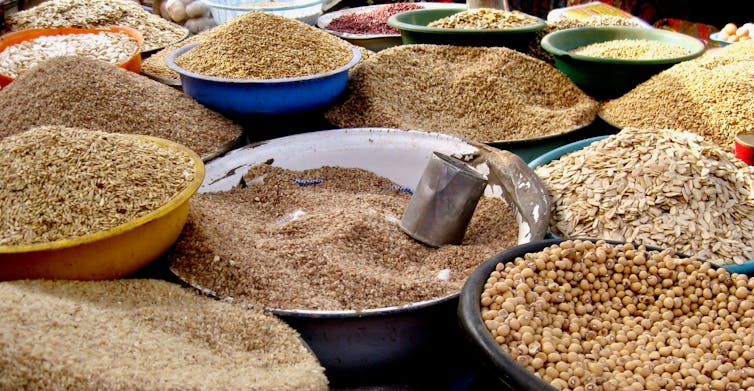
Food insecurity caused by the drought has increased malnutrition risk in the region’s children, while restricted access to drinking water could lead to an increase in infectious diseases, UNICEF said, as AFP reported.
“Food insecurity caused by drought increases the risk of malnutrition, stunting and wasting, and death in children,” the press release said. “Research has also found that pregnant women who experience droughts are likely to have children with lower birth weights.”
In the Brazilian Amazon, more than 760 medical clinics and over 1,700 schools have become inaccessible or were forced to close due to low river levels.
Climate change, and specifically rising temperatures, may cause food prices to increase by 3.2% per year, according to a new study by researchers in Germany. As climate change continues to worsen, this price inflation will mean more and more people around the world don’t have a varied and healthy diet, or simply don’t have enough food.
The new analysis shows that global warming could cause food price inflation to increase by between 0.9 and 3.2 percentage points per year by 2035. The same warming will cause a smaller rise in overall inflation (between 0.3 and 1.2 percentage points), so a greater proportion of household income would need to be spent on buying food.
This effect will be felt worldwide, by high and low-income countries alike, but nowhere more so than in the global south. As with various other consequences of climate change, Africa will be worst affected despite contributing little to its causes.
Our own research on food security in Ghana, west Africa, gives a sense of what price inflation might mean in practice. The The Intergovernmental Panel on Climate Change describes west Africa as a “hotspot” of climate change, with models predicting extreme rising temperatures and reduced rainfall. With more than half of the population being directly dependent on rain-fed agriculture, Ghana is particularly vulnerable to climate change.
We recently carried out a study in Mion, a rural district in the north of the country. We spoke to almost 400 people, and very single one of them told us they had experienced some level of food insecurity in the previous 12 months. Some 99% said climate change was at least partly to blame.
Additionally, 62% were moderately or severely food insecure, with 26% experiencing severe food insecurity (going without food for an entire day). These percentages are much worse than Ghana’s national averages (39% and 6% respectively), but similar to some of the poorest countries in west Africa such as Togo, Burkina Faso and Benin.
We also carried out a similar study among refugees from neighbouring Burkina Faso who fled across the border to the upper east region of Ghana. Again, 100% had experienced food insecurity.
Mion isn’t suffering from a sudden famine, and nothing particularly unusual has happened to cause this food insecurity. This situation is considered to be a “normal phenomenon” due to the effects of climate change.
Climate-related food inflation can be broken down into two interlinked problems.
Shifting seasons, pests and diseases
The first is that the same climate change effects that are causing the inflation are already making food harder to get hold of. For instance, higher temperatures can cause long-established and predictable farming seasons to shift and so may hinder crop production.
Other consequences can include more pest and disease outbreaks that deplete livestock and food reserves, and heat stress to already-poor roads which makes it harder to access rural communities.
All of these factors push prices higher and reduce the purchasing power of affected households. The drivers of food inflation are already worsening food insecurity.
The second part of this problem is the rise in inflation itself. A 3% annual price increase would mean households are less able to purchase what they need.
They would likely need to compromise on quality or perhaps even culturally important foods. This in turn makes people more vulnerable to disease and other health issues. Malnutrition is the leading cause of immunodeficiency globally.
In Ghana, we found that those who reported more knowledge of climate change were more likely to be food secure. This is despite few people having any formal education. This is evidence that affected populations are very aware of the changing temperatures and unpredictability of the climate, and are perhaps engaging in proactive mitigation practices.
Those without any schooling are more likely to engage in a climate-sensitive occupations such as farming, and so would be more immediately exposed. Teaching people about climate change might provide some capacity to adapt to it, and therefore increase food security.
Alterations in the climate are a hunger-risk multiplier for those populations with entrenched vulnerability. In light of this, 134 countries at COP28 signed a declaration to incorporate food systems into their climate action, to ensure everyone has enough to eat in light of climate change.
The researchers behind the new study suggest that reducing greenhouse gas emissions could limit any impacts on the global economy. We also suggest that diversifying economies would serve as some protection for those communities reliant on agriculture for both their food and income.
Government intervention could also ensure financial protection and nutritional aid for those vulnerable to becoming trapped in the poverty cycle by inflation and diminished accessibility to food.
A preschool age child playing with plastic building blocks, January 24, 2016
CHILD poverty hit a record high as only the top earners were better off last year, official figures revealed today.
Campaigners said youngsters were being forgotten as the statistics showed food insecurity soared by 53 per cent, 100,000 more working households fell below the poverty line and more pensioners were unable to afford basic goods such as food and heating.
The Department for Work and Pensions estimated 4.33 million children in households in relative low income – below 60 per cent of median income after housing costs — in the year to March 2023.
This is up from 4.22 million the previous year and the highest since comparable records for Britain began in 2002/03.
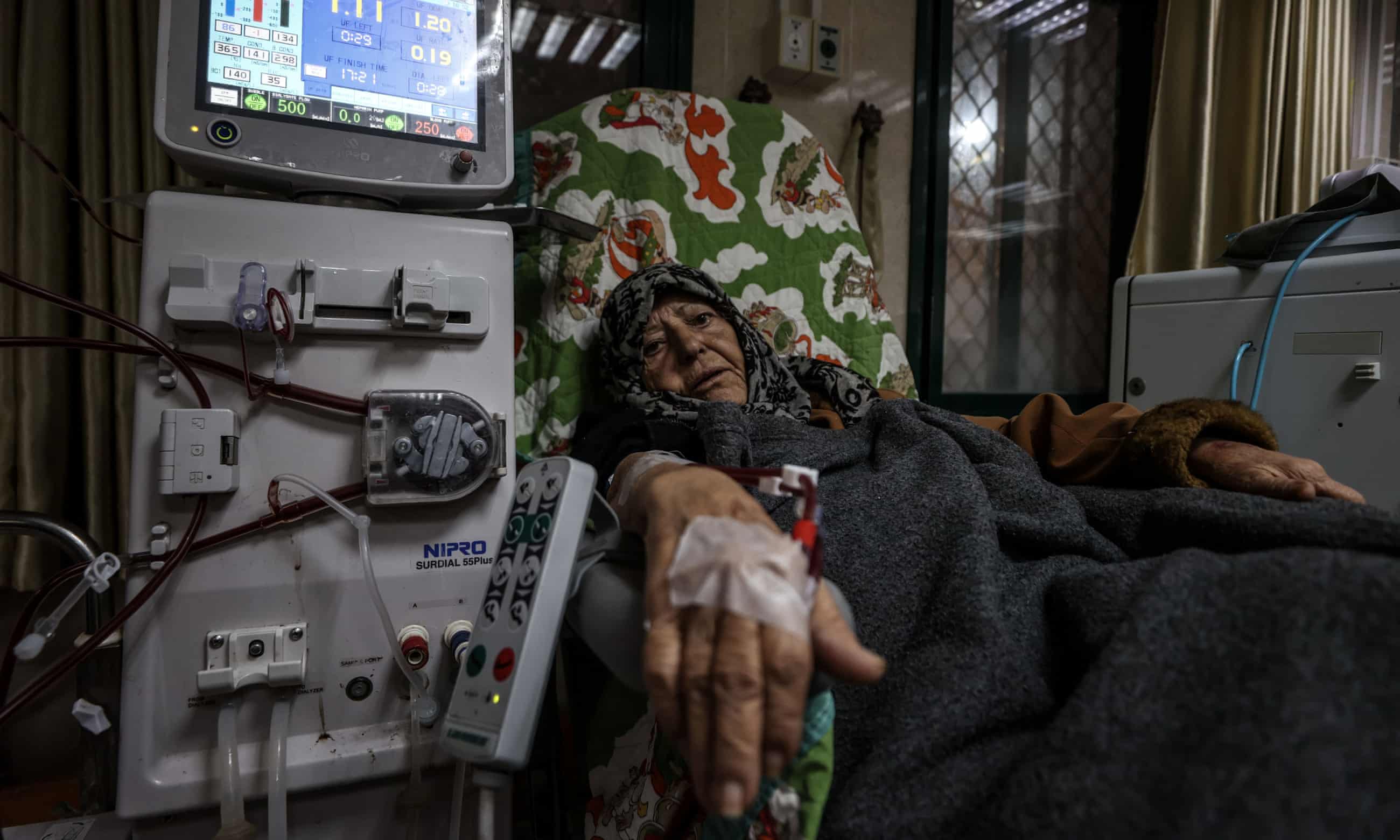
A Palestinian woman receives dialysis treatment at the Al-Aqsa Martyrs Hospital on February 8, 2024. Photograph: Anadolu/Getty Images
The lack of medicine, food and water means thousands of people with asthma, kidney disease or diabetes are unable to treat or control their conditions
Four months of conflict in Gaza is jeopardising the health of thousands of people with chronic illnesses such as kidney disease, diabetes and asthma, doctors have warned.
The chronically ill are the hidden casualties of the war, as access to water, food and medicine is severely restricted, said Guillemette Thomas, the Médecins Sans Frontières (MSF) medical coordinator for Palestine.
“Hospitals that are still functioning are overwhelmed with injured people, they are not able to deal with chronic illness at all,” she said. “Before the war there were 3,500 hospital beds in Gaza, now there are fewer than 1,000, and hundreds and hundreds of injured. We don’t know how many people are dying because they can’t access healthcare.”
When medication is allowed into the territory there are no safe ways of distributing it, Thomas said. “We have some insulin coming in aid trucks, but patients can’t get to the places where it is stocked because of the airstrikes. People are bombed on their way to the hospital.”