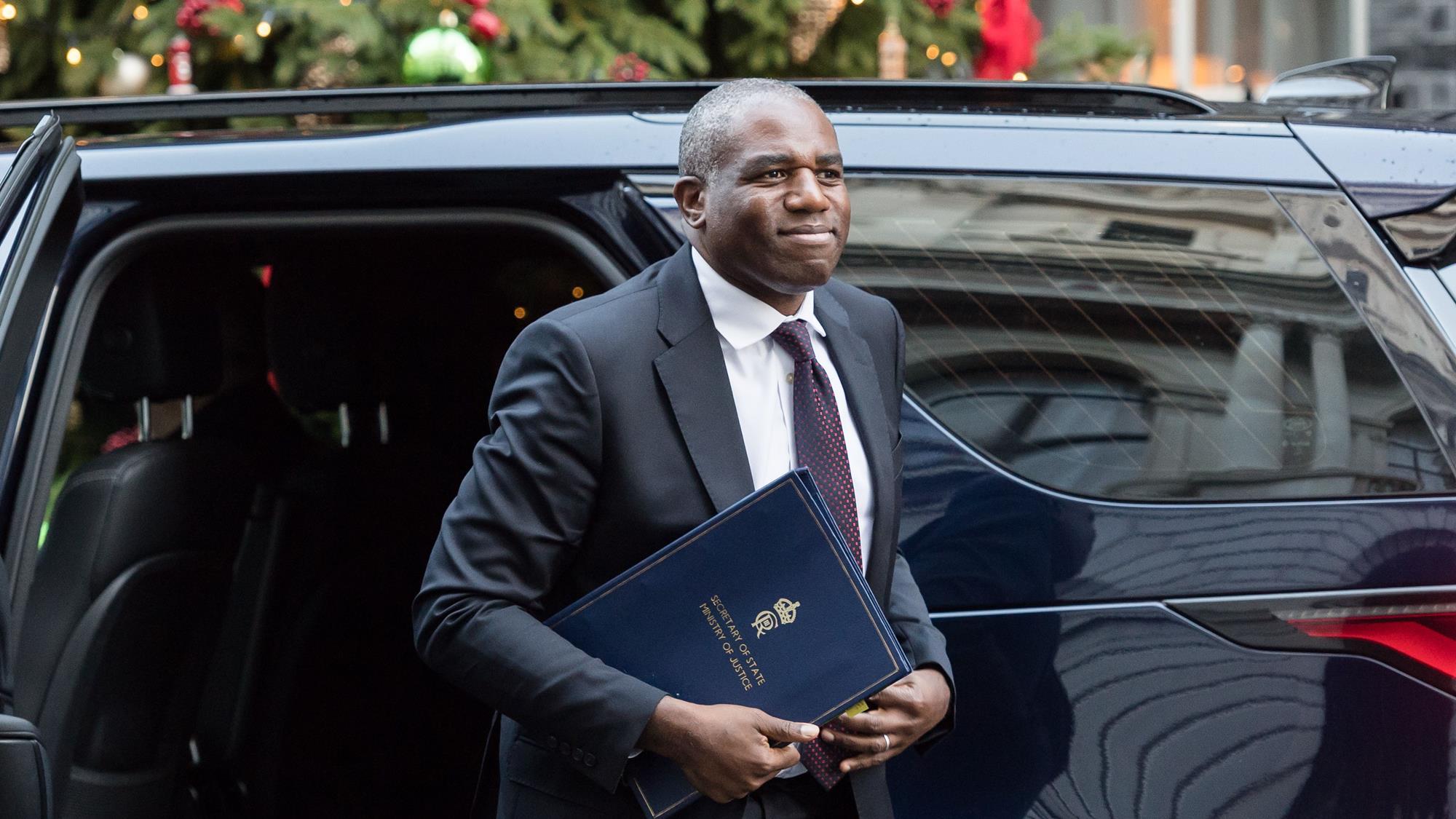
Back in March, the Labour government’s bill to restrict access to jury trials – a right enjoyed by English citizens for over 800 years – successfully passed its first reading. But last week, only hours after former Justice Minister David Lammy was dropped from Andy Burnham’s new cabinet, a Downing Street spokesperson announced that the newly coronated Prime Minister had no intention of following through with the plan.
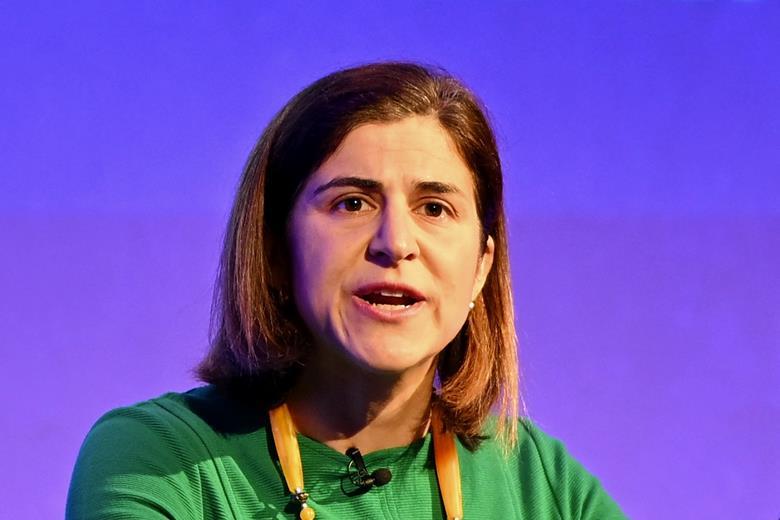
Eyebrows were raised, however, at the ministerial re-appointment of Sarah Sackman, Keir Starmer’s ex-solicitor general and a key supporter of Lammy’s jury proposals. Sackman has previously worked as a foreign law clerk at the Israeli Supreme Court, and her grandfather once served as an ambassador for the settler state. Last week, Burnham extended her role in government with a re-appointment at the Ministry of Justice.
Sackman’s funders
At the end of June, and just eleven days after Burnham’s by-election victory in Makerfield, Sackman registered two new donations, each of £1250, from veteran pro-Israeli bankroller Trevor Chinn.
…
Burnham continues Starmer’s legacy
Starmer will always be remembered for the military and diplomatic support he consistently lent to the Israeli state. But in December 2024, just over one year into the Gaza genocide, Sackman insisted that Starmer’s administration had “broadly got it right” on the issue of Palestine.
She made the comments in a public conversation with Adrian Cohen, LFI’s lay chair. Last Thursday, the controversial lobby group published a new paper suggesting that a ban on trade with illegal Israeli settlements is “practically and politically impossible”.
LFI-affiliated MPs continue to dominate the Labour cabinet. On the issue of Palestine, Sackman’s re-appointment sends a loud signal to those who thought Burnham might change course.
UK Prime Minister Andy Burnham admits to blatently lying and engaging in deception to become leader of the UK Labour Party and Prime Minister.Keir Starmer objects to criticism of the IDF. He asks how could anyone object to them starving people to death, forced marches like the Nazis did, bombing Gaza’s hospitals and universities, mass-murdering journalists, healthworkers and starving people queuing for food, killing and raping prisoners and murdering children. He calls for people to stop obstructing his genocide for Israel. New Labour UK Prime Minister Andy Burnham continues Labour party policy of active support and complicity in Israel’s genocide.
MPs have called out comments by courts minister Sackman during a fiery debate on jury reforms Source: Michael Cross
The government would still curb jury trials even if the criminal courts were not in crisis, the courts minister revealed yesterday – as MPs demanded yet again to see the impact assessment for the proposal.
When the plan to axe a quarter of jury trials was announced last month, justice secretary David Lammy said the reforms were necessary ‘to tackle the emergency in our courts’.
Defending the proposals in a Commons debate yesterday, courts minister Sarah Sackman said: ‘People ask me, “Sarah, would you be doing this if there was not a crisis in our courts?” I say yes, because we need a better system. One in which courts, not criminals, triage cases.
‘We need a system that makes better use of jurors’ time and ensures that someone accused of shoplifting is not in the same queue as a victim of another crime. No one has had the guts to take on a programme of reform of this scale, but this government have the guts. The Conservatives had 14 years to fix the system, but they ran it into the ground. We make a different choice, we are bringing forward change.’
The four bars of England and Wales, Scotland, Northern Ireland and the Republic of Ireland are ‘standing as one in opposition’ to the UK government’s proposal to restrict the right to a jury trial.
Lord chancellor and justice secretary David Lammy will next year attempt to push through proposals to deal with what he has described as a ‘courts emergency’. Under his ‘swift courts’ plan, judges in England and Wales will sit alone to hear cases with a possible sentence of three years or less.
The proposal, which will require primary legislation, has attracted widespread criticism. Now the bars of England and Wales, Ireland, Northern Ireland and Scotland have expressed its ‘deep concern’ and urged the government to change course.
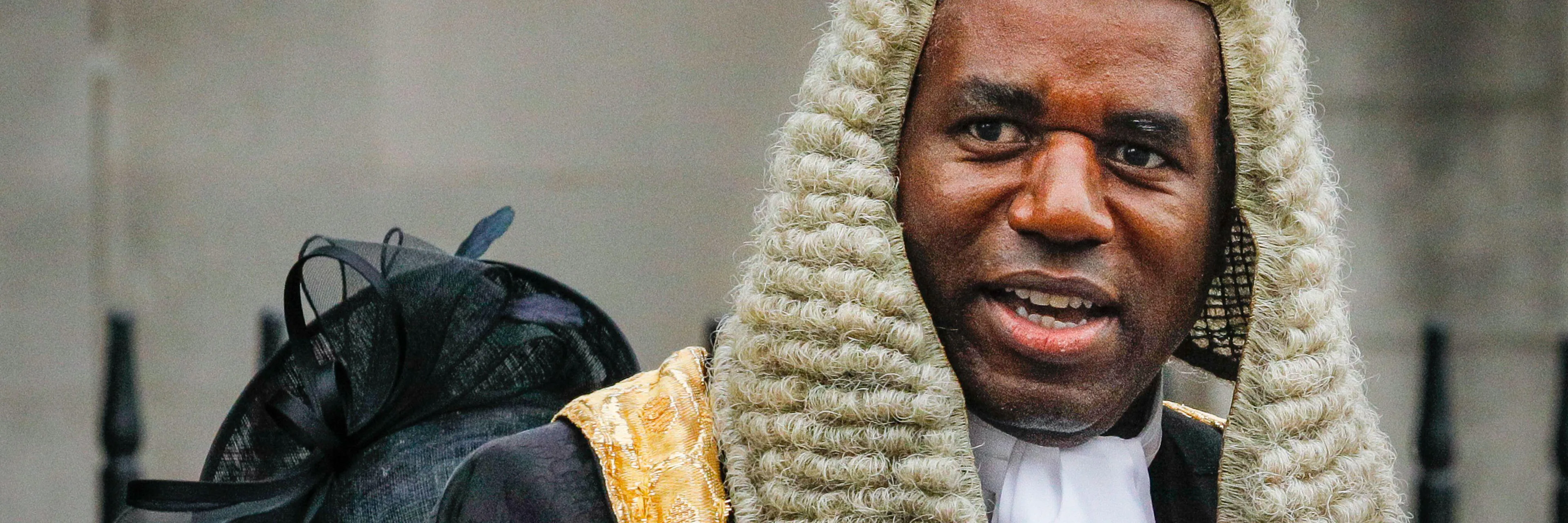
Justice secretary David Lammy has announced one of the most significant changes to criminal justice in England and Wales in decades, by scrapping the use of jury trials for most offences that carry a likely jail sentence of less than three years.
Under the proposals, only the most serious offences such as murder, robbery and rape would continue to be tried by a jury. Most other cases would be heard by a judge alone. The reforms will also include creating new “swift courts” within the crown court division.
The government says judge-alone trials will take 20% less time than jury trials. Currently, cases can take an average of 332 days from charge to completion.
Yet the right to be tried by one’s peers has deep roots in the legal tradition of England and Wales. Its origins trace back to Magna Carta in 1215, which promised that no one would lose their liberty or property without “the lawful judgement of his peers and the law of the land”.
The judge and legal philosopher Lord Devlin described trial by jury as “the lamp that shows that freedom lives”. It is a symbolic cornerstone of justice in England and Wales.
These proposals go far beyond the recommendations put forward in Brian Leveson’s independent review of the criminal courts, published in July 2025. Leveson proposed trial by judge alone where the defendant requested it, or in particularly lengthy and complex trials. But Lammy’s proposals appear to be a watering down of leaked MoJ plans to restrict the use of jury trials to only “public interest” cases with sentences of over five years.
In practical terms, jury trials already form only a small part of the system, accounting for around 2% of all criminal cases. Ministry of Justice data shows that most criminal cases are resolved in the magistrates’ courts, in which three magistrates (who are volunteer lay people rather than professional judges), determine guilt as well as sentence.
Although magistrates deal with less serious offending, they currently have the power to imprison offenders for up to 12 months for a single offence, a power which, Lammy announced, would be increased to 18 months. Of those cases which are dealt with by the crown court, around 60% of defendants plead guilty, removing the need for a trial.
Some might therefore regard juries as symbolically important, but an unnecessary burden on a struggling court system. While there are valid concerns about aspects of jury decision making, research has found that juries do generally make fair decisions.
There is limited research on judge-only trials, in part because they are relatively rare. Even in jurisdictions where juries are not used, judges more often sit in panels of three or more. There are concerns that judge-only trials risk exacerbating judicial bias.
Perhaps just as importantly, juries provide a form of lay participation that helps ensure public confidence in the fairness of verdicts.
Juries can act as a democratic check on official power. There have been cases, for example in protest-related trials, where juries have interpreted the law in ways that reflect broader community standards. Such instances are a reminder that the legitimacy of criminal justice depends on public consent.
The court backlog
The evidence suggests that jury trials are not the primary cause of the current backlog. Crown court backlogs began rising sharply in 2017, driven by years of budget reductions, court closures, maintenance backlogs and limits on the number of days courts were permitted to sit. However, the backlog has not fallen below 35,000 since 2000.
The pandemic brought unprecedented disruption into an already fragile system as many hearings were postponed and the transition to remote hearings caused delays. By late 2023, there were around 68,000 outstanding crown court cases, already the highest on record, and experts consistently identified lack of capacity as the central issue.
Given that jury trials make up such a small proportion of criminal cases, reducing them cannot, on basic numerical grounds, meaningfully reduce a backlog of this scale. The government has stated that restricting jury trials would save £31 million, just 0.2% of the MoJ budget.
It could, however, create new problems, including increased appeals, challenges on grounds of judicial bias and reduced public confidence in the outcome of trials.
The Institute for Government has warned that such changes could increase the risk of wrongful convictions and further erode trust in the justice system.
There is no doubt that long waits can be profoundly distressing for victims as well as defendants and witnesses. But victims’ interests also include trust in the process and confidence that decisions about guilt reflect a broad social judgement, not just the view of a single official.
This does not mean that the jury system is perfect or that reform is unnecessary. Leveson’s review of the courts suggested targeted changes, such as judge-only trials in highly complex fraud cases, or hybrid panels of judges and magistrates for certain intermediate offences. It also called for significant improvements in digital case management and infrastructure – investments that could address underlying inefficiencies more directly.
Restricting jury trials might appear to offer a fast route to clearing backlogs, but the data suggests that delays stem from wider capacity constraints, not the workings of juries themselves. England and Wales already rely overwhelmingly on magistrates’ courts and guilty pleas to handle most cases.
If the government is serious about improving outcomes for both victims and defendants, it should invest in the capacity of the courts, rather than remove one of the few remaining avenues for public participation in the criminal justice system.