AS BELEAGUERED customers faced further price hikes today, the scale of Britain’s energy rip-off was revealed.
The energy firms have collectively reaped profits of £420 billion since 2020, according to research by the End Fuel Poverty Coalition.
For comparison, the annual budget of the Department of Health & Social Care, which includes the NHS, was £181.7bn in 2022-3.
Though the Ofgem-imposed price cap, limiting what customers pay for each unit of gas and electricity that we use, fell today to £1,690 a year for a typical household, the average standing charge rose from £303 a year to £334.
These charges, which have to be paid even if no gas or electricity is used, have risen by 147 per cent since the 2022 outbreak of war in Ukraine.
Those cashing in on the profits dividend include not only the energy providers but also the firms that own the wires and pipes through which electricity and gas supplies travel, all publicly owned prior to privatisation in 1990.
The leading trade union body has slammed government policy for benefiting corporate profiteering at the expense of household bills, leading renewed calls to nationalise the energy sector after the 5% energy price cap rise.
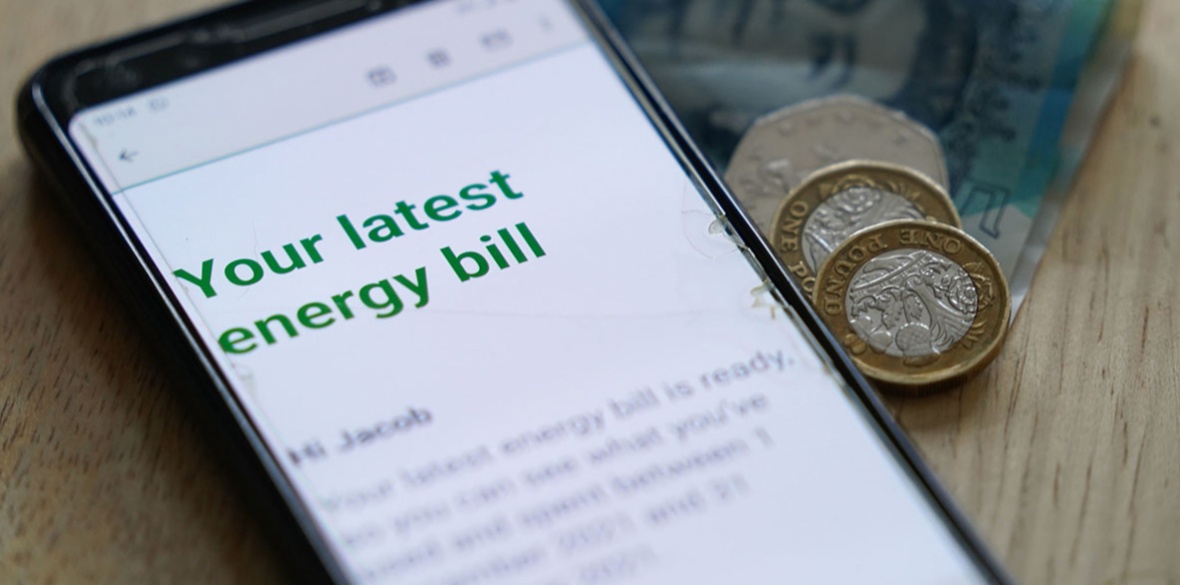
Households will be ‘hammered even harder’ in 2024 the Trades Union Congress (TUC) has said, as the Ofgem price cap rise came into effect from January 1, which will see households across the country face a 5% increase in their energy bill.
It has led to further warnings from charities about struggling households facing another cold start to the year and renewed calls for government support to help households struggling with their energy bills.
“No one should struggle to get by in one of the richest countries in the world,” said TUC General Secretary Paul Nowak.
“But 13 years of wage stagnation and cuts to social security have left millions badly exposed to sky-high bills this winter.”
With energy bills already 50% higher than two years ago, Nowak said the price cap rise will only “hammer households even harder in the coming year”.
…
Warm This Winter, a coalition of 50 leading UK charities, warned of the effects the government’s inaction at tackling the energy crisis will have across services.
“Failure to avert this cold homes crisis will lead to pressure on the NHS, a mental health catastrophe and additional winter deaths caused by living in cold damp homes,” said Fiona Waters, Warm This Winter spokesperson.
Government’s choice of energy regulator boss criticised as ‘putting the fox in charge of the hen house’
A former North Sea oil and gas boss has been lined up to chair Great Britain’s energy regulator, Ofgem, in a move criticised as “putting the fox in charge of the hen house”.
The government said Mark McAllister, who founded two oil and gas companies, Fairfield Energy and Acorn Oil & Gas, had “vital expertise” that would help him in the role.
The Lib Dems said it was not a suitable choice given McAllister’s history in the oil and gas industry at a time when companies have been criticised for making huge profits on the back of high energy prices. At the same time, households have been struggling with record gas and electricity bills over the last year, with the government providing about £40bn in support for consumers and businesses.
OFGEM’S new prepayment meter rules “fail to deal” with the energy debt mountain facing struggling households, campaigners have warned, as the watchdog revealed a new code of practice for suppliers today.
The body said that energy firms in England, Scotland and Wales had agreed to the code, which includes a ban on forcibly installing prepayment meters in the homes of people over the age of 85.
…
End Fuel Poverty Coalition coordinator Simon Francis also said the code does not go far enough, and that the voluntary aspect “undermines its objective.”
He said: “There are really vulnerable groups which have been omitted from its full protection and we have serious concerns about how it will be implemented, such as how people will prove their medical conditions without being humiliated by an energy firm health inspection.
“The plans also fail to deal with the elephant in the room — the growing household energy debt mountain.”
Exclusive: Energy regulator did nothing about mountain of complaints until British Gas prepayment scandal was revealed
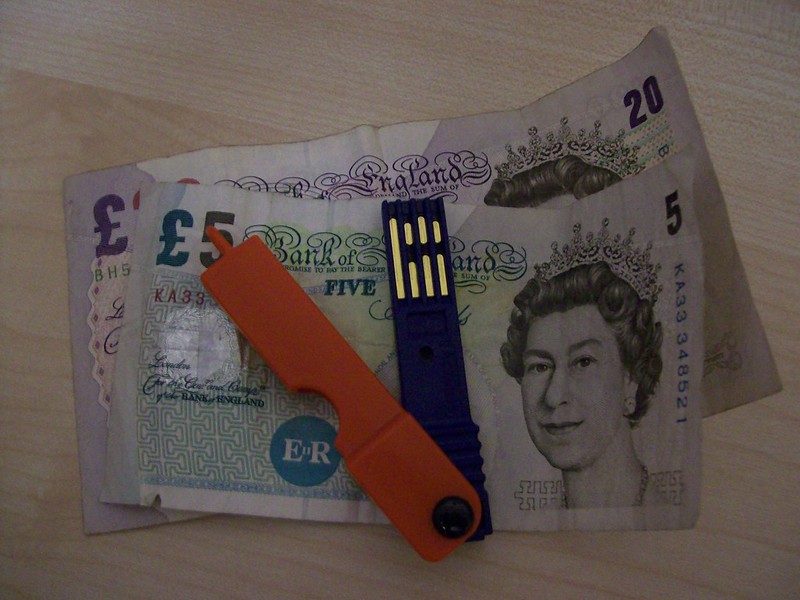
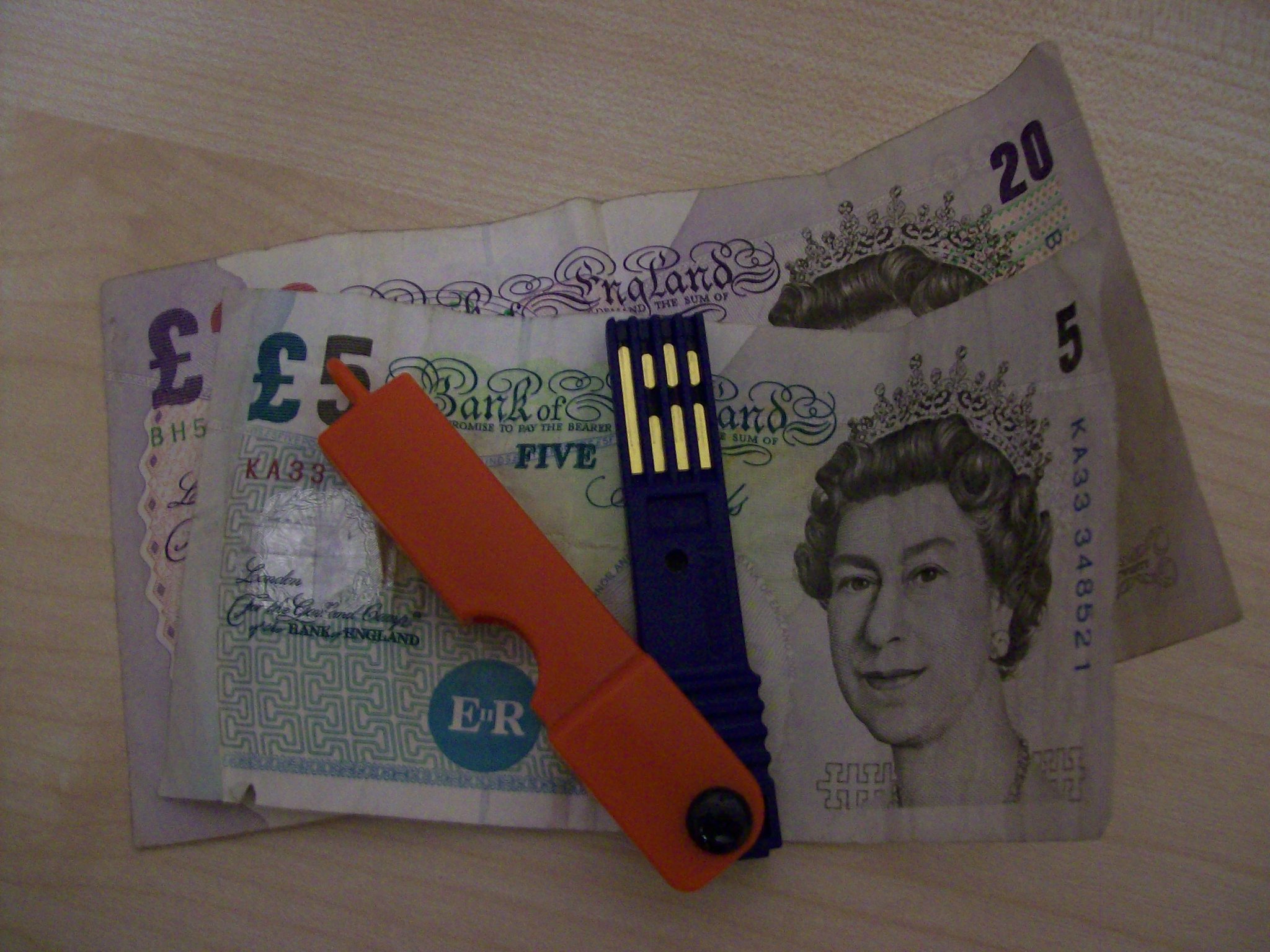
More than 30,000 complaints were about the disconnection and forced installation of prepayment meters. Image of banknotes and a prepayment meter key
Energy companies received more than 700,000 complaints about their treatment of debt-ridden customers over the last five years, openDemocracy can reveal.
In the last year alone, the energy regulator Ofgem was made aware of 40,000 complaints relating to the controversial forced fitting or disconnecting of pre-payment meters.
Yet the watchdog was only forced into action earlier this month when an undercover Times investigation found British Gas had sent bailiffs to break into vulnerable people’s homes and fit the meters by force. Following the expose, it suspended the practice until the end of March.
Centrica, the owner of British Gas, announced today that its profit had hit £3.3bn for 2022 – more than triple the £948m it made in 2021 – just weeks after the regulator launched an investigation into its use of bailiffs against at-risk customers.
Now, data obtained by openDemocracy through a Freedom of Information request has revealed for the first time the scale of alleged mistreatment of vulnerable customers since the energy price cap was first hiked in April.
“Ofgem has known about this crisis for years, and so have the companies themselves. Suppliers are not being honest when they act like they’ve just discovered it and they’re shocked, like the CEO of Centrica did,” Ruth London, co-founder of the Fuel Poverty Action campaign group, told openDemocracy.
Energy companies are required to report the number of complaints they receive from customers every month to Ofgem. Last year, they received 161,103 complaints related to disconnection and debt issues – of which 40,458 were about pre-payment meters – though Ofgem has consistently refused to tell us which suppliers received the most.
The category includes complaints from customers about their energy supply being disconnected or having a prepayment meter installed forcibly without a warrant or despite them being vulnerable.
Other examples of complaints include customers being disconnected by error or without due process and being put on debt repayment plans that are unsuitable or unaffordable.
The true number of people being ill-treated is likely to be much higher. Ofgem revealed at the beginning of February that customers were being left on hold for hours by energy companies, leading to more than half hanging up before they could report an issue.
Ofgem said revealing how many complaints different companies had received would breach Section 105 of the 2000 Utilities Act, which states that the public disclosure of information companies supply to the regulator is prohibited in order to protect national security. The law has previously been criticised for preventing whistleblowers from raising issues about the energy sector that are in the public interest.
The regulator said after the British Gas scandal broke that it was “unacceptable” to forcibly install prepayment meters before all other options had been exhausted.
But charities have criticised it for ignoring calls to end the practice for months.
“Lives have been and are being lost because of their silence and refusal to act on the truth they have long known,” said London.
Clare Moriarty, the chief executive of Citizens Advice, said it “should not have taken this long” for Ofgem to act.
The charity said it saw more people unable to afford to top up their pre-payment metre last year than for the entirety of the previous decade combined.
The Times reported that British Gas customers who had prepayment meters forcibly installed had included a woman in her 50s who the company’s bailiffs were told had severe mental health problems and a mother whose “daughter is disabled and has a hoist and electric wheelchair”.
The paper’s undercover investigation also alleged that the Arvato Financial Solutions employees were incentivised with bonuses to fit prepayment meters. The boss of British Gas owner Centrica apologised and said he was “disappointed, livid and gutted”.
Peter Smith, policy director at the charity National Energy Action, said: “The recent announcement by major suppliers that they would temporarily pause forced installations of pre-payment meters is welcome, but this was prompted by public shaming of suppliers and there is still no market-wide ban.
“We also desperately need a coherent plan to help millions of people already trapped on prepayment meters. This means rewiring the energy market to provide more affordable tariffs and finding new ways to address the underlying debt issues which are rife due to soaring energy costs.”
Richard Lane, Director of External Affairs at StepChange Debt Charity, said: “We welcome Ofgem’s move to suspend the forced installation of prepayment meters (PPMs), but it’s clear that thousands of households have been struggling with energy bills for some time now, which is evident in our own client data.
“For the people that have already been moved onto PPMs, there must be better protection to prevent self-disconnection and extreme energy rationing.”
Updated, 16 February 2023:This story has been amended to include fresh data obtained through freedom of information law on the number of complaints notified to Ofgem between 2018 and 2022. Previously, it just contained data for 10 months of 2022.