Shortsighted Business-as-Usual Is Crushing Nature, Warns Landmark Report
Original article by Jon Queally republished from Common Dreams under Creative Commons (CC BY-NC-ND 3.0).
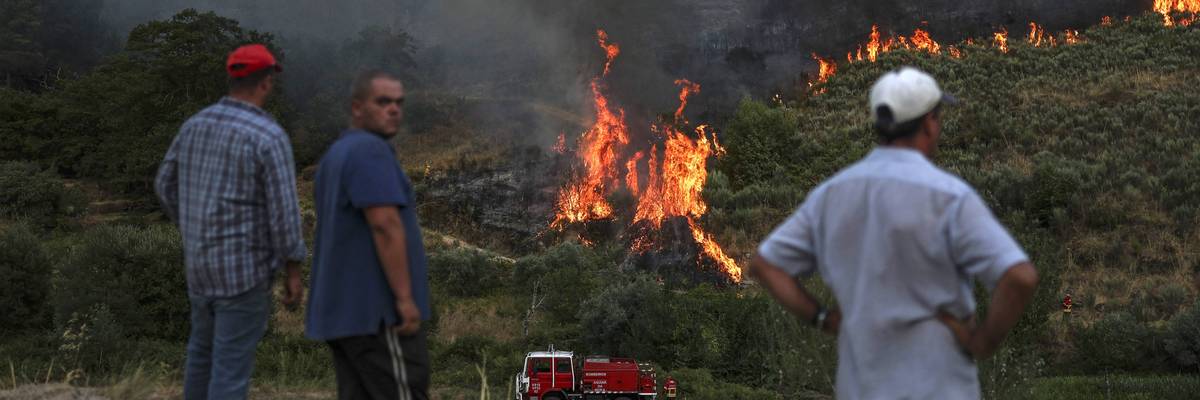
“The growth of the global economy has been at the cost of immense biodiversity loss, which now poses a critical and pervasive systemic risk to the economy, financial stability and human wellbeing.”
A new report confirms that unchained economic growth driven by corporations seeking profits with too little concern for downside harm is having devastating impacts on biodiversity and natural systems across the planet while also undermining the health of the global economy in the long run.
The landmark new report published Monday by the Intergovernmental Platform on Biodiversity and Ecosystem Services (IPBES) was backed by over 150 nations after three years of research and analyses by 79 leading experts from 35 countries across all regions of the world.
RECOMMENDED…
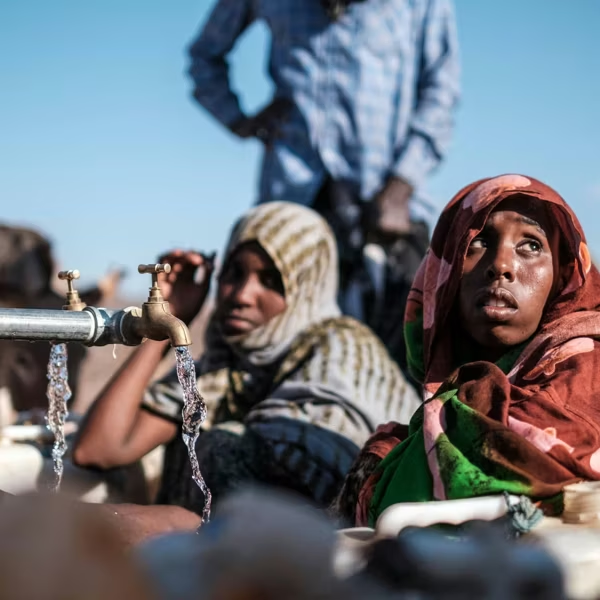
UN Warns ‘Era of Global Water Bankruptcy’ Is Here—But It’s Not Too Late to Act
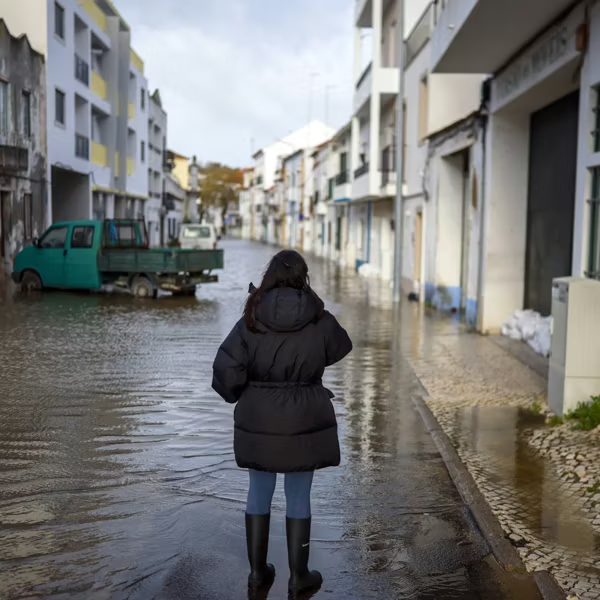
Scientists Warn ‘Garbage’ Models Underestimate Risk of Economic Collapse From Climate Crisis
What the research found is that “the current conditions in which businesses operate are not always compatible with achieving a just and sustainable future, and that these conditions also perpetuate systemic risks” with far-reaching implications.
“The growth of the global economy has been at the cost of immense biodiversity loss, which now poses a critical and pervasive systemic risk to the economy, financial stability and human wellbeing,” warned the IPBES in a statement.
“We must place true value on the environment and go beyond gross domestic product as a measure of human progress and wellbeing. Let us not forget that when we destroy a forest, we are creating GDP. When we overfish, we are creating GDP.” —António Guterres, UN Secretary-General
With natural resources “being depleted and degraded faster now than any period in human history,” the report is designed to warn humanity, equip policymakers with knowledge, and provide solutions that could mitigate the crisis of biodiversity loss.
The report notes that “unsustainable economic activity and a focus on growth as measured by the gross domestic product, has been a driver of the decline of biodiversity… and stands in the way of transformative change.”
According to Alexander De Croo, an administrator with the United Nations Development Programme (UNDP), an IPBES partner organization, “Businesses are inseparable from the ecosystems they operate in: they both depend on them and profoundly impact them. As significant drivers of today’s planetary crises, businesses have contributed to climate change, biodiversity loss and cultural erosion.”
At the same time, he added, these companies “have a critical role to play in advancing more sustainable solutions, a role already reflected in a growing number of initiatives.” The real problem, the report finds, is how intractable the business-as-usual approach has been, with corporations resistant to changing their operations to put them more in line with nature and too little pressure coming from governments to force through more sustainable practices.
According to the report:
Current conditions perpetuate business-as-usual and do not support the transformative change necessary to halt and reverse biodiversity loss. For example, large subsidies that drive losses of biodiversity are directed to business activities with the support of lobbying by businesses and trade associations. In 2023, global public and private finance flows with directly negative impacts on nature, were estimated at $7.3 trillion, of which private finance accounted for $4.9 trillion, with public spending on environmentally harmful subsidies of about $2.4 trillion.
In contrast, $220 billion in public and private finance flows were directed in 2023 to activities contributing to the conservation and restoration of biodiversity, representing just 3% of the public funds and incentives that encourage harmful business behaviour or prevent behaviour beneficial to biodiversity.
“The loss of biodiversity is among the most serious threats to business,” said Prof. Stephen Polasky, co-chair of the assessment. “Yet the twisted reality is that it often seems more profitable to businesses to degrade biodiversity than to protect it. Business as usual may once have seemed profitable in the short term, but impacts across multiple businesses can have cumulative effects, aggregating to global impacts, which can cross ecological tipping points.”
But Polasky goes on to say that the report “shows that business as usual is not inevitable,” and that with better policies, “as well as financial and cultural shifts, what is good for nature is also what is best for profitability.”
The IPBES assessment arrived alongside fresh warnings about the disastrous results that have stemmed from obsessive allegiance to gross domestic product (GDP) as the key economic indicator by governments and businesses worldwide.
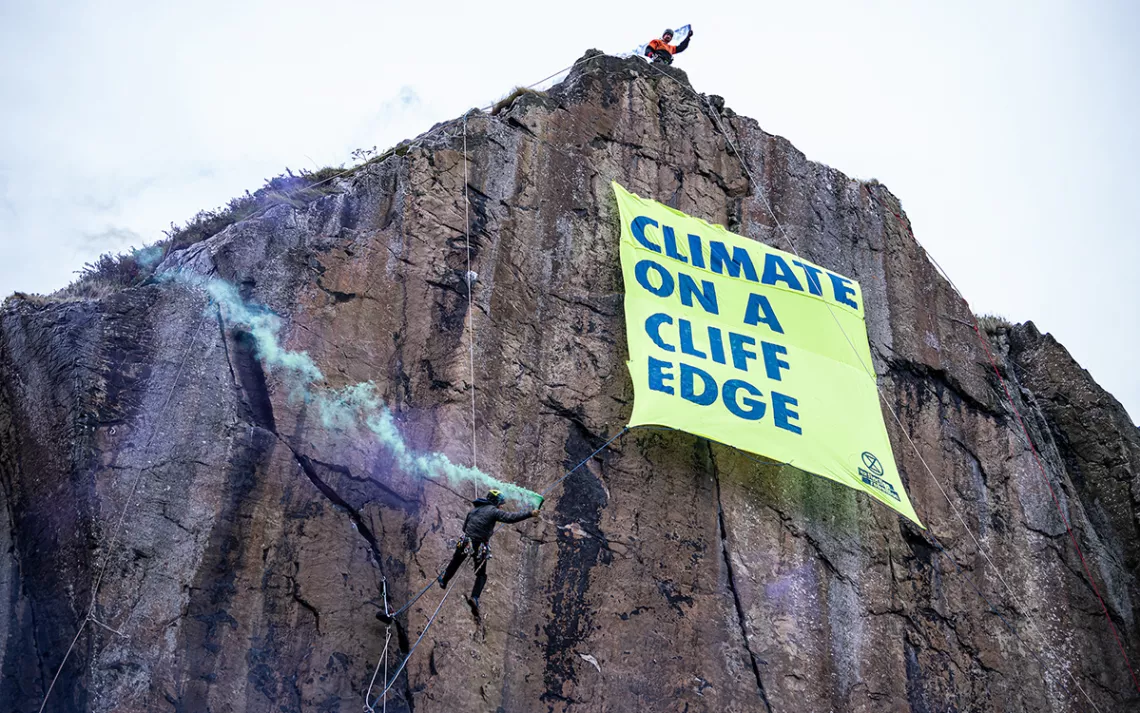
In an interview with the Guardian on Monday, UN secretary general António Guterres suggested that the obsession with GDP was driving humanity toward a cliff.
“We must place true value on the environment and go beyond gross domestic product as a measure of human progress and wellbeing,” Guterres said. “Let us not forget that when we destroy a forest, we are creating GDP. When we overfish, we are creating GDP.”
Original article by Jon Queally republished from Common Dreams under Creative Commons (CC BY-NC-ND 3.0).


- Landmark UN Report to Show ‘Transformational Change’ Urgently Needed to Save Humanity and Natural World From Nightmarish Future ›
- UN Head Decries ‘Senseless and Suicidal’ Destruction of Nature as New Report Urges Systemic Solutions ›
- New Report Finds Economic Benefits of Protecting 30% of Planet’s Land and Ocean Outweigh the Costs 5-to-1 ›
- Actuaries and Scientists Warn Climate Shocks Risk ‘Planetary Insolvency’ ›
