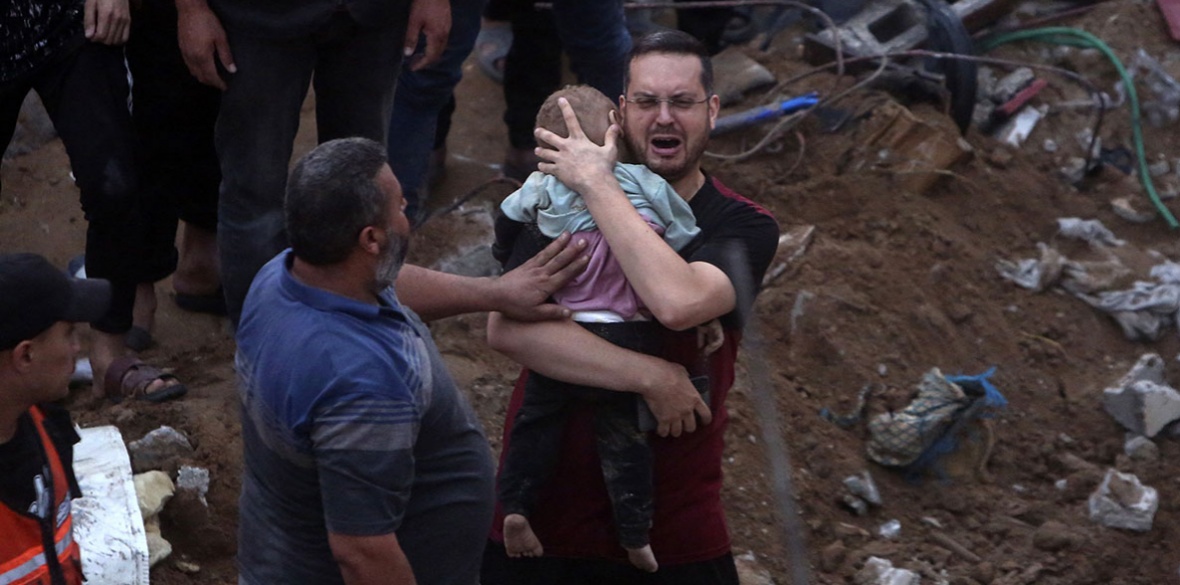
A Palestinian man cries while holding a dead child who was found under the rubble of a destroyed building following Israeli air strikes in Nusseirat refugee camp, central Gaza Strip on October 31, 2023
600 legal experts warn Sunak of Britain’s complicity in Gaza bloodshed
MINISTERS involved in arms exports to Israel could be criminally liable for war crimes, legal experts warned today.
More than 600 lawyers, including three former Supreme Court justices, have signed a letter telling Prime Minister Rishi Sunak that Britain risks breaching international law by continuing to arm Israel in its assault on Gaza.
It said that the International Court of Justice’s conclusion that there is a “plausible risk of genocide” oblige Britain to suspend the sales.
They called on the government to immediately halt arms exports given the clear risk that they might be used to commit serious violations “in breach of the UK’s domestic Strategic Export Licensing Criteria […] including its obligations under the Arms Trade Treaty.”
The letter said: “We recall that UK nationals responsible for aiding and abetting international crimes, as well as those committing them as primary perpetrators, are liable for prosecution in the UK pursuant to the Geneva Conventions Act 1957 and the International Criminal Court Act 2001.”
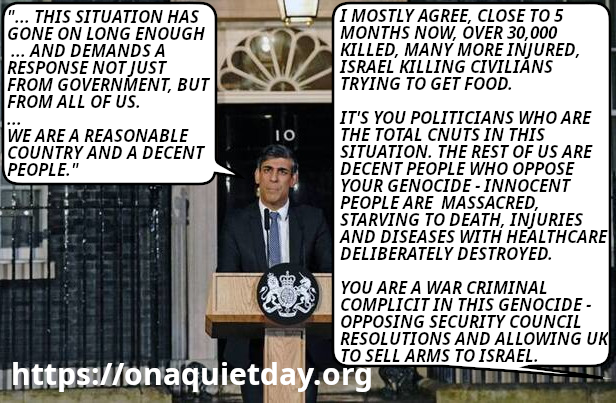
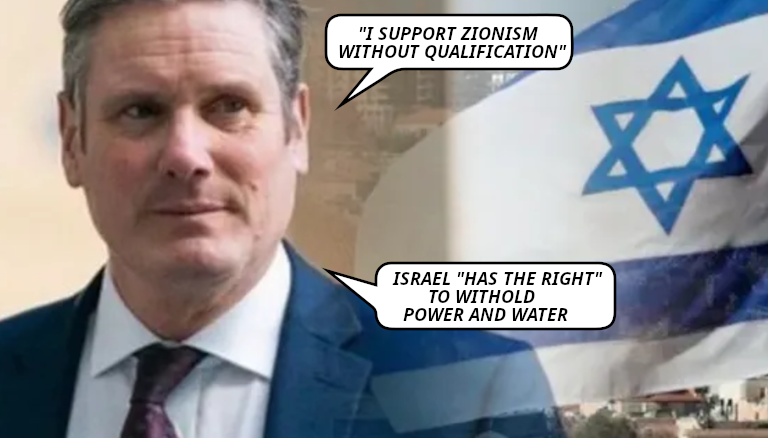
Response to Rishi Sunak’s extremism speech at Downing Street 1 March 2024. Second version of this image with text slightly altered.Zionist Keir Starmer supports Israel’s Gaza genocide.
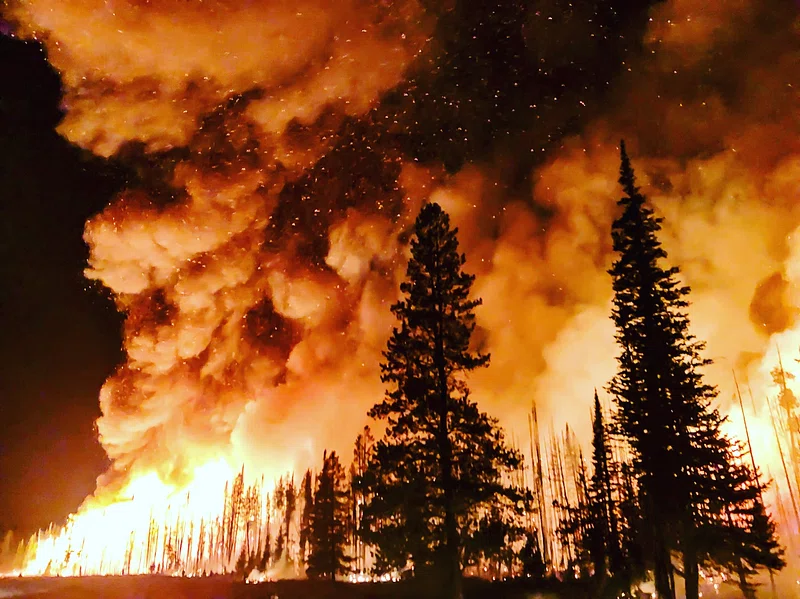
Wildfires, also commonly called forest fires or bushfires, are unplanned and uncontrolled fires burning in a vegetated landscape, such as a forest or grasslands. Many wildfires are sparked by human activity, such as campfires, or natural causes, like lightning. Dry conditions and prolonged droughts, which are becoming more frequent with climate change, exacerbate the risks of wildfires. Droughts, high winds, and other extreme weather are also making wildfires more common and more powerful, with larger blazes that burn for longer and expand across more land.
From 1998 to 2017, over 2,400 human deaths were attributed to both wildfires and volcanoes. Even when people can evacuate an affected area, they may lose their homes or businesses to the fires. Wildfires can also kill wildlife in the habitats that catch fire. Further, wildfires feed back into a loop, worsening climate change by releasing more carbon dioxide and fine particulate matter into the air.
…
Climate change brings increasing temperatures and drier conditions that can fuel wildfires around the world. Researchers expect significant increases in wildfire risks in the U.S., South America, central Asia, southern Europe, southern Africa and Australia from 2070 to 2100. [Don’t we already have that?]
Even in the UK, typically considered a colder locale, experts are telling citizens to expect more wildfires in the near future as extreme heatwaves grip the nation.
The expected increase in wildfires will bring with it more emissions and more forest loss, according to a recent study. As fire seasons become longer and more severe, forest loss due to wildfires is steadily increasing, with the highest losses occurring in boreal forests, which span Canada, China, Finland, Japan, Norway, Russia, Sweden and the U.S.
Wildfires are worsening in many countries globally, including the U.S., and are expected to become more of an issue in places they weren’t previously, like in the UK. Australia is particularly vulnerable to increasing blazes, as are regions of boreal forests.
As a part of nature, wildfires do play an essential part in promoting biodiversity, but only when they occur at a natural rate. Human activity and climate change are spurring more intense and more frequent fires that contribute more emissions, feeding into a loop that worsens climate change.
Air pollutants from wildfires worsen air quality, putting the health of wildlife and humans at risk and costing countries billions of dollars per year to contain the blazes and pay for damages. Wildfires can also kill off vulnerable wildlife, as is the case for endangered koalas in Australia that recently lost tens of thousands from the already low population, and injure and/or displace thousands more animals.
Ultimately, the goal is not to end wildfires. They are an essential part of many ecosystems, but the fact that they are getting bigger and are happening more frequently does more harm than good. Thankfully, it’s not too late to minimize the number of wildfires.
We can reduce the number of human-made wildfires by staying aware of ongoing weather conditions. When conditions are dry, hot, and windy, avoid any activities that could create a spark or spread smoke and flames. Even driving your car or mowing the lawn can start a fire, so be mindful during high fire risk conditions.
Human-caused or not, wildfires can be destructive. If you live in an area prone to fires, make sure you have a safety plan in place, with supplies ready to go if you need to evacuate or are left without power for long periods of time.
Wildfires are another part of our world, and they are only expected to worsen as the world grows hotter. While we can mitigate personal risks, working collectively with governments and corporations to slow climate change is the best way to minimize wildfire risks worldwide.
“It is morally reprehensible for companies to continue expanding exploration and production of carbon fuels in the face of knowledge now for decades that their products are harmful,” said Richard Heede, who established the Carbon Majors dataset.
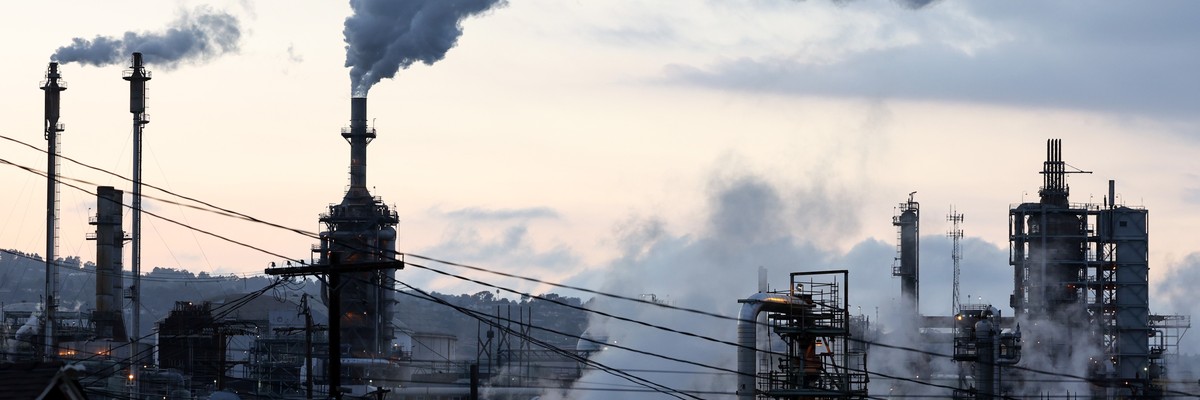
A report released by Carbon Majors on Thursday says that 57 companies were responsible for 80% of the world’s CO2 emissions from fossil fuel and cement production between 2016 to 2022.
Saudi Aramco, Russia’s state-owned energy company Gazprom, and state-owned producer Coal India were at the top of the list. Carbon Majors has been keeping track of which companies are contributing the most to the climate crisis since 2013.
“The Carbon Majors research shows us exactly who is responsible for the lethal heat, extreme weather, and air pollution that is threatening lives and wreaking havoc on our oceans and forests,” Tzeporah Berman, international program director at Stand.earth and chair at Fossil Fuel Non-Proliferation Treaty, said in a statement. “These companies have made billions of dollars in profits while denying the problem and delaying and obstructing climate policy.”
📢 @InfluenceMap's latest report using #CarbonMajors database found 57 fossil fuel and cement producers linked to 80% of global fossil CO2 emissions since the #ParisAgreement
The report states that nation-state producers account for 38% of CO2 emissions in the database. That’s the highest percentage of any of the types of companies listed in the database.
“The Carbon Majors database finds that most state- and investor-owned companies have expanded their production operations since the Paris agreement. Fifty-eight out of the 100 companies were linked to higher emissions in the seven years after the Paris agreement than in the same period before,” the report reads.
In terms of investor-owned companies, Chevron, ExxonMobil, and BP contributed the most to CO2 emissions. ExxonMobil alone was responsible for 3.6 gigatons of CO2 emissions over a seven-year period.
“It is morally reprehensible for companies to continue expanding exploration and production of carbon fuels in the face of knowledge now for decades that their products are harmful,” said Richard Heede, who established the Carbon Majors dataset, told The Guardian. “Don’t blame consumers who have been forced to be reliant on oil and gas due to government capture by oil and gas companies.”
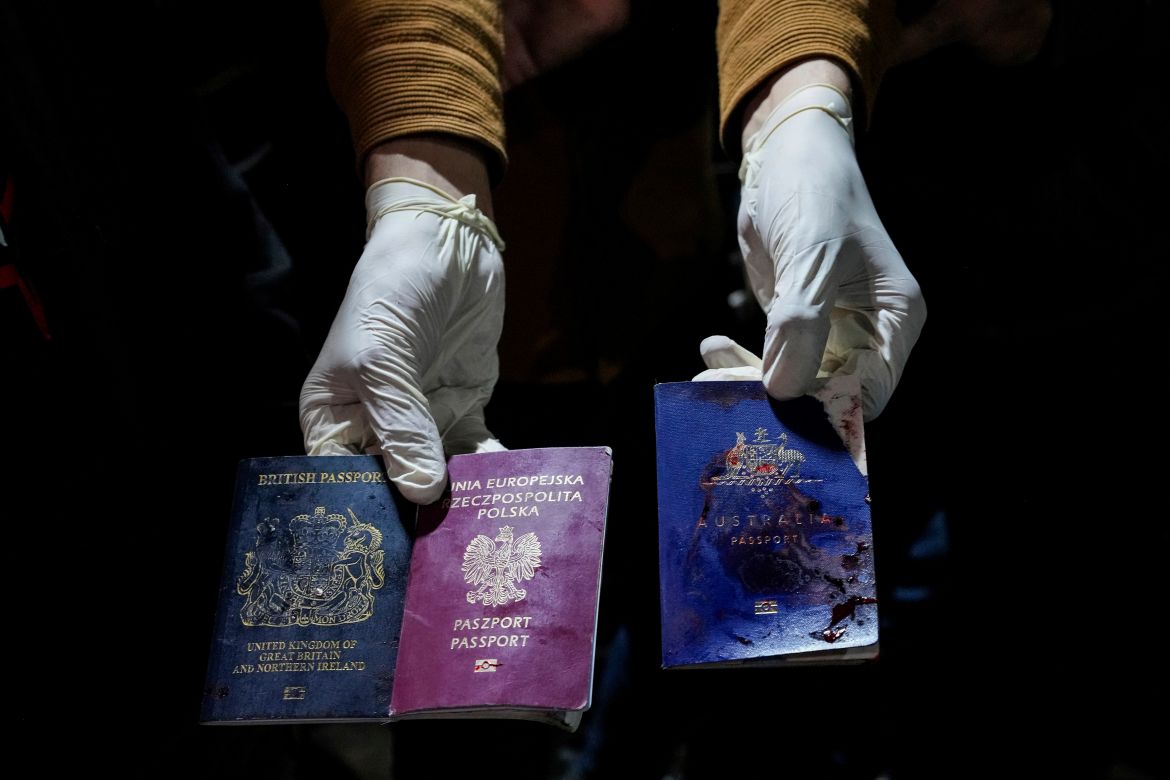
A man displays blood-stained British, Polish, and Australian passports. [Abdel Kareem Hana/AP Photo]
In the wake of the attack on the World Central Kitchen convoy, which killed seven aid workers, the Green Party have repeated their call for the UK government to cancel all arms export licences to Israel. The Party’s Global Solidarity spokesperson and former Middle East diplomat, Carne Ross, said
“The death of compassionate humanitarian volunteers was an outrageous and avoidable tragedy. The cynical attempts by the Netanyahu government to portray the attack on World Central Kitchen (WCK) as an accident have been dismissed by those agencies trying to feed the starving in Gaza. Under international humanitarian law, this humanitarian aid is the responsibility of the Israeli government, yet they are keeping routes closed and not ensuring that those emergency routes operated by aid agencies are safe.
“It is clear that the Israeli government is violating the terms of the licences under which arms are exported and is failing to abide by basic international humanitarian law. It is a national shame that we are arming the Israel defence forces who are responsible for the deaths of tens of thousands of innocent Palestinians. It appears that the deadly Israeli strike on the aid workers used a drone produced in the UK. This only strengthens the case for an immediate arms embargo.
“It is hugely disappointing, but sadly predictable, to hear calls to end arms exports coming only after Western lives have been lost. It comes too late for the thousands of Palestinian children slaughtered by western supplied bombs and bullets.
“Foreign Secretary Cameron can show global leadership during his talks with NATO leaders today by first ending UK arms sales and then persuading other NATO countries to follow suit. We cannot allow the humanitarian calamity in Gaza to continue a day longer.”
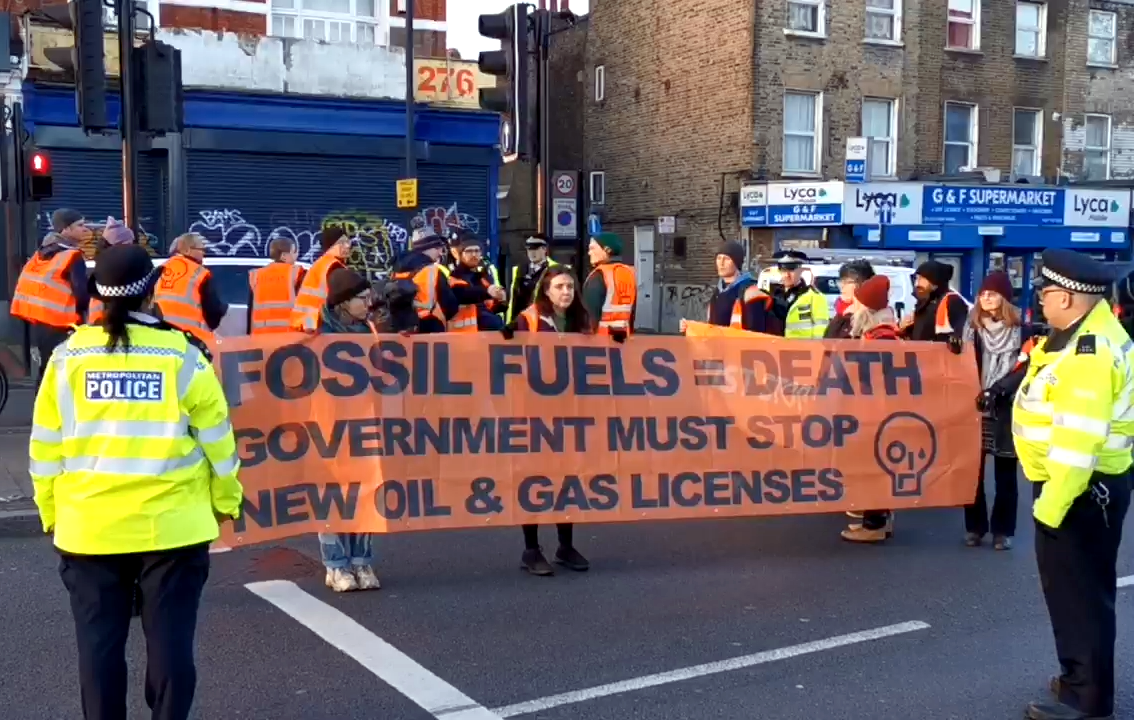
Just Stop Oil protesting in London 6 December 2022. Roger Hallam was instrumental is founding Just Stop Oil.
I am very pleased to announce an audio podcast featuring renowned climate activist Roger Hallam and myself on 1 May 2024 at 7pm BST (GMT +1).
The podcast is titled ‘Talking about a Revolution’ and to include addressing the following themes: What is a revolution – historically and in the 21st century?, that revolution means exiting the system and being in resistance to it, why that is necessary as we face social/eco collapse and concrete pathways to action at the present moment.
I have research to do as preparation. Roger has many videos on youtube, I’m finding many of them long and long-winded. The podcast is likely to last at least 30 minutes. Roger has a reputation for sometimes being abrasive and I have been known to call a cnut a cnut so it is probably wise to accept that there may be some profanities. Further audio podcasts may follow.