Sir Keir Starmer’s plans risk creating lasting inequality – and alienating the very voters who once believed his party stood for their protection
…
The upshot is that existing claimants would be protected, but future ones face tougher rules. Two people with identical conditions could receive support, according to the Institute for Fiscal Studies, that differs by up to £6,560 a year – purely due to timing. This, we’re told, is compassion. The savings – halved to £2.5bn a year – come by offloading the cost on to future claimants. MPs rightly fear this locks in a two-tier system that is deliberately harsher on disabled people.
Older Labour MPs will remember denouncing this very playbook. A decade ago, Iain Duncan Smith pioneered a slow, procedural tightening of welfare – hitting new claimants first, then reassessing the rest – precisely to defuse resistance. Labour opposed it then. Today, it is governing by the same method. It feels out of step with a post-pandemic Britain grappling with a cost of living crisis.
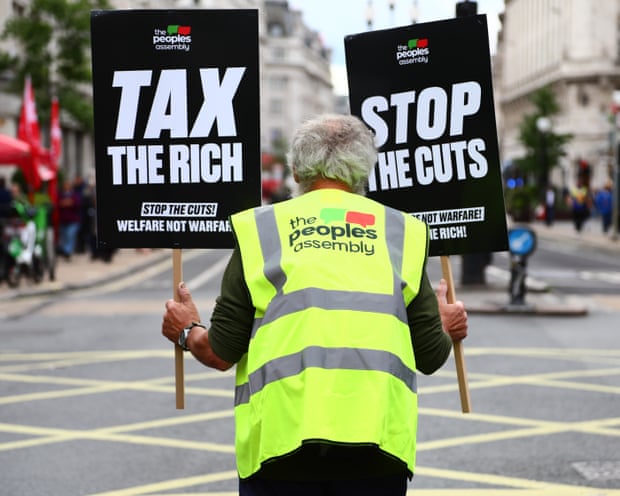
Many Labour MPs believe these are still the wrong reforms and will vote against the bill when it comes back to the House of Commons next week. Clearly, tightened eligibility and a two-tier system may exclude many who need support. If the government wants to raise money, it might ask a little more of those with the broadest shoulders – not those with mobility aids, care plans and the audacity to ask for a fair deal. If ministers truly believe they are acting decently, they should publish the impact assessment and be honest about the consequences.
…
