Richard Machin, Nottingham Trent University
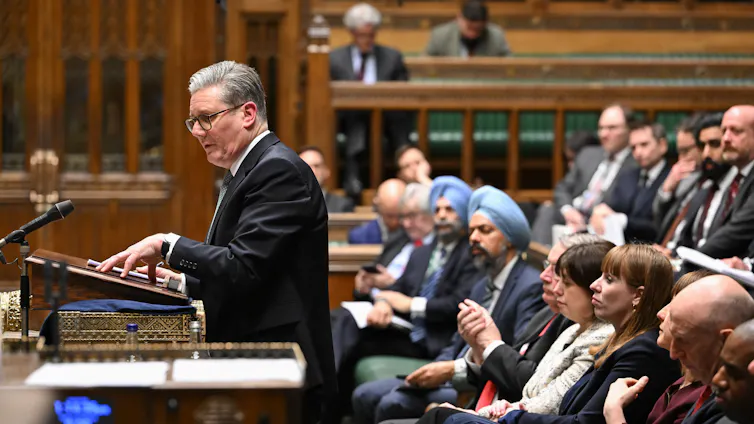
The government’s landmark bill on welfare reform passed by 335 to 260 votes on Tuesday evening, after staving off a major rebellion from Labour MPs. To win over backbench MPs who had opposed the bill, the government made a series of concessions, including a last-minute compromise agreeing that any changes to personal independence payment (Pip) will not be introduced until the outcome of a review.
In March, the government introduced the universal credit and personal independence bill. The aim was to create a sustainable welfare system in response to changing demographics and population health.
In recent years, the UK has seen an increase in people claiming benefits for long-term health conditions, with one in ten people of working age claiming a sickness or disability benefit. Welfare expenditure has increased, and is projected to be £70 billion a year by the end of the parliament.
Recalibrating the welfare system is not an easy task. The government has said reform is needed to support those with highest needs and assist more people into work. However, critics of the bill, raised concerns that it would result in an overly restrictive disability benefits system and push more people into poverty.
Here’s what’s the bill initially proposed and what was changed ahead of the vote.
Get your news from actual experts, straight to your inbox. Sign up to our daily newsletter to receive all The Conversation UK’s latest coverage of news and research, from politics and business to the arts and sciences.
Personal independence payment
The bill initially proposed significant changes to personal independence payments (Pip) from November 2026. Pip is a working-age benefit to help people with the costs associated with a long-term health condition or disability. It has two elements, a daily living component and a mobility component.
A points-based system is used to assess eligibility for Pip. Currently, to qualify for the daily living component a claimant must have limited ability in relation to a range of ten activities. These include washing and bathing, dressing and undressing, eating and drinking and managing medication or therapy.
Eight to 11 points leads to qualification for the standard rate and over 12 points for the enhanced rate. On the current system, a claimant can score one or two points across a range of activities, it doesn’t matter how the points are made up.
In March, the government announced that from November 2026, claimants will need to score at least four points on at least one of the ten activities to qualify. The amount of points available ranges from zero to 12, depending on the activity.
Critics argued that this places the bar at too high a level, making it more difficult for people whose health problems are spread across a range of activities, rather than meeting the criteria in one.

Concerns were raised that this change could disproportionately affect people with mental health problems. Research shows that previous changes to Pip have caused uncertainty and anxiety for many people with mental health problems.
Typically if the help required relates to being reminded or encouraged to compete a task, only two points are awarded. This can be a common way for people with mental health problems to qualify for Pip, including those with severe conditions such as bipolar disorder. It is estimated that between 800,000 and 1.2 million people would have lost entitlement to Pip under the four-point proposal.
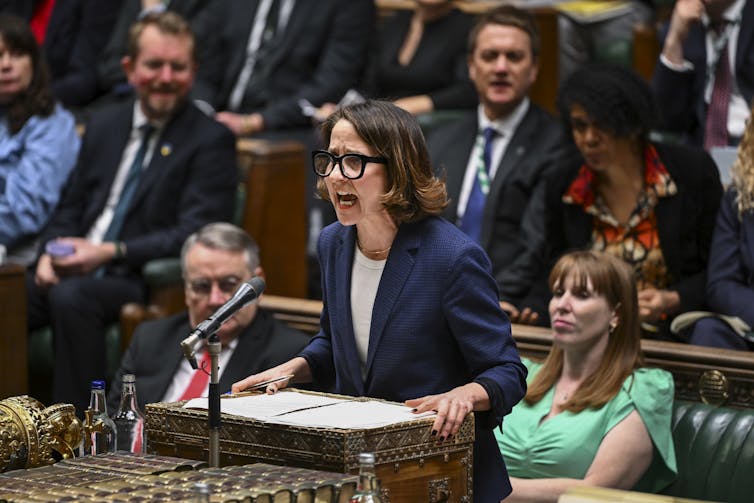
After it became clear that dozens of Labour MPs planned to vote against the bill, the work and pensions secretary, Liz Kendall, announced a concession on the Pip proposals. First, that four-point rule should only apply to new claimants, with people already in receipt of Pip remaining within the current rules. Second, there will be a review of the Pip assessment led by Stephen Timms, the minister for social security and disability, alongside people with disabilities and representative organisations.
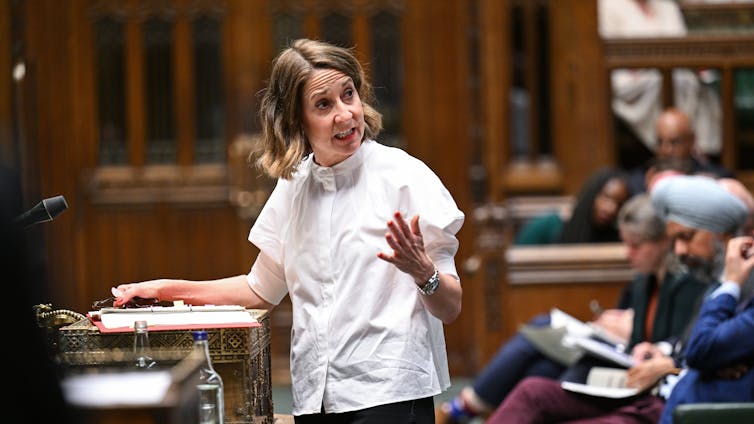
But for some MPs and campaigners, this raised the spectre of a two-tier system which protects existing claimants but not future ones. Two hours before the Commons vote, Timms announced that no changes would be made to Pip eligibility before the review. The bill passed without any changes to Pip.
Universal credit
What remains in the bill are changes to universal credit, the UK’s main means-tested benefit, primarily for claimants who are unfit for work.
Over 3 million claimants (out of a total of over 7 million) are not required to look for work as a result of a health condition. They receive an additional health-related payment of more than £400 per month. The bill reduces the health element for new claims from £97 to £50 per week from April 2026 and restricts payment to claimants over the age of 22.
Under original proposals, the higher health-related rate was to be frozen for existing claimants. This will now be increased every year for the rest of the parliament, at least in line with inflation.
A £1 billion back-to-work support package, originally scheduled to be introduced in 2029, will be accelerated.
The Department for Work and Pensions estimates that 730,000 future universal credit claimants will lose an average of £3000 per year compared to current claimants.
What happens next?
The government’s original plans were estimated to save £5 billion a year by 2030. Last weeks’ concessions would cost £3 billion. The last-minute compromises mean that there will be virtually no medium-term savings.
Labour minister Pat McFadden has ruled out raising income tax, VAT or national insurance, but questions remain on how these concessions will be paid for.
The government technically won the vote on welfare reform, but was unable to push through its most significant reforms. The debate over the future of the welfare system will continue (and probably intensify) as the Timms review begins.
Richard Machin, Associate professor (Social Policy), Nottingham Trent University
This article is republished from The Conversation under a Creative Commons license. Read the original article.


 Keir Starmer