Insulate Britain’s ‘show trials’ expose state efforts to silence activists
Spread the love
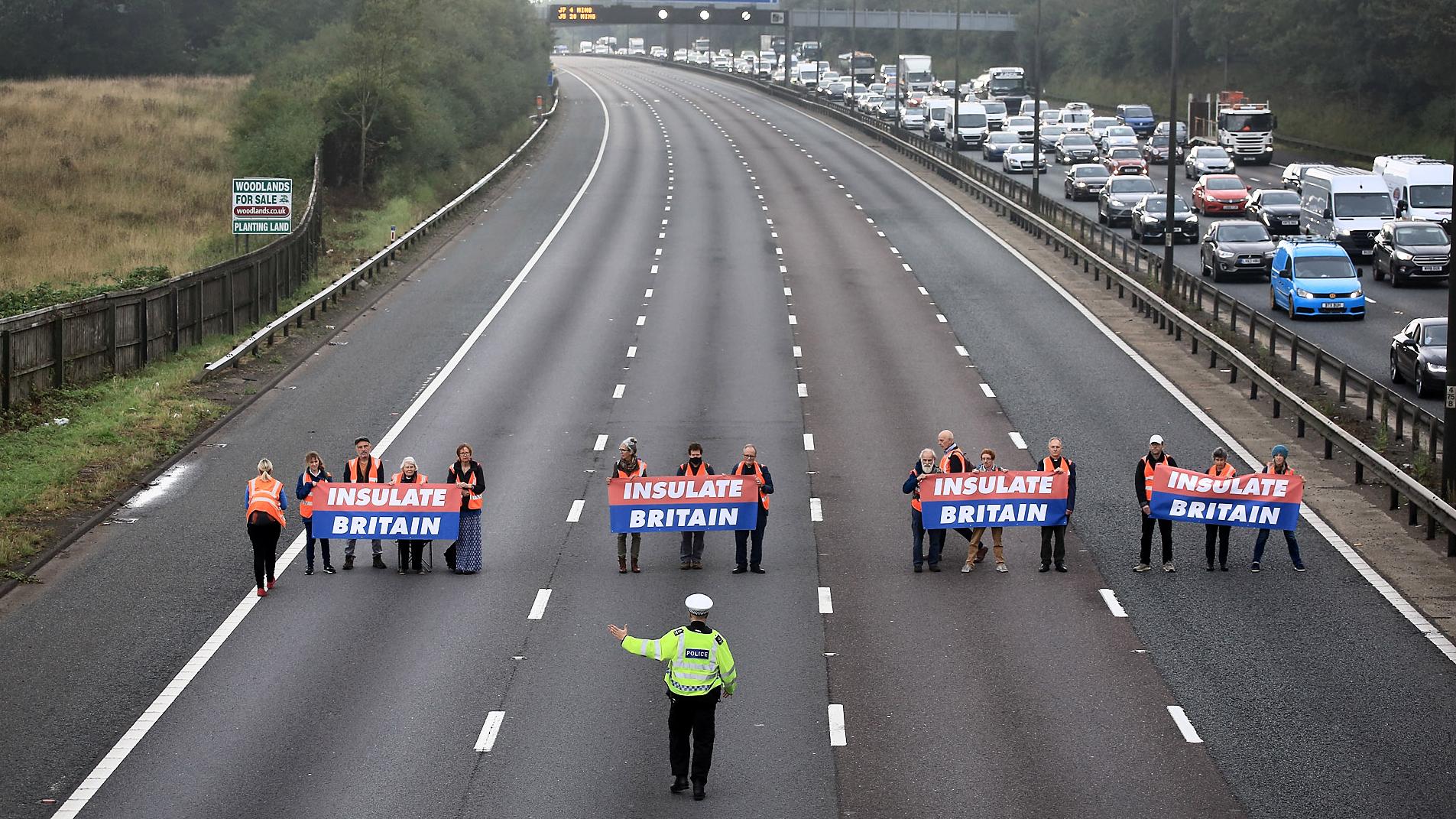
Insulate Britain M25 roadblock September 2021. Image: Insulate Britain.

Original article by Rob Stuart republished from openDemocracy under Creative Commons Attribution-NonCommercial 4.0 International licence.
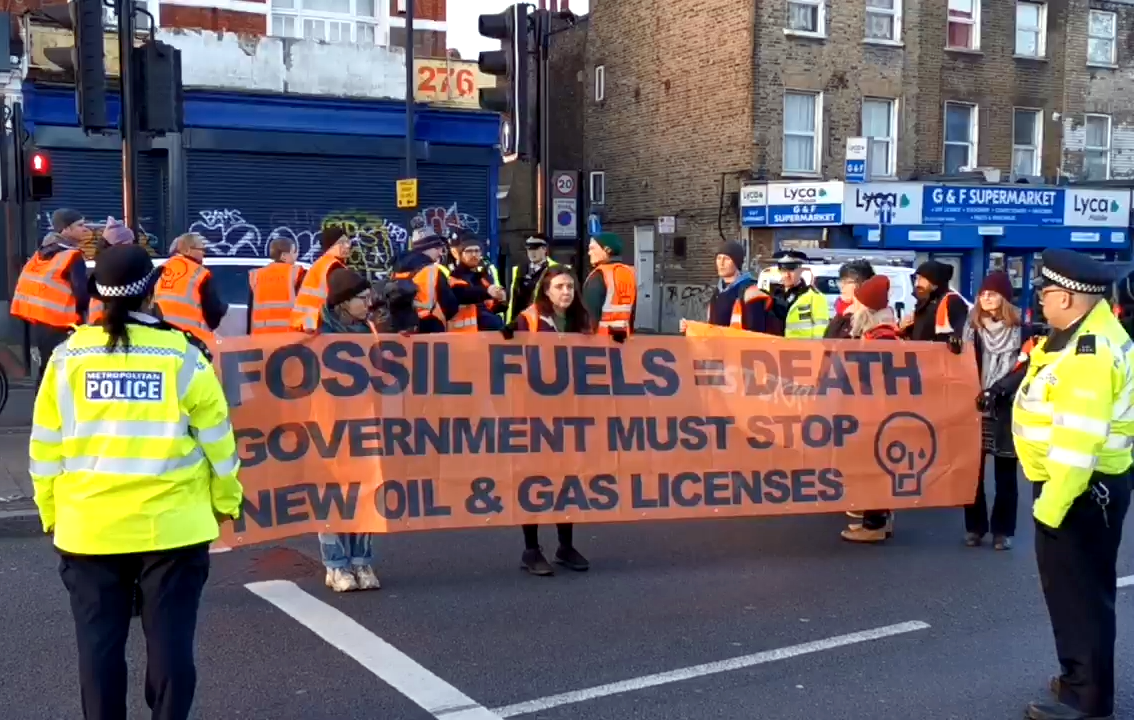
OPINION: An activist is in jail for mentioning the climate crisis in court. Our judicial system is enabling the state

This week we were delivered the strongest evidence yet that the court cases of Insulate Britain members are little more than show trials – in which the defendant’s guilt has already been determined.

David Nixon, a fellow Insulate Britain supporter, was handed an eight-week sentence for merely mentioning the climate crisis during his trial for participating in a roadblock in 2021.

Judge Silas Reid had ordered Nixon to avoid talking about the climate and ecological emergency. He said, “This is not a trial about climate change, fuel poverty, etc. Matters relating to that are not relevant.”

Nixon disagreed, and used his closing speech to tell jurors: “We are on a highway to climate hell with our foot on the accelerator. That is why we sat in the road, to tell the truth about the direction we are heading in and prompt action before it’s too late.”

That this was enough to warrant his imprisonment is absurd – and raises serious questions about this country’s judicial system.

A life-changing experience

In October 2021, I also took action with Insulate Britain. We brought large sections of the M25 and other major roads to a standstill in order to raise awareness of fuel poverty and the climate and ecological emergency.

I now have three separate charges relating to these actions. I am due to stand trial in May, June and one last time in November. By then, two full years will have passed since I sat down in the road in defence of people and planet.

As a first time defendant, this has been a life-changing experience. I had never been in trouble with the law before 2019, and I acknowledge now that I have lived a relatively privileged life in that regard. As a white, middle-class man, I regret not recognising sooner the suffering of others less fortunate than me at the hands of the state.

My faith in the legal and judicial system of this country has been severely shaken. I have felt harassed and persecuted by the state as both my reputation and my livelihood have been unduly threatened. My name and address has been published online by the authorities, endangering not only myself but my family as well. Of course, my mental health has suffered.

Those who advocate for change now face even greater challenges than ever before as they risk prosecution under the draconian Police, Crime, Sentencing and Courts Act. As if that were not enough, the regime is now trying to push through its equally notorious Public Order Bill, which will give police officers even more power to crack down on protests.

If jurors can’t hear why a ‘crime’ was committed, are they there just to rubber-stamp the state’s decision?

Though neither bill had come into law at the time of my arrest, I could have reasonably expected a statutory charge of wilful obstruction under the Highways Act or an injunction under the Anti-social Behaviour Act. But neither was invoked against me.

Instead, the prosecution chose to break with legal tradition by pursuing the archaic common law offence of causing a public nuisance. This is worrying – if a charge is not defined in statute, there are no prosecution guidelines to follow.

The decision had abhorrent consequences. According to the judiciary, public nuisance is interested only in the consequences of an action, i.e. whether we supporters of Insulate Britain had caused a nuisance to the public. There is no consideration at all of the circumstances of the action, i.e. our motivations for doing what we did.

Insulate Britain supporters are not arguing that we did not cause any inconvenience or disruption to the public – that would be completely disingenuous. We are arguing that we did what we believed was necessary to sound the alarm on fuel poverty and the climate and ecological emergency. We hoped the UK government would heed our demands.

Let us be clear, it is not a lack of popular demand or technological solutions that keeps rich nations such as the UK from addressing the climate and ecological emergency. We could solve this problem if there was the political will to do so.

By denying the circumstances of our actions, I believe Judge Reid and his associates knew that we defendants would not be able to defend ourselves. We cannot minimise our actions (and neither would we want to) and yet we cannot explain ourselves either, without risking contempt of court. The scales of justice seem distinctly one-sided.

If the diverse range of legal and moral arguments in an (alleged) crime of conscience cannot be presented in front of a jury, one must ask what purpose a jury serves. Are jurors there simply to rubber stamp a guilty verdict that has already been decided since before the defendant’s arrest?

A lack of transparency

Last week another Insulate Britain supporter, Stephanie Aylett, narrowly avoided a custodial sentence after also being charged with contempt. Afterwards, she said: “It horrified me that Judge Reid deliberately stripped away all our legal defences and told us that we would be in contempt of court if we spoke about our motivations, strategy or aims.”

Aylett continued: “He prevented us from mentioning climate change or talking about any scientific evidence. It is incredibly difficult to explain the actions we took without being allowed to mention why we did such a bizarre thing.”

I am concerned about a lack of transparency over who had the authority to determine that we would be charged with public nuisance and what process, if any, was followed in reaching this decision.

The government appears to be investing more energy into silencing climate activists than implementing climate solutions

I have learned that many important decisions are made behind closed doors in secretive ‘case management hearings’ up and down the country. The existence of these hearings is not common knowledge, I am aware of them because I have been required to attend several over the past year. In my opinion they are wide open to abuse.

If there was any justice, I would not be facing charges. It would not have been necessary for me to sit down in the road to raise awareness of the climate and ecological emergency. The individuals who place profit before people and the planet would already be behind bars.

Instead, the current regime appears to be investing more energy into silencing climate activists than implementing climate solutions, such as decent home insulation that would benefit millions of ordinary people during the cost of living crisis.

This government does not represent the people, but rather the CEOs and shareholders of big business. They rule by fear, intimidation and coercion.

A few years ago, it would have been completely unheard of for a defendant to be handed a prison sentence for simply mentioning the climate crisis in a court of law. And yet here we are. As children we were warned to remain vigilant to the threat of fascism. It is time to heed those warnings.

Original article by Rob Stuart republished from openDemocracy under Creative Commons Attribution-NonCommercial 4.0 International licence.
Continue ReadingInsulate Britain’s ‘show trials’ expose state efforts to silence activists

Climate-focused investors irked by BP’s pivot back to oil

Spread the love
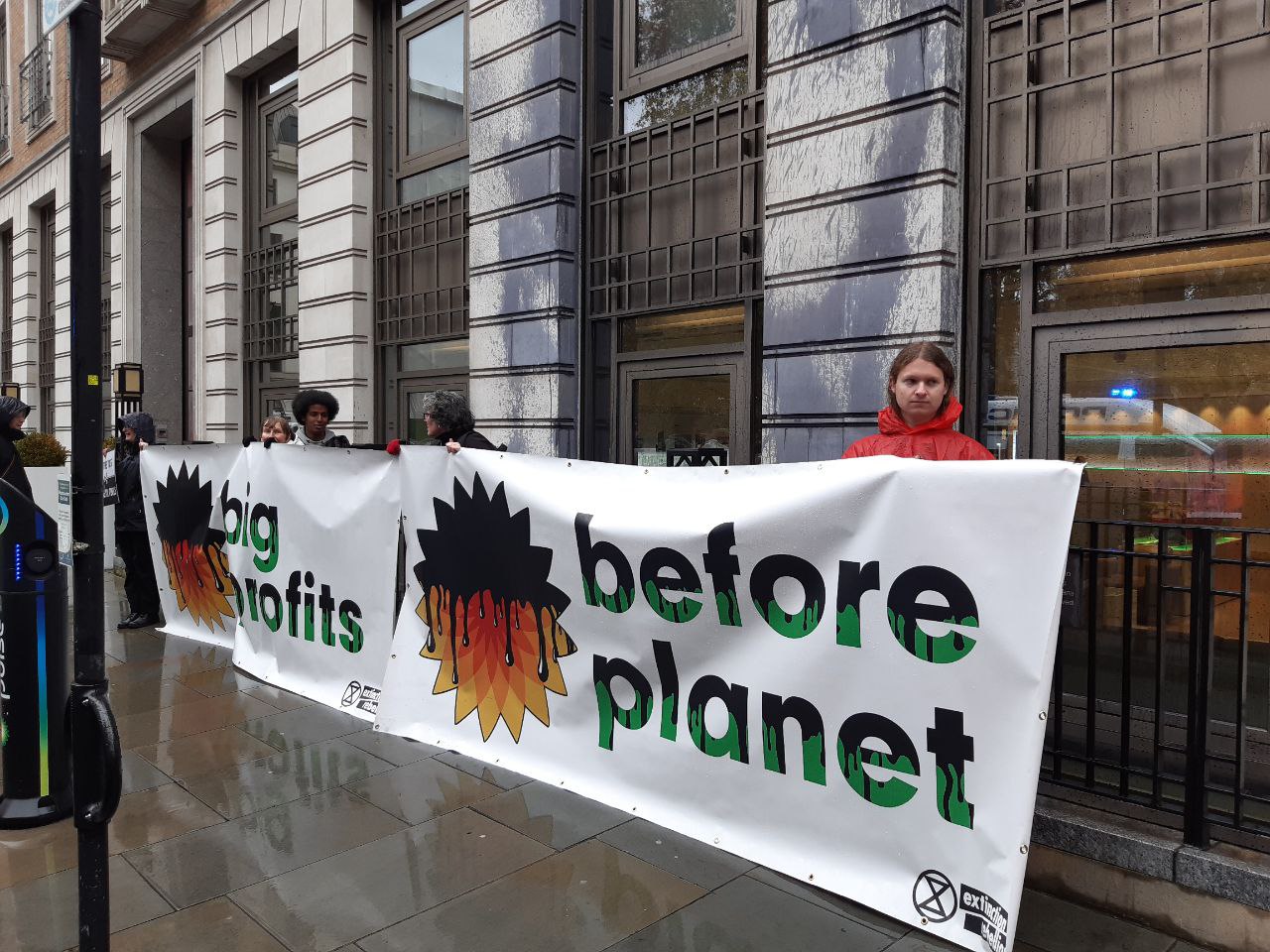
Just Stop Oil protests at BP

https://www.reuters.com/business/sustainable-business/change-bp-climate-goal-concern-emissions-focused-investors-shareholder-2023-02-10/

LONDON, Feb 10 (Reuters) – Some climate-focused investors in BP (BP.L) voiced concern this week about the company’s announcement that it has scaled back climate targets and now plans to produce more oil and gas for longer, yet the company’s share price continued to surge on Friday.

Chief Executive Bernard Looney’s strategy revision on Tuesday included a cut to BP’s 2030 emissions reduction target. Three years ago, he took the helm with a vow to re-invent the oil and gas company.

Bruce Duguid, head of stewardship at Federated Hermes, which co-leads negotiations with BP over its energy transition on behalf of a large group of institutional investors called Climate Action 100+, voiced concern over Looney’s pivot.

“In the context of a very strong financial outcome, those investors with net-zero goals, including many of our clients, will be concerned at such a material change to BP’s 2030 absolute emissions reduction target,” Duguid said in a statement to Reuters.

https://www.reuters.com/business/sustainable-business/change-bp-climate-goal-concern-emissions-focused-investors-shareholder-2023-02-10/

Continue ReadingClimate-focused investors irked by BP’s pivot back to oil

Institutional investors back Shell board lawsuit over climate risk

Spread the love
Just Stop Oil protesting in London 6 December 2022.

https://www.reuters.com/business/sustainable-business/institutional-investors-back-shell-board-lawsuit-over-climate-risk-2023-02-09/

LONDON, Feb 9 (Reuters) – A group of European institutional investors is backing a novel London lawsuit against energy giant Shell’s (SHEL.L) board over alleged climate mismanagement in a case that could have far-reaching implications for how companies tackle emissions.

British pension funds London CIV and Nest, Swedish pension fund AP3, French asset manager Sanso IS, Degroof Petercam Asset Management in Belgium and Denmark’s Danske Bank Asset Management and Danica Pension and AP Pension are among those to have written letters supporting the claim.

The investor group has around 450 billion pounds ($543 billion) in assets under management collectively, and owns about 12 million of Shell’s 7 billion shares.

London CIV said its Shell stake was a “primary hotspot of risk and exposure within our portfolio”.

“We hope the whole energy industry sits up and takes notice,” added Mark Fawcett, Nest’s chief investment officer.

https://www.reuters.com/business/sustainable-business/institutional-investors-back-shell-board-lawsuit-over-climate-risk-2023-02-09/

Continue ReadingInstitutional investors back Shell board lawsuit over climate risk

Lawsuit Targets Shell’s Board of Directors Over Energy Transition Plans

Spread the love

Original article by Dana Drugmand republished from DeSmog according to its republishing agreement.

Shell admits in internal documents it has “no immediate plans to move to a net-zero emissions portfolio.”

Series: CLIMATE CHANGE LAWSUITS

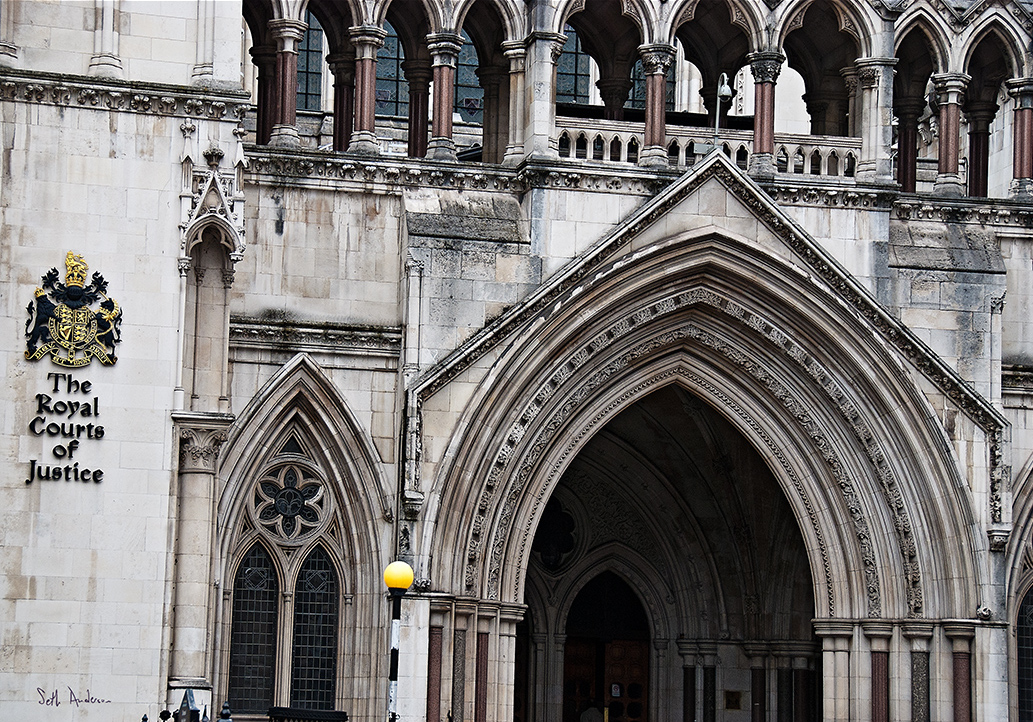
Exterior view of the Victorian Gothic arched doorways and windows of the pale stone Royal Courts of Justice building
The entrance to the Royal Courts of Justice in London, which houses the UK High Court. Credit: Derived from the original by Seth AndersonCC BY-NC-SA 2.0

Shell’s board of directors officially has been served with a world-first lawsuit aiming to hold its corporate directors personally liable for alleged mismanagement of climate risk. The lawsuit, filed Thursday by UK-based environmental law organization ClientEarth, contends that Shell’s strategy to address climate change and manage the energy transition fails to align with the objectives of the Paris Agreement and leaves the company in a vulnerable position as society shifts away from fossil fuels.

ClientEarth alleges that inadequate climate strategy by Shell and improper management by the board amounts to violations under the UK Companies Act. ClientEarth, itself a token shareholder in Shell, filed its case in the High Court of England and Wales in London and is suing the company’s 11 directors. Institutional investors with collective holdings of over 12 million shares in Shell are supporting the legal action, which comes on the heels of Shell reporting a record $40 billion in profits in 2022.

“Shell may be making record profits now due to the turmoil of the global energy market, but the writing is on the wall for fossil fuels long term,” ClientEarth senior lawyer Paul Benson said. “The shift to a low-carbon economy is not just inevitable, it’s already happening. Yet the Board is persisting with a transition strategy that is fundamentally flawed, leaving the company seriously exposed to the risks that climate change poses to Shell’s future success — despite the Board’s legal duty to manage those risks.”  

This is the first ever case targeting a company’s board over its handling of climate risk and alleged failure to prepare for the energy transition. As DeSmog previously reported, it is likely just the beginning of such litigation against corporate directors.

Climate Litigation Piling up Against Shell

ClientEarth initiated this new lawsuit last year when it gave notice to Shell’s board of its intention to sue and is the latest in a string of legal actions seeking to hold the oil major accountable for its alleged climate and environmental misdeeds. Earlier this month the environmental and corporate accountability group Global Witness lodged a greenwashing complaint with the U.S. Securities and Exchange Commission claiming that Shell was misleading investors and authorities on its renewable energy spending. 

That complaint came just days after more than 11,300 individuals and 17 institutions from the heavily polluted Nigerian community of Ogale sued Shell in the UK High Court, adding to existing legal claims filed in 2015 by 2,335 residents of the Nigerian community of Bille — bringing the total to over 13,000 people from the Niger Delta taking Shell to court. These claims are demanding damages from oil spills that have devastated the local communities and their environment.

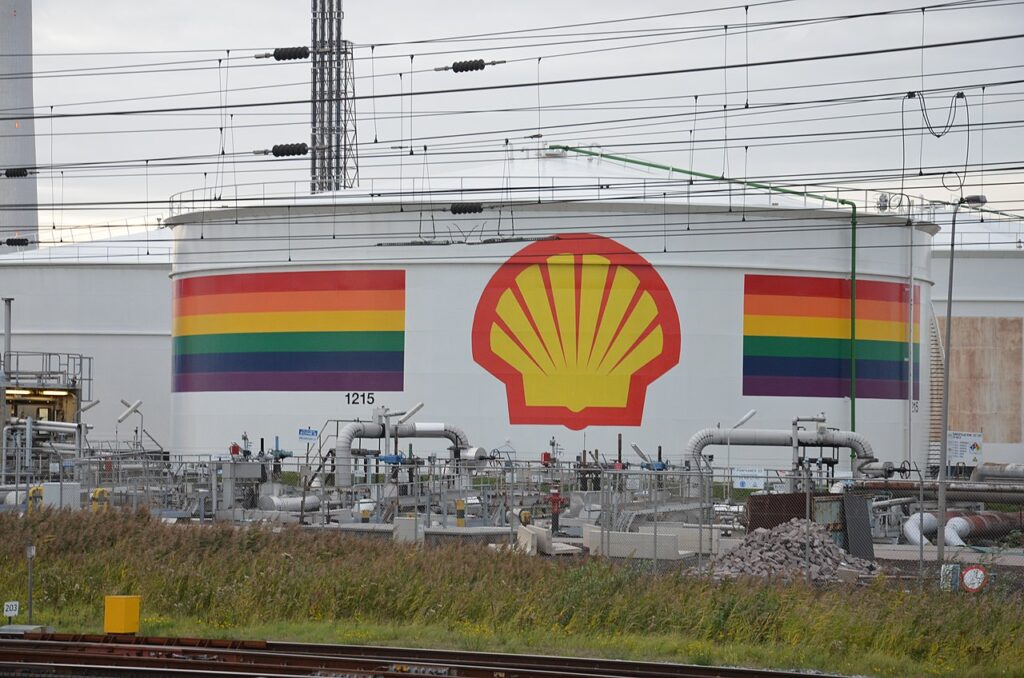
A large white oil storage tank with the yellow and red Shell logo and a thick band of rainbow stripes around it
Shell’s Pernis refinery in the Netherlands. Credit: Steven LekCC BY-SA 4.0

And in May 2021 the Dutch chapter of Friends of the Earth, Milieudefensie, won a landmark climate court case against Shell claiming the company’s business was not aligned with the Paris Agreement’s goals and human rights obligations. The court ordered Shell to slash emissions across its entire supply chain by 45 percent by 2030. Shell is appealing the verdict and appears to be ignoring its duty to comply, as the company has publicly committed to reducing only part of its supply chain emissions — not those released from using their products — by 2030 while continuing to invest in new oil and gas development. 

According to ClientEarth, Shell’s board “has since rebuffed parts of the verdict, indicating that it is unreasonable and essentially incompatible with Shell’s business.” The case against Shell’s board of directors aims to compel the company to comply with the Dutch court verdict and with its legal obligations under the UK Companies Act. Additionally, Shell faces a raft of climate lawsuits in the U.S. brought by states and municipalities over its alleged deception and efforts to derail meaningful climate action despite advanced knowledge of climate risks decades ago.

In response to the new lawsuit targeting the company’s directors, Shell denied that it has acted improperly and said it would oppose ClientEarth’s efforts to pursue its claim through the court.

“We do not accept ClientEarth’s allegations. Our directors have complied with their legal duties and have, at all times, acted in the best interests of the company,” a Shell spokesperson said in an emailed statement.

“We believe our climate targets are aligned with the more ambitious goal of the Paris Agreement: to limit the increase in the global average temperature to 1.5°C above pre-industrial levels,” the spokesperson continued. “Our shareholders strongly support the progress we are making on our energy transition strategy, with 80% voting in favour of this strategy at our last Annual General Meeting. ClientEarth’s attempt, by means of a derivative claim, to overturn the board’s policy as approved by our shareholders has no merit.”

Telling a Different Story Inside Shell

While Shell claims to support the Paris Agreement and says it will achieve net zero emissions by 2050, internal corporate communications obtained through subpoena by a U.S. congressional committee suggest that the company has no intention to genuinely pursue these objectives.

According to documents released in September by the U.S. House Oversight Committee as part of its investigation into Big Oil and climate disinformation, Shell privately urged caution in communicating about the energy transition due to litigation risk.

In an internal company slide deck on messaging around the energy transition, Shell clarifies that the net zero emissions goal is a “collective” ambition and challenge for society and is not a Shell goal or target. The company states that it “has no immediate plans to move to a net-zero emissions portfolio over our investment horizon of 10-20 years.”

View the entire document with DocumentCloud

Shell further advised its employees to refrain from suggesting the company would take climate action that risked its fundamental business strategy, writing: “Please do not give the impression that Shell is willing to reduce carbon dioxide emissions to levels that do not make business sense.”

In ClientEarth’s view, the oil giant’s failure to advance its own transition to net zero will only harm the company in the long run. “Long term, it is in the best interests of the company, its employees and its shareholders — as well as the planet — for Shell to reduce its emissions harder and faster than the Board is currently planning,” Benson said.

The High Court will next decide if it grants permission for ClientEarth’s case to proceed.

Original article by Dana Drugmand republished from DeSmog according to its republishing agreement.

Continue ReadingLawsuit Targets Shell’s Board of Directors Over Energy Transition Plans

Huge oil and gas profits should be returned to climate change victims, campaigners urge

Spread the love

https://morningstaronline.co.uk/article/b/huge-oil-and-gas-profits-should-be-returned-climate-change-victims

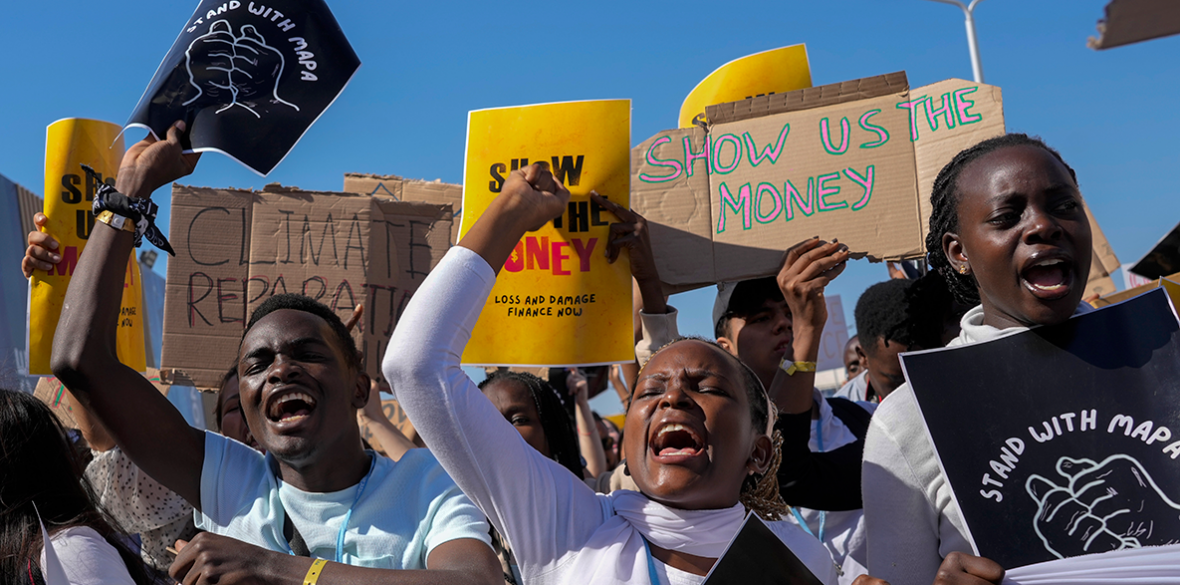
Demonstrators participate in a Fridays for Future protest calling for money for climate action at the COP27 U.N. Climate Summit, Friday, Nov. 11, 2022, in Sharm el-Sheikh, Egypt.

HUGE profits declared by oil and gas firms should be channelled towards compensating for the loss and damages suffered by victims of climate change, campaign group Greenpeace has urged.

Following Shell’s announcement last week of its record high profits of £32.2 billion last year, BP is expected to announce record profits of its own tomorrow.

The firm has already announced more than £20bn profit for the first three quarters of last year.

Collectively, energy giants Shell, BP, Chevron, Exxon, and Total are believed to have pocketed almost £166bn in profits last year, said Greenpeace.

https://morningstaronline.co.uk/article/b/huge-oil-and-gas-profits-should-be-returned-climate-change-victims

Continue ReadingHuge oil and gas profits should be returned to climate change victims, campaigners urge