NHS news review

Spread the love

Andrew Lansley to face a creative protest in York.

NHS cuts, NHS cuts, NHS cuts.

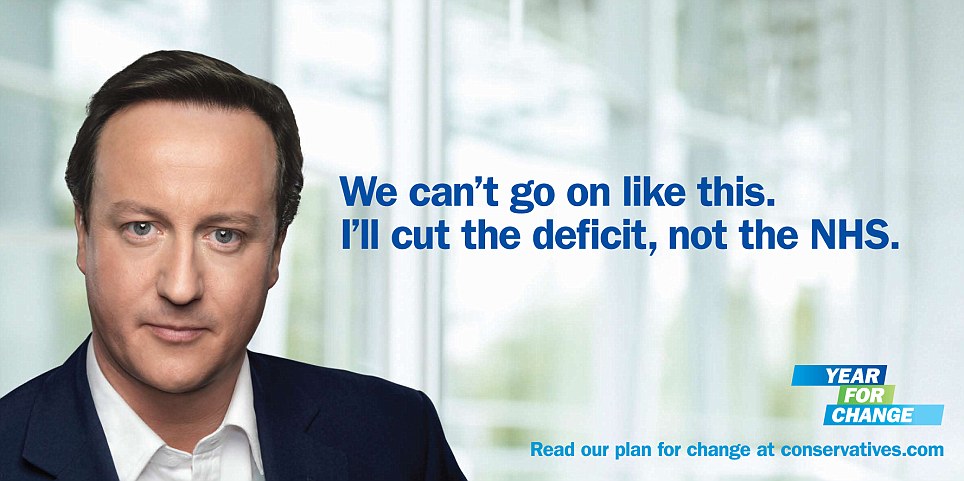
Conservative election poster 2010

A few recent news articles about the UK’s Conservative and Liberal-Democrat (Conservative) coalition government – the ConDem’s – brutal attack on the National Health Service.

Health Secretary Andrew Lansley to face protest from York Stop The Cuts group (From York Press)

Health Secretary Andrew Lansley to face protest from York Stop The Cuts group

HEALTH Secretary Andrew Lansley will visit York this weekend to speak at a Conservative Party fundraiser – but he is set to face strong protests over his proposed NHS reforms.

Mr Lansley is due to be the guest speaker at a black-tie dinner organised by the York Conservatives organisation at the Merchant Adventurer’s Hall on Saturday night.

But campaigners from the York Stop The Cuts group plan to don tuxedos, ballgowns and masks and cut up a giant papier-maché pie outside the venue to voice their anger at what they claim is a threat to “slice up the NHS”.

Sussex mental health services ‘at full stretch’ (From The Argus)

Sussex mental health services ‘at full stretch’

Mental health services say they are operating at “full stretch” to balance rising numbers of service users and substantial funding cuts.

Senior figures at Sussex Partnership NHS Foundation Trust say they are being “challenged like never before” with some services seeing a 44% increase in people needing help over the last three years.

The rising number of people turning to the trust, which now sees more than 100,000 people every year, has been blamed on the pressures of increasingly difficult economic times.

The increase comes as the trust has to make major financial savings of more than £14 million in the current financial year.

Safety fears over £78m NHS cuts (From Clacton and Frinton Gazette)

PATIENT safety fears have been raised over plans to shave £78million from the NHS in north Essex in three-and-a-half years.

Stephen Beresky, non-executive director for primary care trust NHS North East Essex, said he believed services were already “creaking” from the cost-saving measures.

At a board of directors meeting in Braintree recently, he questioned plans which will see £27.7million cut from the PCT’s budget and £51million from the amount it pays to providers such as the ambulance service, hospital and mental health care by 2015.

Mr Beresky, of Stanway, who runs a consultancy business, said: “The biggest cost in most organisations is staffing.

“The quickest way to have an impact on reducing budgets is staff.

“I want to make sure the the consequences of the decisions which are being taken are understood because, anecdotally, and a little less than anecdotally, they are creaking.”

The trust has not yet revealed how many jobs will be shed however it plans to slash staff pay by £4million between now and 2015.

Fears continue over A&E services at St Helier Hospital (From Your Local Guardian)

Fears continue over A&E services at St Helier Hospital

Fears continue about the future of A&E services in Sutton after NHS London bosses refused to give assurances over the future of St Helier hospital.

Following a presentation to councillors last week, Andrew Woodhead, head of mergers and acquisitions at NHS London, said the transition board was “working on an assumption that services would remain”, but would not guarantee that St Helier hospital could continue to provide A&E and maternity services in the future.

He said the proposed merger of St Helier and St George’s in Tooting was an organisational matter, which would allow the hospital to achieve Foundation Trust status.

But he said the future of services was being dealt with by a separate review of healthcare in south west London called Better Services Better Value.

Continue ReadingNHS news review

NHS news review

Spread the love

The big NHS news today is further example of Liberal-Democrat spin that they opposed the Destroy the NHS Bill. Let’s get this clear: The NHS is getting destroyed by Conservatives and Conservative Liberal-Democrats acting in unison.

Lib-Dem peers have published a letter in the Guardian proclaiming that “The time for declaratory statements is past.” I had to find a definition for declaratory statements. It is unnecessarily complex and is inteded to exclude most people from understanding it but I think that it’s about explaining the law and stating the rights of parties. Liberal-Democrat hypocrisy is exposed by the letter also stating “Any politician who plays party political games with the NHS would be open to justified public criticism.” There you go then: justified public criticism.

The letter comes after Health Secretary Andrew Lansley signalled that he would accept an ammendment regarding ultimite responsibility for providing a health service. The ammendment appears to be a dimunition from responsibilty for providing a comprehensive health service to “retains ultimate responsibility” for NHS services. While I find this also a little complex it does seem to continue Con-Dem government’s attempts to evade responsibility for proving a health service but I’m waiting for commentary from others.

The Labour Party claims that Prime Minister David Cameron has broken three promises on the NHS: to end top-down reorganisations, to increase NHS funding in real terms and to stop hospital reconfigurations.

The British Medical Association repeats it’s call for the bill to be abandoned and states 11 changes it wants made.

The TUC highlights the government’s “credibity deficit”.

Campaign group Stroud Against the Cuts is continuing legal action against NHS Gloucestershire’s plans to transfer local health services to a community interest company.

trying to see what Gerada has to say about bloggers …

Conservative election poster 2010

A few recent news articles about the UK’s Conservative and Liberal-Democrat (Conservative) coalition government – the ConDem’s – brutal attack on the National Health Service.

Letters: Lib Dems draw a line on the NHS | Society | The Guardian

The time for declaratory statements is past. Patients who care passionately about the NHS, and staff who want to give the best possible service, need certainty about the future of the health service (The battle is far from over, 25 October). Any politician who plays party political games with the NHS would be open to justified public criticism. So it is now imperative that members of the House of Lords get on with their job of subjecting this bill to detailed, rigorous scrutiny.

In order to safeguard the NHS, free at the point of need and accessible to all, Liberal Democrat peers are putting forward amendments which require the secretary of state to remain responsible for health services being provided across England. In coming weeks we will seek to ensure that the NHS continues to develop cutting-edge research and that any income from private patients is used solely for the benefit of NHS patients. We will carry on scrutinising this bill so that the NHS can continue to deliver world-class care for patients.
Shirley Williams
Jonathan Marks QC
Paddy Ashdown
Liz Barker
Phil Willis
Floella Benjamin
Judith Jolly
John Shipley
John Alderdice
Navnit Dholakia
Monroe Palmer
Paul Strasburger
Diana Maddock
Chris Rennard
John Sharkey
Jenny Randerson
Ros Scott
Tim Clement-Jones
Dick Newby
Mike German
David Steel
Kishwer Falkner
Bill Bradshaw
Roger Roberts
Brian Cotter
Bill Rodgers
Anthony Lester
Sal Brinton
Paul Tyler
Mike Storey
Joan Walmsley
Trevor Smith

Related guff: Liberal Democrat peers end war with Tories over reform of NHS | Society | The Guardian BBC News – NHS bill: Lib Dem peers signal end to rebellion

David Cameron has ‘betrayed the NHS’, claims Labour | GPonline.com

Shadow health secretary Andy Burnham has accused prime minister David Cameron of betraying the NHS ahead of a House of Commons debate on the Health Bill on Wednesday.

Labour said it was taking its fight against the Bill directly to the prime minister for ‘writing cheques in opposition that he couldn’t cash in government’.

In a debate in the House of Commons on Wednesday, shadow health secretary Andy Burnham will accuse the prime minister of breaking three personal pledges on the NHS.

He is expected to criticise David Cameron for performing a U-turn on his pre-election promise to end top-down reorganisation in the NHS. He will also say the government’s pledge to increase NHS funding in real terms has not been met, and that the government has broken a pledge to enforce a moratorium on hospital reconfiguration.

BMA highlights recommended changes to health bill – News – Practice Business

The British Medical Association publishes the changes it would like to see made to the Health and Social Care Bill, as the legislation reaches the Lord’s committee stage

The British Medical Association (BMA) has called for further changes it would like to see made to the Health and Social Care Bill as the bill enters the committee stage in the House of Lords this week.

The BMA outlines 11 areas of significant concern it has with the current draft of the legislation, as well as a call for the “mitigation of damage” to the NHS which it believes the bill will cause.

Included in these recommendations is an amendment making it explicit that increasing patient choice will not be given greater priority than ensuring fair access for all, a call for the secretary of state to retain ultimately responsible for the provision of comprehensive health services and a reduction of the overly restrictive powers granted to CCGs.

The BMA also expressed a wish for the government to be clearer concerning the role and the future role of the CCGs, and that the secretary of state should have a duty to ensure there is an effective system for delivering medical education and training.

Dr Hamish Meldrum, chair of the BMA Council, commented on the publication, stating: “The BMA’s preferred option is for the Health and Social Care Bill to be withdrawn – However, during this stage of the parliamentary process, there is scope for further significant change to be made.”

He added: “We have today set out the areas where we believe there still need to be amendments. We hope the Lords will agree with us and change the proposed legislation, limiting the damage this Bill could do to the NHS.”

Reforms have a ”credibility deficit” – Public Service

The gap between rhetoric and reality of the government’s public service reforms is growing, as privatisation and workforce opposition to the changes increase, according to a paper published by the Trades Union Congress (TUC).

In response to the government’s Open Public Services white paper, the TUC said a market-led approach to reform was increasing the private sector takeover of public services and public sector workers were turning against the measures:

The TUC pointed out that while health ministers were promoting social enterprise in the UK, NHS Surrey awarded the contract for its community health care services to private provider Assura Medical (75 per cent owned by the Virgin Group) rather than the government’s social enterprise champions Central Surrey Health.

Legal action delays NHS Gloucestershire social enterprise plans | Healthcare Network | Guardian Professional

Gloucestershire’s primary care trust has paused plans to transfer local health services to a community interest company pending a hearing

NHS Gloucestershire has put on hold its plans to transfer community health services and a £100m budget from the local health service to Gloucestershire Care Services, a company spun out of the local primary care trust.

Jan Stubbings, the trust’s chief executive, said she had agreed not to sign the contracts needed to effect the transfer before the outcome of a legal hearing.

“Concluding the arrangements for the transfer is in the interests of patients and staff and will ensure service continuity and stability,” said Stubbings. “Timely resolution of outstanding legal matters is also in the interests of the taxpayer and public funds.”

Campaign group Stroud Against the Cuts said the pause followed a judicial determination that trust should not finalise its proposed transfer of more than 3,000 NHS health staff and a variety of health services out of the NHS, after a legal case presented by its solicitors.

The group has claimed that the proposed transfer would be highly damaging to NHS services in Gloucestershire. James Beecher, a co-ordinator of Stroud Against the Cuts, said that if the challenge is successful it will force managers to consider options which have been successfully implemented elsewhere in the country and would keep services and staff within the NHS.

Continue ReadingNHS news review

NHS news review

Spread the love

The Guardian reveals the extent of NHS cuts under the ConDem coalition government.

GPs are striking patients off their waiting lists. There will be an incentive for GPs to strike ill and consequently more expensive patients off their lists. While the vast majority of GPs are very good and concerned with the needs and welfare of patients, some are not.

Conservative election poster 2010

A few recent news articles about the UK’s Conservative and Liberal-Democrat (Conservative) coalition government – the ConDem’s – brutal attack on the National Health Service.

Revealed: how NHS cuts are really affecting the young, old and infirm | Society | The Guardian

Services slashed affect patients on frontline such as pregnant women and elderly despite assurances they would be protected

Birth centres are closing, patients are being denied pain-relieving drugs and leaflets advising parents how to prevent cot death have been scrapped because of NHS cuts which are increasingly restricting services to patients, evidence gathered by the Guardian reveals.

The NHS’s £20bn savings drive also means new mothers receive fewer visits from health visitors, support for problem drinkers is being reduced and families are no longer being given an NHS advice book on bringing up their baby.

People with diabetes and leg ulcers are seeing less of the district nurses who help them manage their condition; specialists delivering psychological therapies are under threat and a growing number of hospitals are reducing the number of nurses and midwives to balance their books.

The disclosure that the savings drive is affecting so many different areas of NHS care has prompted claims that pledges by the prime minister and the health secretary, Andrew Lansley, that the frontline would be protected despite the NHS’s tightening financial squeeze cannot be trusted. One of David Cameron’s election pledges was: “I’ll cut the deficit, not the NHS.”

Inquiries by the Guardian into the impact of the quest to deliver £20bn of “efficiency savings” in the NHS in England by 2015 also shows that walk-in centres are closing and anti-obesity programmes are being scaled back and hospitals reducing the number of nurses and midwives they employ, despite rising demand for healthcare and an ongoing baby boom.

Katherine Murphy, chief executive of the Patients Association, said: “Andrew Lansley promised the NHS cuts to save the £20bn would be in bureaucracy and waste and would not come at the expense of the frontline. But the evidence we are getting on a daily basis is that the impact is on the patient and frontline services.”

“Ministerial promises aren’t being kept. We are getting the complete opposite of what we were promised. We were promised no cuts to frontline services and no impact on the patient’s journey. Instead we are getting cuts in many, many services and the impact on the patient is huge.”

Related: £20bn NHS cuts are hitting patients, Guardian investigation reveals | Society | The Guardian

Thousands of patients struck off by their GPs – Health News, Health & Families – The Independent

Family doctors are adopting a zero-tolerance approach to patients who displease them by striking them off practice lists, in breach of NHS regulations.

The tough “one strike and you’re out” approach led to a 6 per cent rise in complaints to the Health Service Ombudsman about patient removals last year, which accounted for more than one in five of all complaints about GPs.

In one particularly stark case, a terminally ill woman was struck off a GP practice’s list after her daughter changed the battery on a device delivering an anti-sickness drug instead of waiting for the district nurse to change it for her. The revelations come in a highly critical report which lambasts the NHS for its failure to deal adequately with patient complaints.

Overall, the NHS paid out £500,000 in compensation to patients for poor complaint handling by staff, following investigations by the Ombudsman, Ann Abraham. “The NHS is still not dealing adequately with the most straightforward matters. Minor disputes over unanswered telephones or mix-ups over appointments can end up with the Ombudsman because of knee-jerk responses by NHS staff and poor complaint handling,” Ms Abraham said.

GPs have always had the right to strike patients off their lists, which reciprocates the right of patients to switch GPs. But the rules require doctors to issue a warning and discuss matters with the patient before the axe falls, except in cases of aggression or abuse.

The finding that some doctors are acting precipitately highlights the vulnerability of patients at a time when GPs are set to acquire major new powers under the Health and Social Care Bill currently going through the Lords. Ms Abraham warned: “As GPs prepare to take on greater responsibility for commissioning patient services, some are failing to handle even the most basic complaints appropriately.”

In the case of the terminally ill woman, a district nurse reported the incident to the practice who discussed it with her daughter. The practice decided “the doctor-patient relationship with the family had broken down” and removed not only the daughter, but also her sister and their mother from the practice list. The family was given no warning of the practice’s intention, nor an opportunity to respond to it, as required by NHS regulations. The practice removed the women’s terminally ill mother even though she had played no part in the disagreement.

Following the Ombudsman’s inquiries, the practice apologised and drew up plans to avoid a repeat. Ms Abraham said: “In the cases we have seen, GPs have applied zero-tolerance policies without listening to and understanding their patients or considering individual circumstances. Decisions to remove a patient from their GP’s list can be unfair and disproportionate, and can leave entire families without access to primary healthcare.”

27/11/13 Having received a takedown notice from the Independent newspaper for a different posting, I have reviewed this article which links to an article at the Independent’s website in order to attempt to ensure conformance with copyright laws.

I consider this posting to comply with copyright laws since
a. Only a small portion of the original article has been quoted satisfying the fair use criteria, and / or
b. This posting satisfies the requirements of a derivative work.

Please be assured that this blog is a non-commercial blog (weblog) which does not feature advertising and has not ever produced any income.

dizzy

Continue ReadingNHS news review

NHS news review

Spread the love

Prime Minister David Cameron may become known as the man who destroyed the NHS.

NHS spending cuts put babies at risk

Private sector supports Clinical Commissioning Groups.

GPs concerned that they may lose maternity pay

Conservative election poster 2010

A few recent news articles about the UK’s Conservative and Liberal-Democrat (Conservative) coalition government – the ConDem’s – brutal attack on the National Health Service.

New Statesman – NHS reform is a never-ending nightmare for Cameron

The Prime Minister could end up with a reputation as the man who broke the NHS.

The NHS bill cleared a legislative hurdle in the Lords this week . But that doesn’t really solve any of the political problems facing the government’s reforms. Of those problems, one of the biggest is that the coalition doesn’t seem to have a clear grasp of why Andrew Lansley’s plans are causing so much difficulty.

The one thing everyone can agree on is that the plans have been appallingly presented. Lansley cooked them up in the Department of Health without much input or scrutiny from Downing Street. (So blindsided was the prime minister that the episode triggered a whole re-organisation of the Number 10 policy operation earlier this year.) According to one senior civil servant at the heart of the operation, when Cameron was first presented with Lansley’s plan he skimmed the introduction and then turned to his aides in shock and disbelief and said “have you read this stuff?!” He had, until then, had no idea of the scale of what was being planned.

There was a moment, towards the end of January, when a u-turn was still an option. But Cameron feared looking weak by abandoning such a huge public sector policy drive – and, reasonably enough, worried that dropping the reforms would implicitly confirm voters’ suspicions that the Tories had some hidden agenda on health. A u-turn would make it look as if they had been rumbled. The way senior figures in government tell the story, Cameron’s foot hovered between the brake and the accelerator, finally choosing the latter. That now looks like a huge mistake.

The essential miscalculation was the PM’s assumption that if he personally threw some weight behind the cause – deploying the powers of persuasion in which he has considerable confidence – the public mood might shift. Of course, the Conservatives did not count on a Lib Dem backlash, sanctioned from the top of the party as a device to “differentiate” the junior coalition partner (fearful of losing its identity) over an issue of famous toxicity to the Tories. Some of the Lib Dem turbulence around the NHS earlier this year was principled objection to the reforms but some is retaliation for the Tories’ personal attacks on Nick Clegg during the referendum campaign on the alternative vote. The compromise package that ended up before the Lords this week was therefore a mangled monster consisting of the original Lansley plan with heaps of ad hoc Lib Dem caveats, brakes, disruptions and supposed safeguards.

And there lies the government’s problem. The reform it is now trying to sell is the expression of Westminster political choreography and not a coherent response to the needs of the health service. Everyone in the NHS knows it and voters can sense it.

NHS cuts putting vulnerable babies at risk, says charity | Society | The Guardian

Special care baby charity Bliss warns about qualifications of some nurses and midwives in hospital neonatal units

More than half of England’s specialist baby care units do not meet the government’s minimum standards and are putting the most vulnerable babies at risk, a charity warned on Monday.

Bliss, a special care baby charity, said staff cuts in a third of England’s 172 neonatal units were “significantly affecting the care of premature and sick babies”.

Minimum standards set by the Department of Health require 70% of nurses and midwives in neonatal units to be qualified in specialist care, Bliss said, but more than half had failed to meet this target. Last year, the charity said 1,150 extra nurses would be needed to reach minimum standards, but a recent freedom of information request by the charity found 140 posts had been cut.

In addition, it said that while 450 nurses needed to receive extra training to meet the department’s standards, one in 10 units said they were struggling to release staff for training because of budget cuts.

Andy Cole, chief executive at Bliss, said: “The government’s assurances that frontline services would not be affected by changes in the NHS is not true for these most vulnerable patients. The government and the NHS must take responsibility now and ensure our tiniest and sickest babies receive the highest standard of care at this critical time in their lives.”

Bliss reported that about 20% of neonatal units were likely to make further cuts to their workforce in the next 12 months, through redundancies, vacancy freezes and down-banding posts.

Janet Davies, executive director of nursing at the Royal College of Nursing, said the findings were deeply shocking and called for a stronger strategy.

“At a time when extra nurses are needed to meet even the most basic standards of neonatal care, some [NHS] trusts are making reckless cuts to posts, which will undoubtedly have an impact on the care of premature and sick babies,” she said.

“Sadly, this is a reflection on what is happening throughout the NHS, where we know that 40,000 posts are earmarked to be lost. It is critical that hospitals have the right numbers of specialist nurses, who can provide one-to-one care to premature babies and support for families at an extremely stressful time in their lives. Equally, a properly funded strategy is now urgently needed to recruit and retain more of these specialist nurses.”

31 commissioning groups sign landmark deal with private firms to provide ‘organisational support’ – newsarticle-content – Pulse

Clinical commissioning groups representing several thousand GPs across London have signed a multi-million pound deal with private consultants handpicked by NHS bosses to help support the rollout of GP commissioning.

The £7m landmark deal has seen 31 CCGs sign contracts for a programme of ‘intensive organisational support’ for commissioning from the likes of KPMG, Pricewaterhouse Coopers, Capita and McKinsey, which has formed a joint partnership with the RCGP’s Centre for Commissioning and consultancy Ashridge Alliancce to advise CCGs ahead of authorisation.

NHS London said all 38 of the capital’s pathfinders were expected to sign up to the ‘development framework’ within weeks, and that £3.7m had been allocated for ‘leadership training’ for managers and clinicians.

The list of approved commissioning partners, which also includes Ernst and Young, Capsticks Solictors, Binder Dijker Otte, and Entrusted Health Partnership, was drawn up by NHS London after a competitive tender designed to provide CCGs with assistance in organisational development, leadership training, strategy, finance and market analysis.

The consultants will offer CCGs coaching, leadership plans, resources and how-to guides, 360 degree feedback, self-assessment tools and organisational development plans to assess their readiness for authorisation.

The move significantly boosts the private sector’s stake in advising GP commissioners, after Pulse first revealed earlier this year that dozens of CCGs had enlisted the support of McKinsey and Pricewaterhouse Coopers with QIPP, budget holding and governance.

GPs fear maternity pay could ‘disappear’ under NHS reforms | GPonline.com

MWF president Dr Clarissa Fabre said funding for practices to cover the cost of locums for partners on maternity leave was under threat.

It was unclear whether clinical commissioning groups (CCGs) or the NHS Commissioning Board would be responsible for the payments once PCTs were abolished, she said.

‘At present, at least you know the PCT will pay a bit of the locum payments,’ Dr Fabre said. But she warned that in future CCG budgets could be so tight that they could no longer afford to pay them.

‘Locum payments are going to disappear,’ she said.

NHS Confederation acting deputy chief executive David Stout said he could not be sure who would be responsible for the payments once PCTs no longer existed.

But he suggested that because the NHS Commissioning Board (NCB) will hold GP contracts, it could take control of maternity payments as a part of this role.

Maternity locum payments are not mandatory under current rules, with some PCTs choosing not to pay.

Mr Stout said if the payments became the responsibility of the NCB, it would have a single national policy on maternity locum payments. ‘It’s unlikely that they’d do it inconsistently,’ he said.

GPC member Dr Helena McKeown said it was still unclear who would be responsible for the payments. She said a single policy would be welcome to eliminate the current postcode lottery.
Continue ReadingNHS news review

NHS news review

Spread the love

Waiting times increase under the ConDem coalition government.

Celebrity Chef Jamie Oliver criticises Lansley’s “responsibility deal” with food and beverage companies to reduce obesity.

Conservative election poster 2010

A few recent news articles about the UK’s Conservative and Liberal-Democrat (Conservative) coalition government – the ConDem’s – brutal attack on the National Health Service.

Number of NHS patients waiting more than 18 weeks has doubled, says report | Society | The Guardian

Report by King’s Fund follows release of DoH figures that showed 48% increase in breaches of legally binding NHS targets

The number of patients waiting more than the recommended maximum of 18 weeks for NHS treatment has soared by 48% since last year.

Figures released by the Department of Health came as a separate report by the King’s Fund found that in more than 45 hospital trusts, more than 10% of patients were not admitted within 18 weeks of being referred by their GPs, breaching legally binding targets in the NHS constitution. The figures have more than doubled on the previous year.

The report found that while the NHS overall had managed to meet targets on waiting times and infections despite hospitals having to find savings of between 6% and 7% this year, this masked “considerable variation” at a local level.

Using government data, the Guardian found that 28,635 patients in England who were treated in an NHS hospital during August had been waiting more than 18 weeks, compared with 19,355 in the same month in 2010 – a rise of 48%.

The King’s Fund, a leading health thinktank, concurred with this analysis, pointing out that “although average waiting times remain within target range, one in four hospitals failed to meet the target”.

Rob Findlay, who runs NHS waiting times company Gooroo, pointed out that in St Georges, Kingston, Bath, Guy’s & St Thomas’, Sheffield and South London hospital trusts, there were “1,000 patients on waiting list for more than a year”.

On this measure, the numbers waiting are the largest since the coalition came to power last year, when the health secretary, Andrew Lansley, reviewed or eased several NHS waiting time targets.

One of the measures changed was Labour’s target that no one should wait more than four hours in A&E, with the threshold lowered from 98% to 95%. The King’s Fund found that 29 hospitals failed to meet that measure. In Surrey and Sussex Healthcare NHS Trust, a third of the 13,000 patients who used the hospital’s A&E ward waited more than four hours.

Related: Sharp rise in NHS patients waiting more than 18 weeks for care | Society | guardian.co.uk

Jamie Oliver brands Andrew Lansley obesity plan as ‘patronising rubbish’ | Society | The Guardian

Health secretary sets out ‘national ambition’ to cut 5bn calories a day from Britons’ daily diet

Andrew Lansley’s announcement of a push to get the nation to cut 5bn calories a day from its diet was immediately slammed by health experts on Thursday, and branded “worthless, regurgitated, patronising rubbish” by Jamie Oliver.

Faced with a mounting obesity crisis that a succession of government initiatives on exercise have failed to turn around, the health secretary and the chief medical officer, Sally Davies, issued a “call to action” on diet, pointing out that alcohol contributed 10% to our calorie intake.

Lansley urged individuals to eat less and eat more wisely, and promised to talk to the food industry about voluntary cuts in the calorie content of processed food and drinks.

But the new plan, which Lansley termed a “national ambition” rather than a strategy, drew immediate derision from food campaigners and doctors. “Simply telling people what they already know – that they need to eat less and move more – is a complete cop-out,” said Oliver.

The TV chef and food campaigner added: “This whole strategy is just worthless, regurgitated, patronising rubbish.

Related:McDonald’s and PepsiCo to help write UK health policy | Politics | The Guardian

Department of Health putting fast food companies at heart of policy on obesity, alcohol and diet-related disease

Continue ReadingNHS news review