Sellafield could leak until 2050s, MPs warn

Spread the love

https://www.bbc.com/news/articles/c0lne622kk7o
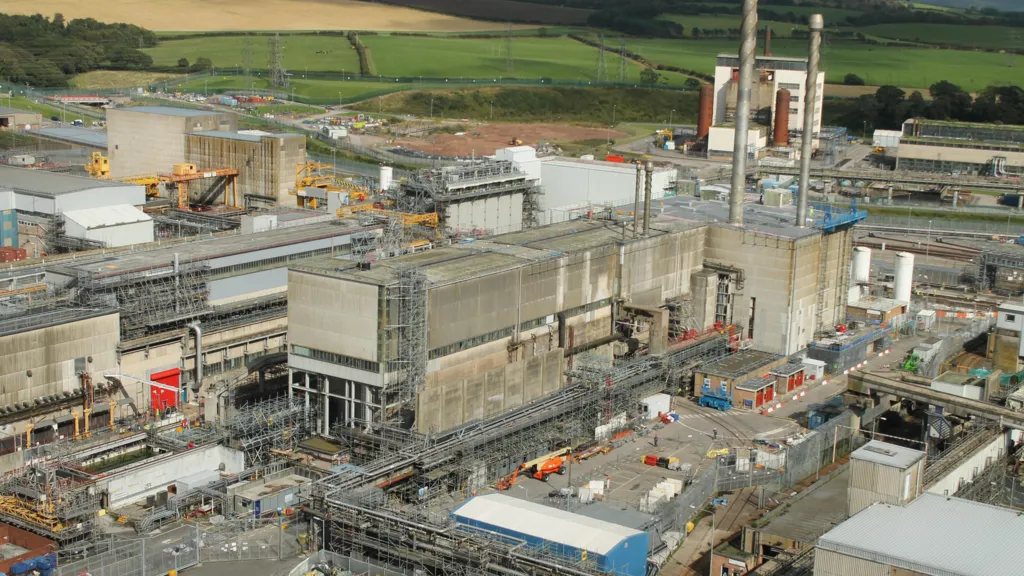
The NDA said the “leak in the Magnox Swarf Storage Silo is contained and does not pose a risk to the public”

The UK’s largest nuclear site could continue leaking radioactive water until the 2050s, MPs have warned, while its clean-up operations struggle to progress quickly enough.

The Public Accounts Committee (PAC) criticised the speed of decommissioning work at Sellafield in Cumbria, citing “cost overruns and continuing safety concerns” in a report published on Wednesday.

Although the committee noted there were “signs of improvement”, PAC chairman Sir Geoffrey Clifton-Brown said Sellafield continued to present “intolerable risks”.

The Nuclear Decommissioning Authority (NDA) acknowledged the leak at its Magnox Swarf Storage Silo (MSSS) was its “single biggest environmental issue”.

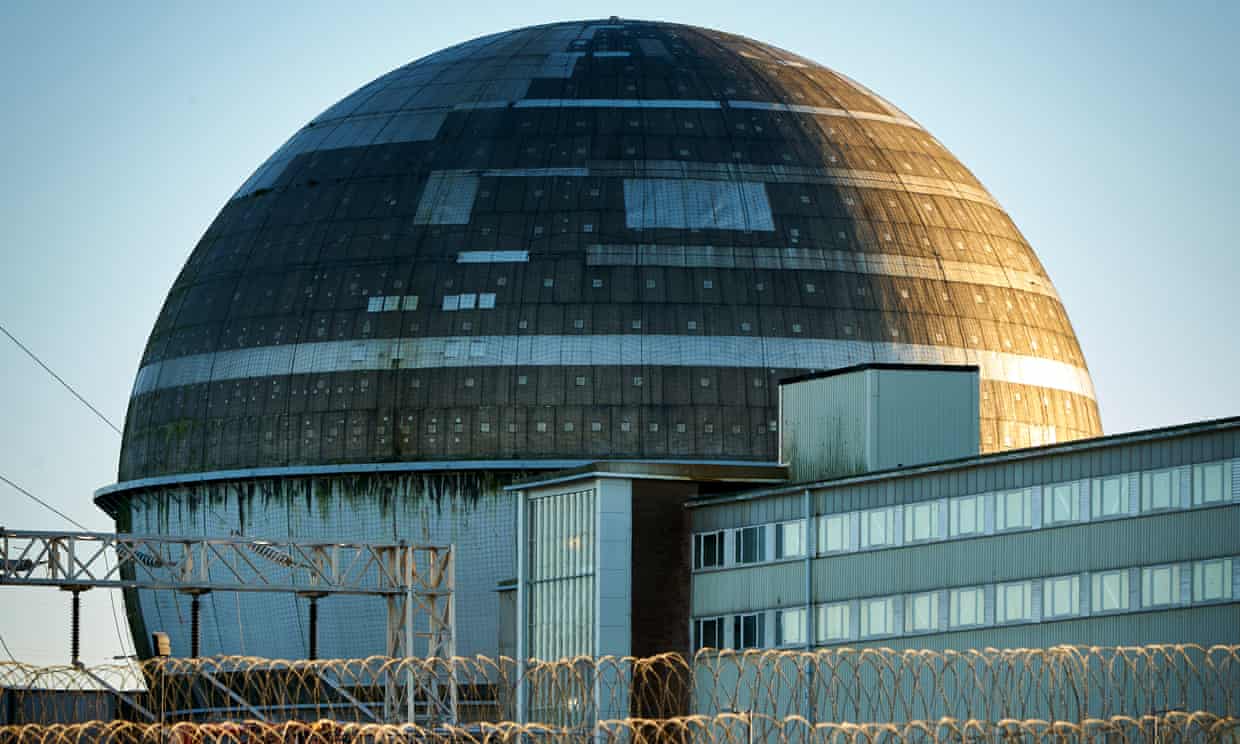
The MSSS, which the NDA described as “the most hazardous building in the UK”, has been leaking radioactive water into the ground since 2018, releasing enough to fill an Olympic swimming pool every three years.

It is likely to continue leaking until the oldest section of the building has been emptied in the 2050s, about a decade later than previously expected.

Sir Geoffrey said: “As with the fight against climate change, the sheer scale of the hundred-year timeframe of the decommissioning project makes it hard to grasp the immediacy of safety hazards and cost overruns that delays can have.

“Every day at Sellafield is a race against time to complete works before buildings reach the end of their life.

“Our report contains too many signs that this is a race that Sellafield risks losing.”

Article continues at https://www.bbc.com/news/articles/c0lne622kk7o
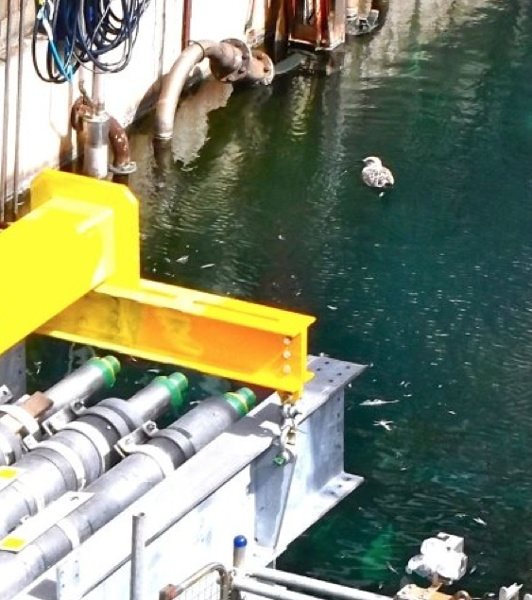
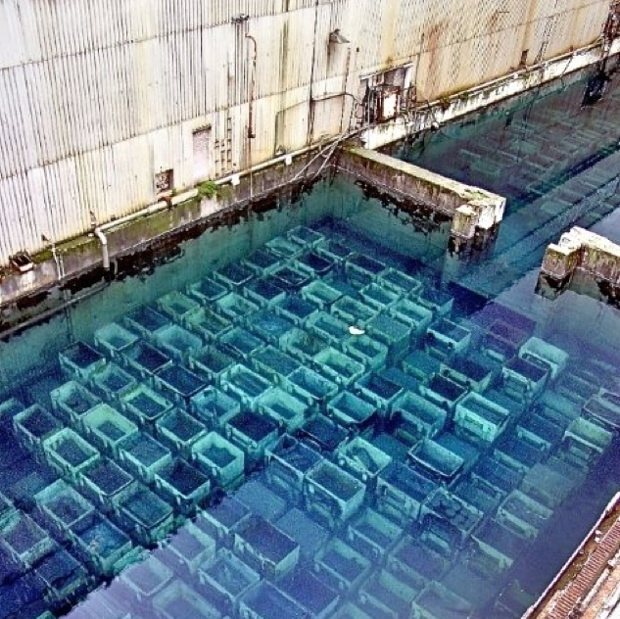
Another seabird in one of Sellafield nuclear dump's open-air ponds.
Another seabird in one of Sellafield nuclear dump’s open-air ponds.

Sellafield

Continue ReadingSellafield could leak until 2050s, MPs warn

Sellafield cleanup cost rises to £136bn amid tensions with Treasury

Spread the love

https://www.theguardian.com/business/2024/oct/23/sellafield-cleanup-cost-136bn-national-audit-office

Sellafield has ‘retrieved much less waste than it had planned’ since 2020, the NAO said. Photograph: David Levene/The Guardian

National Audit Office questions value for money as predicted bill for decommissioning increases by £21bn

The cost of cleaning up Sellafield is expected to spiral to £136bn and Europe’s biggest nuclear waste dump cannot show how it offers taxpayers value for money, the public spending watchdog has said.

Projects to fix buildings containing hazardous and radioactive material at the state-owned site on the Cumbrian coast are running years late and over budget. Sellafield’s spending is so vast – with costs of more than £2.7bn a year – that it is causing tension with the Treasury, the report from the National Audit Office (NAO) suggests.

Officials from finance ministry told the NAO it was “not always clear” how Sellafield made decisions, the report reveals. Criticisms of its costs and processes come as the chancellor, Rachel Reeves, prepares to plug a hole of about £40bn in her maiden budget.

Europe’s most hazardous industrial site has previously been described by a former UK secretary of state as a “bottomless pit of hell, money and despair”. The Guardian’s Nuclear Leaks investigation in late 2023 revealed a string of cybersecurity problems at the site, as well as issues with its safety and workplace culture.

The NAO found that Sellafield was making slower-than-hoped progress on making the site safe and that three of its most hazardous storage sites pose an “intolerable risk”.

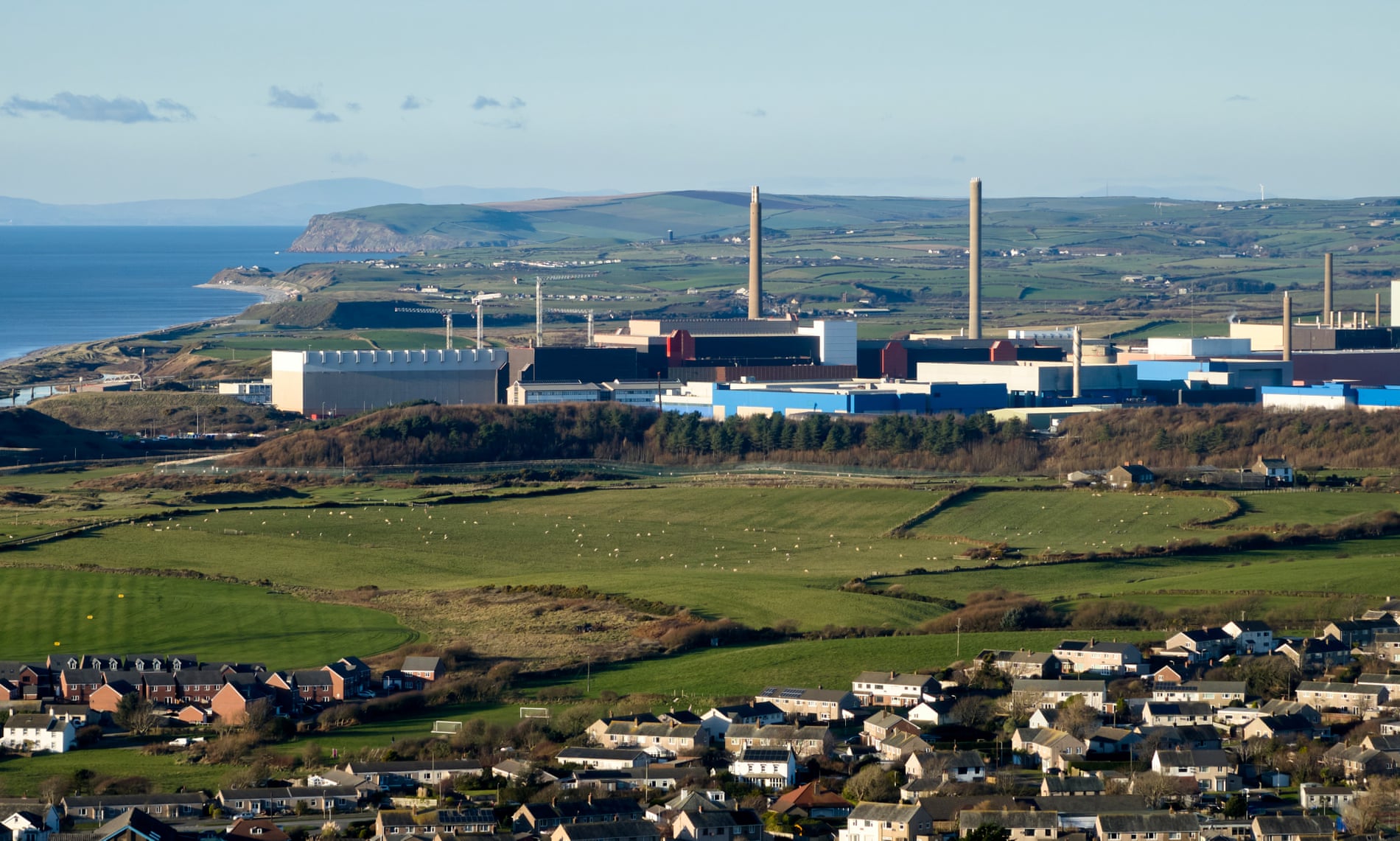
The site is a sprawling collection of buildings, many never designed to hold nuclear waste long-term, now in various states of disrepair. It stores and treats decades of nuclear waste from atomic power generation and weapons programmes, has taken waste from countries including Italy and Sweden, and is the world’s largest store of plutonium.

https://www.theguardian.com/business/2024/oct/23/sellafield-cleanup-cost-136bn-national-audit-office

The shocking state of the Sellafield nuclear shitehole

Continue ReadingSellafield cleanup cost rises to £136bn amid tensions with Treasury

Sellafield pleads guilty to criminal charges over cybersecurity failings

Spread the love

https://www.theguardian.com/environment/article/2024/jun/20/sellafield-pleads-guilty-to-criminal-charges-over-cybersecurity-failings

Sellafield’s lawyers have said that cybersecurity requirements were not ‘sufficiently adhered to for a period’. Photograph: David Levene/The Guardian

UK nuclear site pleads guilty to IT security breaches from 2019 to 2023

The UK’s most hazardous nuclear site, Sellafield, has pleaded guilty to criminal charges related to cybersecurity failings brought by the industry regulator.

Lawyers acting for Sellafield told Westminster magistrates’ court on Thursday that cybersecurity requirements were “not sufficiently adhered to for a period” at the vast nuclear waste dump in Cumbria.

The charges relate to information technology security offences spanning a four-year period from 2019 to 2023. It emerged in March that the Office for Nuclear Regulation (ONR) intended to prosecute Sellafield for technology security offences.

Late last year the Guardian’s Nuclear Leaks investigation revealed a catalogue of IT failings at the site dating back several years.

Sellafield pleaded guilty to a charge that it had failed to “ensure that there was adequate protection of sensitive nuclear information on its information technology network”, the Financial Times reported.

https://www.theguardian.com/environment/article/2024/jun/20/sellafield-pleads-guilty-to-criminal-charges-over-cybersecurity-failings

Continue ReadingSellafield pleads guilty to criminal charges over cybersecurity failings

Spending watchdog launches investigation into Sellafield

Spread the love

https://www.theguardian.com/business/2024/feb/15/spending-watchdog-launches-investigation-into-sellafield

Sellafield is Europe’s most toxic nuclear site. Photograph: David Levene/The Guardian

Britain’s public spending watchdog has launched an investigation into risks and costs at Sellafield, the UK’s biggest nuclear waste dump.

The National Audit Office (NAO), which scrutinises the use of public funds, has announced it will examine whether the Cumbria site is managing and prioritising the risks and hazards of the site effectively as well as deploying resources appropriately and continuing to improve its project management.

The findings of its investigation are expected to be published this autumn.

Sellafield is Europe’s most toxic nuclear site and also one of the UK’s most expensive infrastructure projects, with the NAO estimating it could cost £84bn to maintain the site into the next century.

Last year, Nuclear Leaks, a Guardian investigation into activities at Sellafield revealed problems with cybersecurity, a radioactive leak and a “toxic” workplace culture at the waste dump.

Predictions of the ultimate bill for the site, which holds about 85% of the UK’s nuclear waste, vary. It cost £2.5bn to run the site last year, and the government estimates it could ultimately take £263bn to manage the country’s ageing nuclear sites, of which Sellafield accounts for the largest portion.

https://www.theguardian.com/business/2024/feb/15/spending-watchdog-launches-investigation-into-sellafield

https://onaquietday.org/category/sellafield/

Continue ReadingSpending watchdog launches investigation into Sellafield

Sellafield nuclear site hacked

Spread the love
A seabird staying warm in one of Sellafield nuclear dump’s open-air ponds.

https://www.theguardian.com/business/2023/dec/04/sellafield-nuclear-site-hacked-groups-russia-china

The UK’s most hazardous nuclear site, Sellafield, has been hacked into by cyber groups … the Guardian can reveal.

The astonishing disclosure and its potential effects have been consistently covered up by senior staff at the vast nuclear waste and decommissioning site, the investigation has found.

The Guardian has discovered that the authorities do not know exactly when the IT systems were first compromised. But sources said breaches were first detected as far back as 2015, when experts realised sleeper malware – software that can lurk and be used to spy or attack systems – had been embedded in Sellafield’s computer networks.

The full extent of any data loss and any ongoing risks to systems was made harder to quantify by Sellafield’s failure to alert nuclear regulators for several years, sources said.

The revelations have emerged in Nuclear Leaks, a year-long Guardian investigation into cyber hacking, radioactive contamination and toxic workplace culture at Sellafield.

The site has the largest store of plutonium on the planet and is a sprawling rubbish dump for nuclear waste from weapons programmes and decades of atomic power generation.

In one highly embarrassing incident last July, login details and passwords for secure IT systems were inadvertently broadcast on national TV by the BBC One nature series Countryfileafter crews were invited into the secure site for a piece on rural communities and the nuclear industry.

https://www.theguardian.com/business/2023/dec/04/sellafield-nuclear-site-hacked-groups-russia-china

Shitty open-air pond at Sellafield nuclear waste dump containing spent nuclear fuel rods. Notice the seabird staying warm.

https://onaquietday.org/search/Sellafield/

Sellafield: ‘bottomless pit of hell, money and despair’ at Europe’s most toxic nuclear site

Continue ReadingSellafield nuclear site hacked