Israeli Bombings Kill More Palestinians as 250,000 Ordered to Evacuate Khan Younis

Spread the love

Original article by JULIA CONLEY republished from Common Dreams under Creative Commons (CC BY-NC-ND 3.0). 
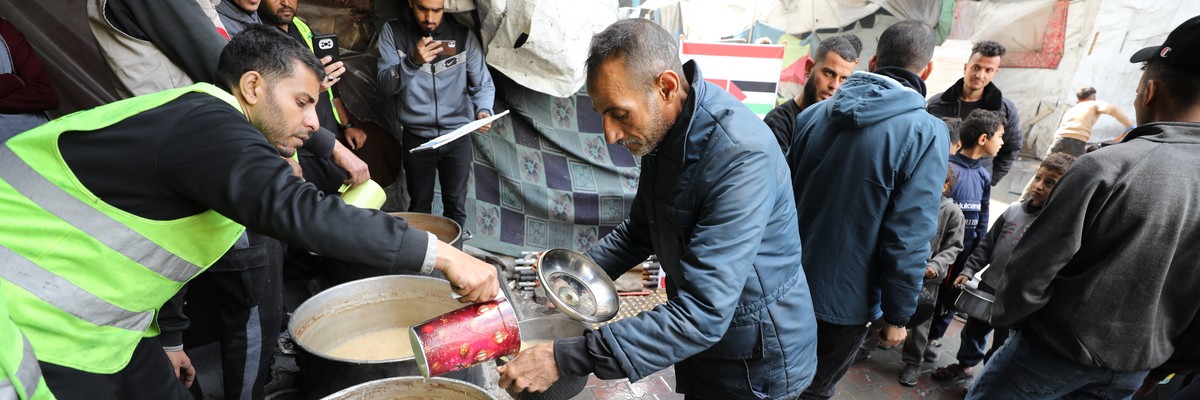
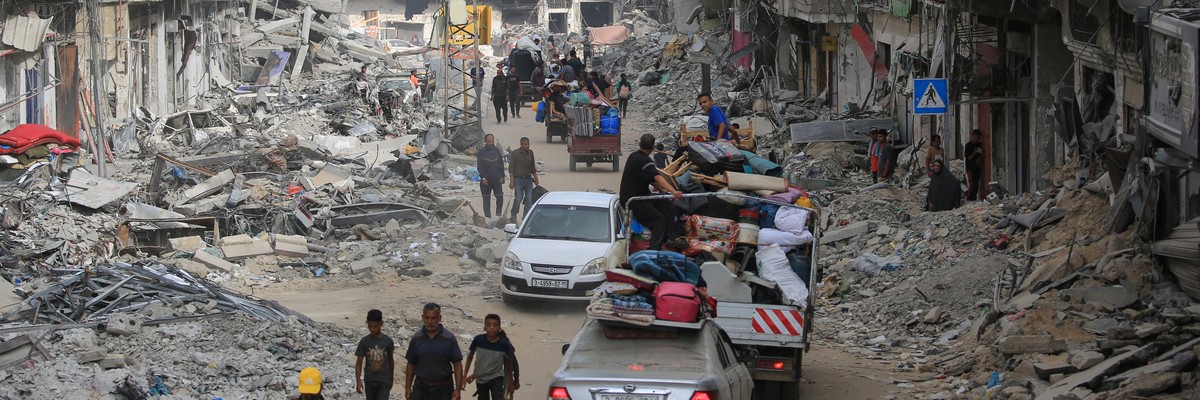
Displaced Palestinians from areas in east Khan Younis, Gaza flee after the Israel Defense Forces issued a new evacuation order for parts of the city on July 2, 2024.  (Photo: Eyad Baba/AFP via Getty Images)

“It means yet another day, week, chapter of misery for these hundreds of thousands of people,” said one United Nations worker.

Hearing once again from the Israel Defense Forces that they must evacuate to a so-called “humanitarian zone,” hundreds of thousands of Palestinian people in the southern Gaza city of Khan Younis on Tuesday were forced to search for safety ahead of a likely ground offensive in the city.

The United Nations Relief and Works Agency for Palestine Refugees in the Near East (UNRWA) said that roughly 250,000 people are living and seeking shelter in the evacuation zone—more than 10% of Gaza’s population of 2.3 million.

The evacuation order, which was posted on social media on Monday, also includes nearby localities including al-Qarara and Bani Suhaila.

The IDF said after the order was announced that patients and healthcare providers at European Hospital, the largest operating medical facility in Gaza, were not required to evacuate, but the hospital director told the Associated Press that most had already been relocated.

“The hospital staff and the patients decided to already evacuate themselves,” said Rik Peeperkorn, World Health Organization representative for the occupied Palestinian territories, in a press briefing. “We plea the European Gaza hospital will be spared, will be non-damaged.”

Peeperkorn said three patients remained at the hospital.

Since Israel began its assault on Gaza and its near-total blockade on humanitarian aid in retaliation for a Hamas-led attack in October, the IDF has attacked hospitals across the enclave, even as they have served as shelters for forcibly displaced people.

The IDF has ordered evacuations from places including northern Gaza and the southern city of Rafah—only to bomb so-called “safe” zones after displacing people.

In late May, at least 46 people were killed when Israel bombed a tent encampment in a “humanitarian area” in Rafah after beginning a full-scale ground invasion of the city, where more than a million people had been displaced. At least 25 people were killed in another attack on an encampment in the area last month.

Sam Rose, a planning director for UNRWA, told Al Jazeera that the latest evacuation order put a quarter of a million people in a “harrowing, horrific, and incredibly difficult” situation.

“It means yet another day, week, chapter of misery for these hundreds of thousands of people,” said Rose. “Most of them have been displaced several times. Some had just returned from Rafah where they were displaced a few weeks ago… They go without knowing precisely where they will end up because this evacuation order told people to go urgently—they know that if they don’t go out within 24 hours the worst is to come.”

Soon after the evacuation order, at least nine people were killed in an Israeli strike on a home near European Hospital in Khan Younis.

Rose noted that the coastal area of al-Mawasi, where many people will likely go, is “already so overcrowded. There is no room to pitch a tent, there is no water, no infrastructure, no sanitary services. Many spend the night in vehicles or they sleep on their donkey carts.”

Louise Wateridge, a spokesperson for UNRWA, told The Washington Post that the forced displacement is taking place amid temperatures over 86°F “every day.”

“Even the healthiest people will struggle to make a move in this heat with lack of food, with lack of water,” she said. “And then where do they go? That’s the next question.”

Ahmed al-Najjar, a 26-year-old resident of the Bani Suhaila neighborhood, told Agence France Presse that with nowhere to flee, his family has been forced to stay in the area after first attempting to leave.

“We did not know where we would go and we do not have enough money to buy a new tent,” he said. “We had to spend the night on the street and that has increased our stress. This morning we decided to go home again. There is nowhere else… Whatever happens, happens. We have nothing to lose now.”

The IDF’s apparent plan to expand its assault on Khan Younis came as The New York Times reported that security leaders in Israel are pushing for a cease-fire in Gaza, objecting to Prime Minister Benjamin Netanyahu’s plan to continue the assault until Hamas is eliminated—an objective even some top Israeli military officials believe is impossible—and all Israeli hostages are released.

The Times reported that senior military officials believe a cease-fire is the “swiftest way” to free captives remaining in Gaza.

Original article by JULIA CONLEY republished from Common Dreams under Creative Commons (CC BY-NC-ND 3.0). 

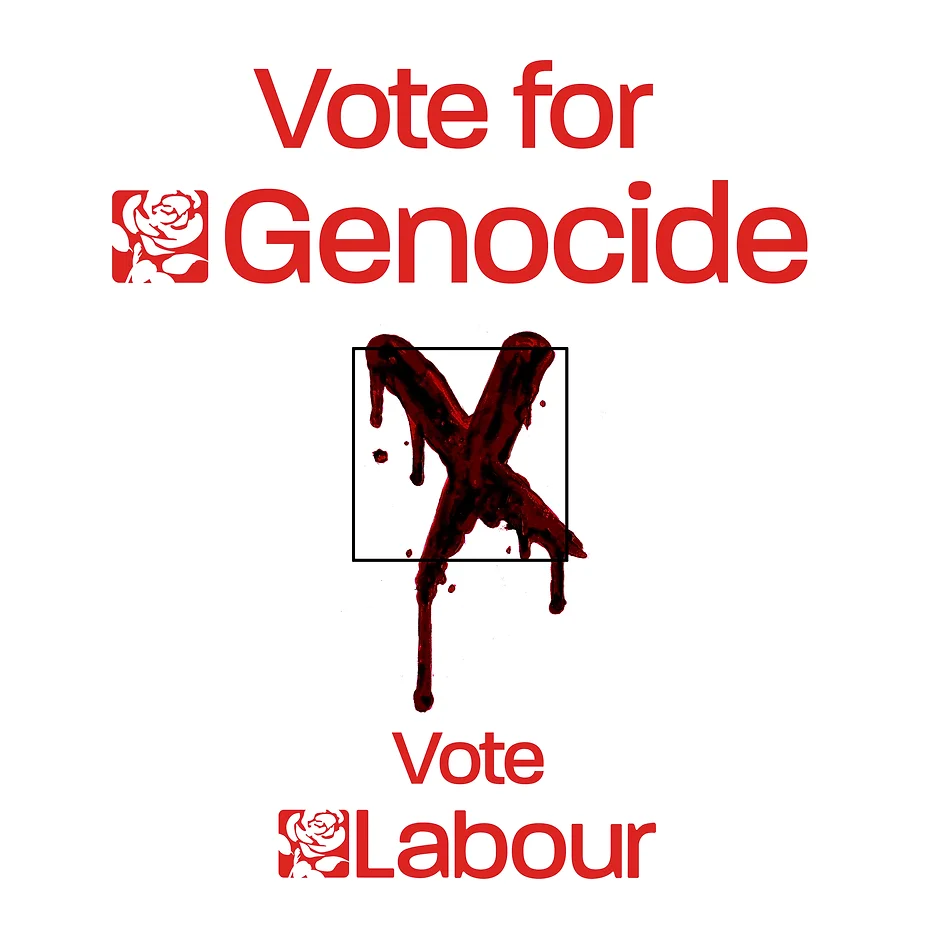
Vote For Genocide Vote Labour.
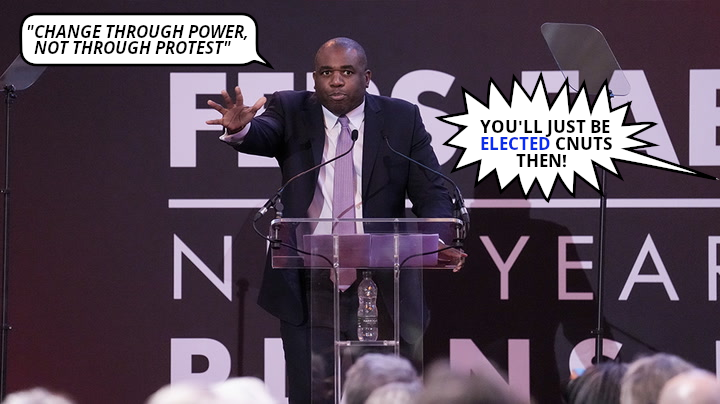
UK Labour Party Shadow Foreign Secretary repeatedly heckled at a speech to the Fabian Society over his and the Labour Party's support for and complicity in Israel's genocide of Gaza.
UK Labour Party Shadow Foreign Secretary repeatedly heckled at a speech to the Fabian Society over his and the Labour Party’s support for and complicity in Israel’s genocide of Gaza.
Continue ReadingIsraeli Bombings Kill More Palestinians as 250,000 Ordered to Evacuate Khan Younis

50,000 Gaza children require urgent treatment for malnutrition: UN

Spread the love

https://www.aljazeera.com/news/2024/6/15/over-50000-children-in-gaza-need-treatment-for-malnutrition-un-says

Internally displaced Palestinians walk in the courtyard of a destroyed UNRWA school [File: Mohammed Saber/EPA-EFE]

UNRWA warns people in Gaza face ‘catastrophic’ levels of hunger because of Israeli restrictions on humanitarian aid.

The UN agency for Palestinian refugees (UNRWA) says more than 50,000 children in the Gaza Strip require immediate medical treatment for acute malnutrition.

In a statement on Saturday, the agency noted “with continued restrictions to humanitarian access, people in Gaza continue to face desperate levels of hunger. UNRWA teams work tirelessly to reach families with aid, but the situation is catastrophic”.

UNICEF spokesperson James Elder also described how difficult it is to not only get aid into Gaza, but also to distribute it across the war-battered coastal enclave.

“More aid workers have been killed in this war than any war since the advent of the UN,” he told Al Jazeera.

On Wednesday, UNICEF had a mission to drive a truck full of nutritional and medical supplies for 10,000 children, Elder said. Their task was to deliver the aid, which was pre-approved by Israeli authorities, from Deir el-Balah to Gaza City, a 40km (25 miles) round trip.

“It took 13 hours and we spent eight of those around checkpoints, arguing around paperwork – ‘was it a truck or a van’,” he said.

“The reality is this truck was denied access. Those 10,000 children did not get that aid … Israel as the occupying power has the legal responsibility to facilitate that aid.”

https://www.aljazeera.com/news/2024/6/15/over-50000-children-in-gaza-need-treatment-for-malnutrition-un-says

Continue Reading50,000 Gaza children require urgent treatment for malnutrition: UN

As Gaza Starves, Israeli Minister Ben-Gvir Calls to Reduce Humanitarian Aid

Spread the love

Original article by JULIA CONLEY republished from Common Dreams under Creative Commons (CC BY-NC-ND 3.0). 

Israeli Minister of National Security Itamar Ben-Gvir speaks during an event on June 3, 2024 in Jerusalem. (Photo: Amir Levy/Getty Images)

The national security minister’s comments came as the number of Palestinian children who have died of malnutrition reached at least 30.

Humanitarian aid deliveries to Gaza remained almost entirely halted by Israeli forces on Friday, but Israel’s national security minister, Itamar Ben-Gvir, suggested he was dissatisfied with the mounting death toll from starvation and called for a complete blockade to be resumed.

“In our opinion Israel should withhold fuel from Gaza and reduce the humanitarian [aid] that enters,” Ben-Gvir said on social media, adding that he would not support a cease-fire deal put forward by Israel because it “would endanger the future of the state of Israel.”

Ben-Gvir’s comments came as just two crossings into Gaza were open—the Western Erez crossing from Israel into the northern part of the enclave and the Karem Abu Salem crossing, which has had “limited functionality” since May 8.

In recent days the number of aid trucks that have entered through the Karem Abu Salem crossing has plummeted from nearly 200 per day in early May to fewer than 50 per day, with as few as just one truck per day entering since mid-May.

With the Rafah crossing closed to all aid shipments since the Israel Defense Forces (IDF) launched a full-scale invasion of the southern city on May 6, deliveries through the Karem Abu Salem entry point is the best chance that people in Rafah and southern Gaza have for obtaining desperately needed relief.

More than 1 million Palestinians have been displaced to Rafah since Israel began its bombardment of Gaza in October, and the United Nations has said that roughly that number have again fled the city in the past month, trying to escape Israel’s incursion.

More than 36,000 Palestinians have been killed in Israel’s attacks since October, including at least 30 children who have died of starvation. Nearly all of them died in northern Gaza, where World Food Program Executive Director Cindy McCain said “full-blown famine” had taken hold last month.

Along with Israel’s closure of border crossings, Doctors Without Borders said this week that the “systematic obstruction at Israeli-controlled crossing points” has kept trucks from reaching people who need relief. Israeli officials have turned away deliveries that include certain items, like medical kits, that they say could have a “dual use.”

Louise Wateridge a communications officer for the United Nations Relief and Works Agency for Palestine Refugees in the Near East (UNRWA), toldCNN on Friday that intense military action has kept the Karem Abu Salem crossing from operating fully, leaving trucks full of relief deliveries stuck on the Israeli side.

“It’s just a complete waste of vital humanitarian aid, and it’s such a manmade situation,” Wateridge told the outlet.

Amid the ongoing starvation crisis, Ben-Gvir’s call to even further reduce humanitarian aid came a day after he said in a video posted to social media that Israel intends to “occupy all the land” in Gaza, establish settlements like those in the West Bank, and encourage the so-called “voluntary migration” of Palestinians from Gaza—echoing a call from Prime Minister Benjamin Netanyahu which rights advocates denounced as an open endorsement of ethnic cleansing.

Ben-Gvir has opposed a cease-fire deal supported by U.S. President Joe Biden, which calls for Israel’s withdrawal from population centers in Gaza, a release of hostages by Hamas in exchange for the release of hundreds of Palestinian detainees held in Israeli prisons, and Israel’s eventual withdrawal from the enclave entirely.

One researcher on Wednesday objected to Ben-Gvir’s portrayal in corporate media reports as a far-right extremist figure who is pushing Israel’s government toward a fringe movement.

“It’s time for people to stop calling [Finance Minister Bezalel] Smotrich, Ben-Gvir, and Netanyahu ‘fringe,'” they said. “They’re not fringe. They’re quite literally the figureheads of the Israeli establishment.”

Original article by JULIA CONLEY republished from Common Dreams under Creative Commons (CC BY-NC-ND 3.0). 

Continue ReadingAs Gaza Starves, Israeli Minister Ben-Gvir Calls to Reduce Humanitarian Aid

Israel subverts all international laws and rulings in its attack against Rafah

Spread the love

Original article republished from peoples dispatch under a Creative Commons Attribution-ShareAlike 4.0 (CC BY-SA) license.

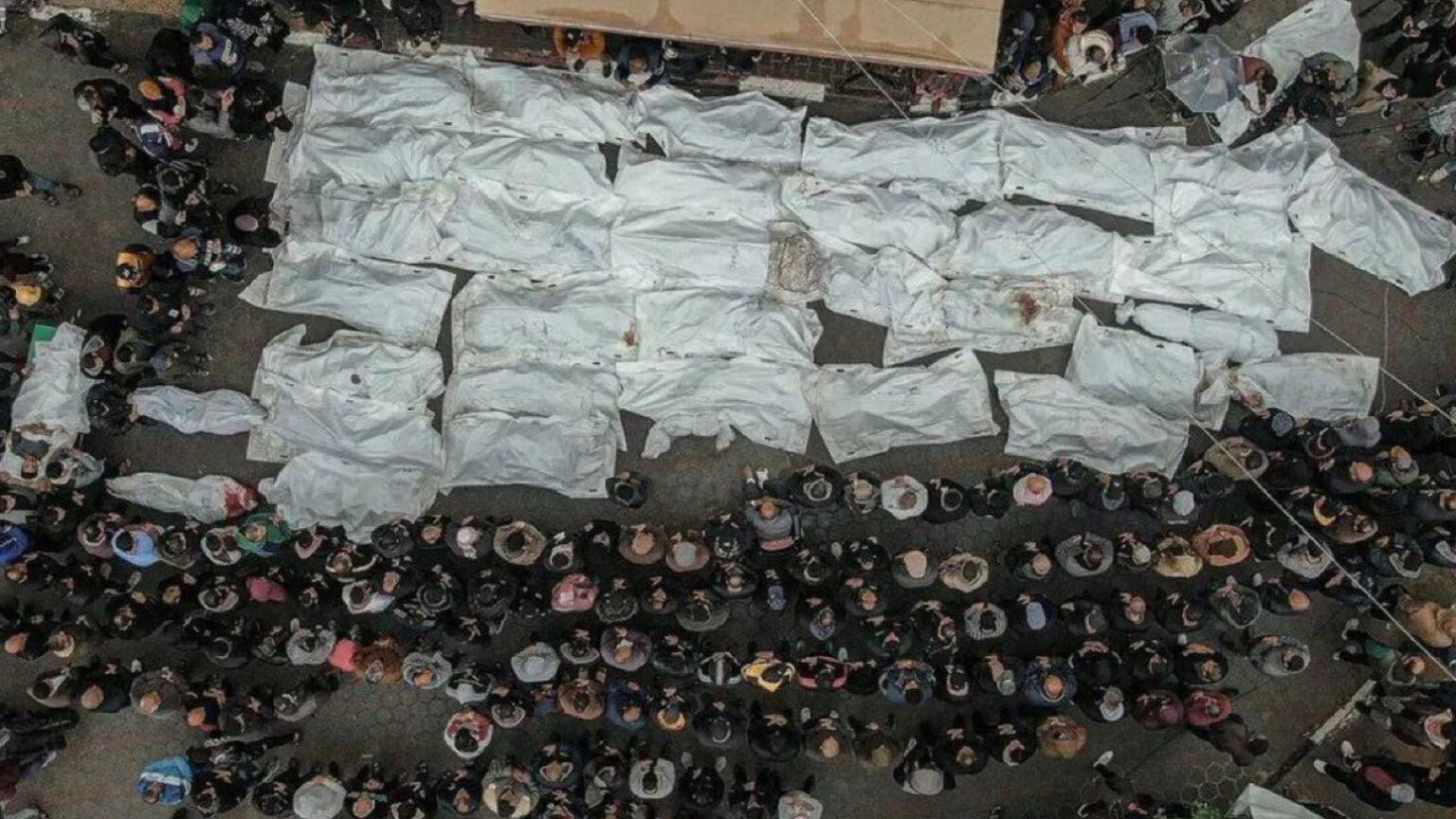
Palestinians perform funeral of victims of massacre in Rafah (Photo via Quds News Network/X)

Israel has intensified its attacks on Rafah in complete violation of the interim order of International Court of Justice (ICJ) on Friday, asking it to stop all attacks inside Rafah and open the border for greater humanitarian aid

At least 40 people, mostly women and children, were killed and scores of others were injured when Israel bombed a tent camp for displaced Palestinians in Rafah late in the evening on Sunday, May 26. 

The tent camp in Tal al-Sultan was recently built by UNRWA to shelter the Palestinians forced to move by Israeli forces from other parts of Rafah, and was a designated “safe zone,” Wafa News Agency reported.

At least eight Israeli missiles struck the camp in the late evening, when most were sleeping in the tents, causing a massive fire. According to the Palestinian Red Crescent Society (PRCS) hospitals in the region were already overcrowded and were in no position to handle all the injured in the attack.  

Videos and visuals of tents burning and people desperately trying to locate their loved ones in the chaos circulated on social media, along with a ghastly video of a headless body of a child, which volunteers pulled from the rubble.

The attack sparked worldwide condemnation, with even close allies such as France asking Israel to stop the attacks on Rafah. 

Several Arab countries demanded immediate UN Security Council intervention to stop the Israeli genocide of Palestinians. 

Chris Gunness, spokesperson of UNRWA told Al Jazeera that, “we are now seeing blatant disregard for the genocide convention. There is no exception to the Genocide convention. There are no excuses. This is a crime of crimes.”

Jeremy Cornyn wrote on X, “Palestinian children should wake up feeling excited to go to school and play with their friends. Instead, for those murdered in Rafah, their last moments on this earth were filled with unimaginable fear as bombs rained down on their tents. What a monstrous failure of humanity.

Ever since the beginning of the month, Israel has increased its attacks on Rafah, ignoring all the warnings and appeals made by the world community. It had ordered the evacuation of several eastern parts of Rafah, forcing nearly 800,000 Palestinians to relocate to new areas near the coast which do not even have basic facilities. 

Four days ago @IDF told Palestinians in Rafah to move to an area it calls “Block 2371,” designating it a “safe area.” This is the area “Israel” just bombed REFUGEE TENTS, carrying out a massacre. pic.twitter.com/SvxJWEpchE

— Ali Abunimah (@AliAbunimah) May 26, 2024

After claiming that the attack on Rafah was a response to Hamas’ attack, Israel termed it “very grave” and announced it has constituted an investigation in the attack on Tal al-Sultan in Rafah. 

More than 36,000 Palestinians, mostly women and children, have been killed by Israel in the 233 days of the war. The Israeli war has also injured over 81,000 other Palestinians so far. At least 160 Palestinians were killed in Israeli bombings in different other parts of Gaza on Sunday alone.

ICJ asks Israel to cease attacks, open Rafah borders 

Sunday’s attack was part of its increased assault on Rafah, particularly since the International Court of Justice (ICJ), as a provisional measure, asked Israel to stop such an attack on Friday. According to the Euro-Med Human Rights Monitor, Israel has struck Rafah at least 60 times since the ICJ order. 

The ICJ, in its interim order, had asked Israel to stop its attacks and open the border crossing with Egypt, which has been shut by it since May 7, hampering the flow of humanitarian aid in the war ravaged region. 

The ICJ issued a provisional measure asking Israel to comply with the Genocide Convention and “immediately halt its military offensive and any other action in Rafah governorate which may inflict upon the Palestinian group in Gaza conditions of life that would bring about its physical destruction in whole and in part.”

The decision was backed by 13 out of the 15 judges in the ICJ. 

The court also asked Israel to submit a report on the measures taken to implement the order within a month. 

The court was not convinced that Israel has taken enough measures to “enhance the security of civilians in the Gaza strip, and in particular those recently displaced from Rafah” as claimed by Israeli counsel during the hearing on the request made by South Africa in the court. 

Though ICJ orders are binding, Israel has refused to abide by them so far. Reacting to the judgment on Friday, Israel called it “outrageous, morally repugnant and disgusting.”

The provisional measures were granted in response to South Africa’s request made on May 10 under its original petition seeking action against Israel for its violations of Genocide Convention during the ongoing war in Gaza.

This was the third interim measure ordered by the ICJ since South Africa filed the petition in December. The Court issued an interim order in January asking Israel to take measures to prevent genocide in Gaza and increase aid delivery. A similar order was passed in March as well. 

Rafah is a narrow region in the southernmost tip of Gaza. Its population density has drastically increased, as it now shelters nearly 1.4 million people, over half of the total population of Gaza. Most of these people have been forcibly displaced by Israeli airstrikes and ground offensives in other parts of Gaza since the beginning of the genocidal war in October of last year. 

Original article republished from peoples dispatch under a Creative Commons Attribution-ShareAlike 4.0 (CC BY-SA) license.

Continue ReadingIsrael subverts all international laws and rulings in its attack against Rafah

‘Enough Is Enough’: South Africa Urges ICJ to Halt Israeli Assault on Rafah

Spread the love

Original article by JULIA CONLEY republished from Common Dreams under Creative Commons (CC BY-NC-ND 3.0).

South African legal adviser Cornelius Scholtz (L) and South African Ambassador to the Netherlands Vusi Madonsela attend a hearing at the International Court of Justice (ICJ) on Israel’s incursion in Rafah, Gaza, in The Hague on May 16, 2024. (Photo: Lina Selg/ANP/AFP via Getty Images)

Israel’s assault on Rafah provides “evidence of the crime of genocide,” one legal expert said. “This attack is the final blow that is intended to destroy the Palestinian group in Gaza.”

South African officials on Thursday made their case before the International Court of Justice to stop Israel’s brutal invasion of Rafah, warning once again that Israeli officials have displayed clear “genocidal intent” and “genocidal conduct” in their military campaign in Gaza.

The case for the ICJ to stop the attack on Rafah was made by a number of lawyers, legal experts, and ambassadors, with the South African representatives outlining the bare facts of Israel’s military campaign, blocking of humanitarian aid, and statements of intent, just as they did when the court heard South Africa’s original claim that Israel is committing genocide.

That case, argued in January, resulted in a preliminary ruling in which the court said South Africa had made a “plausible” case and ordered Israel to prevent genocidal acts by the Israel Defense Forces (IDF).

On Thursday, South Africa urged the ICJ to see that Israel has not followed that order.

“It is difficult to imagine that the situation could get worse” than it was in January, international law professor John Dugard told the court. “But unfortunately, it has… Israel has now commenced its long-threatened assault on Rafah. It has ordered the evacuation of Palestinians in Rafah to the barren sand dunes of Al-Mawasi. It has closed critical border crossings to humanitarian aid, medical supplies, goods, and fuel, upon which the population depends.”

“Israel’s actions are in violation of fundamental international humanitarian law, but in addition, they provide evidence of the crime of genocide,” Dugard continued. “This attack is the final blow that is intended to destroy the Palestinian group in Gaza.”

Watch the livestream of the ICJ hearing below:

The South Africans made their case as the U.N. Relief and Works Agency for Palestinian Refugees in the Near East (UNRWA) said Thursday that an estimated 600,000 people have now been forcibly displaced from Rafah by Israel.

Despite tepid warnings from the U.S.—the biggest international funder of the IDF—for Israel to avoid attacking “population centers,” the IDF this week has moved into dense residential neighborhoods in central Rafah.

The U.S. has also called for Israel to allow humanitarian aid into Gaza, but the IDF’s seizure of the Rafah crossing between the enclave and Egypt last week led the World Food Program (WFP) on Thursday to warn that food and fuel rations “will run out in a matter of days.” Dozens of Palestinians have been starved to death so far by Israel’s blocking of relief shipments.

“The threat of famine in Gaza never loomed larger,” said the WFP as South Africa made its case in The Hague.

Three months after giving a 22-minute speech detailing the numerous statements of genocidal intent made by top Israeli officials since the Gaza assault began in October, South African lawyer Tembeka Ngcukaitobi during Thursday’s hearing, used the more recent words of Israeli Finance Minister Bezalel Smotrich, who publicly described the aim of the Rafah invasion as “total annihilation.”

In his presentation before the court, Ngcukaitobi invoked Smotrich’s language by arguing that the Rafah incursion “is the last stage of ‘total annihilation’ of Palestinian life.”

“For Palestinians to be able to continue to exist as a protected group under the Genocide Convention, they need a place from which to rebuild,” he continued. “Rafah is that place, the last stand… Without Rafah, the possibility to rebuild will be lost forever.”

In her speech, Irish lawyer Blinne Ni Ghralaigh outlined other developments in Gaza since the ICJ issued its preliminary ruling that illustrate the need for the court’s “invaluable intervention.”

Ni Ghralaigh detailed the destruction of hospitals like Al-Shifa, where mass graves have been found with the remains of women, children, and medical workers, and warned that “the same fate now awaits Rafah’s remaining hospitals, doctors, and medics.”

She also pointed to evidence that the IDF is treating evacuated areas as “extermination zones,” where soldiers are ordered to kill any remaining people, and its use of an error-prone AI system to target Palestinians.

The South African legal team said the court must order Israel “to immediately take all effective measures to ensure the access of persons able to investigate ongoing atrocities,” and called on the ICJ to “at least modify its provisional measures” from March, when it demanded that Israel allow humanitarian aid into Gaza.

“The court has the power to modify or make an explicit order for Israel to cease its military operations in Rafah, Gaza, and to withdraw from the Gaza Strip,” said Ni Ghralaigh, pointing out that the provisional measure from March could only take full effect if a cease-fire agreement was reached.

“No such resolution is in place. The court must itself, therefore, create the circumstances necessary for its provisional measures to take full effect. It must order Israel to cease its military operations system finally,” she said. “Enough is enough.”

Israel is expected to address the ICJ at a second day of hearings on Friday.

Original article by JULIA CONLEY republished from Common Dreams under Creative Commons (CC BY-NC-ND 3.0).

Continue Reading‘Enough Is Enough’: South Africa Urges ICJ to Halt Israeli Assault on Rafah