A budget totally out of step with what people want and need.
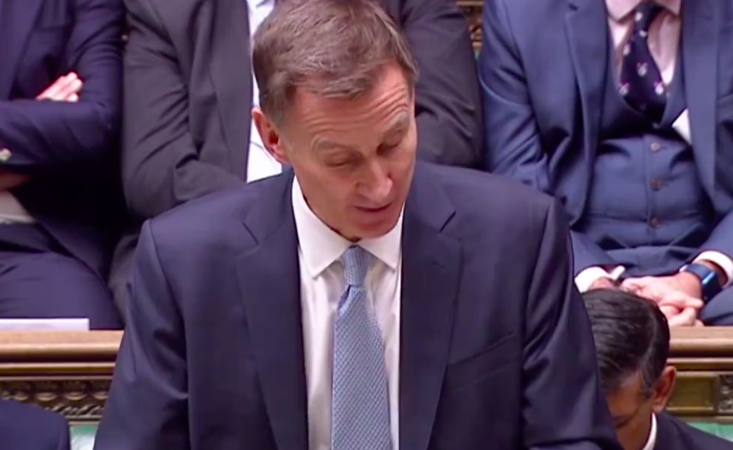
Today [yesterday] saw Chancellor Jeremy Hunt deliver his much-awaited Spring Budget. The stakes couldn’t be higher, with the economy in recession, millions struggling to make ends meet and a forthcoming general election.
In what is likely to be the last budget, and possibly the final fiscal event before the general election later this year, Hunt sought to present a rosy picture of the economy, one which is totally divorced from reality.
A budget totally out of step with what people want and need, opinion polls have repeatedly shown that the British public prefer investment in public services rather than tax cuts. There was no bold and radical plan to get the UK economy out of economic stagnation, to tackle poor productivity or to improve public services.
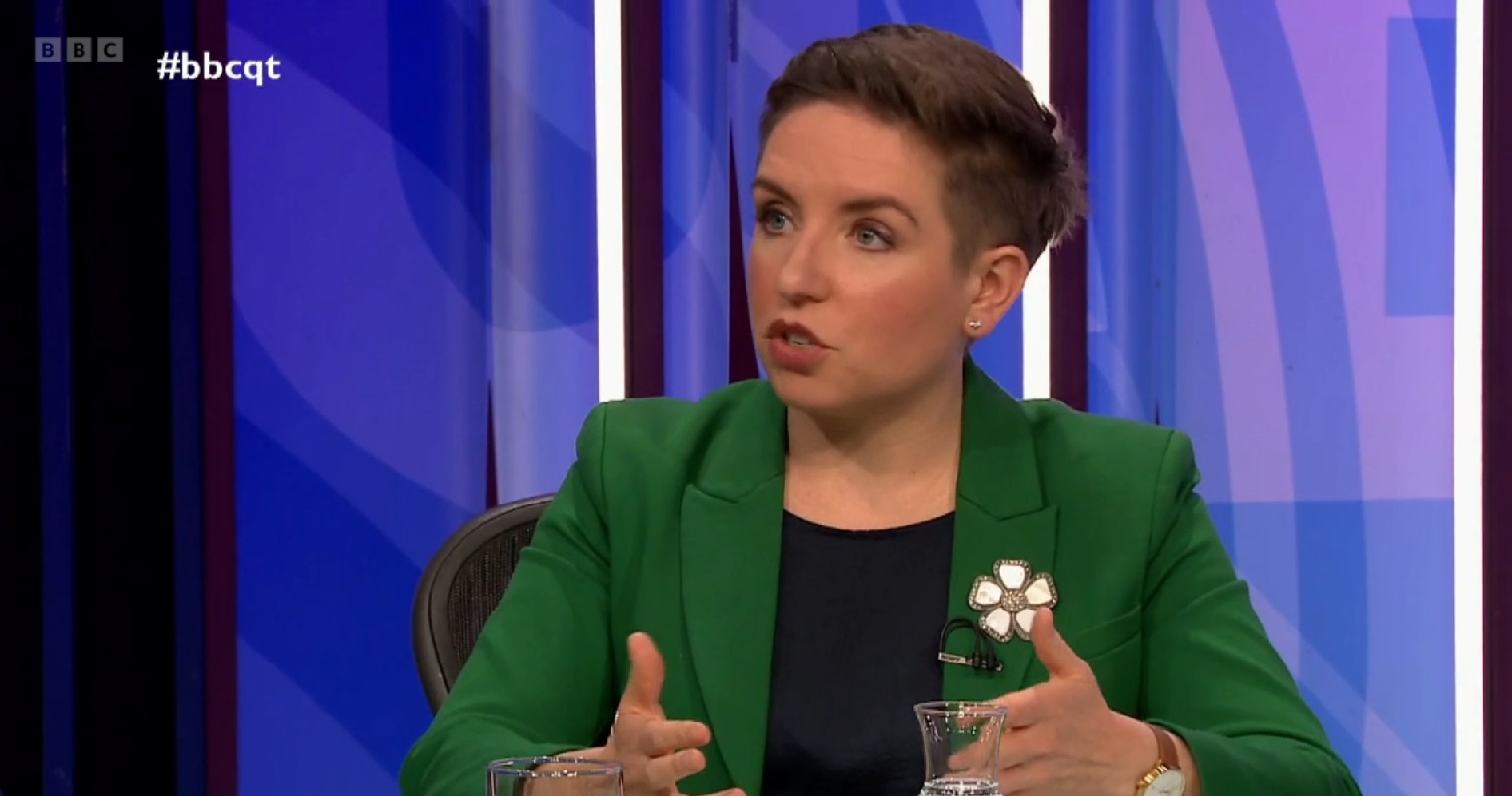
Image of the Green Party’s Carla Denyer on BBC Question Time.
“People can see through these pre-election tax bribes that will have to be paid for by cuts to our NHS and other vital public services,” says Green Party co-leader Carla Denyer.
Denyer said:
“People are crying out for investment in social care, in our NHS and in dentistry. We needed a ‘care full’ Budget but have ended up with a careless, reckless Budget.
“Chancellor Jeremy Hunt is attempting to bribe the electorate through tax cuts, which can only mean more pain for public services that are already on their knees.
“People won’t be richer, healthier or happier because of this Budget. People know a con when they see one.
“Councils are going bust up and down the country, NHS waits are getting longer, dentists can’t be found, while anyone travelling by train or bus, or visiting our town centres feels the lack of investment all around them.
“These headline tax cuts will do nothing to reverse the decade-long, real-terms wage freeze most workers have faced under successive Conservative governments.
“There is wealth in the UK, but it is distributed unfairly. Our economy is failing because our wealth, rather than circulating and benefiting everybody, is held in the stagnant assets of the super-rich.
“So, we needed a Budget that released the money available from a wealth tax to invest in the green jobs of the future, to cut NHS queues and restore nature and the places we live and work.
“That would have provided the vital public investment our country is crying out for.
“Now we have Labour huffing and puffing but offering no real alternative to being locked into a Conservative-forged cuts straitjacket.
“Thankfully, a General Election is coming where people can vote Green for the real change that will lead to a fairer, healthier and more caring country.”
Tories devastating record set to continue unless Budget delivers ‘desperately needed measures’ to recover living standards
In a bleak assessment of the Tories track record, the 2020s are on course to be the ‘second lost decade’ in living standards, a leading charity has warned the Chancellor ahead of his Spring Budget announcement.
Leading anti-poverty charity, Joseph Rowntree Foundation (JRF) published the damning report on Monday, warning that, without political intervention, this Wednesday’s budget risks condemning Britain to another decade of declining living standards.
Based on current government spending plans, working families could be £1,900 a year worse off by 2029 than in 2021. While essentials are predicted to remain less affordable relative to post tax earnings until 2029.
The cutting analysis of the UK’s economic trajectory is a warning to Jeremy Hunt that if he fails to deliver immediate measures to support living standards in the coming budget, then this will be the result.
Decisive intervention from policy makers is what the charity has urged, as it warned that many families will be poorer by the end of the 2020s than at the start. While the Chancellor must prioritise providing long-term economic security for households requiring “the right political will” to turn the situation around.
Currently, post-tax earnings are £2,400 a year lower for the average working family than they were in 2021, while essential goods and services for the average family are £270 a year more expensive than at the beginning of 2021, the JRF research found.
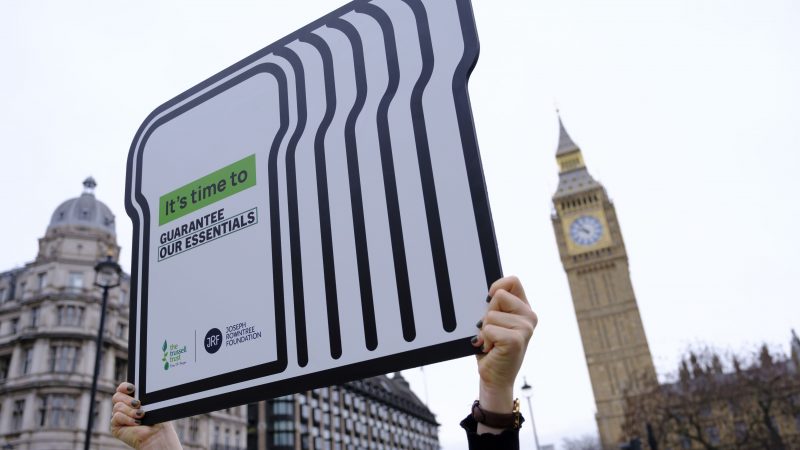
A petition calling on the government to take urgent action to support the introduction of an Essentials Guarantee was presented to political parties in Westminster this week.
Research commissioned by the Trussell Trust has found more than half of recipients of Universal Credit do not have enough money for food.
The study was carried out by YouGov on behalf of the Trussell Trust. It found that 2.4 million claimants (37 percent) had fallen into debt because they could not keep up with essential bills. Two in five (42 percent) reported being behind on one or more household bill.
The research suggested that 780,000 claimants of Universal Credit had been driven to use a foodbank during the month December 2023 to January 2024. More than half of the recipients who were surveyed said they had run out of food. In the previous 12 months, 22 percent of Universal Credit claimants reported being unable to cook hot food as they could not afford to use their own or other utilities. 52 percent said they were behind on their bills and credit commitments or were finding keeping up with them a constant struggle.
From April, the £90 weekly Universal Credit standard allowance is £30 less than the weekly cost of essential items for a singly person, says the charity. It is calling on the Chancellor to provide greater support for people on the lowest incomes in next week’s Spring Budget, including an extension to the Household Support Fund.
UK’s largest water company also calls for dividend payouts and lower fines for breaches to avoid taxpayer bailout
Thames Water has been lobbying the government and regulators to let it increase bills by 40%, pay lower fines for breaches and keep paying out dividends as part of efforts to avert a taxpayer bailout, according to a report.
The UK’s largest water company was trying to strike a deal with the watchdog Ofwat that would give it permission to charge customers more to avoid having to be taken over by court-appointed special administrators, the Financial Times reported.
That plan would give Thames Water permission to increase bills by 40% by 2030, while also offering more leniency around regulator fines and rules around the dividends it can pay to shareholders.
It comes as the company, which serves more than 15m households, attempts to deal with a debt pile of £14bn and widespread criticism over sewage dumping.