‘It is time our energy infrastructure was brought back into public ownership,’ Unite general secretary says
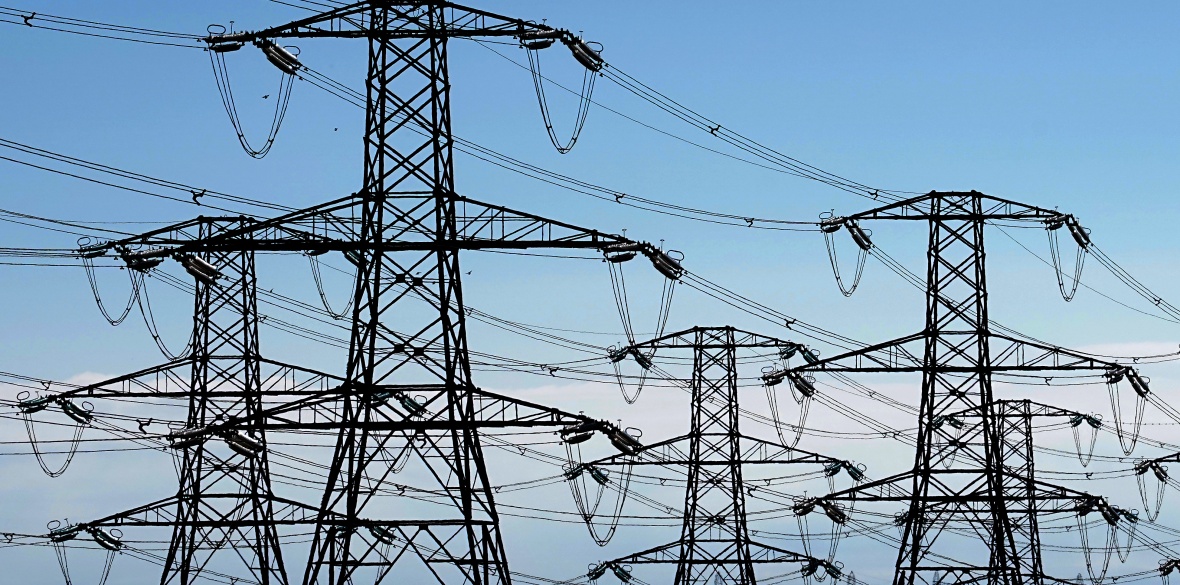
CAMPAIGNERS intensified their demands for energy infrastructure to be brought back into full public ownership today after the National Grid posted a 14 per cent increase in underlying profits.
The firm, which builds and runs power grids and cables across Britain, reported an underlying operating profit of £2.05 billion for the six months until September 30, surpassing £1.8bn in the same period last year.
The grid charges energy suppliers for network use. Costs are then passed on to consumers through their bills, which rose by another 10 per cent last month.
In 2023, National Grid shareholders received £1.6bn in dividends, while six million households remained trapped in fuel poverty amid skyrocketing costs.
Unite general secretary Sharon Graham said National Grid’s profits “lay bare” Britain’s broken energy system.
She said: “Energy profiteers like National Grid are extracting cash for overseas shareholders through ever more expensive bills.
“It is time our energy infrastructure was brought back into public ownership so that the British people and economy benefit rather than foreign wealth funds.”
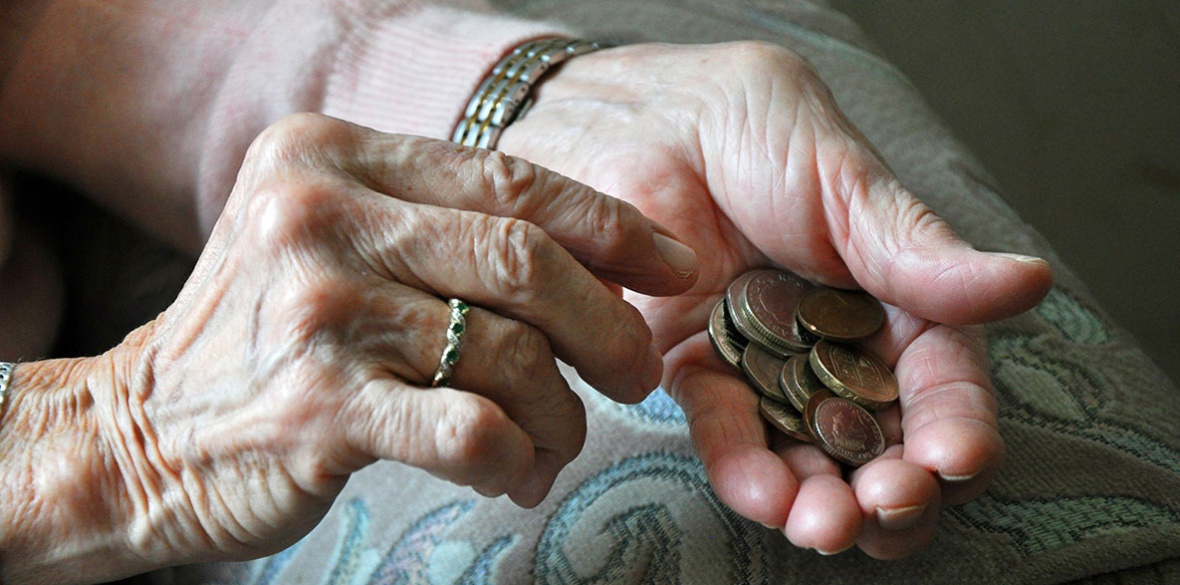
TRADE unionists and pensioners will mobilise on Monday to demand the government reverse its axing of the winter fuel allowance.
Unite, the National Pensioners Convention (NPC) and the Scottish Pensioners’ Forum will head a mass demonstration outside Parliament calling for the allowance to be restored to all pensioners.
During Labour’s annual conference last month, Unite defeated the party leadership when it won support for a motion demanding the restoration of the allowance and the introduction of a wealth tax to fund it.
The union is campaigning under the slogan “Defend the Winter Fuel Payment.”
Unite general secretary Sharon Graham said: “The government’s winter fuel policy needs to be reversed. Picking the pockets of pensioners is not a tough choice — it is a mistake
Delegates defy Starmer by voting to reject the callous cut to pensioners’ winter fuel allowance after Unite chief’s barn-storming speech
LABOUR conference defied Sir Keir Starmer today and voted to reject the callous cut to pensioners’ winter fuel allowance.
Delegates backed a motion from Unite the union demanding that the government “reverse the introduction of means-testing for the winter fuel allowance.”
It also urged Labour to scrap the “fiscal rules which prevent borrowing to invest” and introduce a wealth tax on the top 1 per cent and an excess profits tax.
In a barn-storming speech, Unite general secretary Sharon Graham recalled how the 1945 Labour government had rebuilt the country despite debt ratios three times the level of today.
She said: “People simply do not understand, I do not understand, how our new Labour government can cut the winter fuel allowance for pensioners and leave the super-rich untouched.
“This is not what people voted for. It is the wrong decision and needs to be reversed.
“We are the sixth-richest economy in the world. We have the money. Britain needs investment, not austerity mark two. We won’t get any gold badge for shaving peanuts off our debt.
“These fiscal rules are self-imposed and the decision to keep them is like hanging a noose around our necks.
SIR KEIR STARMER is facing a possible Labour rebuke over his deeply unpopular plans to cut winter fuel benefits for pensioners.
The party’s largest affiliate, Unite, will try to force a vote on the issue at Labour’s conference, which opens in Liverpool on Sunday.
Unite’s motion also calls for the scrapping of the Treasury’s fiscal rules, which have placed the new government’s spending plans in a strait-jacket.
It urges Labour to borrow more to invest in public services and infrastructure and says that “workers and communities voted for change — a better future, not just better management and not cuts to the winter fuel allowance.”
Calling for a U-turn on the winter fuel cut, the motion added: “We need a vision where pensioners are not the first to face a new wave of cuts and those that profited from decades of deregulation finally help to rebuild Britain.”
The attitude of other affiliated unions will be critical to the success of the motion, which will have to leap procedural hurdles to be debated, something submissions from large unions usually accomplish.
Left MPs and trade unionists accuse Sir Keir of choosing austerity, pain and poverty instead of taxing the super-rich
LEFT MPs warned today that pain and poverty are on the way after Prime Minister Sir Keir Starmer told the country that “things will get worse.”
Responding to a keynote speech by the PM warning of a “tough” Budget coming in October, the group of five independent left MPs warned that “politics is about choices — and the government is choosing to inflict pain and poverty across the country.”
And Unite general secretary Sharon Graham said “a bleak vision of Britain is not what we need now. It is time to see the change that Labour promised.”
…
The left MPs, including former Labour leader Jeremy Corbyn, ridiculed this stance, pointing out that when “the government said it would lower energy bills, it cut winter fuel allowances for pensioners instead.
“The government said it wanted to reboot our economy, it wants to cut public investment instead.
“The government said it would put an end to 14 years of Tory failure, it voted to keep the two child benefits cap instead.”
Returning to the racist riots, Starmer said that these were unmistakably inspired by the far right (but no words on those who fanned the flames), but there was an element of opportunism at work – an opportunism born of the Tories’ dereliction of duty. Those who rioted knew the criminal justice system was teetering on the brink and prison places were at a premium, and acted as though there wouldn’t be any arrests, let alone jail terms. Thanks to Tory recklessness. And, to a degree, Starmer corrected his reluctant earlier response by condemning efforts at trying to burn down hotels full of human beings (a rare moment of humanising asylum seekers in British politics) and praising communities who came together in the riots’ aftermath to rebuild. Note he didn’t go as far as the King, but again thanked the police and first responders for their service. Starmer therefore condemns the riots as a failure of Tory statecraft, passes over the role of communities and anti-fascists in defending themselves, praises the spirit of resilience, and then returns to the agents of the state as the legitimate saviours of the situation.
The second part was focused on the state itself. Starmer talked a lot about the £22bn “black hole” in state finances which, in reality, only exists because of how the Chancellor has chosen to frame public spending. Hence the tough decision of scrapping the Winter Fuel Allowance for all pensioners not in receipt of pension credits. This is being taken away so the NHS can be fixed. Likewise, when challenged on above inflation pay rises for public sector workers and railway workers, Starmer’s defence owed nothing to the injustices these deals partly correct and everything to economic efficiency, getting the health service working, and so on. It was the right decision not by the workers, but by the state.