A tanker pumps out excess sewage from the Lightlands Lane sewage pumping station in Cookham, Berskhire, January 10, 2024
THAMES WATER’s debts have ballooned to £16.8 billion and it made a loss of £1.65bn in the year to March, the company revealed today, sparking fresh calls for renationalisation.
Appearing before the Commons environment committee, chief executive Chris Weston admitted that the company was “extremely stressed” and would take “at least a decade to turn around.”
Britain’s largest water supplier also revealed a sharp increase in pollution incidents over the past year.
Gary Carter, a national officer at water industry union GMB, said: “Thames Water is drowning under a mountain of debt.
“Hiking customer bills has led to a rise in operating profit, money that should go on investment but is being swallowed up by monstrous loans needed to keep the company afloat.
“While Thames lurches from crisis to crisis, the solution is clear: it must be taken back into public ownership, with workers’ terms, conditions and pensions protected.”
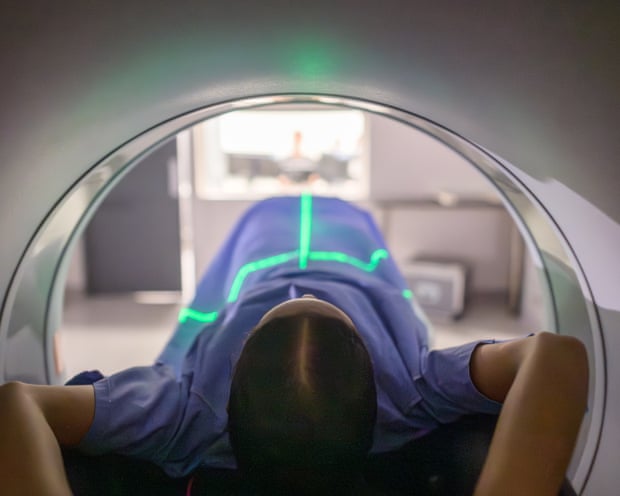
Labour has pledged to double the number of scanners in English hospitals over the course of the parliament. Photograph: wilpunt/Getty Images
‘Shocking statistics’ prompt calls for government funding to replace broken and obsolete medical devices
Almost 100 people have died and 4,000 have been harmed after equipment malfunctions in the NHS in the past three years, prompting calls for more government funding to upgrade broken and obsolete medical devices.
A defibrillator advising paramedics not to administer a shock, an emergency alarm system on a neonatal ward failing, and the camera on an intubation device going dark were just three failures after which patients died.
They are included in figures released for the first time by NHS England that show patients were harmed after 3,915 equipment malfunction incidents – with 87 being followed by a death – since 2022.
Paul Whiteing, the chief executive of Action against Medical Accidents, said: “These are shocking statistics. Behind these numbers are real people who are needlessly harmed, the impact of which will be life-changing and traumatic.
“The scale of the harm and loss of life that has resulted from basic equipment failures and malfunctions shows in stark relief the scale of the tragedy that has resulted from years of underfunding in the NHS.”
…
Matthew Taylor, the chief executive of the NHS Confederation, said: “Modern, up-to-date equipment such as scanners, defibrillators and patient monitors are absolutely essential for hospitals to run safely and more productively. But due to more than a decade of being starved of capital investment, NHS staff have been left with no option but to extend the life of obsolete equipment, which, as this research shows, is putting patients at unnecessary risk and leading to tragic avoidable harm.
“While the additional investment the government has pledged has been a welcome start, without sufficient capital funding it will be hard for the NHS to maintain the standards patients rightly expect and to deliver the government’s ‘plan for change’ promise to cut waiting times.”
Lynn Perry, Chief Executive of the children’s charity Barnardo’s, says: ‘The Spring Statement today offered little hope to the 4.3m children and their families who are living in poverty. In fact, the welfare changes announced today will make things even worse, putting an extra 50,000 children into relative poverty. These children face devastating impacts on their health, well-being and life opportunities long into adulthood.
‘While we welcome the investment to recruit 400 new foster carers, much more action is urgently needed to achieve the government’s ambition to create the healthiest generation of children. Planned freezes to universal credit will add to the worry facing families already struggling to make ends meet. Looking ahead to the Spending Review, we urge the government to prioritise investment in lifting children out of poverty – an investment in children is an investment in the country’s future.’
…
Dr Sarah Hughes, CEO of mental health charity Mind, adds: ‘The extra cuts to benefits announced today are devastating and will push more people into a mental health crisis.
‘It’s a political choice to try fixing the public finances by cutting the incomes of disabled people, including people with mental health problems. Benefits are a lifeline for so many people. Cuts will push people into poverty. This is policy making by numbers with little recognition of the impact on real people’s lives.