DWP launches entirely bogus Green Paper consultation

Spread the love
Keir Starmer explains the moral case for cutting disability benefits. He says work will set you free.

https://www.benefitsandwork.co.uk/news/dwp-launches-entirely-bogus-green-paper-consultation

The DWP has launched an entirely bogus consultation on changes to personal independence payment (PIP) and universal credit (UC) by refusing to consult on almost everything that matters most to claimants.

The Pathways to Work: Reforming Benefits and Support to Get Britain Working Green Paper sets out proposed changes to PIP, including preventing anyone who does not score at least one 4 point or more descriptor from being eligible for the daily living component.

It also proposes to freeze the LCWRA (health) element of UC and abolish the WCA.

Non-consultation

Yet the list of things that the DWP is refusing to consult on, meaning there are no questions about them in the online consultation, includes:

  • Scrapping the WCA
  • Creating a single assessment for PIP and the UC health element
  • Freezing the health element of UC until 2029/30
  • Only awarding PIP daily living if you get at least one descriptor scoring 4 or more points
  • Restarting WCA reassessments until the WCA is scrapped

(You can find a full list of the issues the DWP will and won’t be consulting on at Annex A of the Green Paper).

Leading questions

Instead of asking for feedback on these vital issues, the consultation asks questions that make the assumption that participants accept that people should lose their PIP:

2. What support do you think we could provide for those who will lose their Personal Independence Payment entitlement as a result of a new additional requirement to score at least 4 points on one daily living activity?

3. How could we improve the experience of the health and care system for people who are claiming Personal Independence Payment who would lose entitlement?

Article continues at https://www.benefitsandwork.co.uk/news/dwp-launches-entirely-bogus-green-paper-consultation

Keir Starmer explains that he feels no shame or guilt benefiting personally from gifts from the rich and powerful while insisting on policies of severe austerity.
Continue ReadingDWP launches entirely bogus Green Paper consultation

Disabled activist in court to challenge benefit assessment reforms

Spread the love

https://morningstaronline.co.uk/article/disabled-activists-court-challenge-benefit-assessment-reforms

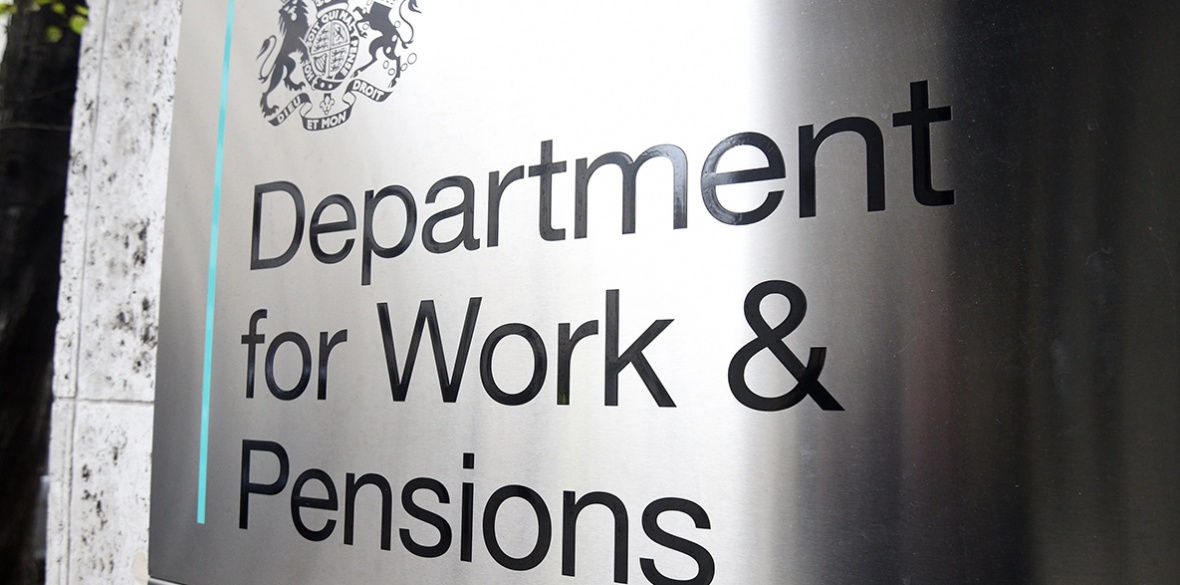
Department for Work & Pensions in Westminster, London

DISABLED activist Ellen Clifford began her legal challenge against the Department for Work and Pensions (DWP) today over the government’s “disingenuous” consultation on tightening the Work Capability Assessment.

Ms Clifford, represented by lawyers from Public Law Project, appeared at the High Court in London for the first of a two-day hearing to argue that the consultation was unlawful as it did not properly explain the conditions of the proposed changes.

The challenge also argues that the primary motive behind the consultation, which ran for eight weeks in 2023, was to reduce spending on disability benefits rather than to get more people into work.

Disability rights campaigners affected by the proposed changes also held a vigil outside the Royal Courts of Justice today.

Ahead of the hearing, Ms Clifford said: “More than 400,000 people will be worse off by £416 a month if the changes proposed in this consultation go ahead.

“And then there is the risk that people will lose even more money if they are sanctioned for not being able to comply with conditions they will now need to fulfil in order to receive their benefits.

“To be blunt, this would be cataclysmic for deaf and disabled people in the UK and would push many into destitution.”

https://morningstaronline.co.uk/article/disabled-activists-court-challenge-benefit-assessment-reforms

Keir Starmer confirms that he's proud to be a red Tory continuing austerity and targeting poor and disabled scum.
Keir Starmer confirms that he’s proud to be a red Tory continuing austerity and targeting poor and disabled scum.

Continue ReadingDisabled activist in court to challenge benefit assessment reforms

Braverman’s consultation on anti-protest laws was ‘only open to police’

Spread the love

Original article by Anita Mureithi republished from OpenDemocracy under a Creative Commons Attribution-NonCommercial 4.0 International licence

Liberty’s lawyers say police feedback was ‘directly incorporated into the final text’ of Braverman’s anti-protest laws  | Richard Baker / In Pictures via Getty Images

High Court told government only sought feedback from people it knew would agree with its controversial changes

Only police were consulted on anti-protest laws before they were forced through by the UK government, according to human rights lawyers suing the home secretary.

Campaign group Liberty has been in court this week challenging James Cleverly over amendments to the Public Order Act that were pushed through by his predecessor, Suella Braverman, last year.

Liberty was given permission to take legal action against Braverman in October after she used secondary legislation – subject to less parliamentary scrutiny – to strengthen police powers to shut down protests that cause “more than minor disruption to the life of the community”.

The group says Braverman’s actions amounted to a “serious overreach” and that she acted unlawfully because the changes to the law had already been rejected in the House of Lords.

And Liberty has labelled a consultation on the proposed laws in 2022 as “one-sided” and “unfair” – because the Home Office only consulted police. The government gave the Met, Staffordshire Police, Essex Police, the National Police Chiefs’ Council, and the College of Policing opportunities to give their views on the legislation, but did not seek input from anyone who might be impacted by the laws.

Liberty argued: “The [home secretary] voluntarily embarked upon a process of consultation about the contents and drafting of the regulations but then only consulted a narrow group of stakeholders in support of the amendments rather than an even-handed group representative of all those whose interests may be adversely impacted.”

Its lawyers also say police feedback was “directly incorporated into the final text” of the amendments to the Public Order Act, including on the definition of “serious disruption to the life of the community”.

The new powers have been criticised by Liberty and other human rights groups due to the vagueness of the new language, which campaigners say allows police to shut down almost any protests. The changes forced through by Braverman mean officers can interfere with and arrest anyone taking part in protests that they believe will cause “more than minor disruption to the life of the community”.

Police feedback on “cumulative disruption” was also included in the final amendments to the act. Under this law, officers must take into account all “relevant cumulative disruption”, regardless of whether or not your protest is related to any other protest or disruption in the same area. Before this amendment, there was no explicit requirement for police to consider this.

While the government held multiple meetings with police representatives in December 2022 to seek input and “refine policy”, Liberty argues that the fact that no rights groups or members of the public were consulted is rooted in “procedural unfairness” and that the changes must be reversed.

Katy Watts, Liberty’s lawyer leading the case said: “The government has shown it’s determined to put itself above the law, avoid scrutiny and become untouchable – so it’s no surprise it only consulted people it knew would agree with its new law.

“Our democracy exists to make sure a government can’t just do whatever it wants, and an important part of that is consulting a wide range of voices on new laws – especially those likely to raise reasonable concerns. This improves government decision making and helps to make our laws better. The government’s failure to do this is just one of the ways it acted unlawfully when it forced these powers though.”

The laws were initially brought in to clamp down on protests by climate activist groups like Just Stop Oil, Insulate Britain, and Extinction Rebellion, but other protesters are now also being targeted.

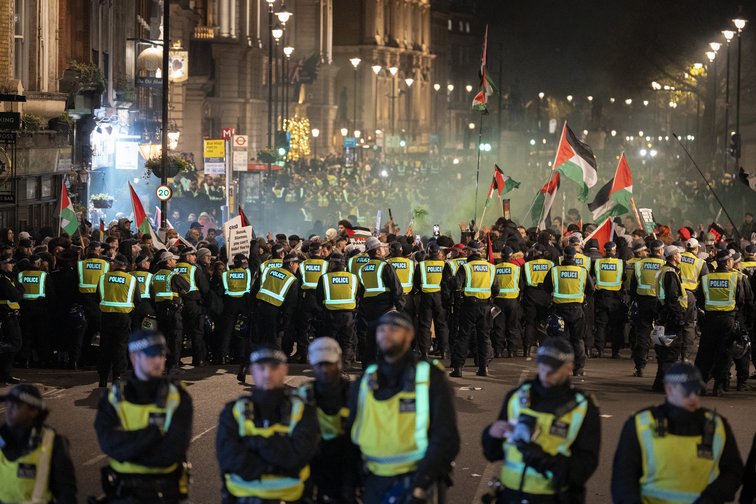
The government has accused pro-Palestine protesters of “hijacking legitimate protests”, “shouting down and coercing elected representatives”, and has also called them “un-British” and “undemocratic”.

In a new ‘defending democracy policing protocol’ released this week, the government pledged £31m of additional funding to protect MPs after safety fears were raised.

The Home Office said it wants to “protect the democratic process from intimidation” but according to its own policy paper, only met with police representatives from the National Police Chiefs Council, the Association of Police and Crime Commissioners, and the College of Policing.

The Home Office did not respond to a request for comment.

The two-day hearing ended yesterday and Liberty’s lawyers expect a decision could take up to three months.

Original article by Anita Mureithi republished from OpenDemocracy under a Creative Commons Attribution-NonCommercial 4.0 International

licence

OpenDemocracy’s free daily email

Protest isn’t harassment, says group suing UK government over law change

Home Office ‘did not discuss’ Islamophobia risk in wake of Hamas attacks

Continue ReadingBraverman’s consultation on anti-protest laws was ‘only open to police’