New oil and gas field consent was unlawful – judge

Spread the love

https://www.bbc.com/news/articles/c3e1pw7npklo
A court has ruled that consent for two new Scottish oil and gas fields was granted unlawfully and their owners must seek fresh approval from the UK government before drilling can begin.

The written judgement on the Rosebank and Jackdaw fields came after a case brought by environmental campaigners, Uplift and Greenpeace, at the Court of Session in Edinburgh.

In his judgement, Lord Ericht said a more detailed assessment of the fields’ environmental impact was required, taking into account the effect on the climate of burning any fossil fuels extracted.

He said work on both fields could continue while the new information was gathered but no oil and gas could be extracted unless fresh approval was granted.

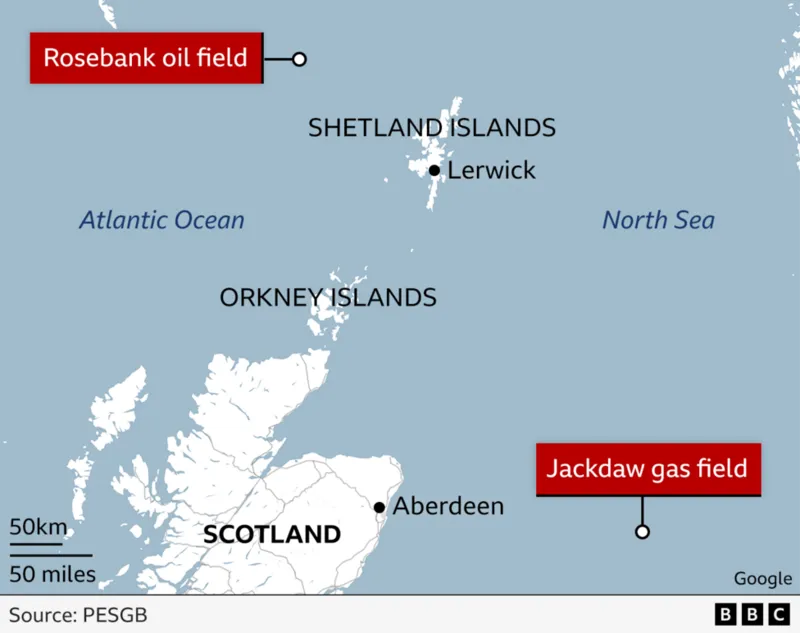
Shell’s Jackdaw gas field in the North Sea was originally approved by the previous UK Conservative government, and the industry regulator, in summer 2022.

Permission for the Rosebank oil development, 80 miles west of Shetland in the North Atlantic, was granted in autumn 2023.

In a 57-page judgement, Lord Ericht wrote that there was a public interest in having the decision “remade on a lawful basis” because of the effects of climate change – which he said outweighed the interests of the developers.

https://www.bbc.com/news/articles/c3e1pw7npklo

Orcas are pleased that Rosebank and Jackdaw oil fields are blocked.
Continue ReadingNew oil and gas field consent was unlawful – judge

Landmark ruling could threaten future UK oil drilling

Spread the love
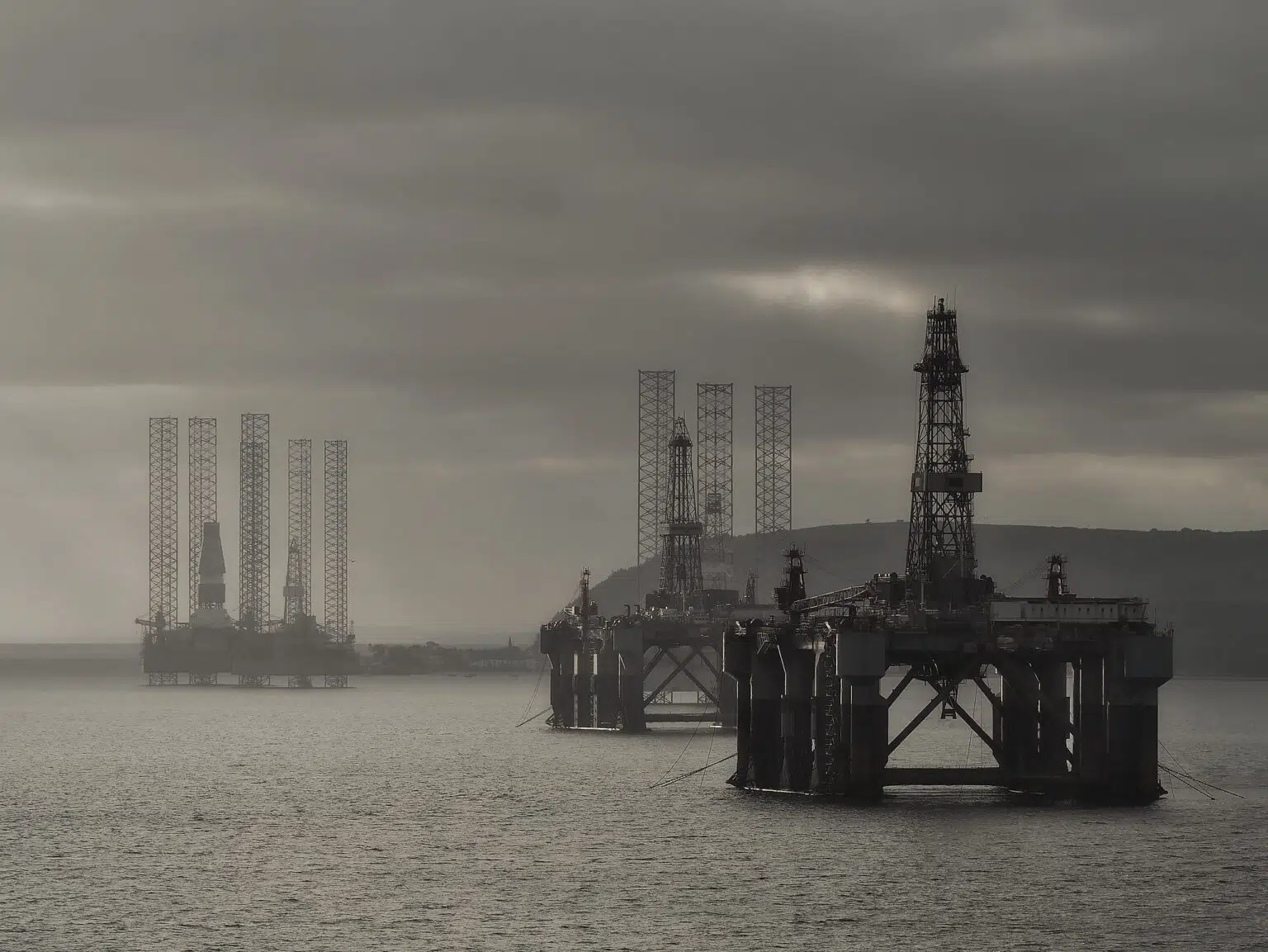
North Sea oil rigs in Cromarty Firth, Scotland. Credit: joiseyshowaa (CC BY-SA 2.0)

The Supreme Court has ruled a local council should have considered the full climate impact of burning oil from new wells – a landmark decision which could put future UK oil and gas projects in question.

Under planning law the assumption has always been that only the impacts from constructing the wells and not the use of the final oil products should be considered.

The case brought against Surrey County Council by Sarah Finch, on behalf of campaigners could threaten new UK fossil fuels projects.

Lawyers acting for Ms Finch said that as part of the Environmental Impact Assessment the council should have considered not just the greenhouse gas emissions from building the wells but also burning any oil that was then used – known as downstream emissions.

In a three-to-two majority the Supreme Court judges agreed.

Summing up the case Lord Leggatt said it was “inevitable” that oil from the site will be burned, and the resulting greenhouse emissions were “straightforwardly results of the project” which should be considered.

Continue ReadingLandmark ruling could threaten future UK oil drilling