The Asian Katra cargo ship (top left) arrives in Havana Bay in Havana, Cuba, May 18, 2026
A SHIP laden with humanitarian aid from the governments of Mexico and Uruguay has arrived in Cuba to help ease the effects of the illegal US blockade.
The cargo of the ship, which sailed from a Mexican port, includes personal hygiene items and 1,700 tons of grains, powdered milk and other food, according to a statement published by Cuban media.
Food Industry Minister Alberto Lopez Diaz said the items had arrived “at a time of great economic hardship, exacerbated by the tightening of the blockade imposed on our country by the US government.”
The US has been ratcheting up pressure as it seeks an indictment against Cuba’s former president Raul Castro over his alleged role in the 1996 downing of four planes operated by Miami-based exile group Brothers to the Rescue.
Donald Trump sings and dances, says that it’s fun to kill everyone …Orcas discuss Donald Trump and the killer apes’ concept of democracy. Front Orca warns that Trump is crashing his country’s economy and that everything he does he does for the fantastically wealthy.
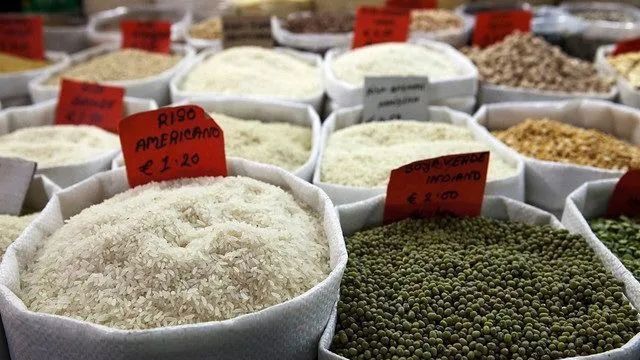
The United Nations Food and Agriculture Organization’s (FAO) food price index registered a 1% rise in April in comparison to March and a 22% rise compared to the same month last year.
Global food prices recorded an increase in April largely due to the tariff war waged by Donald Trump’s administration in the US, the UN agency Food and Agricultural Organization (FAO) said in a report last week.
Major food products such as cereals, dairy products, and meat registered a rise in their prices across the globe in April in comparison to March.
Grains and cereals such as wheat, rice, and maize make the largest component of FAO’s food price index. Their prices increased the most, raising its index by 1% month over month.
The price of dairy products increased by 2.4% month over month while the price of meat soared by 3.2%, making life significantly more difficult for people. Compared to the same month last year, dairy prices rose by 22.9%.
Year over year, the global food prices were higher by 7.6% in comparison to April last year.
The rise in food prices is attributed to several factors, including the seasonal rise in demands. However, the FAO notes that the main driver of the increase is the tariff policies announced by the Trump administration in the US in early April.
“Adjustments to the US’ import tariff policies-including the exemption to Mexico, the leading importer of US maize, and a 90 day pause on import tariffs above 10% for several other trading partners-further contributed to the upward price pressure,” the FAO said.
Fulfilling his threats to impose high tariffs on most of its trade partners Trump announced its “reciprocal tariff” policy in early April. Imports from most of the countries faced tariffs ranging between a minimum 10% to a whopping 145% against China.
Trump later suspended the imposition of reciprocal tariffs for three months, seeking bilateral agreements with several countries. However, the announcement of the high tariffs has already created uncertainty in the global economy.
Rise in food prices impacts the poor the most
Though the FAO acknowledged there were several factors impacting the rise in global food prices, such as the reduction in wheat exports from Russia due to sanctions, the war in Ukraine, and a weaker US dollar, the tariff war made the “strongest impact.”
Several economists and experts have already warned of a rise in local food prices, due to the Trump administration’s tariff policies creating a similar or worse impact than the war in Ukraine did in its initial months.
The global food markets are closely interconnected so major global events may affect prices at the local level – just as they did in the initial days of the war in Ukraine, after European and US sanctions led to a reduction in Russian wheat.
According to the FAO, its food price index recorded its highest jump in March 2022, immediately after the war in Ukraine started. The rise in prices at the time intensified a cost of living crisis even in relatively richer countries in Europe and intensified food insecurity in the developing and poorest countries.
Increases in food prices affect the poor the most as their share of expenditure on food is higher. It is expected to intensify the existing food crisis situation in most of the developing and poorer countries in Asia and Africa.
If Trump’s tariff war drags on, the prices of fertilizers will also see a jump, affecting agricultural production in the developing world and affecting the prices of food products further, claims Lotanna Emediegwu, who teaches economics at Manchester Metropolitan University.
US and European sanctions have already negatively affected the global supply of fertilizers from Russia.
Neo-Fascist Climate Science Denier Donald Trump says Burn, Baby, Burn.Elon Musk urges you to be a Fascist like him, says that you can ignore facts and reality then.

 The Asian Katra cargo ship (top left) arrives in Havana Bay in Havana, Cuba, May 18, 2026