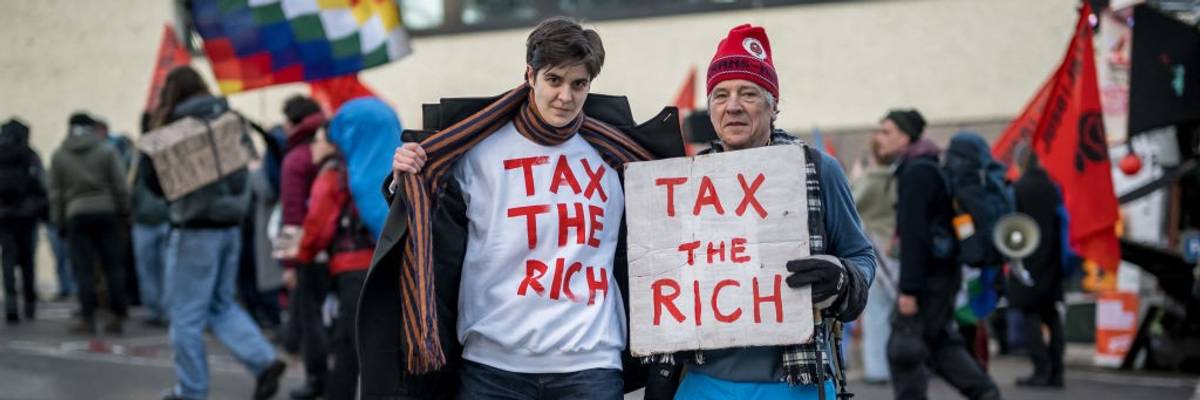
Demonstrators call for higher taxes on the rich during a protest in Davos, Switzerland on January 19, 2025. (Photo by Fabrice Coffrini/AFP via Getty Images)
“The current international order is plutocratic,” said French economist Thomas Piketty. “It is essential to move away from this plutocratic system to a new democratic order.”
A sprawling report released Thursday argues that averting the “bleak techno-authoritarian futures now being sold to us” and laying the groundwork for a just, livable future requires restructuring the world’s economic order to widely redistribute wealth that has been hoarded at the very top for decades.
The report, compiled by hundreds of researchers from around the world and published by the World Inequality Lab (WIL), is billed as the first comprehensive attempt to lay out a plan to “reconcile planetary habitability and high well-being for all.” Achieving that aim will be impossible, the authors argue, “without a drastic reduction in inequality of income, wealth, and power.”
“The current international order is plutocratic,” said French economist Thomas Piketty, a renowned expert on inequality and co-director of WIL. “It is essential to move away from this plutocratic system to a new democratic order.”
The report outlines a number of proposals that would redress staggering levels of wealth and income inequality. Currently, the top 10% of the global population brings in more income than the remaining 90% combined. Wealth inequality is even more extreme, with the top 10% controlling 75% of global wealth, compared to 2% controlled by the poorest half of humanity.
Specifically, the authors call for a new, progressive global income tax that would peak at 90% for those who earn 5,000 times the average adult disposable income. They also propose taxing the wealth of millionaires and billionaires at a rate up to 20%.
Revenue from the new taxes would flow into a Global Justice Fund, which would distribute dividends to countries to help boost spending on climate, education, and healthcare. The fund would also invest in a World Sovereign Fund, whose returns on “sustainable assets” would be used to finance country dividends.
“The result is not a transfer from many to few but a gain for almost everyone,” Piketty and other report contributors wrote in an op-ed for The Guardian. “Close to 90% of the world’s population would double their income between 2026 and 2100, and once leisure and a habitable planet are counted, more than 99% come out ahead.”
“Technical impossibility is not what is standing in the way, but rather the absence of a shared vision of social progress, at once concrete and radical.”
Redressing inequality would not be sufficient to secure a livable future, the report authors emphasize, given that continued fossil fuel use and expansion are pushing the world in the direction of climate catastrophe. What’s required to prevent planetary disaster is a “fundamental transformation of energy systems,” the report argues.
“This means electrifying energy demand wherever feasible (such as transitioning vehicle fleets) and switching to low-carbon fuels (for example, in steel and cement production),” the report states. “Crucially, electricity generation itself must be decarbonized, moving away from fossil fuels toward renewables like hydropower, solar, and wind.”
The report also envisions a move away from overconsumption toward what the authors call a future of “sufficiency,” which would entail shorter work hours for the global labor force, changes to land use, and other reforms.
Such ambitious goals will not become reality, the report stresses, without “a powerful citizen movement and a dense network of broad-based organizations (including labor unions, political parties, civic platforms, and other collective initiatives) which are sufficiently well-organized and effective at promoting broad institutional and policy change.”
“A habitable, equal, and prosperous 21st Century is materially possible,” the authors declare. “Technical impossibility is not what is standing in the way, but rather the absence of a shared vision of social progress, at once concrete and radical. What it will take instead is political choice, and the hard work of coalition-building behind it.”
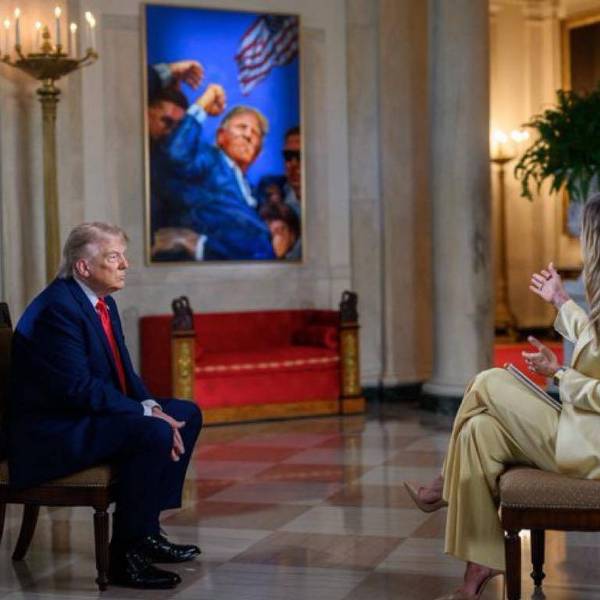
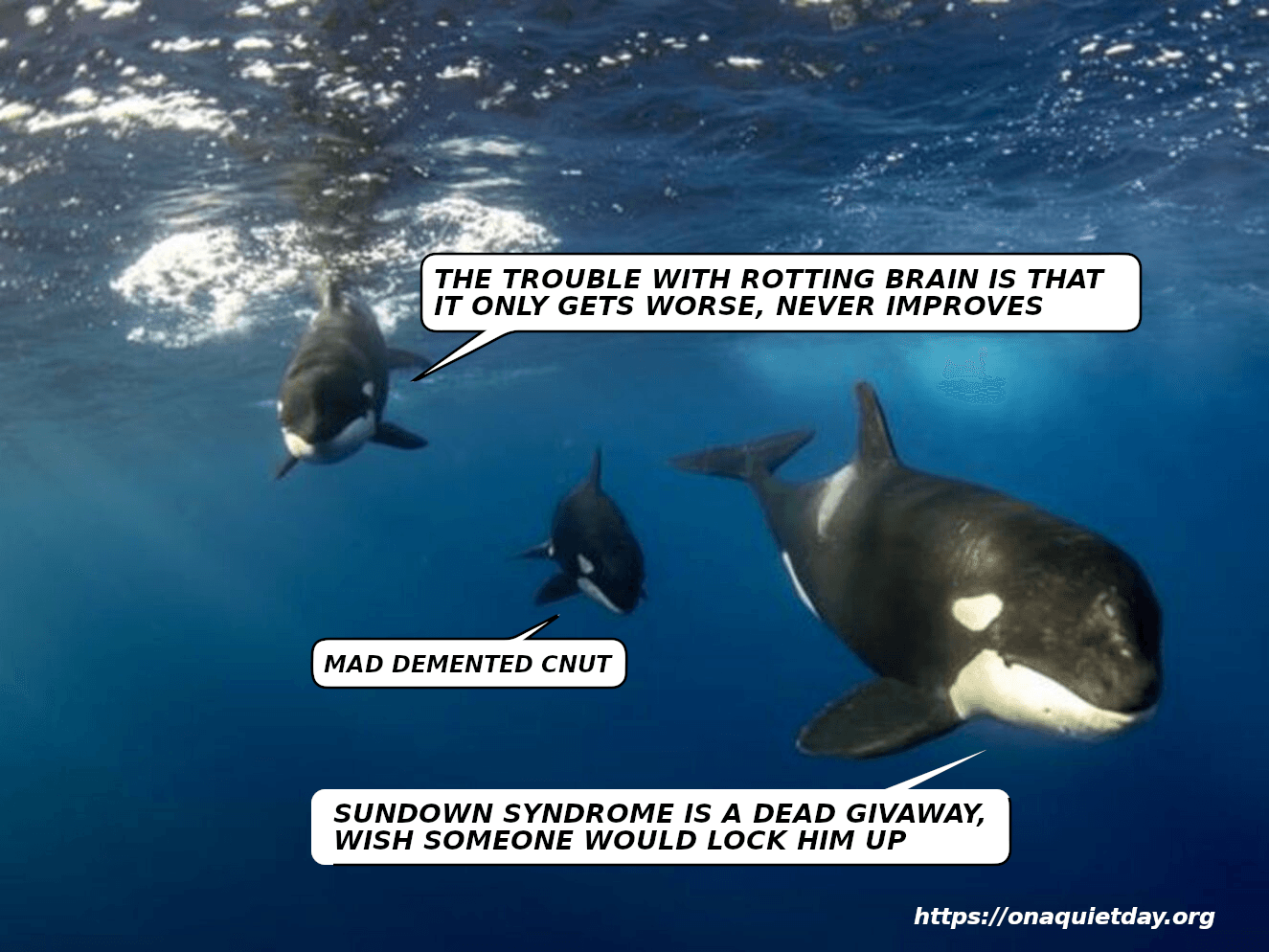
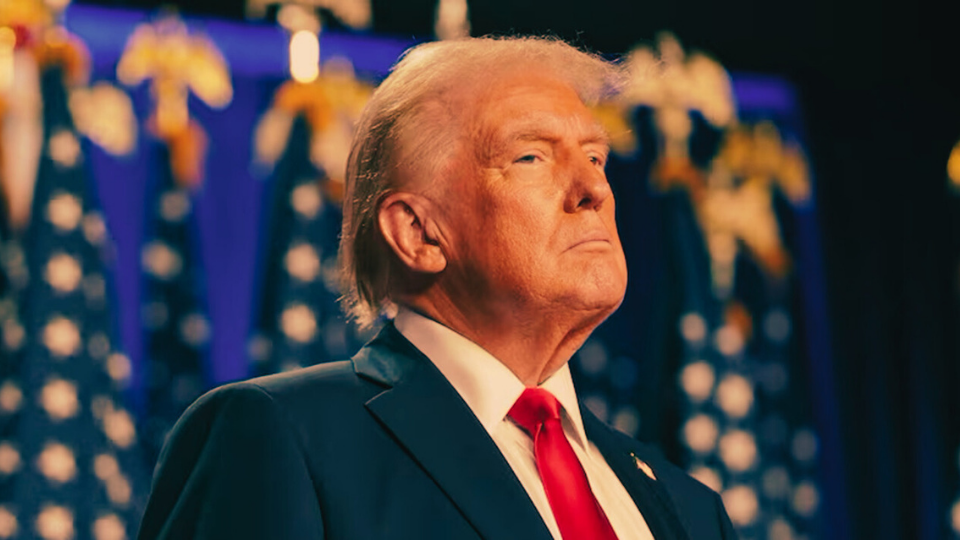
Donald Fuhrump says that Amerikkka doesn’t bother with crimes or charges anymore, not being 100% Amerikkkan and opposing his real estate intentions is enough.Donald Trump urges you to be a Climate Science denier like him. He says that he makes millions and millions for destroying the planet, Burn, Baby, Burn and Flood, Baby, Flood.Orcas discuss rotting brain, front Orca says Sundown Syndrome is a dead givaway and he wishes someone would Lock Him Up
U.S. Presidents have been known for their wealth. George Washington was one of the wealthiest men of his day and a slave owner. The vast estate of Mt. Vernon accounts for a considerable amount of wealth for his day. When the current price of land and livestock is added, it is difficult to ascertain. However, reliable sources say that George Washington’s assets upon entering the presidency, adjusted for inflation, were approximately $594 million in today’s money. About the only good thing one can say about this vast estate is that one part did not wish to be counted, and that was due to Ona Judge, who refused to be his slave and escaped to New Hampshire. They say Washington’s salary alone was approximately worth 2% of the national budget. In terms of relativity, it would amount to billions of dollars.
Perhaps Donald Trump is a little better than George Washington. No, he did not dispatch the Secretary of the Treasury to bring back an escaped slave. Yet he presides over a nation with a minimum wage of $7.25, at a time when the average rent for a one-bedroom apartment ranges from $1,510 to $1,642. Many readers believe fast-food workers work 40 hours a week, when in reality many only work 30 hours, and some only work during lunch time for only 15 hours. Perhaps this is the modern-day version of chattel slavery. But reports vary: some say Trump’s personal fortune has risen from $1 billion to $4 billion. Some reporting estimates even more.
In an article by Jenny Smyth, Trump entered his first term of office with a net worth of $2.3 billion, and now has a net worth of $6.5 billion. Perhaps it was due to his aggressive purloining of Venezuelan oil. If it didn’t go to China, it had to go somewhere, right? Maybe it was due to his sons, Donald Trump Jr. and Eric Trump, perfect management of his affairs… However, it seems that the President has used investment brokers.
While Donald Trump, according to U.S. law, has every right to trade on the U.S. market, this right seems to smack of gross immorality given his enormous cuts to SNAP and social security. People are earning less, and with DEI on the President’s hit list, African Americans appear to be targeted for further wage cuts. He seems to have no respect for the law or humanity. He has increased the ferocity of the Cuban blockade and has threatened military action against her. I suppose Greenland had to make a deal. Trump appeared to make some political profit for his billionaire alliance. While, according to the Western media, he has not made any profit in Greenland, his billionaire colleagues Bill Gates and Jeff Bezos have invested in Greenlandic mining operations. This is not nearly as lucrative as the gift of the luxury jet from the Qatar government. The opulent Boeing 747-8 will undergo modifications at L3Harris Technologies before entering service for presidential (Trump’s) use. The plane is said to be scheduled to make its debut on the Fourth of July in honor of the nation’s 250th birthday.
However, the president’s latest financial maneuvers have left a good portion of the public aghast. It seems the president has made active stock trades influenced, or at least guided, by his governmental decisions. According to Wion, the disclosures show around 3,600 to 3,700 stock and ETF transactions from January to March. The reported value of these transactions ranges from $220 milion to $750 million, all this while there is massive hunger and deprivation suffered by the working class—in particular minority groups—within the United States of America.
Many of the stocks were made by the government for defense, government private contracts, and other concerns that required direct government involvement. For example, NBC News said in February and March that the president purchased stock seven times. On January 12, President Trump purchased $100,000 to $250,000 worth of Oracle stock on the same day he finalized a U.S.-backed deal for a stake in TikTok. From January through March, President Trump purchased DoorDash stock twelve times, around the same time he held an event with a DoorDash representative being praised at the White House. On January 6, the President purchased $500,000 of Nvidia Stock, and shortly after, on January 14, he approved a US-backed deal for Nvidia to sell chips to China. The president invested heavily in Palantir Industries, a defense contractor that builds AI-driven strategies for defense from “space to mud.” The stock has dropped 25% while the President has urged investors to buy on Truth Social.
While the President has the right to purchase, the cry has grown louder for stricter controls to prevent insider trading and self-profit and gain by influential politicians. There is an imbalance in the system. The President cannot be allowed to make billions while many of his fellow Americans starve.
As with all op-eds published by People’s World, the views reflected here are those of the author.
We hope you appreciated this article. At People’s World, we believe news and information should be free and accessible to all, but we need your help. Our journalism is free of corporate influence and paywalls because we are totally reader-supported. Only you, our readers and supporters, make this possible. If you enjoy reading People’s World and the stories we bring you, please support our work by donating or becoming a monthly sustainer today. Thank you!
Climate science denier Donald Trump confirms that he knows nothing about democracy and that more liquid gold is being secured according to his policy of global privateering.Orcas discuss how Trump was re-elected and him being an obviously insane, xenophobic Fascist.
After 14 years of billionaires doubling their wealth, the political elite’s choice of starving pensioners and children shows austerity as a complete con job.
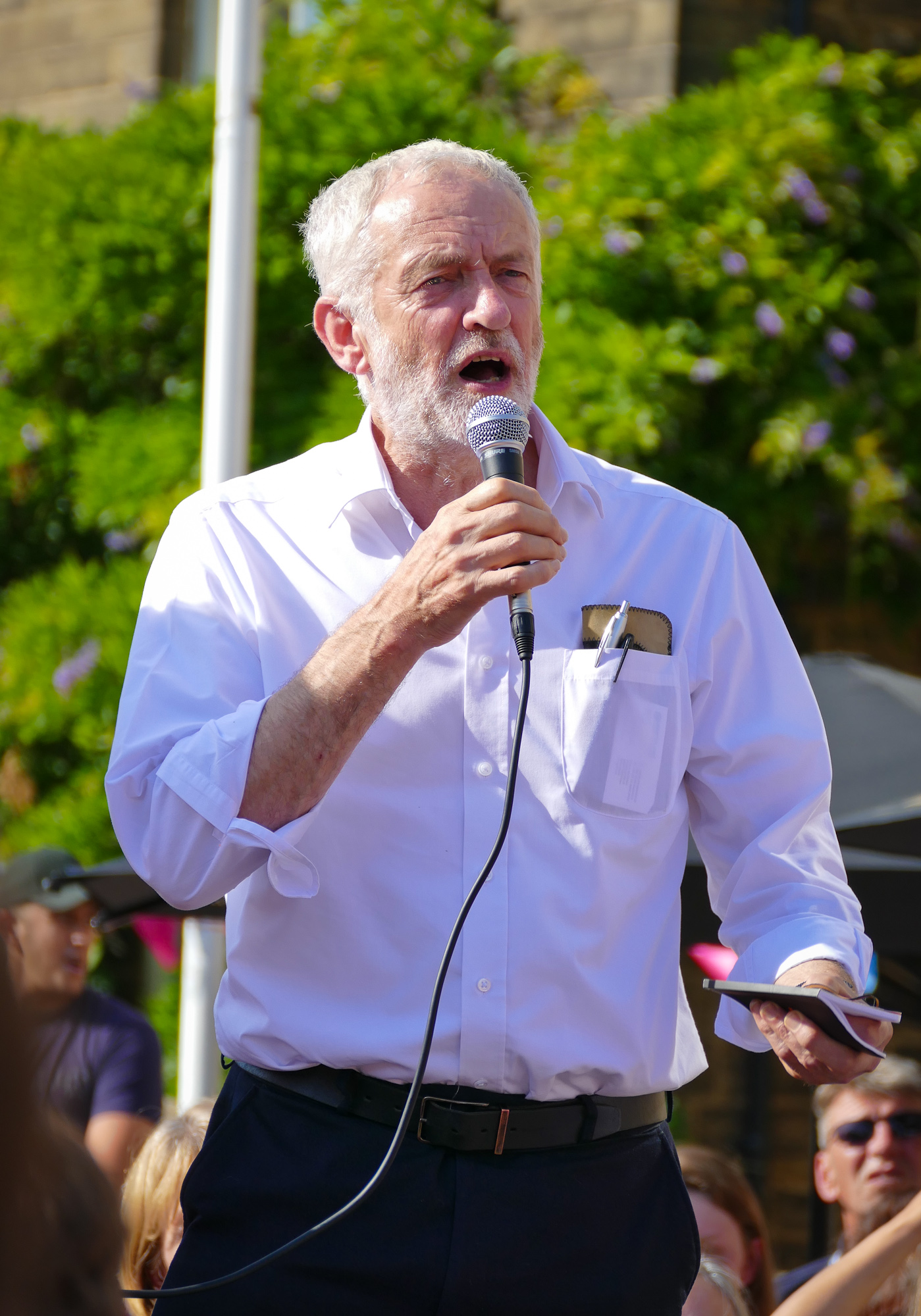
Jeremy Corbyn MP, former leader of the Labour Party
Every day, my constituents make tough choices. Tough choices like deciding whether to heat their homes or put food on the table. Tough choices like taking out a loan to pay for this month’s rent. Tough choices like selling their home to pay for their family’s social care.
People are making tough choices because governments have made the wrong choices. We warned that Tory austerity would weaken our economy and decimate our public services. We were ignored, and the poorest in society paid the price. Austerity is not just a buzzword. It is the ongoing, brutal reality for millions of people who have been pushed into destitution. It is the face of desperation and anxiety of those forced into a spiral of debt. It is a freezing cold night for the record numbers of people sleeping rough on the streets. It is the graveyard for those left without vital support: more than 300,000 excess deaths have been attributed to austerity policies.
We often talk about austerity in terms of cuts to public spending, but that is just one side of the coin. By starving public services of resources, the government manufactured a convenient excuse for their privatisation. We saw this most acutely with the NHS: an underfunded public service does not just cause satisfaction to plummet, but the belief in the principle of public healthcare itself. Austerity was never about saving money (the UK’s debt pile increased every single year under the Tories). It was about transferring money from the poorest to the richest. Between 2010 and 2018, aggregate wealth in the UK grew by £5.68 trillion. 94% went to the richest 50% of households. 6% went to the poorest 50%. As child poverty was heading towards its highest levels since 2007, Britain’s billionaires more than doubled their wealth.
It was a political decision to defund, dismantle and auction off our public services. And it will be a political decision to repeat this failed economic experiment. ‘It’s going to be painful’, the Prime Minister told the nation last week, prepping the public for ‘difficult choices’ ahead. Did he get permission from the Tories to reuse their trademark slogans? Other ministers have gone one step further, indicating that they do not have any choice at all but to impoverish children and pensioners. Keeping children in poverty is unavoidable, apparently, if we want to restore the public finances. Scrapping the winter fuel allowance is a necessity, we were risibly told, if we want to stop a run on the pound.
It is astonishing to hear government ministers try to pull the wool over the public’s eyes. The government knows that there is a range of choices available to them. They could introduce wealth taxes to raise upwards of £10 billion. They could stop wasting public money on private contracts. They could launch a fundamental redistribution of power by bringing water and energy into full public ownership. Instead, they have opted to take resources away from people who were promised things would change. There is plenty of money, it’s just in the wrong hands — and we will not be fooled by ministers’ attempts to feign regret over cruel decisions they know they don’t have to take.
Corporate lobbyists have successfully pushed Keir Starmer’s party to ditch its progressive policies
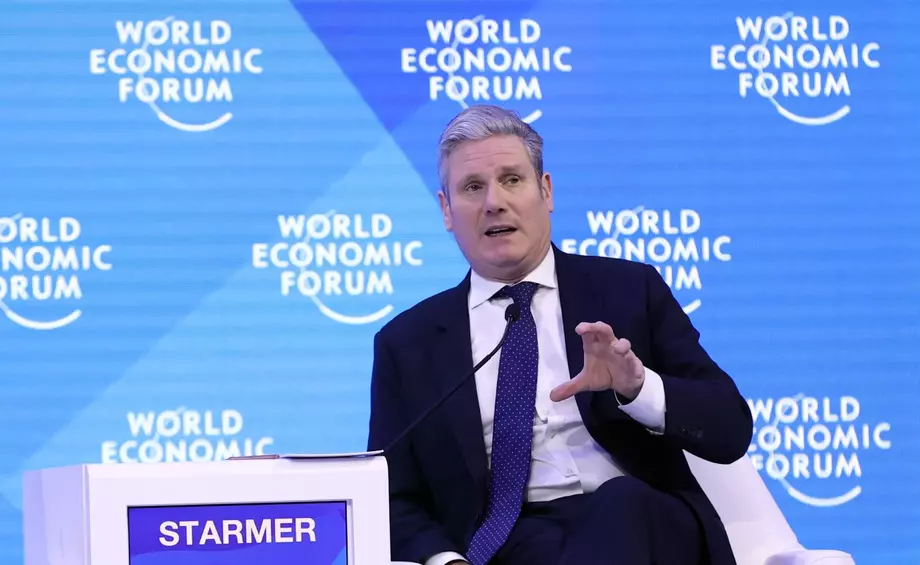
Keir Starmer sucking up to the rich and powerful at World Economic Forum, Davos.
Over the summer, Keir Starmer’s Labour Party for the first time articulated a clear vision for government: everything will continue to be awful. Nothing will get better. Hope is for fools. And, most importantly, no one with wealth or power need worry themselves that any of either will be taken from them.
Because despite two-thirds of voters wanting the government to increase wealth taxes, shadow chancellor Rachel Reeves last month emphasised that she won’t. And although 63% of Brits think taxes on the rich are too low, Starmer has made clear that he doesn’t want to raise income tax for top earners, saying his driving principle is, rather, to lower taxes. Only 5% think the rich pay too much tax.
Meanwhile, Labour’s £28bn-a-year pledge to invest in a Green New Deal – a plan to boost the transition to a zero-carbon economy – has been cancelled by Reeves, who stressed a need for ‘fiscal discipline’. The policy has wide support among voters, particularly in key marginals in England’s North and Midlands.
A certain portion of the press – both Conservative hacks and Blairite shills – see all this as genius: if Labour steals the Tories’ story, how can Rishi Sunak attack? And in a way, though not the way they mean, they may be right.
Wealth and political power are enormously concentrated in Britain. Since 1945, Labour has only ever got into government when it’s made very clear that it doesn’t intend to challenge the ruling elite.
As we saw with Jeremy Corbyn, our oligarch-controlled media, the City and even army generals won’t allow any suggestion that the party plans to govern in line with the egalitarian desires of the overwhelming majority of voters.
In the battle of a general election, the cultural grip of the UK’s establishment is strong enough to override voters’ policy preferences. Actually doing the things voters want – taxing the rich, renationalising key services and tackling the climate crisis – would mean taking on institutions powerful enough to take you down. Or, at least, that’s what many Labour strategists have effectively concluded, even if that’s not how they would express it.
Of course, you can argue against that. Maybe establishment institutions are losing their grip. Perhaps the Tories would still lose the next election if Starmer stuck to his promise to run on the left.
On the other hand, it’s possible that the Labour leader being such an obvious liar – getting himself elected by his party on one set of promises and then immediately breaking them – will allow the Tories to successfully take him down. But more likely, it will make his first term as prime minister very difficult, and leave a festering anger that the right will exploit.
Cock-ups and corruption
Over the past few weeks, I’ve revealed a series of scandals about Labour.
Most of these stories boil down to at least one of the various C-words that shape so much of our politics: cock-up, conspiracy, co-option, coercion, collusion, corruption, capture, cooperation and class interest. Each is, in its own way, revealing.
In the first story, I showed that the Barnes and Richmond Labour Club had given the central party an illegal donation of just under £600,000. This seems to have been an example of the first C – a cock-up.
The money came from a local Labour club selling a building that had once been used as a social club for members. The club’s treasurer had given the cash to his local party through the national party in order to comply with regulations. But the national party seems to have failed to deliver it: within five minutes of going through their donor list, I could see that they’d broken the rules.
One local Labour club messing up isn’t a big deal. The fact that the central party cared so little about obeying transparency laws that one of its biggest donors in recent years inadvertently broke them, is. For all of Starmer’s emphasis on competence, the party he leads seems not to have invested enough in training its staff in the laws governing political finance.
It’s much harder to see Google as the bad guy when you’ve sung along to Elton John with its team, while tipsy on its tab
When we broke the second story, about Starmer’s freebies, and the third, about Jonathan Reynolds’ trip to Glasto with Google, there was a pretty ferocious reaction online. The word people kept coming back to was ‘corruption’. But I’m sure that, in his mind, Starmer doesn’t think there is any transaction going on; he’s not accepting gifts from the gambling industry in exchange for future laxity with gambling laws. They are just inviting him, he presumably thinks, because they enjoy the glamour of having the likely next prime minister on their arm.
And, the labour leader’s internal monologue might argue, it’s perfectly appropriate for him to hear from and experience the wares of various British industries. In any case, if a politician was selling elements of public policy, they could do a lot better than a four-course meal with fizz in a special box at the races.
A better word for what is going on is ‘co-option’.
Co-option
The social theorist Ralph Miliband – dad of Ed and David – documented how the same thing was done to the very first Labour MPs, a century ago. While some of the establishment was horrified by the arrival of these cloth-capped working-class men in the hallowed halls of the Palace of Westminster, its cleverer figures knew just what to do. They took them out for dinner at their smart London clubs. They introduced them to their wives, and to fine wines. They inducted them into the ruling class.
The consequence was that the first Labour administrations in the 1920s governed very much within the rules set by the establishment they had been socialised into, including pushing through massive public spending cuts after the Wall Street Crash, rather than devaluing the pound. What we’re seeing now is the same process of co-option in post-Corbyn Labour. Only now, it’s not so much co-option into the old ruling class – though we get a whiff of that in Starmer’s days out at the races – but into the glitz of big business: tickets to the Brit Awards, the best seats in the nation’s swankiest football stadiums, the luxury end of Glastonbury.
Part of the message these businesses are trying to convey to Labour folk will be expressed verbally, over sips of champagne or between the amuse bouche and the appetiser. But part of it comes in the setting itself: it’s much harder to see Google as the bad guy when you’ve sung along to Elton John with its team, while tipsy on its tab. It’s much easier to go soft on elites once you feel part of them, to see things from the perspective of a multi-millionaire if you’re watching the football from the premium suite than if you’re cheering from the stands with the fans.
You see a similar phenomenon with sponsored events at Labour Party conference, as revealed by my colleague Ruby recently. Often, these are luxurious affairs – I can still remember the delicious beef and truffle canapés I got from a firm pushing freeports a few years back.
Businesses with policy agendas invest time and money in buying nice things for politicians and their staff because it works – not in the simple transactional way that a word like ‘corruption’ implies. But in subtler, softer ways. If it didn’t, they wouldn’t do it.
Co-operation
Cooperation is important, too. While members of the cabinet have special advisers funded through the civil service, their shadows don’t get equivalent staffing support – and the resources aren’t distributed equally. Some members of the shadow cabinet have just one adviser, funded by the Labour Party, others have whole teams, paid for by major donors.
It’s generally those associated with the right of the Labour Party who seem able to attract the funding of the handful of hedge funders and millionaires who chip in to such things. As a result, they get the researchers and spinners who make them look more competent, allowing them to deliver more, to grow their profiles, to succeed.
In 2018, the party took £700,000 in donations. So far this year, it’s already taken £12m
Peter Kyle, for example, who has recently been appointed shadow secretary of state for science, and who is associated with the right of the party, has been given £50,000 by wealthy financiers over the past year. Jonathan Ashworth, who was shadow secretary of state for work and pensions and who is seen as being on the soft left of the party, got no such donations, and was demoted to paymaster general in the recent reshuffle.
Other recipients of large amounts of private cash include shadow chancellor Rachel Reeves, shadow health secretary Wes Streeting, and shadow home secretary Yvette Cooper – all of whom are associated with the right of the party. Shadow cabinet members who come from the ‘soft left’ don’t get anything like the same support.
There is no suggestion of impropriety here. Kyle and pals genuinely believe in policies that are good for their banker backers, while Ashworth et al are less keen. But the result is that the one on the side of the super-rich gets to have a super-sized staff team, and the political muscle which comes with it.
This phenomenon is not limited to shadow cabinet members. The Labour Party has changed its policy over the past few months, and has subsequently been richly rewarded with a surge in large donations.
Since becoming leader in 2020, Starmer’s Labour has struggled for money. Membership – and the revenue it provides – has dropped by 170,000 in the past three years, while trade union contributions have fallen by more than a million since 2018.
But the party’s latest accounts, which came out this week, show that the shortfall has now been more than bridged by large donations from rich people and companies. In 2018, the party took £700,000 in donations above the £7,500 reporting threshold (or £1,500 for local parties and the like). So far this year, it’s already taken £12m.
The policies that Labour has ditched in recent months may have been overwhelmingly popular among voters. But they weren’t, it seems, with its wealthy potential donors.
Collusion
It’s not surprising that lots of businesses want to shape Labour policy. Polls show that the party will likely form the next government, and corporations want to make sure it won’t get in the way of their plans to extract as much profit as they can.
In one of its newsletters this week, Politico quotes Alice Perry, associate director at H/Advisors Cicero and a former chair of Labour’s ruling National Executive Committee, as saying that demand for insider advice on how to lobby Starmer’s team has rocketed since last year. According to the website: “You can’t move in SW1 without meeting one of the new bespoke ‘Labour units’ being set up by lobbying shops or their latest ex-Labour hire.”
The revolving door goes the other way, too. As I revealed earlier this week, at least ten current staffers for shadow cabinet ministers previously worked as corporate lobbyists.
But the revolving door between lobbying agencies and the top of politics is old news. And at least a revolving door means you are either in or out at any given moment. Starmer and his colleagues, however, seem to have found a new way to blur the lines: taking on staff who are still employed as corporate lobbyists – seconded from their usual work to the Labour Party. Much of the shadow cabinet is, in other words, directly collaborating with the lobbying firms trying to sell access to them.
Commercial lobbying exists to help those with money get extra influence over governments. The inevitable corollary is that ordinary citizens will get, relatively, less say. As such, its point is to distort democratic processes, to bend them to the will of capital.
In the dying days of the last Labour government, a string of former cabinet ministers were caught offering themselves for hire as lobbyists. The ensuing scandal contributed to a sense that the party’s time in office was coming to a somewhat sordid end, and coincided with a dip in the polls. But that was after 13 years in power.
If the party is willing to so openly collude with corporate lobbyists when it ought to be fresh faced and ready for office, then voters will hear its message loud and clear: don’t expect anything to get better.
The richest 1% of the world’s people (those earning more than $172,000 a year) produce 15% of the world’s carbon emissions: twice the combined impact of the poorest 50%. On average, they emit over 70 tonnes of carbon dioxide per person every year, 30 times more than we can each afford to release if we’re not to exceed 1.5C of global heating. While the emissions of the world’s middle classes are expected to fall sharply over the next decade, thanks to the general decarbonisation of our economies, the amount produced by the richest will scarcely decline at all: in other words, they’ll be responsible for an even greater share of total CO2. Becoming good global citizens would mean cutting their carbon consumption by an average of 97%.
…
There’s an oft-quoted axiom, whose authorship is obscure: it is easier to imagine the end of the world than the end of capitalism. Part of the reason is that capitalism itself is difficult to imagine. Most people struggle to define it, and its champions have generally succeeded in disguising its true nature. So let’s begin by imagining something that’s easier to comprehend: the end of concentrated wealth. Our survival depends on it.
I’ve come to believe that the most important of all environmental measures are wealth taxes. Preventing systemic environmental collapse means driving extreme wealth to extinction. It is not humanity as a whole that the planet cannot afford. It’s the ultra-rich.
https://youtu.be/05p_oeea5_E
Something to watch on the eve of huge energy price increases driving the cost of living crisis in UK