This work by Middle East Monitor is licensed under a Creative Commons Attribution-NonCommercial-ShareAlike 4.0 International License.

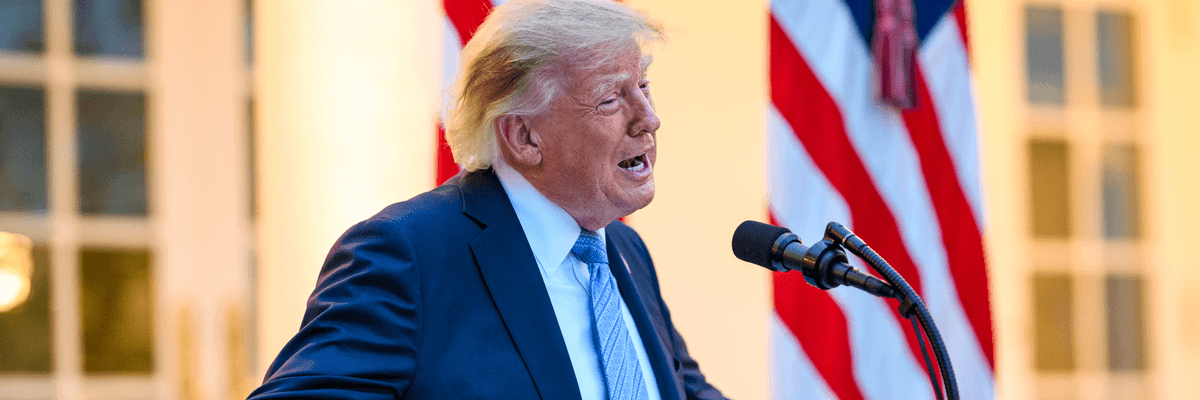
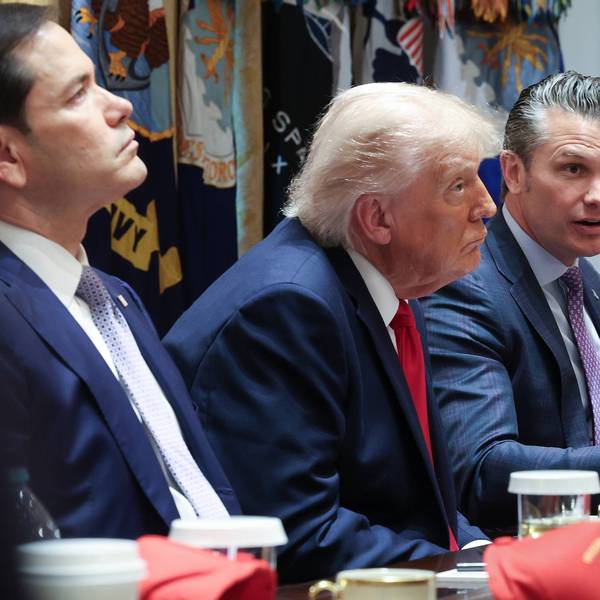
During a closed-door meeting at the White House, Chinese President Xi Jinping on Thursday urged the US and Iran to return to dialogue to end their war.
China has “always believed that the sovereignty and security of all countries should be respected” and has played a constructive role in easing tensions, Xi told US President Donald Trump, according to the state-run Xinhua news agency.
It has “encouraged relevant parties to stay committed to peaceful solutions and maintain the momentum of talks,” he said.
He expressed China’s support for the US and Iran returning to the framework deal they agreed to in June and voiced hope that both sides ultimately reach a comprehensive agreement covering the nuclear issue and other matters and achieve peace as soon as possible.
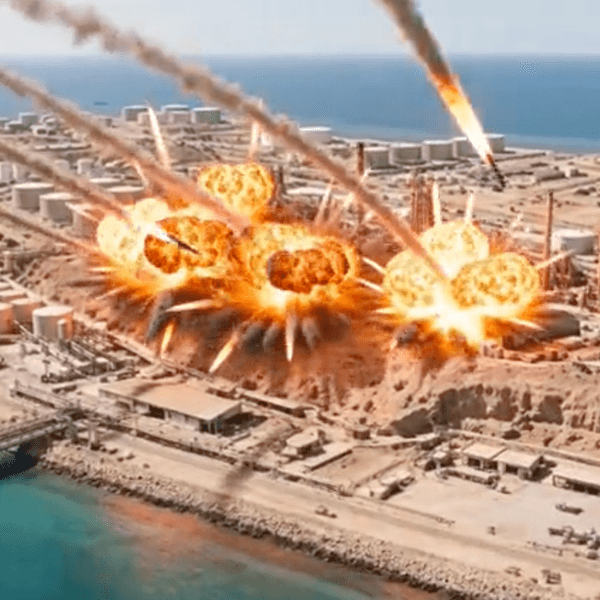
After the US and Israel launched the war against Iran on Feb. 28, Pakistan helped secure a ceasefire on April 8 and later hosted more than 20 hours of talks between American and Iranian officials in Islamabad.
READ: Iran says possible new war with US could expand to Indian Ocean
Following weeks of mediation, Pakistan and Qatar helped secure the June 18 deal, which provided the two sides with a framework and 60 days to negotiate a longer-term agreement aimed at ending the war.
However, the two sides soon resumed retaliatory strikes, with tensions continuing.
Xi also urged the US to “adhere to the correct position of opposing ‘Taiwan independence’” and handle the Taiwan question prudently to lay a solid foundation for bilateral strategic cooperation and relations.
Beijing’s position on safeguarding its national unity and territorial integrity is “crystal clear,” he said.
China considers Taiwan a breakaway province, while Taipei has maintained its self-rule since 1949.
Xi also said that building a constructive China-US relationship based on strategic stability is not an expedient measure nor something that can be achieved overnight, additionally calling for translating the new vision of a constructive bilateral relationship of strategic stability into action.
READ: Iranian president rejects Trump’s terrorism accusation, says Iran ‘victim of terrorism’
This work by Middle East Monitor is licensed under a Creative Commons Attribution-NonCommercial-ShareAlike 4.0 International License.


- Egypt urges ‘sustained’ humanitarian access to Gaza, start of early recovery
- US, Iran should return to dialogue to end war, Xi tells Trump at White House
- UAE suspends flights by Iranian air carriers until further notice
- Arab lawmaker criticizes exclusion of Arab lists from Israeli election
- Israel uproots 400 olive trees in occupied West Bank as harvest season approaches
- Gaza and the dystopian future of AI-powered war | Palestine This Week
- With Netanyahu ostracized, his US visit will be very short, with Trump unwilling to meet him: Israeli analysts
- Iraq has important role in strengthening collective Arab security: Egyptian president
- 28% of Israeli police officers resigned since Ben-Gvir took office: Report
- More than 308,000 displaced from Sudan’s Kordofan since October 2025: UN migration agency
- Netanyahu’s plane flies through Greek, Italian, French airspace en route to US despite ICC warrant
- Israeli election committee rejects bid to bar extremist Ben-Gvir’s party from Knesset elections
- Government, opposition fear our voice as alternative to racist rhetoric: Israeli lawmaker
- Gaza economy has entered world’s ‘most severe crisis on record’: UN report
- Saudi-led coalition for Yemen says it intercepted 6 ballistic missiles launched by Houthis
- Hamas says ready to implement Gaza roadmap, accuses Israel of blocking ceasefire deal
- Iran cancels all flights to United Arab Emirates
- Iran says possible new war with US could expand to Indian Ocean
- Israeli army detains more than 150 Palestinians in West Bank raids
- Israeli strike hits vehicle carrying body for burial in Gaza
- Remains of 101 Palestinians recovered from rubble in Gaza City, civil defence says
- 38 rights groups back legal challenge to US sanctions on International Criminal Court
- Israeli settlers burn Palestinian vehicles, spray racist slogans near Ramallah
- A reading of the General Assembly speeches: Justice for Palestine and the decline of unipolarity
- Lieberman proposes Jordanian role in West Bank Areas A and B, drawing Netanyahu criticism
- Israel continues artillery fire, airstrikes in southern Lebanon
- Israeli army strikes shepherd, runs over sheep in southern Syria’s countryside
- Amnesty accuses France of ‘double standard’ over Netanyahu plane
- Israeli army blows up Palestinian home in West Bank amid escalating occupier attacks
- What is the extent of the UN’s impunity when it comes to the two-state politics?
- Sanchez accuses Netanyahu of continuing mass killing in Gaza at UN
- From Najaf to Hormuz: The forty-seven-year road that brought Iran’s revolution to the Gulf’s doorstep
- Fierce rhetoric and cowardly pragmatism in the Iranian theatre
- NAZA, Israel’s war on witnesses, and media complicity
- Sudanese government rejects US remarks questioning its legitimacy
- Bahrain’s energy connectivity paradox: Networked resilience or deeper dependence?
- Gaza winter nears as 162,000 tents become unusable, raising fears of humanitarian crisis
- 77 delegations leave UN hall before Netanyahu speech, drawing widespread reaction
- Cargo ship catches fire after being hit by ‘unknown’ projectile in Strait of Hormuz, one killed
- Sudan: About 3,650 people displaced from Umm Bader amid rising security tensions
- Is Israel’s reign ending? Macklemore and the cultural war over Palestine
- AI isn’t a future threat—it is already erasing Gaza
- ‘A big victory’ – Palestine Chronicle wins two-year legal battle
- Israeli election authority bars United Arab List party from Knesset race
- French activist files complaint alleging torture during 2025 Gaza flotilla
- Libya seeks balanced partnerships, rejects foreign dependency: Al-Menfi
- The Iran War and representation beyond election day
- US does not want to see ‘additional flashpoint’ in West Bank, Rubio says
- Iranian president rejects Trump’s terrorism accusation, says Iran ‘victim of terrorism’
- Golan will remain Syrian, annexation decisions null under UN resolutions, says president Sharaa



 Supporters of Yemen’s Houthi rebels in Sanaa, Yemen, September 18, 2026